
Khorixas, Namibia’s Incredible Fossils, Petrified Forests & Ancient Rock Art (2025)
While crowds flock to the dunes of Sossusvlei, savvy travelers head north to the Damaraland heartland, where Khorixas serves as a gateway to landscapes that feel genuinely prehistoric. Here, you can stand on the Petrified Forest’s 280-million-year-old fossilized logs at sunrise, trace your fingers over 6,000-year-old Twyfelfontein engravings by midday, and watch the Organ Pipes’ volcanic columns glow crimson at dusk—all in a single, uncrowded day for less than the price of a fancy dinner in Windhoek.
Why Khorixas, Namibia Stands Out

A dirt road with mountains in the background, Khorixas, Namibia
- Historic Architecture: The town’s German colonial-era church, built in 1912, stands as a quiet testament to the region’s complex history amidst the vast Damaraland scenery.
- Cultural Scene: The annual Damara Cultural Festival, often held nearby, is a vibrant display of traditional music, dance, and storytelling from the indigenous Damara people.
- Local Specialties: Don’t miss *kapana*—spicy, grilled street meat, often beef or game—served fresh from roadside grills with a dash of chili and a side of lively banter.
Pro Tip: The absolute best time to visit is between May and October. The days are dry, sunny, and cool (perfect for hiking), wildlife is drawn to waterholes, and the night skies are utterly cloudless for stargazing. Avoid the summer months (November to March) when searing heat and potential flash floods can disrupt travel plans.
Map of Khorixas, Namibia
Use these interactive maps to explore Khorixas, Namibia and plan your route:
📍 View Khorixas, Namibia on OpenStreetMap
🗺️ Open Khorixas, Namibia in Google Maps
Planning Your Trip: Practical Essentials
Getting There and Around
- By Air: The nearest major airport is Hosea Kutako International (WDH) in Windhoek, 420km away. From there, you’ll need a car. Book flights at Skyscanner for best deals.
- By Train: Namibia’s passenger rail network is limited. There is no direct passenger service to Khorixas; a 4×4 or tour vehicle is essential for exploring the region. For other Namibian routes, check TransNamib.
- By Car: This is the only practical way. Khorixas is on the C39, about 5-6 hours from Windhoek. A high-clearance 2WD is okay for the town, but a 4×4 is mandatory for accessing nearby attractions like Twyfelfontein. Compare car rentals at RentalCars.com.
- Local Transport: There is no formal public transport. Your options are your own vehicle, pre-booked tours from your lodge, or occasional shared taxis for very local trips. Everything is spread out, so self-driving or guided tours are your best bet.
Best Time to Visit
Khorixas is all about outdoor exploration, so weather is key. The cool, dry winter offers perfect conditions, while the summer brings challenging heat but dramatic, green landscapes.
| Season | Weather | Highlights |
|---|---|---|
| Winter (May–Oct) | Sunny, dry days (20-25°C), cold nights (5-10°C). Zero rain. | Ideal for all sightseeing and hiking. Wildlife viewing at waterholes is prime. Peak tourist season but still uncrowded. |
| Summer (Nov–Apr) | Very hot days (30-40°C), warm nights, with sporadic heavy afternoon thunderstorms. | Lush, green scenery and dramatic skies. Fewer visitors. Many gravel roads can become impassable after rain. |
| Shoulder (Apr & Nov) | Transitional; warm days, variable rain, pleasant evenings. | A good balance if you don’t mind some heat or the chance of a storm. Lodges often have better rates. |
Budgeting for Khorixas, Namibia

Landscape of a desert, Khorixas, Namibia
| Category | Budget | Mid-range | Luxury |
|---|---|---|---|
| Accommodation | Camping: N$150-300/night | Guesthouse/Lodge: N$1,200-2,000/night | Premium Safari Lodge: N$4,000+/night (all-inclusive) |
| Meals | Self-catering or *kapana*: N$50-100/meal | Lodge Restaurant: N$150-250/meal | Fine dining at lodges: N$350+/meal |
| Transport | Fuel & 2WD rental: ~N$800/day | Fuel & 4×4 rental: ~N$1,200/day | Private guided tour with vehicle: N$3,000+/day |
| Activities | Petrified Forest (N$80), Organ Pipes (free) | Twyfelfontein Guide (N$100), Burnt Mountain (N$50) | Private rock art tour, scenic flights |
| Daily Total | ~N$1,100-1,500/day | ~N$2,500-3,500/day | ~N$7,000+/day |
Top Attractions and Must-See Sights
| Attraction | Description | Hours | Entry Fee |
|---|---|---|---|
| Twyfelfontein (UNESCO) | Namibia’s first World Heritage Site, with over 2,500 ancient rock engravings depicting animals and tracks. | Sunrise to Sunset (Guide required 8am-5pm) | N$100 per person + Guide Fee (~N$100) |
| The Petrified Forest | A surreal landscape of 280-million-year-old fossilized tree trunks, some over 30m long, scattered across the plains. | 8:00 AM – 5:00 PM | N$80 per person |
| Organ Pipes & Burnt Mountain | Geological wonders: the Organ Pipes are striking dolerite columns, while Burnt Mountain shimmers with oxidized mineral colors. | 24/7 (Best at sunrise/sunset) | Combined Site: N$50 per person |
| Damara Living Museum | An authentic open-air museum where the Damara people demonstrate traditional hunting, fire-making, and jewelry crafts. | 8:30 AM – 5:00 PM | N$150 per person |
3-Day Itinerary: Khorixas, Namibia’s Highlights & Hidden Gems
Day 1: Ancient Engravings & Volcanic Wonders
- Morning (7:30 AM): Drive 30 mins to Twyfelfontein. Book a mandatory 90-minute guided walk (N$200 total) to see the famous “Lion Man” engraving and learn the site’s spiritual significance.
- Afternoon (12:30 PM): Picnic lunch at the Twyfelfontein rest area. Then, visit the nearby Organ Pipes and Burnt Mountain. Your best bet is to see Burnt Mountain in the late afternoon sun when its colors are most intense.
- Evening (6:30 PM): Return to Khorixas for dinner at **Twyfelfontein Country Lodge**’s restaurant (try the oryx steak) while watching the desert sky turn to stars.
Day 2: Fossilized Forests & Living Culture
- Morning (8:00 AM): Visit the Petrified Forest (N$80). Take your time walking among the giant fossil logs; a local guide here can point out fossilized *Ginkgo* leaves.
- Afternoon (1:00 PM): Head to the **Damara Living Museum** (N$150). Participate in a two-hour interactive program where you’ll try your hand at bow-drill fire lighting and learn about traditional plant uses.
- Evening (6:00 PM): Enjoy a relaxed *braai* (barbecue) dinner back at your accommodation, sampling local meats like kudu or springbok.
Day 3: Scenic Drives & Local Life
- Morning (9:00 AM): Take a scenic drive south on the D2612 towards the **Brandberg Mountain** (Namibia’s highest). While the full hike to the “White Lady” rock painting is a major trek, the desert vistas are worth the 90-minute drive.
- Afternoon (1:00 PM): Grab a late, authentic lunch of *kapana* from a vendor in Khorixas’s main market area. It’s a true local experience.
- Evening (5:00 PM): For your final evening, drive to a vantage point just outside town for a sundowner. Watch the vast, silent landscape absorb the last light—a perfect, peaceful farewell.
Cultural Insights & Etiquette
- Language: English is the official language and widely understood. Afrikaans and Damara/Nama (with its distinctive click sounds) are also common. A simple “Hello” (“Hallo”) or “Thank you” (“Dankie”) in Afrikaans is appreciated.
- Customs: Always ask permission before taking photographs of people, especially in rural communities. A respectful, unhurried approach is valued. When visiting cultural sites, follow your guide’s instructions to protect fragile heritage.
- Tipping: Tipping 10% in restaurants is standard for good service. For guides, consider N$50-100 per person for a half-day tour. For lodge staff, a small tip left at reception for the team is a gracious gesture.
- Dress Code: Casual, practical clothing is fine. For visiting rural communities or cultural sites, modest dress (covering shoulders and knees) is respectful. Sturdy, closed-toe shoes are essential for rocky terrain.
- Business Hours: Shops in town typically open 8:00 AM – 5:00 PM weekdays, closing early on Saturday and closed Sunday. Fuel stations have longer hours. Always carry cash as ATMs can be scarce and card machines may fail.
Where to Eat: Khorixas, Namibia’s Best Bites
Dining in Khorixas is straightforward and hearty, focusing on grilled meats, simple stews, and what’s fresh. Most exceptional meals are served at your lodge. In town, it’s about simple, local flavor.
Must-Try Local Specialties
- Kapana: The ultimate Namibian street food. Spicy, bite-sized grilled meat, usually beef, served with a sprinkle of *chakalaka* (spicy relish) or just salt and chili. Find it at the open-air market.
- Game Meat: Oryx (gemsbok), kudu, and springbok steaks or stews are lean, flavorful, and commonly served at lodges like **Twyfelfontein Country Lodge**.
- Potjiekos: A slow-cooked stew made in a three-legged cast-iron pot over coals. It’s a social dish, often featuring meat and vegetables, best experienced at a lodge *braai* night.
Restaurant Recommendations by Budget
| Type | Restaurant | Specialty | Price Range |
|---|---|---|---|
| Budget | Khorixas Market Stalls (Town Center) | Fresh *Kapana* and simple takeaways | N$30-80 |
| Mid-range | Khorixas Rest Camp Restaurant | Reliable burgers, steaks, and basic meals | N$100-180 |
| Fine dining | Twyfelfontein Country Lodge Restaurant (30km west) | Upscale game meat dishes with stunning terrace views | N$250-400 |
Where to Stay
Accommodation revolves around lodges and guest farms scattered in the wilderness, not in the town center. You’ll trade convenience for incredible scenery and peace. Compare prices and book at Booking.com or Airbnb for apartments (though options are limited).
Best Neighborhoods for Accommodation
- Twyfelfontein Area (West of Khorixas): The premier location. You’ll be minutes from the UNESCO site and other wonders. It suits travelers who want immersive scenery and easy access to key sights. Lodges like **Twyfelfontein Country Lodge** or **Mowani Mountain Camp** are here.
- Khorixas Town: Functional and central for supplies (fuel, small supermarkets). Offers basic rest camps and guesthouses. It’s best for budget travelers or those just passing through for one night.
- Remote Guest Farms (South/East): For true isolation and a chance to see desert-adapted elephant or rhino on guided drives. These are full-service, all-inclusive lodges like **Damaraland Camp**, suited for luxury safari-goers seeking a pristine wilderness experience.

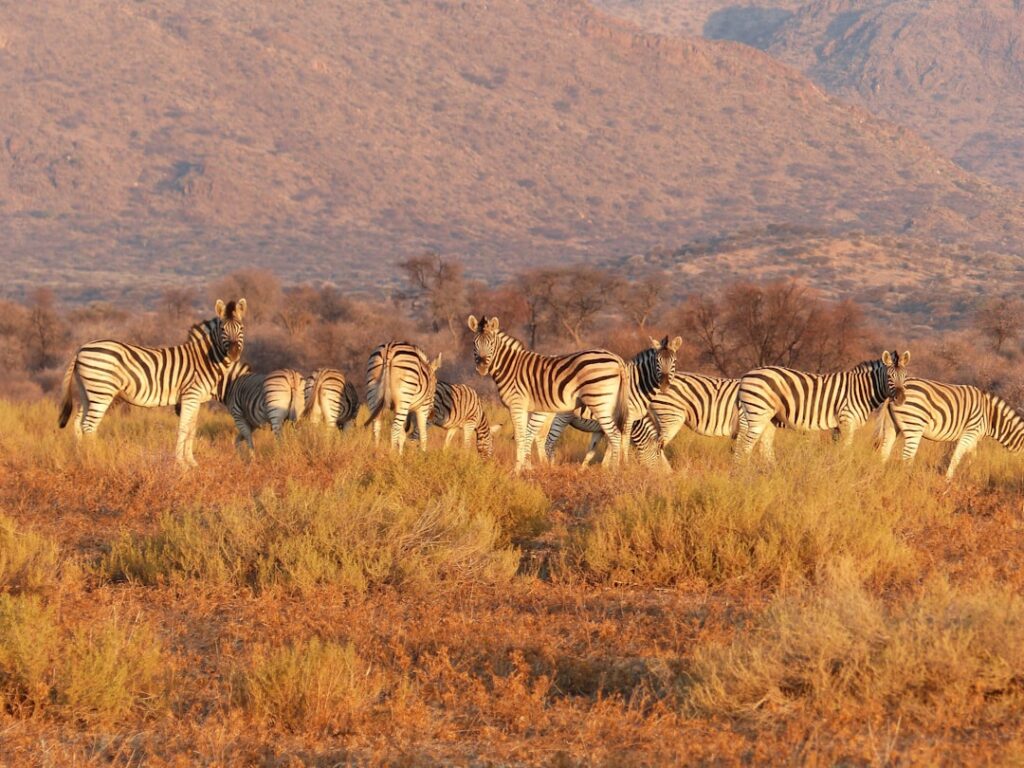
A couple of animals that are standing in the grass, Khorixas, Namibia
FAQs: Your Khorixas, Namibia Questions Answered
1. Is Khorixas, Namibia safe at night?
Khorixas is generally safe, but it’s a small town with minimal street lighting. The standard precautions apply: avoid walking alone at night, secure your vehicle and belongings, and stay within lodge or camp boundaries after dark. The greater risk is driving on unlit gravel roads at night due to wildlife crossings.
2. What currency is used and are credit cards accepted?
The Namibian Dollar (NAD) is used, and it’s pegged 1:1 to the South African Rand (ZAR), which is also widely accepted. Credit cards (Visa/Mastercard) are accepted at most lodges and larger fuel stations, but you must carry ample cash (NAD) for park entry fees, market purchases, tips, and in case of card machine failures.
3. How do I get from the airport to the city center?
There is no direct transfer. You must rent a car at Hosea Kutako International Airport in Windhoek for the 5-6 hour drive north. Pre-booking your rental is essential. For a seamless start, you can book a private transfer to a Windhoek hotel for an overnight stop, then collect your car the next day. Book airport transfers at GetYourGuide for convenience.
4. Do I need to speak the local language?
Not at all. English is sufficient for all tourist interactions. However, learning a few basic greetings in Afrikaans (“Goeie more” – Good morning) or acknowledging the local Damara/Nama languages with a smile

