
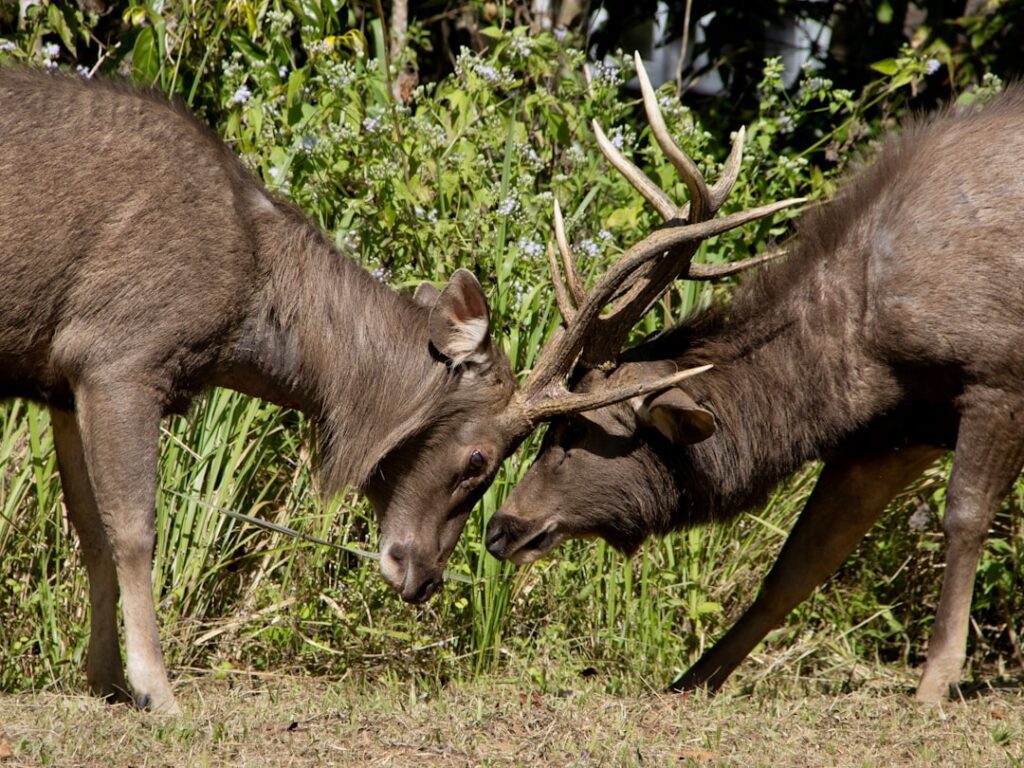
Khao Yai National Park, Thailand: Stunning Wildlife, Waterfalls & Mountain Magic (2026)
Just after dusk on the Haew Narok Road, a soft rustle in the jungle undergrowth gives way to a magnificent sight: a wild Asian elephant, its silhouette framed by the fading light, leading its herd to a hidden watering hole. This is the magic of Khao Yai, Thailand’s first and third-largest national park, a UNESCO World Heritage Site where over 200 kilometers of trails weave through evergreen rainforests hiding 300 species of birds, gibbons whose calls echo at dawn, and one of Southeast Asia’s most accessible wild tiger populations. Here, adventure isn’t manufactured; it’s waiting quietly on the trail ahead.
Why Khao Yai National Park, Thailand Stands Out

A dirt path leads through a lush green field., Khao Yai National Park, Thailand
- Historic Architecture: The iconic red-roofed Nong Pak Chi Tower, built for wildlife observation, offers 360-degree views over the park’s grasslands, a prime spot for spotting gaur, the world’s largest bovine.
- Cultural Scene: The annual Khao Yai Wine Festival each February celebrates the region’s surprising cool-climate vineyards with local wine tastings, live music, and gourmet food against a backdrop of mountain scenery.
- Local Specialties: You must try *Khao Lam* – sweet sticky rice with red bean or taro, slow-cooked inside a bamboo tube over charcoal, sold by roadside vendors at the park gates.
Pro Tip: The absolute best time for wildlife viewing is during the dry, cool season from November to February. For the most serene experience, enter the park right at the 6:00 AM opening time; you’ll avoid the day-trip crowds from Bangkok and have the highest chance of seeing nocturnal animals before they retreat for the day.
Map of Khao Yai National Park, Thailand
Use these interactive maps to explore Khao Yai National Park, Thailand and plan your route:
📍 View Khao Yai National Park, Thailand on OpenStreetMap
🗺️ Open Khao Yai National Park, Thailand in Google Maps
Planning Your Trip: Practical Essentials
Getting There and Around
- By Air: Fly into Bangkok’s Suvarnabhumi (BKK) or Don Mueang (DMK) airports. From there, a 2.5 to 3-hour private transfer or rental car drive is your best bet. Book flights at Skyscanner for best deals.
- By Train: Take a train from Bangkok’s Hua Lamphong Station to Pak Chong (approx. 3.5 hours). From Pak Chong, you’ll need a 30-minute songthaew (shared taxi) to the park entrance. Reserve tickets at Trainline or the national railway website.
- By Car: Driving is highly recommended for flexibility. Take Highway 2 (Mittraphap Road) from Bangkok to Saraburi, then Highway 2090 into the park. Parking inside is limited. Compare car rentals at RentalCars.com.
- Local Transport: Inside the park, your own vehicle or a hired 4×4 with driver (arranged in Pak Chong) is essential. Public transport does not operate on park roads. Official park songthaews are available for rent at the visitor center but book early.
Best Time to Visit
Khao Yai’s climate is defined by three distinct seasons, each offering a different experience. The cool season is peak for comfort and wildlife, while the green season reveals the park at its most lush and vibrant.
| Season | Weather | Highlights |
|---|---|---|
| Cool/Dry (Nov–Feb) | 18-28°C, sunny days, chilly nights | Prime wildlife viewing, comfortable hiking, clear waterfall flows, busy weekends. |
| Hot/Dry (Mar–May) | 25-35°C, very hot and humid | Fewer crowds, good birding, some waterfalls may reduce flow. Great for early morning activities. |
| Rainy/Green (Jun–Oct) | 23-30°C, heavy afternoon showers | Lush, dramatic scenery, full waterfalls, leeches on trails, spectacular cloud formations. Park may close trails after heavy rain. |
Budgeting for Khao Yai National Park, Thailand

Buddhist statues and ancient architecture at Wat Yai Chai Mongkhon in Ayutthaya, Khao Yai National Park, Thailand
| Category | Budget | Mid-range | Luxury |
|---|---|---|---|
| Accommodation | 500-800 THB (camping/basic hostel) | 1,500-3,500 THB (comfortable resort room) | 4,000+ THB (5-star villa or luxury tented camp) |
| Meals | 150-300 THB (roadside stalls, park canteen) | 400-800 THB (restaurant in Pak Chong or resort) | 1,200+ THB (fine dining at vineyard estate) |
| Transport | 200 THB (shared songthaew trips) | 1,500-2,500 THB (private car rental per day) | 4,000+ THB (private 4×4 with driver/guide) |
| Activities | 400 THB (park entry + basic hiking) | 1,000-2,000 THB (guided night safari, trek) | 3,000+ THB (private specialist birding/photo tour) |
| Daily Total | 1,250 – 1,800 THB | 4,400 – 9,800 THB | 12,200+ THB |
Top Attractions and Must-See Sights
| Attraction | Description | Hours | Entry Fee |
|---|---|---|---|
| Haew Narok Waterfall | The park’s tallest, three-tiered cascade plunging 150 meters; a powerful sight especially in the rainy season. | Park Hours (6 AM – 6 PM) | Included in Park Fee |
| Haew Suwat Waterfall | Famous from the film *The Beach*, this wide waterfall features a pool perfect for a refreshing swim. | Park Hours (6 AM – 6 PM) | Included in Park Fee |
| Night Safari | A guided open-top truck ride after dark to spot civets, porcupines, deer, and with luck, elephants or a leopard cat. | Tours at 7 PM & 8 PM | ~500 THB per person |
| Khao Khieo Viewpoint | The park’s highest accessible point at 1,100m, offering breathtaking sunrise views over a sea of mist-covered valleys. | Accessible 24/7 | Included in Park Fee |
3-Day Itinerary: Khao Yai National Park, Thailand’s Highlights & Hidden Gems
Day 1: Waterfalls & Wildlife Introduction
- Morning (7-9 AM): Enter the park at opening (400 THB foreign adult fee). Drive straight to the **Khao Khieo Viewpoint** for morning clouds and photos. Then, take the easy 1km hike to **Haew Suwat Waterfall** for a swim in the iconic pool.
- Afternoon (12-3 PM): Enjoy a packed lunch or eat at the **Park Canteen** near the visitor center (try the Pad Thai, ~80 THB). Visit the **Nong Pak Chi Observation Tower** to scan the grasslands for elephants, gaur, and sambar deer with binoculars.
- Evening (6-8 PM): Book the official **Night Safari** (500 THB, book at visitor center). Afterward, head into Pak Chong for dinner at **Krua Khao Yai**, a beloved local spot for fiery *Tom Yum Goong* and grilled river prawns.
Day 2: Deep Jungle Trekking & Local Culture
- Morning (8 AM): Meet a certified park guide for a **3-4 hour jungle trek** (1,500-2,000 THB per group) on the Kong Kaeo or Mo Singto trails. Your guide will point out gibbons, hornbills, and intricate insect life you’d easily miss alone.
- Afternoon (1 PM): Refuel with lunch at **Midwinter Green**, a charming garden café near the park known for its strong coffee and hearty sandwiches. Then, visit **PB Valley Khao Yai Winery** for a tour and tasting (from 450 THB) of Thailand’s surprising local wines.
- Evening (6 PM): Experience dinner with a view at **The Chocolate Factory** restaurant (yes, it’s a restaurant), enjoying Italian-Thai fusion while overlooking the valley lights. Don’t skip their homemade gelato.
Day 3: Scenic Drives & Mountain Vistas
- Morning (7 AM): Drive the scenic **Haew Narok Road** slowly, stopping at salt licks for potential wildlife sightings. Hike the 800-meter trail to the awe-inspiring **Haew Narok Waterfall**. The morning light here is spectacular.
- Afternoon (12 PM): Have a rustic lunch at **Ban Mai Chay Nam**, a restaurant built over the river in Pak Chong, famous for its deep-fried sea bass with mango salad. Then, explore **Farm Chokchai**, a massive dairy farm with agritourism shows and delicious ice cream.
- Evening (5 PM): For your final evening, drive up to **Pha Diao Dai** (Lonely Cliff) viewpoint just before sunset. It’s outside the park proper (free), less crowded, and offers a stunning panoramic farewell to the mountain landscape.
Cultural Insights & Etiquette
- Language: Basic Thai is appreciated. Learn *Sawasdee* (hello), *Khop Khun* (thank you), and *Hong nam yoo tee nai?* (Where is the bathroom?). In the park, many staff speak basic English.
- Customs: The head is sacred, feet are low. Never touch anyone’s head. Avoid pointing your feet at people or Buddha images. Always show respect to monks and royal images.
- Tipping: Not mandatory but appreciated. Round up taxi fares, leave 20-50 THB for restaurant servers, and 200-500 THB for a good private guide for the day.
- Dress Code: In the park, wear sturdy shoes, long pants, and long sleeves for leech protection. When visiting local temples or towns, cover shoulders and knees.
- Business Hours: Park hours are 6:00 AM to 6:00 PM sharp; you must exit by 6 PM. Most restaurants operate 11 AM-9 PM. Banks are typically 8:30 AM-3:30 PM.
Where to Eat: Khao Yai National Park, Thailand’s Best Bites
Dining around Khao Yai blends rustic Isaan (Northeastern Thai) flavors with innovative farm-to-table concepts thanks to the fertile region. You’ll find everything from fiery *som tam* (papaya salad) at plastic-table stalls to elegant vineyard dinners.
Must-Try Local Specialties
- Khao Lam: Sweet sticky rice with coconut milk, cooked inside a bamboo tube. The best are from the clusters of vendors at the park’s main entrance gates.
- Gai Yang: Marinated, grilled chicken, a staple of Isaan cuisine. For an exceptional version, try **Gai Yang Boran** in Pak Chong, served with sticky rice and spicy dipping sauce.
- Fresh Dairy Products: The region is Thailand’s dairy heartland. Don’t miss the rich milk, yogurt, and especially the ice cream from **Farm Chokchai** or **Milk Bar**.
Restaurant Recommendations by Budget
| Type | Restaurant | Specialty | Price Range |
|---|---|---|---|
| Budget | Khao Yai Market (Pak Chong) | Street food galore: noodle soups, grilled meats, fresh fruit shakes. | 50-150 THB per dish |
| Mid-range | Midwinter Green (Near Park) | Western-Thai fusion in a lush garden setting. Great breakfasts and coffee. | 200-500 THB per dish |
| Fine dining | Great Hornbill Grill (Kirimaya Resort) | Premium grilled meats and seafood in a stunning, romantic open-air setting. | 800-1,500+ THB per dish |
Where to Stay
Accommodation ranges from basic camping inside the park to luxurious vineyard resorts. Most visitors stay in the towns surrounding the park, like Pak Chong, for better amenities and dining. Compare prices and book at Booking.com or Airbnb for apartments.
Best Neighborhoods for Accommodation
- Inside the Park: Offers basic bungalows and campsites (bookable via the DNP website). The pros are waking up in the jungle with early access; the cons are very basic facilities and strict curfews. Ideal for hardcore nature lovers.
- Pak Chong Town: The main gateway, 20 mins from the park. Full of affordable hotels, guesthouses, and local restaurants. It’s practical and budget-friendly but lacks scenic charm.
- Resort Belt along Highway 2090: The area between Pak Chong and the park is lined with beautiful resorts, vineyards, and themed hotels (like the famous Palazzo). Offers scenic views, pools, and easy park access, perfect for mid-range to luxury travelers.
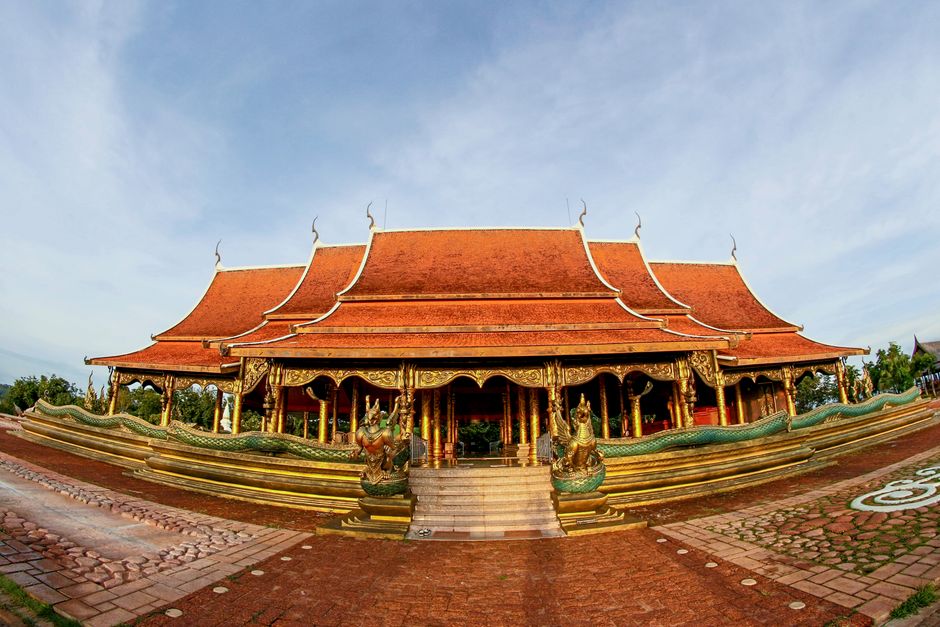
Stunning Buddhist temple with red roof and gold accents in a serene park setting, Khao Yai National Park, Thailand
FAQs: Your Khao Yai National Park, Thailand Questions Answered
1. Is Khao Yai National Park, Thailand safe at night?
Inside the park after 6 PM, it is only safe on organized night safaris with guides. The jungle is home to wild animals. In surrounding towns like Pak Chong, general safety is good, but exercise normal precautions like avoiding dark, isolated areas. Driving on mountain roads at night requires extra caution.
2. What currency is used and are credit cards accepted?
The Thai Baht (THB) is the currency. While resorts and larger restaurants accept credit cards, you must carry ample cash for park entry fees, roadside vendors, local songthaews, and most guides. ATMs are readily available in Pak Chong.
3. How do I get from the airport to the park?
From Bangkok airports, pre-booking a private transfer (2,000-3,000 THB) is the most convenient direct option. Alternatively, take an airport taxi to Mo Chit Bus Station, then a public bus to Pak Chong (~150 THB), and a local songthaew to your hotel. Book airport transfers at GetYourGuide for convenience.
4. Do I need to speak the local language?
No

