
Kgalagadi Transfrontier Park, Botswana: Incredible Predators, Red Dunes & Star-Filled Skies (2026)
Sunset in the Kgalagadi reveals a world painted in fire. The ancient, rust-red dunes glow as if lit from within, while the dry riverbeds, or *omiramba*, stretch like silver scars across the land. The air, still and silent, is suddenly pierced by the deep, resonant roar of a lion—a sound that travels for miles across this 38,000 square kilometer transfrontier wilderness shared by Botswana and South Africa. This isn’t just a park; it’s an elemental experience of Africa’s raw, untamed soul.
Why Kgalagadi Transfrontier Park, Botswana Stands Out

Adorable young lion cub exploring the sandy terrain of Africa’s wild., Kgalagadi Transfrontier Park, Botswana
- Historic Architecture: The iconic !Xaus Lodge, built in 2002, is a community-owned masterpiece of sustainable design, blending seamlessly into the landscape while supporting the local Khomani San and Mier communities.
- Cultural Scene: The ancient traditions of the Khomani San Bushmen, who have inhabited this desert for over 20,000 years, offer profound insights into survival and symbiosis with one of Earth’s harshest environments.
- Local Specialties: After a long game drive, you must try a traditional *braai* (barbecue) under the stars, often featuring succulent game meats like springbok or kudu, a true taste of the Kalahari.
Pro Tip: The absolute prime time for predator sightings is the dry winter season from May to September. Animals congregate at the scarce waterholes, making for incredible, concentrated wildlife viewing, especially in the early mornings (6:00-9:00 AM) and late afternoons (4:00-6:30 PM).
Map of Kgalagadi Transfrontier Park, Botswana
Use these interactive maps to explore Kgalagadi Transfrontier Park, Botswana and plan your route:
📍 View Kgalagadi Transfrontier Park, Botswana on OpenStreetMap
🗺️ Open Kgalagadi Transfrontier Park, Botswana in Google Maps
Planning Your Trip: Practical Essentials
Getting There and Around
- By Air: Fly into Upington Airport (UTN) in South Africa, a 2.5-hour drive from the Twee Rivieren gate. Air Link offers regular flights from Johannesburg. From there, you’ll need a pre-booked 4×4 transfer or rental. Book flights at Skyscanner for best deals.
- By Train: No direct rail service exists. The classic overland route is a scenic drive from Johannesburg or Windhoek, making the journey part of the adventure.
- By Car: A high-clearance 4×4 vehicle is NOT optional—it is mandatory for exploring the park’s deep sand tracks. Book well in advance, especially for peak season. Compare car rentals at RentalCars.com.
- Local Transport: Within the park, your 4×4 is your only transport. There are no shops or fuel between the three main rest camps (Twee Rivieren, Mata-Mata, Nossob), so fill up at every opportunity.
Best Time to Visit
Your experience in the Kgalagadi is dramatically shaped by the season. The dry winter offers unparalleled game viewing, while the green summer transforms the desert into a birder’s paradise, albeit with intense heat.
| Season | Weather | Highlights |
|---|---|---|
| Dry Winter (May–Sep) | Days: 20-25°C (68-77°F); Nights: Can drop below freezing. Clear, sunny, no rain. | Exceptional predator sightings at waterholes, comfortable daytime temps, peak tourist season. |
| Hot Summer (Dec–Feb) | Extremely hot, 35-45°C (95-113°F). Afternoon thunderstorms likely. | Lush green landscape, migratory birds, newborn animals, very few visitors. |
| Shoulder (Mar–Apr/Oct–Nov) | Variable; warm days (25-35°C) and cooler nights. Chance of rain in Nov. | Good balance of wildlife and scenery, fewer crowds than peak winter, beautiful light. |
Budgeting for Kgalagadi Transfrontier Park, Botswana

A honey badger carries its young across the grasslands of Kgalagadi Transfr…, Kgalagadi Transfrontier Park, Botswana
| Category | Budget | Mid-range | Luxury |
|---|---|---|---|
| Accommodation | Camping: $25-$40 pp/night | Park Chalets: $100-$180/night | Private Lodges (e.g., !Xaus): $500-$800 pp/night (all-inclusive) |
| Meals | Self-catering from your vehicle | Restaurant meals in camps: $15-$30 per meal | Gourmet meals included at luxury lodges |
| Transport | 4×4 Rental Split: $60-$100 pp/day | Guided Safari Vehicle Transfer | Private guided safari with dedicated vehicle & guide |
| Activities | Self-drive safari (park fees: ~$15 pp/day) | Sunset drives ($25 pp), Guided walks ($30 pp) | Private guided full-day safaris, cultural tours with San Bushmen |
| Daily Total | $100-$180 pp/day | $250-$400 pp/day | $700-$1000+ pp/day |
Top Attractions and Must-See Sights
| Attraction | Description | Hours | Entry Fee |
|---|---|---|---|
| Self-Drive Along the Nossob River Valley | The park’s premier route for spotting the famous black-maned Kalahari lions, cheetahs, and vast herds of springbok and gemsbok. | Gate Times: Apr-Sep: 6:30 AM-6:30 PM; Oct-Mar: 5:30 AM-7:30 PM | Conservation Fee: ~$15 per adult, per day |
| The Waterholes (Dikbaardskolk, Samevloeiing) | Strategic spots where wildlife drama unfolds; your best chance to see predators in action, especially in winter. | Accessible during gate hours | Included in park fee |
| !Xaus Lodge Cultural Experience | A community-owned lodge offering authentic guided walks with Khomani San trackers, sharing ancient survival skills and stories. | Activities scheduled by lodge | Part of lodge stay; day visits sometimes possible (~$100) |
| Stargazing from Your Campsite | With zero light pollution, the Kgalagadi is an International Dark Sky Park, offering a breathtaking, unobstructed view of the Milky Way. | After sunset | Free |
3-Day Itinerary: Kgalagadi Transfrontier Park, Botswana’s Highlights & Hidden Gems
Day 1: Arrival & Acclimation to the Red Dunes
- Morning (7-9 AM): Enter at Twee Rivieren gate right at opening. Complete check-in, finalize supplies, and attend the mandatory orientation briefing. Fuel your vehicle completely.
- Afternoon (12-3 PM): Take an introductory drive along the Auob River Road to Mata-Mata. Stop at waterholes like Rooiputs. Have a packed lunch at a scenic picnic spot. Look for sociable weaver bird nests and pale chanting goshawks.
- Evening (6-8 PM): Check into your chalet or campsite at Mata-Mata. Join the organized Sunset Drive (book ahead, ~$25) for a chance to see nocturnal activity. Enjoy a hearty dinner at the camp restaurant, trying the kudu steak.
Day 2: Predator Quest in the Heart of the Kalahari
- Morning (5:30 AM): Pre-dawn departure for the 5-hour loop from Mata-Mata to Kamqua waterhole and back. This is prime cheetah territory. Bring coffee and rusks for a sunrise break on the dunes.
- Afternoon (12-3 PM): Return to camp for a rest during the hottest hours. Alternatively, sit quietly at the Mata-Mata waterhole hide, where gemsbok and bat-eared foxes often visit.
- Evening (4 PM): Drive north on the Nossob River Road towards Dikbaardskolk waterhole. The late light is magical for photography. Return after gate closing time, keeping an eye out for aardwolf or brown hyena on the road.
Day 3: Cultural Depths & Starry Farewells
- Morning (7 AM): Depart Mata-Mata for Twee Rivieren via the Upper Dune Road for a different perspective. Stop at the Auchterlonie Museum, a small but fascinating display on park history and ecology.
- Afternoon (12 PM): If time allows, take a guided walk from Twee Rivieren (~$30) to learn about the smaller desert ecology—tracking, plants, insects. Have a final lunch at the Twee Rivieren restaurant.
- Evening: For your last night, book a “Braai under the Stars” experience if available, or simply cook at your campsite and marvel at the profound silence and the brilliant celestial display overhead—a fitting farewell to the wild Kgalagadi.
Cultural Insights & Etiquette
- Language: English and Afrikaans are widely spoken at the camps. Learning a few Setswana greetings like “Dumela” (Hello) or “Ke a leboga” (Thank you) is appreciated.
- Customs: Always greet people politely. When interacting with San community members, be respectful and patient; listen more than you speak to honor their oral storytelling tradition.
- Tipping: For guided activities, a tip of 50-100 Pula (~$4-$8) per guide per day is standard if service was good. For restaurant staff, 10% is customary.
- Dress Code: Neutral, earth-toned clothing (khaki, green, brown) is best for wildlife viewing. Evenings get very cold in winter—pack a down jacket, beanie, and gloves.
- Business Hours: Camp reception and shops operate within park gate hours. Everything shuts down promptly. Plan to be back at your camp well before gate closing time.
Where to Eat: Kgalagadi Transfrontier Park, Botswana’s Best Bites
Dining in the Kgalagadi is about practicality and atmosphere. Most visitors self-cater, but the park-run restaurants offer reliable, hearty meals. The true specialty is the *braai*, a social and culinary ritual best enjoyed at your campsite under the vast sky.
Must-Try Local Specialties
- Game Meat Braai: Springbok sausage or kudu chops, grilled over wood coals. Buy the meat from camp shops or bring your own. The secret is a simple marinade of olive oil, rosemary, and salt.
- Potjiekos: A slow-cooked stew made in a three-legged cast-iron pot, often prepared on guided safari overnights. It’s a delicious, communal dish.
- Rusks & Biltong: These are your essential safari snacks. Hard, dry rusks are dipped in coffee, and biltong (spiced, dried meat) is perfect protein for long drives.
Restaurant Recommendations by Budget
| Type | Restaurant | Specialty | Price Range |
|---|---|---|---|
| Budget | Your Campsite Braai | Self-cooked feast under the stars | $10-$15 pp for groceries |
| Mid-range | Twee Rivieren Restaurant | Consistent set-menu dinners and breakfast buffets | $15-$25 per meal |
| Fine dining | !Xaus Lodge Dining Deck | Gourmet, plated meals with stunning pan views, included in stay | Part of lodge package |
Where to Stay
Accommodation defines your Kgalagadi experience. Choices range from basic campsites to luxurious lodges, but all must be booked far in advance—often a year for peak periods. Compare prices and book at Booking.com for some lodges, but note that most park chalets are booked directly through the Botswana or South African national parks websites.
Best Areas for Accommodation
- Twee Rivieren (South): The largest camp with a swimming pool, shop, and restaurant. Best for first-timers and those wanting full facilities. Less remote feeling.
- Mata-Mata & Nossob (Central): These classic riverbed camps offer a perfect balance of comfort (chalets, shops) and wild immersion. Ideal bases for exploring the prime game-viewing routes.
- Wilderness Camps (e.g., Gharagab, Kieliekrankie): For the truly adventurous. These are remote, unfenced camps with only a few units. You’ll feel completely alone in the wilderness, with incredible privacy and night sounds.

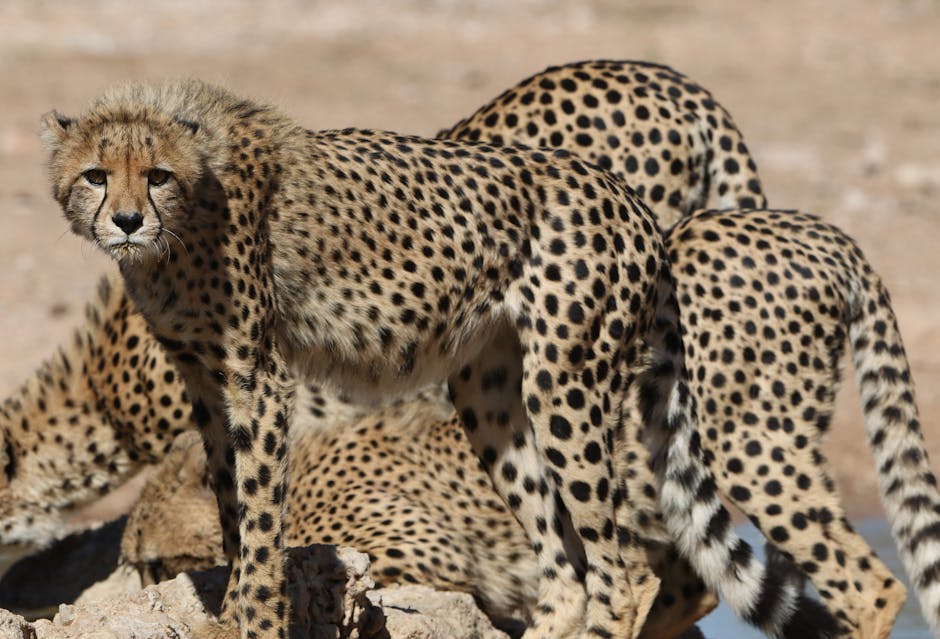
Cheetah cubs play energetically on a sandy track in the Kalahari Desert., Kgalagadi Transfrontier Park, Botswana
FAQs: Your Kgalagadi Transfrontier Park, Botswana Questions Answered
1. Is Kgalagadi Transfrontier Park, Botswana safe at night?
Inside the fenced rest camps, yes. However, this is a wilderness with dangerous animals. Never walk around camps at night; use a flashlight and stay alert. Never get out of your vehicle outside designated camps or picnic spots. Follow all park rules—they exist for your safety.
2. What currency is used and are credit cards accepted?
South African Rand (ZAR) is accepted everywhere, including the Botswana side. Some camps may also accept Botswana Pula (BWP). Credit cards (Visa/Mastercard) are accepted at the main camp shops and restaurants, but always carry sufficient cash for emergencies, fuel (which is cash-only at some pumps), and tips.
3. How do I get from the airport to the park?
From Upington Airport (UTN), it’s a 250km, 2.5-hour drive to the Twee Rivieren gate. You must have a pre-booked 4×4 rental or a private transfer. There is no public transport. Book airport transfers at GetYourGuide for convenience, or arrange directly with safari companies.
4. Do I need to speak the local language?
Not at all. English is perfectly sufficient for all interactions with park staff, in camps, and on guided tours. Learning a few basic phrases in Afrikaans or Setswana is a friendly gesture but not necessary.
5. What’s the appropriate dress code?
Practical and neutral-colored safari wear is the dress code 24/7. Think convertible pants, breathable shirts, a wide-brimmed hat, and sturdy closed shoes. Even in summer, pack a warm layer for early mornings. For lodges, “smart casual” is fine for dinner—no need for formal wear.

