
Kavango-Zambezi Transfrontier Park, Zambia: Essential Wildlife, Waterways & Unbounded Wilderness (2026)
While crowds flock to the well-trodden safari circuits of Kruger or the Serengeti, the Kavango-Zambezi Transfrontier Conservation Area (KAZA) delivers an unparalleled sense of raw, unfenced adventure across an area larger than Germany. Here, you won’t just see a herd of elephants; you’ll witness the world’s largest population of them—over 250,000—roaming freely across the borders of five nations. This is conservation on a continental scale, and your visit directly supports a visionary project to reconnect ancient wildlife corridors.
Why Kavango-Zambezi Transfrontier Park, Zambia Stands Out

Two crocodiles resting on the muddy riverbank of the Zambezi River in Zambia, Kavango-Zambezi Transfrontier Park, Zambia
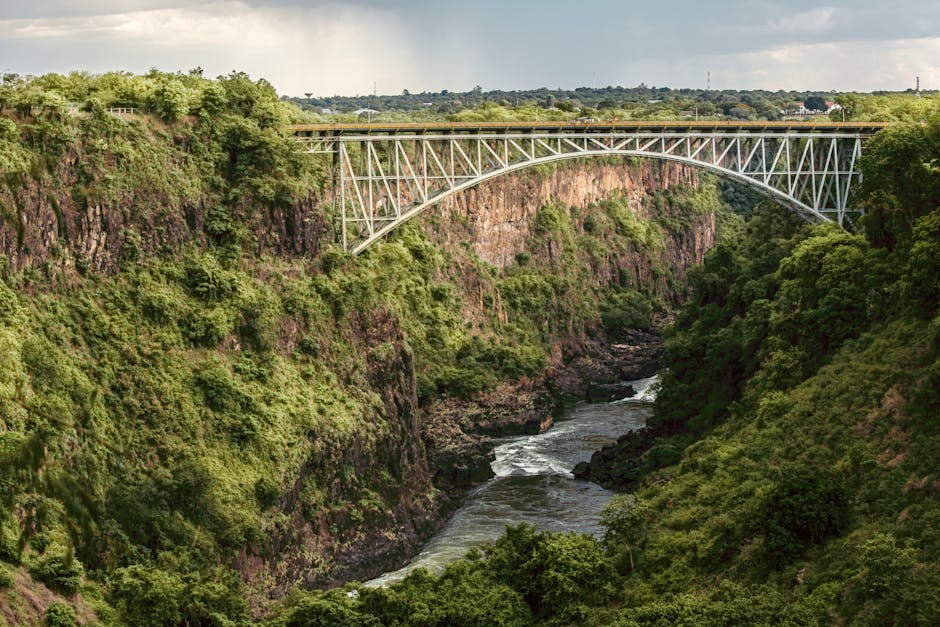
- Historic Architecture: The 1905-built Victoria Falls Bridge, connecting Zambia to Zimbabwe, is a masterpiece of Edwardian engineering offering dizzying views of the “Smoke that Thunders.”
- Cultural Scene: The annual Kuomboka Ceremony of the Lozi people, a majestic water-borne procession of the Litunga (king) moving from floodplain to higher ground, is a living pageant of drums, paddlers, and royal barges.
- Local Specialties: Don’t miss trying *Chikanda*, a unique Zambian delicacy made from wild orchid tubers, peanuts, and chili, often called “African polony.”
Pro Tip: For the ultimate safari value with minimal crowds, target the shoulder months of May and October. You’ll enjoy dry, pleasant weather, excellent wildlife viewing as animals congregate near permanent water, and significantly lower lodge rates compared to the peak June-August season.
Map of Kavango-Zambezi Transfrontier Park, Zambia
Use these interactive maps to explore Kavango-Zambezi Transfrontier Park, Zambia and plan your route:
📍 View Kavango-Zambezi Transfrontier Park, Zambia on OpenStreetMap
🗺️ Open Kavango-Zambezi Transfrontier Park, Zambia in Google Maps
Planning Your Trip: Practical Essentials
Getting There and Around
- By Air: Most travelers fly into Harry Mwanga Nkumbula International Airport (LVI) in Livingstone, Zambia. Key airlines include Proflight Zambia, South African Airways, and Ethiopian Airlines. From the airport, your best bet is a pre-booked transfer from your lodge or a taxi (approx. $25 to town). Book flights at Skyscanner for best deals.
- By Train: While not a primary tourist option, the Tazara Railway connects Zambia to Dar es Salaam, Tanzania. For regional travel within Zambia, the Lusaka-Livingstone overnight sleeper train offers a classic, slow-travel adventure. Reserve tickets at Trainline or the national railway website.
- By Car: A 4×4 vehicle is essential for exploring the park’s interior tracks. The main gateway from Livingstone to areas like Sioma Ngwezi National Park is via the M10 and M9 roads. Driving is on the left. Compare car rentals at RentalCars.com.
- Local Transport: Within Livingstone, taxis are readily available. To access remote parts of KAZA, your only practical options are guided safari vehicles or chartered flights to bush airstrips. There is no public transport within the park itself.
Best Time to Visit
The best time to visit hinges on your priorities: dry season for prime wildlife viewing or green season for lush landscapes and birding.
| Season | Weather | Highlights |
|---|---|---|
| Dry Season (May–Oct) | Sunny, warm days (20-30°C), cool nights. Virtually no rain. | Peak wildlife viewing at waterholes, Victoria Falls has less spray for clear views, high season crowds & prices. |
| Green Season (Nov–Apr) | Hot, humid with frequent afternoon thunderstorms (25-35°C). | Lush scenery, spectacular birdlife, newborn animals, low season rates, but some roads may be impassable and mosquitoes are prevalent. |
| Shoulder (Apr–May/Oct–Nov) | Transitional; warm with sporadic rain. | A sweet spot with good weather, thinning crowds, and lower prices as seasons change. |
Budgeting for Kavango-Zambezi Transfrontier Park, Zambia

Breathtaking aerial view of Victoria Falls surrounded by lush greenery duri…, Kavango-Zambezi Transfrontier Park, Zambia
| Category | Budget | Mid-range | Luxury |
|---|---|---|---|
| Accommodation | $30-80 (camping/basic lodge) | $150-350 (comfortable safari lodge) | $500-1,500+ (all-inclusive luxury camp) |
| Meals | $10-15 (local eateries, self-catering) | $25-50 (lodge restaurant) | Included in luxury rates |
| Transport | $50/day (shared transfers/rental car split) | $100-200/day (private 4×4 transfers) | $300+/day (private charter flights) |
| Activities | $30-100 (self-drive park fees, walking tours) | $150-300 (guided game drives, boat cruises) | $400+ (helicopter flights, private guides) |
| Daily Total | $120-250 | $425-900 | $1,200+ |
Top Attractions and Must-See Sights
| Attraction | Description | Hours | Entry Fee |
|---|---|---|---|
| Victoria Falls (Mosi-oa-Tunya) | Experience one of the Seven Natural Wonders from the Zambian side, walking the knife-edge bridge for a soaking, immersive perspective. | 6:00 AM – 6:00 PM | $20 USD (Day Trip) |
| Sioma Ngwezi National Park | A remote, wild section of KAZA known for large herds of roan antelope and rare wild dogs, offering a true wilderness experience. | Sunrise to Sunset | $25 USD (Vehicle + per person) |
| Zambezi River Sunset Cruise | Spot hippos, crocodiles, and elephants from the water while enjoying a sundowner on Africa’s fourth-longest river. | Departs 4:00 PM (2-3 hrs) | $50-80 USD |
| Devil’s Pool & Livingstone Island | During the dry season (Aug-Jan), take a thrilling swim to the very lip of Victoria Falls at this iconic natural infinity pool. | Tours at 9, 11, 13, 15 | $95 USD (includes tour & lunch) |
3-Day Itinerary: Kavango-Zambezi Transfrontier Park, Zambia’s Highlights & Hidden Gems
Day 1: The Power of the Falls & River Life
- Morning (7-9 AM): Be at the Victoria Falls park entrance at opening to beat the heat and crowds. Walk the trails to the Eastern Cataract and the main falls viewpoint. The morning light creates perfect rainbows. Expect to get very wet from the spray—a waterproof poncho is essential.
- Afternoon (12-3 PM): Enjoy a relaxed lunch at The Lookout Cafe, perched 120 meters above the Batoka Gorge, for stunning views and their signature crocodile burger (if you’re feeling adventurous). Afterwards, visit the nearby craft market for local souvenirs.
- Evening (6-8 PM): Embark on a classic Zambezi River Sunset Cruise from Livingstone. Operators like Lady Livingstone offer excellent buffets and drinks. This is prime time for photography and spotting elephants coming to drink. Follow with dinner at Olga’s Italian Corner, a local institution for hearty pasta.
Day 2: Deep into the Wilderness
- Morning (5:30 AM): Depart early for a full-day guided safari into Sioma Ngwezi National Park ($180-250 per person). The 4-hour drive is part of the adventure. Your guide will track wildlife and explain the vital KAZA corridor conservation efforts. Pack binoculars.
- Afternoon (12-3 PM): Enjoy a packed bush lunch at a scenic spot within the park, often by the Kwando River. Listen for the call of the African fish eagle—the iconic sound of African waterways.
- Evening (6-8 PM): Return to Livingstone, dust-covered and exhilarated. For a relaxed evening, head to Fez Bar for their famous pizza and a cold Mosi Lager, sharing stories with other travelers.
Day 3: Culture, Crafts & Adrenaline
- Morning (8 AM): Take a cultural tour to the nearby Mukuni Village ($25), the home of the Leya people. This isn’t a show—it’s a living village. Your visit supports the community directly. Then, visit the Tongabezi Trust School to see community-based tourism in action.
- Afternoon (12-3 PM): Have lunch at Cafe Zambezi for excellent local fare like grilled tilapia and *nshima* (maize porridge). Then, choose your adventure: either a guided tour to Livingstone Island and Devil’s Pool (if water levels permit) or a visit to the Livingstone Museum to delve into regional history.
- Evening (6-8 PM): For your final night, book the “Dinner on the Train” experience aboard the historic Royal Livingstone Express ($195), a fine-dining safari on rails, or enjoy a farewell dinner at The Royal Livingstone Hotel’s waterside terrace for a chance to see grazing wildlife on the hotel lawns.
Cultural Insights & Etiquette
- Language: English is the official language, but learning a few Bemba or Lozi phrases like “Muli shani?” (How are you?) and “Natotela” (Thank you) will earn warm smiles.
- Customs: Always greet people before launching into requests or questions. Use your right hand or both hands to give or receive items, never the left hand alone. When visiting villages, always ask permission before taking photographs of people.
- Tipping: Tipping is appreciated. For guides, $10-15 per person per day is standard. For restaurant staff, 10% is fine if service isn’t included. For porters, $1-2 per bag is appropriate.
- Dress Code: Smart-casual is fine in towns and lodges. For village visits, modest dress (covering shoulders and knees) is respectful. Neutral, earth-toned clothing (khaki, green, brown) is best for safaris.
- Business Hours: Shops generally open 8:00 AM-5:00 PM weekdays, with shorter hours Saturday. Most places are closed Sunday. Major public holidays like Independence Day (Oct 24) will see closures.
Where to Eat: Kavango-Zambezi Transfrontier Park, Zambia’s Best Bites
Zambian cuisine is hearty and centered around *nshima*, a stiff maize porridge served with *ndiwo* (relish). In Livingstone, you’ll find a fantastic mix of traditional eateries and international restaurants catering to the tourist trade.
Must-Try Local Specialties
- Nshima with Kapenta: The staple meal, *nshima*, served with tiny, dried sardines (kapenta) in a tomato and onion sauce. For an authentic experience, try it at a local eatery like Fortunate’s Food.
- Grilled Tilapia: Fresh from the Zambezi, this flaky white fish is often grilled whole with lemon and herbs. Best enjoyed at riverside spots like The Waterfront.
- Ifisashi: A delicious vegetarian dish of leafy greens (like pumpkin leaves or rape) cooked in a rich, ground peanut sauce, served with *nshima*. Most lodges will serve a version of this.
Restaurant Recommendations by Budget
| Type | Restaurant | Specialty | Price Range |
|---|---|---|---|
| Budget | Zambezi House Cafe (Livingstone) | Fresh sandwiches, salads, and excellent coffee in a garden setting. | $5-10 |
| Mid-range | Kubu Cafe (Livingstone) | Creative fusion tapas, great cocktails, and a lively atmosphere. | $15-30 |
| Fine dining | The Royal Livingstone Hotel (Sun Deck) | Exquisite à la carte dining with uninterrupted views of the Zambezi at sunset. | $50+ |
Where to Stay
Accommodation ranges from riverside campsites to ultra-luxurious safari lodges. Most visitors base themselves in or near Livingstone for access to Victoria Falls and tour operators, while true wilderness seekers head to remote bush camps within the park. Compare prices and book at Booking.com or Airbnb for apartments in Livingstone.
Best Neighborhoods for Accommodation
- Livingstone Town: The main urban hub. Pros: Wide range of hotels, restaurants, and tour operators. Easy access to the Falls. Cons: Less of a “wilderness” feel, can be busy.
- Zambezi Riverside (Upstream): Area along the river north of the Falls. Pros: Stunning locations, peaceful, often with wildlife on the property. Cons: More expensive, requires transfers to town.
- Remote Bush Camps (e.g., Sioma Ngwezi): Located deep within the KAZA wilderness. Pros: Total immersion, exclusive wildlife viewing, incredible night skies. Cons: Very expensive, accessed by charter flight or long 4×4 drive, limited connectivity.

Stunning view of Victoria Falls Bridge surrounded by cliffs and a vibrant r…, Kavango-Zambezi Transfrontier Park, Zambia
FAQs: Your Kavango-Zambezi Transfrontier Park, Zambia Questions Answered
1. Is Kavango-Zambezi Transfrontier Park, Zambia safe at night?
In the wilderness camps and lodges, you are very safe. In Livingstone town, exercise normal city precautions: avoid walking alone at night in poorly lit areas, use registered taxis, and keep valuables secure. Your lodge can advise on safe areas. Wildlife safety is paramount—always follow your guide’s instructions and never walk alone outside camp perimeters at night.
2. What currency is used and are credit cards accepted?
The Zambian Kwacha (ZMW) is the local currency. US Dollars are widely accepted for tourism activities, park fees, and at larger lodges. It’s wise to carry some Kwacha for smaller purchases, markets, and local restaurants. Credit cards (Visa/Mastercard) are accepted at most hotels and larger businesses, but always have cash as a backup, especially in remote areas.
3. How do I get from the airport to the city center?
Harry Mwanga Nkumbula International Airport (LVI) is about 6km from Livingstone center. Your best options are a pre-arr

