
Katavi, Tanzania’s Hidden Solitude, Super-Herds & Untamed Wilderness (2026)
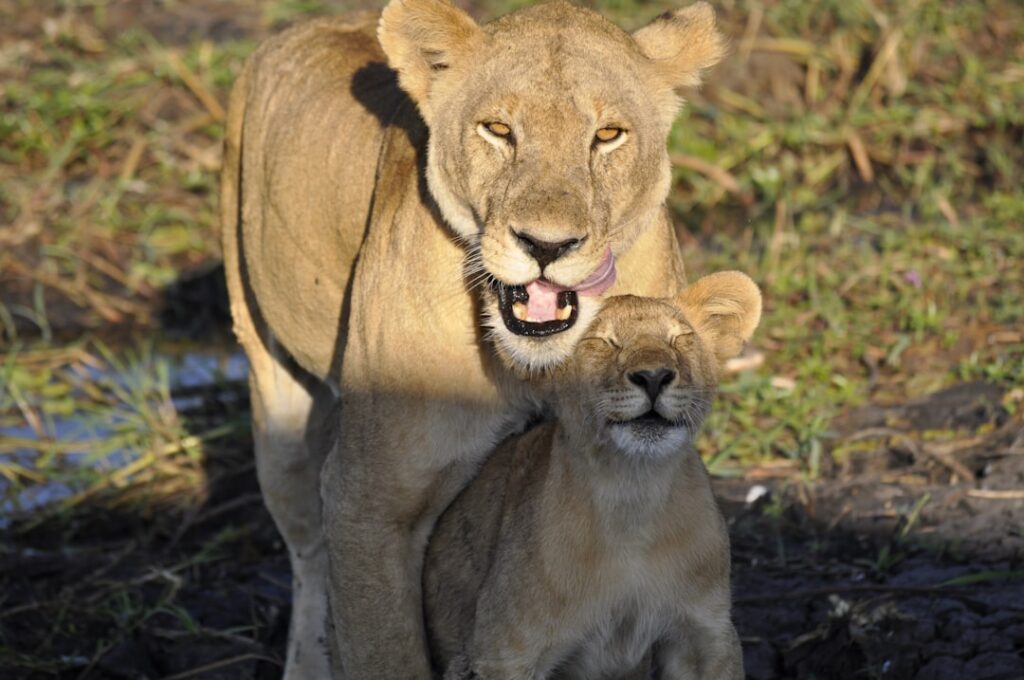
While over 1.5 million visitors head to the northern Serengeti each year, fewer than 1,000 make it to Katavi National Park. This staggering statistic isn’t a sign of a lack of wonder, but a testament to its raw, exclusive nature. Here, you won’t jostle for a view of a lion; you’ll have entire prides to yourself, watching dramas unfold on a stage of vast floodplains and ancient woodlands untouched by the modern tourism circuit.
Why Katavi, Tanzania Stands Out

Scenery of sunset, Katavi, Tanzania
- Historic Architecture: The park’s landscape itself is a monument, shaped by the Great Rift Valley’s tectonic forces over millions of years, with the Katuma River acting as its lifeblood and architect.
- Cultural Scene: The authentic experience is witnessing the ancient migration patterns of buffalo and elephant, a timeless spectacle of nature’s rhythm that defines the region’s true culture.
- Local Specialties: After a game drive, savor a sundowner of fine South African wine or a cold Serengeti beer while watching hippos grumble in the mud, a classic safari ritual perfected here.
Pro Tip: The absolute prime time is late August through October. The dry season concentrates wildlife at the few remaining water sources, like the Katuma River and Lake Chada, creating phenomenal, predator-rich viewing opportunities you’ll have virtually to yourself.
Map of Katavi, Tanzania
Use these interactive maps to explore Katavi, Tanzania and plan your route:
📍 View Katavi, Tanzania on OpenStreetMap
🗺️ Open Katavi, Tanzania in Google Maps
Planning Your Trip: Practical Essentials
Getting There and Around
- By Air: You’ll fly into Mpanda Airport (XMI), served by regional carriers like Auric Air and Coastal Aviation from Dar es Salaam, Arusha, or the Serengeti. Your lodge will arrange a transfer. Book connecting flights at Skyscanner for best deals.
- By Train: There is no direct passenger train service to Katavi National Park. The famous TAZARA railway runs south of the park to Mbeya, requiring a long, rough road transfer—not recommended for most travelers.
- By Car: A 4×4 is mandatory. The drive from Dar es Salaam is a demanding 2-3 day journey (~1,200km) on variable roads. Self-driving is for experts only; most visitors book fly-in packages. Compare 4×4 rentals at RentalCars.com if you’re planning an extended Tanzanian road trip.
- Local Transport: Your only transport within the park is a guided 4×4 safari vehicle provided by your lodge or tour operator. There is no public transport.
Best Time to Visit
Timing is everything in Katavi. The park’s cycle of wet and dry dramatically transforms the landscape and dictates wildlife visibility. The dry season is king for game viewing, while the green season offers lush beauty and birding.
| Season | Weather | Highlights |
|---|---|---|
| Dry Season (Jun–Oct) | Hot, sunny days (25-30°C/77-86°F), cool nights, virtually no rain. | Peak wildlife viewing at waterholes, super-herds of buffalo, excellent predator action, very low tourist numbers. |
| Wet Season (Nov–May) | Warm with heavy rains, especially Mar-May. High humidity, lush greenery. | Beautiful landscapes, migratory bird species (over 400 species), calving season for herbivores, lowest rates but some roads may be impassable. |
| Shoulder (Late May/Early Nov) | Transitional; short rains or beginning of dry spell, temperatures pleasant. | A good balance of accessibility and value, with wildlife still relatively concentrated as water sources begin to dry up or refill. |
Budgeting for Katavi, Tanzania

A group of lions lying down, Katavi, Tanzania
| Category | Budget | Mid-range | Luxury |
|---|---|---|---|
| Accommodation | $150-$250/night (basic tented camp) | $400-$700/night (comfortable lodge) | $800-$1,500+/night (top-tier safari camp) |
| Meals | Included in camp/lodge rate | Included in lodge rate | Included, often gourmet |
| Transport | Charter flight ~$400-600 return | Charter flight included in package | Private charter included |
| Activities | Shared game drives included | Shared game drives, walking safaris | Private vehicle, night drives, fly-camping |
| Daily Total | $250-$400+ | $600-$1,000+ | $1,200-$2,000+ |
*Note: Katavi is almost exclusively experienced on all-inclusive packages covering lodging, meals, activities, and park fees. “Budget” is relative here.
Top Attractions and Must-See Sights
| Attraction | Description | Hours | Entry Fee |
|---|---|---|---|
| Katuma River & Floodplains | The park’s lifeline; witness hundreds of hippos, colossal crocodiles, and vast herds coming to drink. | Daylight hours (6 AM – 6 PM) | Included in Park Fee ($82/day for adults, $23 for kids 5-15) |
| Lake Chada & Lake Katavi | Seasonal lakes that attract staggering concentrations of waterbirds and mammals during the dry season. | Daylight hours | Included in Park Fee |
| Ikuu Bridge | A strategic viewpoint over the Katuma River, perfect for observing hippo pods and crossing wildlife. | Daylight hours | Included in Park Fee |
| Tampered (Sausage) Tree Forests | Walk among these ancient, bizarre trees; look for leopards resting in the branches and listen for birdcalls. | On guided walks only | Included in activity cost |
3-Day Itinerary: Katavi, Tanzania’s Highlights & Hidden Gems
Day 1: Arrival & Riverine Wonders
- Morning: Catch an early charter flight from Arusha, landing at Mpanda Airstrip by 10 AM. Your guide meets you for a transfer to your lodge with an immediate game drive en route.
- Afternoon: Settle in with lunch at your camp (like Katavi Wildlife Camp or Chada Katavi). At 4 PM, embark on an evening game drive to the Katuma River floodplains. Your guide will find a scenic spot for a sundowner as hippos begin their nocturnal chorus.
- Evening: Enjoy a bush dinner under the stars at your lodge, listening to the sounds of the African night.
Day 2: Super-Herds & Seasonal Lakes
- Morning: Pre-dawn coffee before a 6:30 AM game drive. Head to the Chada Plains to search for the famous buffalo herds, which can number over 1,000 strong. Watch for lions shadowing them.
- Afternoon: Return to camp for a leisurely lunch and siesta. At 3:30 PM, take a guided walking safari ($50-$80 per person) near camp for a micro-view of tracks, insects, and plants.
- Evening: Opt for a night drive (if your camp offers it) to spot genet cats, porcupines, and hyenas on the prowl before a final campfire dinner.
Day 3: Woodland Secrets & Departure
- Morning: A final game drive focuses on the woodland areas around the Sausage Tree forests for leopard and elephant. Visit the Ikuu Bridge for a last look at the river drama.
- Afternoon: Enjoy a farewell lunch at your camp before transferring back to Mpanda Airstrip for your afternoon charter flight, reflecting on the profound solitude and raw beauty you’ve witnessed.
- Evening: Connect to your international flight from Dar es Salaam or Arusha, or extend your journey to the remote Mahale Mountains for chimpanzee trekking.
Cultural Insights & Etiquette
- Language: Swahili is the national language. Guides speak excellent English. Learn a few phrases: “Jambo” (Hello), “Asante sana” (Thank you very much), “Habari?” (How are you?).
- Customs: Always greet people politely. Ask permission before photographing local people in villages outside the park. Respect your guide’s knowledge and safety instructions absolutely.
- Tipping: Tipping is customary. A guideline is $15-$20 per day for your guide and $10-$15 per day for the general camp staff, per guest, usually given at the end of your stay.
- Dress Code: Neutral-colored clothing (khaki, green, brown) is best for game viewing. Evenings can be cool—bring a fleece. Smart-casual is fine for lodge dinners.
- Business Hours: Safari days run on dawn-to-dusk rhythms. Park gates open at 6 AM and close at 6 PM. Lodges operate on full-board schedules.
Where to Eat: Katavi, Tanzania’s Best Bites
Dining in Katavi is part of the safari experience. All meals are provided by your lodge, featuring a mix of international and Tanzanian cuisine made with fresh, often locally-sourced ingredients. Meals are social events, often served communally.
Must-Try Local Specialties
- Nyama Choma: Grilled meat, often goat or beef, marinated in local spices. Your lodge may prepare this for a special bush barbecue.
- Ugali: A staple maize porridge, often served with stews. Don’t be shy to try it with your hands, as is traditional.
- Fresh Tropical Fruit: Expect platters of pineapple, mango, and papaya, often grown in Tanzania.
Restaurant Recommendations by Budget
| Type | Restaurant | Specialty | Price Range |
|---|---|---|---|
| Budget | Your Camp’s Dining Mess | Hearty buffet-style meals, bush breakfasts, and afternoon tea. | Included |
| Mid-range | Katavi Wildlife Camp Dining | Well-prepared international dishes with stunning floodplain views. | Included |
| Fine dining | Chada Katavi Under the Stars | Gourmet plated dinners with white linen service in the heart of the wilderness. | Included |
Where to Stay
Accommodation in Katavi is exclusively in safari camps and lodges, ranging from simple to supremely luxurious. They are your base, your dining room, and your connection to the wild. Compare prices and book at Booking.com or specialist safari tour operators.
Best Areas for Accommodation
- Near the Katuma River: Offers constant wildlife action right from your tent veranda, with sounds of hippos day and night. Ideal for first-time visitors.
- Chada Plains Area: Provides a more remote feeling, with sweeping savanna views and excellent access to the big buffalo herds. Perfect for solitude seekers.
- Private Concessions: A few camps are on bordering wildlife management areas, allowing for more flexible activities like night drives and walking safaris outside park hours.

Cheerful woman with a sunflower painting, Katavi, Tanzania
FAQs: Your Katavi, Tanzania Questions Answered
1. Is Katavi, Tanzania safe at night?
Within the confines of your fenced or staff-patrolled safari camp, yes. You will always be escorted to your tent after dark. Never walk around camp alone at night. In the bush, always follow your guide’s instructions—they are trained professionals.
2. What currency is used and are credit cards accepted?
The Tanzanian Shilling (TZS) is the local currency, but US Dollars are widely accepted in the safari industry. Major camps accept Visa and Mastercard, but connectivity can be intermittent. It’s crucial to carry sufficient cash (USD) for park fees if not pre-paid, souvenirs, and tips. Smaller bills ($5, $10, $20) are best for tipping.
3. How do I get from the airport to the city center?
There is no “city center” in Katavi. You will fly into a remote airstrip (Mpanda). A representative from your booked safari lodge or tour operator will be there to meet you with a 4×4 vehicle for the transfer to camp, which is part of your package. Book comprehensive packages at GetYourGuide or through reputable safari companies for convenience.
4. Do I need to speak the local language?
No. All safari guides and camp staff speak fluent English. Learning a few Swahili greetings is appreciated and enhances your interaction with the local team, but it is not required for communication.
5. What’s the appropriate dress code?
Neutral, comfortable, layered clothing for game drives. Pack a wide-brimmed hat, sunglasses, sturdy shoes, and a warm layer for cool morning drives. Evenings at camp are smart-casual; there’s no need for formal wear. Always respect local culture if visiting nearby villages by dressing modestly.
Final Thoughts: Katavi, Tanzania Awaits
Katavi is not a destination for checklist tourism; it’s a pilgrimage for the true safari purist. It offers a rare and precious commodity in our connected world: profound silence and untouched wilderness. Here, the drama of nature plays out on an epic scale, yet your audience is intimate. You’ll return with stories not of crowds, but of encounters that felt personally gifted by the wild. For that unparalleled sense of discovery, where you feel like an explorer rather than a tourist, Katavi is unmatched. Your best bet is to book well in advance, pack your sense of adventure, and prepare to have your definition of a safari forever changed.

