
Kargil, India: Amazing High-Altitude History, Buddhist Serenity & Rugged Himalayan Beauty (2026)
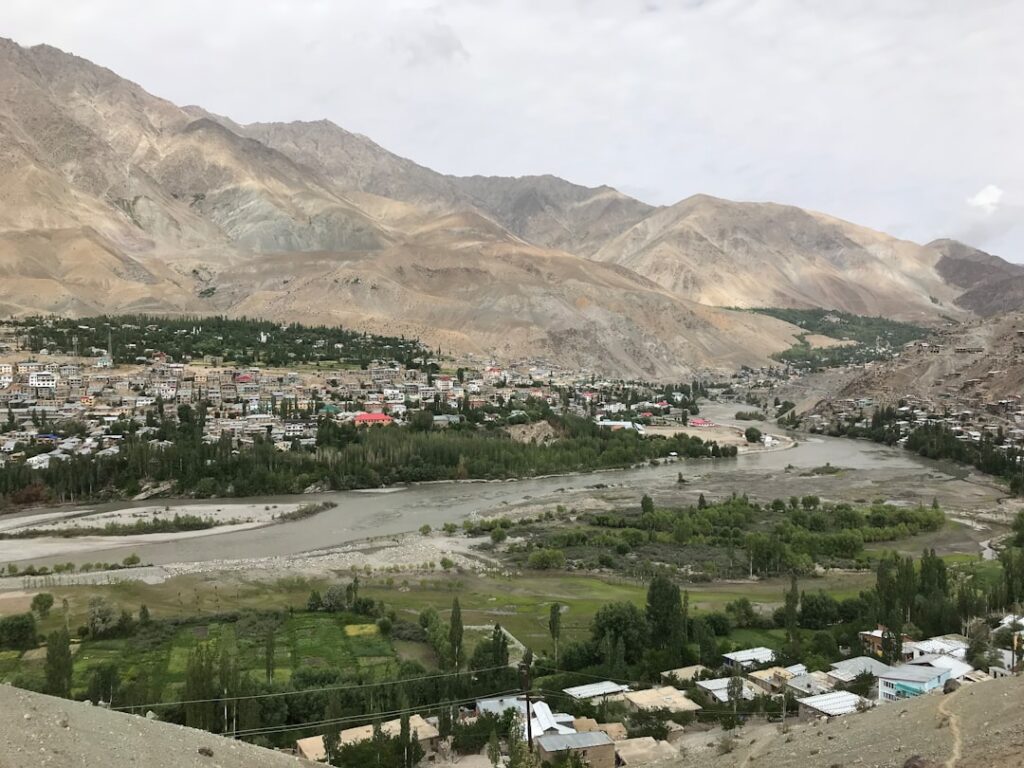
While crowds flock to the honeymoon havens of Srinagar and Leh, Kargil, India delivers a raw, unfiltered slice of Ladakhi culture and some of the subcontinent’s most dramatic landscapes without the tourist throngs. Perched at 2,676 meters along the ancient Silk Road, this town is a living museum of resilience, where the Suru River carves through stark mountains and the echoes of history are as palpable as the crisp mountain air. Here’s why savvy travelers choose this road less traveled.
Why Kargil, India Stands Out

Cable cars over the mountains during daytime, Kargil, India
- Historic Architecture: The 19th-century Mulbekh Maitreya Buddha, a 9-meter tall rock carving from the Kushan period, stands as a serene sentinel on the Srinagar-Leh Highway, blending Indian and Tibetan artistic styles.
- Cultural Scene: The annual Ladakh Festival in September sees Kargil come alive with masked Cham dances, archery competitions, and vibrant processions, a tradition preserved by its Balti and Purig communities.
- Local Specialties: You must try a steaming bowl of *Paba*, a hearty local barley porridge often served with tangy *Tangtur* (a wild leafy vegetable stew), a staple that fuels life in the high mountains.
Pro Tip: Your best bet for clear roads, open passes, and pleasant weather is the short window from mid-May to mid-October. Specifically, aim for late September to early October; the summer tourist rush to Leh has subsided, the air is crystal clear, and you’ll have the stunning Drass valley largely to yourself.
Map of Kargil, India
Use these interactive maps to explore Kargil, India and plan your route through the dramatic Himalayan terrain:
📍 View Kargil, India on OpenStreetMap
🗺️ Open Kargil, India in Google Maps
Planning Your Trip: Practical Essentials
Getting There and Around
- By Air: The nearest airport is in Leh (Kushok Bakula Rimpochee Airport, IXL), about 215 km away. From there, you’ll need a pre-booked taxi (a 6-7 hour journey). Book flights to Leh at Skyscanner for best deals.
- By Train: The closest major railhead is Jammu Tawi (approx. 400 km). From Jammu, you can hire a taxi or take a JKSRTC bus for the scenic but long (2-day) road journey to Kargil. Reserve train tickets at Trainline or the Indian Railways website.
- By Car: The journey is the destination. The Srinagar-Leh Highway (NH-1) passes right through Kargil. This is one of the world’s most spectacular drives, but only attempt it between May and October. Renting a car with a local driver is highly recommended. Compare options at RentalCars.com or book through a local Ladakh tour operator.
- Local Transport: Within Kargil town, shared taxis and auto-rickshaws are available for short hops. For sightseeing to surrounding valleys like Drass or Suru, hiring a taxi for the day (approx. INR 3000-4000) is the most practical option. There are no formal transport passes.
Best Time to Visit
Kargil’s climate dictates its travel season. The high mountain passes, including the famed Zoji La, are snowbound for much of the year, making summer the only viable window for road access. This creates a short, intense season of accessibility and beauty.
| Season | Weather | Highlights |
|---|---|---|
| Summer (Jun–Aug) | Pleasant days (10°C to 25°C), cool nights. Occasional rain. Roads fully open. | Ideal for the classic Srinagar-Leh road trip, trekking in the Suru Valley, and visiting all monasteries. Peak tourist flow, so book accommodation ahead. |
| Winter (Dec–Feb) | Extremely harsh, with temps plunging to -30°C in Drass (often Asia’s coldest). Heavy snow isolates the region. | Only for the most intrepid. The landscape is a breathtaking, silent expanse of white, but travel is severely restricted and facilities are minimal. |
| Shoulder (May & Sep–Oct) | May: Cool, green valleys (5°C-20°C). Sep-Oct: Crisp, sunny days (5°C-18°C), freezing nights. | The golden periods. May offers blooming apricot trees. September and October provide stunning autumn colors, fewer crowds, and incredible visibility for photography. |
Budgeting for Kargil, India

The Kargil War Memorial honor fallen soldiers with mountainous backdrop in …, Kargil, India
| Category | Budget | Mid-range | Luxury |
|---|---|---|---|
| Accommodation | INR 800-1500/night (basic guesthouse) | INR 2000-3500/night (comfortable hotel with heating) | INR 4000+/night (best available hotels with views) |
| Meals | INR 200-400/meal (local dhabas) | INR 400-700/meal (hotel restaurants) | INR 800+/meal (multi-cuisine fine dining) |
| Transport | INR 100-200/day (shared local taxis) | INR 3000-4000/day (private taxi for sightseeing) | INR 5000+/day (private SUV with experienced driver-guide) |
| Activities | Free (scenic drives, village walks) | INR 200-500 (monastery entry, museum fees) | INR 2000+ (guided treks, cultural tours) |
| Daily Total | INR 1500-2500 | INR 6000-9000 | INR 12,000+ |
Top Attractions and Must-See Sights
| Attraction | Description | Hours | Entry Fee |
|---|---|---|---|
| Mulbekh Maitreya Buddha | A magnificent 9th-century rock carving of the future Buddha, showcasing Gandharan artistry, located right on the highway. | Sunrise to Sunset | Free |
| Kargil War Memorial, Drass | A poignant and immaculately maintained tribute to the soldiers of the 1999 war, set against the stark Tiger Hill backdrop. | 9:00 AM – 6:00 PM | Free |
| Shergol Monastery | A stunningly located 17th-century Gompa clinging to a cliffside, offering serene views and ancient Buddhist murals. | 7:00 AM – 5:00 PM | INR 50 |
| Suru Valley | A breathtakingly beautiful valley of green villages, glacial streams, and views of the Nun Kun massif, perfect for scenic drives. | N/A | Free |
3-Day Itinerary: Kargil, India’s Highlights & Hidden Gems
Day 1: History & Heart of Town
- Morning (7-9 AM): Start early with a walk along the Kargil Bazaar. Watch the town wake up, and savor a local breakfast of butter tea and *Khambir* (local bread) at a small tea stall. Your best bet is to simply follow the aroma of fresh bread.
- Afternoon (12-3 PM): Visit the Kargil Museum (also called the Munshi Aziz Bhat Museum) to see a fascinating collection of Silk Road artifacts. For lunch, head to **Ladakh Dhaba** near the main market for a hearty *Thukpa* (noodle soup) and *Momos* (approx. INR 300).
- Evening (6-8 PM): Drive to the nearby **Goma Kargil** viewpoint for a panoramic sunset over the town and the Suru River. Follow this with dinner at **Hotel D’Zojila**, known for its clean, multi-cuisine offerings and warm service.
Day 2: The Drass Valley & Wartime Remembrance
- Morning (8 AM): Hire a taxi for the day (approx. INR 3500) and drive 58 km west to **Drass**, the “Gateway to Ladakh” and one of the coldest inhabited places on Earth. En route, stop at the **Dras War Memorial**.
- Afternoon (12-3 PM): Explore the quiet, rugged beauty of Drass village. Have a simple lunch at **J&K Tourist Cafeteria** in Drass, trying the local *Paba*. Then, if you’re fit and acclimatized, take a short hike for views of the Tololing Peak, a key site from the 1999 conflict.
- Evening (6-8 PM): Return to Kargil. For a cultural evening, ask your hotel if any local homes or cultural centers are hosting a traditional music night—these intimate gatherings are far more authentic than staged shows.
Day 3: Monasteries & The Silk Road Legacy
- Morning (8 AM): Take a taxi east on the Leh highway (INR 2000 round trip). Your first stop is the awe-inspiring **Mulbekh Maitreya Buddha**. Continue 15 km to the cliff-hanging **Shergol Monastery**. Spend time absorbing the profound silence and ancient art.
- Afternoon (12-3 PM): Head back towards Kargil and stop at the village of **Pashkum**. Visit its small, ancient monastery and interact with locals in one of the apricot orchards. Enjoy a packed picnic lunch with views of the Suru Valley.
- Evening (6-8 PM): Your final evening calls for reflection. Enjoy a farewell dinner at your hotel or a local restaurant, perhaps trying *Skyu*, a hearty pasta stew. Savvy visitors know to pack some local dried apricots and *Chhurpi* (hard cheese) for the journey ahead.
Cultural Insights & Etiquette
- Language: The primary languages are Purig (a Tibetan dialect) and Balti. Hindi and Urdu are widely understood. A simple “**Jullay**” (hello/goodbye/thank you) goes a very long way.
- Customs: Always walk clockwise around stupas, mani walls (stone walls inscribed with prayers), and monasteries. Receive offerings (like katags or food) with both hands as a sign of respect.
- Tipping: Not mandatory but appreciated. In restaurants, 5-10% is generous for good service. For taxi drivers hired for multiple days, a tip of INR 200-300 per day is a kind gesture.
- Dress Code: Modesty is key. Cover shoulders and knees, especially when visiting religious sites. The weather demands practical, warm layers regardless of season.
- Business Hours: Shops and offices generally operate from 10 AM to 6 PM, with a break in the afternoon. Many close on Sundays. Government offices observe state holidays.
Where to Eat: Kargil, India’s Best Bites
Dining in Kargil is less about fancy restaurants and more about hearty, fuel-rich cuisine designed for mountain life. You’ll find a mix of Ladakhi, Kashmiri, and Tibetan influences. Most eateries are attached to hotels or are simple local dhabas.
Must-Try Local Specialties
- Paba & Tangtur: The ultimate local comfort food. This barley flour porridge with a wild green stew is nutritious and warming. Try it at a local homestay for the most authentic experience.
- Butter Tea (Gur Gur Cha): A salty, creamy tea made with yak butter and salt. It’s an acquired taste but essential for acclimatization and energy. Served everywhere.
- Apricot-based treats: The Suru Valley is famous for its apricots. Don’t miss fresh apricots in season, dried apricots, or the delicious apricot jam.
Restaurant Recommendations by Budget
| Type | Restaurant | Specialty | Price Range |
|---|---|---|---|
| Budget | Ladakh Dhaba (Main Bazaar) | Authentic Thukpa, Momos, and simple rice plates | INR 150-300 |
| Mid-range | Hotel D’Zojila Restaurant | Reliable multi-cuisine including Indian, Chinese, and local dishes in a clean setting | INR 300-600 |
| Fine dining | Zojila Residency Restaurant | The best upscale dining in town, with a varied menu and good service | INR 500-1000 |
Where to Stay
Accommodation in Kargil is functional rather than luxurious, focused on providing warmth and a good night’s rest. Most hotels are located along or near the main highway (Srinagar-Leh Road). Compare prices and book at Booking.com or Airbnb for apartments (though homestays are a better local option).
Best Neighborhoods for Accommodation
- Main Town/Bazaar Area: The most convenient location for access to shops, eateries, and transport. Can be a bit noisy. Ideal for first-time visitors and those on a short stopover.
- Near the Kargil Chowk: Slightly quieter than the main bazaar but still central. You’ll find several of the better mid-range hotels here, often with good mountain views.
- Suru Valley Villages (e.g., Pashkum, Sankoo): For a truly immersive experience, consider a homestay in a village 20-30 minutes from town. You’ll get unparalleled peace, stunning views, and genuine cultural interaction.
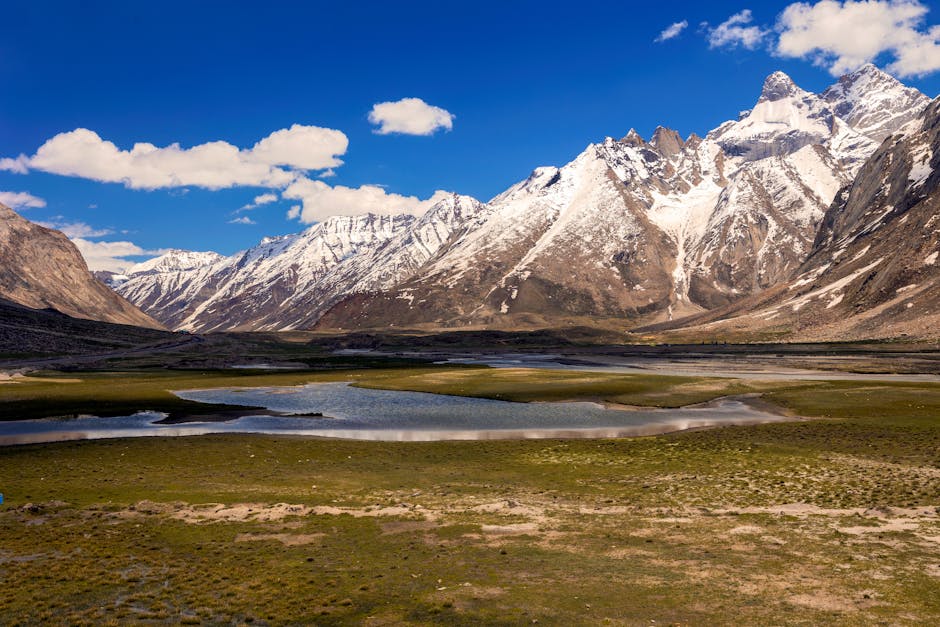
Majestic snow-capped mountains and green valleys in Kargil, Ladakh., Kargil, India
FAQs: Your Kargil, India Questions Answered
1. Is Kargil, India safe at night?
Kargil is generally very safe. The local communities are hospitable and crime against tourists is rare. However, as in any unfamiliar place, exercise basic caution. Stick to well-lit areas at night, and due to the high-altitude environment, avoid walking alone late if you are not fully acclimatized.
2. What currency is used and are credit cards accepted?
The Indian Rupee (INR) is the currency. Cash is king in Kargil. While some higher-end hotels may accept credit cards, do not rely on them. ATMs are available in the main town, but it’s wise to carry sufficient cash with you from Leh or Srinagar, as ATMs can sometimes run out.
3. How do I get from the airport to Kargil?
You’ll fly into Leh. From Leh Airport, you must pre-book a taxi for the 6

