
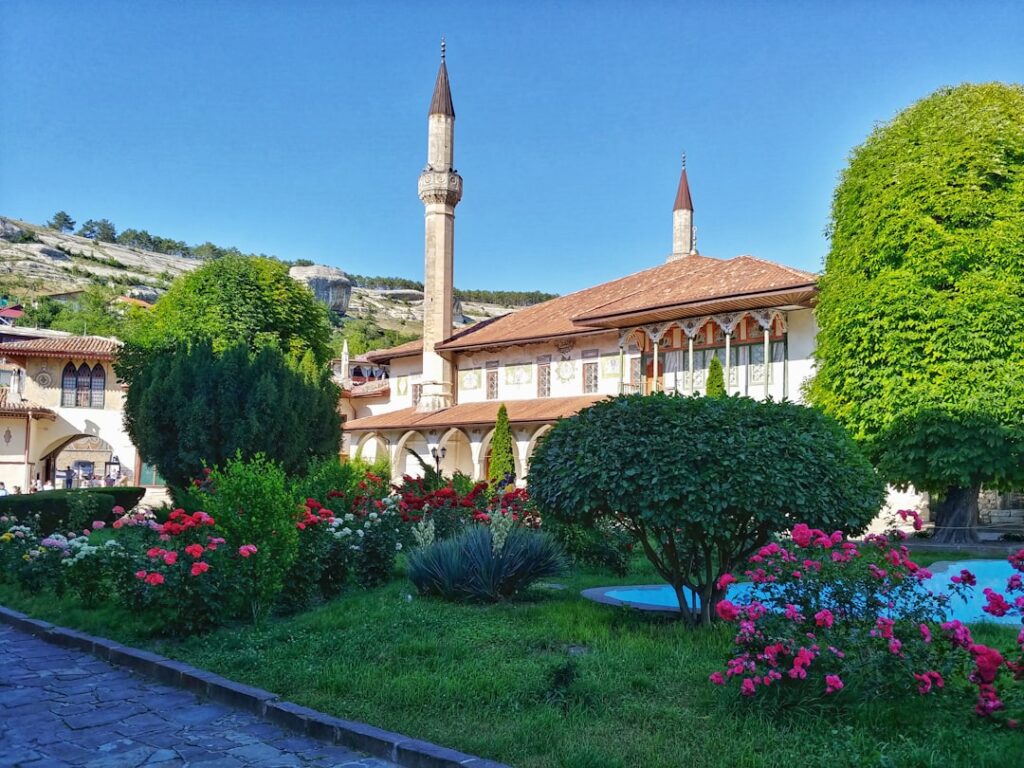
Karabük, Turkey’s Epic Ottoman Architecture, Iron Heritage & Mountain Vistas (2025)
While crowds flock to Istanbul’s Topkapı Palace, fewer than 15,000 international travelers annually discover Safranbolu’s 1,008 preserved Ottoman houses, where 18th-century merchants built their fortunes on saffron and leather. Here, cobblestone streets wind past hammams that have operated continuously since 1661, and the scent of Turkish coffee mingles with leather workshops using techniques unchanged for centuries. This isn’t a reconstructed old town—it’s a living museum where UNESCO protection means artisans still practice trades their ancestors perfected.
Why Karabük Stands Out

A white building with a black bench in front of it, Karabük, Turkey (hidden Ottoman history)
- Historic Architecture: Cinci Han (1645) served as a caravanserai for Silk Road traders and now houses a charming hotel with original stone archways.
- Cultural Scene: The annual Safranbolu Traditional Handicrafts Festival each October showcases master leatherworkers and copper artisans.
- Local Specialties: Safranbolu lokum (Turkish delight) infused with locally grown saffron creates a floral sweetness found nowhere else.
Pro Tip: Visit between September and November when saffron harvest season begins—you’ll find the freshest lokum, fewer crowds than summer, and perfect 18-22°C weather for exploring the steep cobblestone streets comfortably.
Map of Karabük
Use these interactive maps to explore Karabük and plan your route:
📍 View Karabük on OpenStreetMap
🗺️ Open Karabük in Google Maps
Planning Your Trip: Practical Essentials
Getting There and Around
- By Air: Zonguldak Çaycuma Airport (90km away) connects via Turkish Airlines; take a 75-minute shuttle (₺150) or pre-book private transfer. Book flights at Skyscanner for best deals.
- By Train: Direct services from Ankara (3 hours) offer scenic mountain views; choose morning departures for best light. Reserve tickets at Trainline or the national railway website.
- By Car: D750 highway from Istanbul (5 hours) reveals stunning Black Sea landscapes; park outside Safranbolu’s historic center (₺30/day). Compare car rentals at RentalCars.com.
- Local Transport: Dolmuş minibuses (₺8 per ride) connect Karabük city to Safranbolu every 20 minutes; walking is best within the historic quarter.
Best Time to Visit
Spring and autumn deliver ideal conditions when wildflowers bloom or saffron harvest begins, while summer offers vibrant festivals despite warmer temperatures.
| Season | Weather | Highlights |
|---|---|---|
| Summer (Jun–Aug) | 25-32°C, sunny and dry | Festival season, longest opening hours, but crowded in afternoons |
| Winter (Dec–Feb) | 0-8°C, occasional snow | Dramatic snow-dusted Ottoman houses, cozy tea houses, 50% lower hotel rates |
| Shoulder (Apr–May/Sep–Oct) | 15-24°C, mild and clear | Perfect hiking weather, saffron harvest activities, minimal crowds |
Budgeting for Karabük

Brown brick building with flag of us a under white clouds during daytime, Karabük, Turkey (hidden Ottoman history)
| Category | Budget | Mid-range | Luxury |
|---|---|---|---|
| Accommodation | ₺400-600/night (pension) | ₺800-1200/night (boutique hotel) | ₺1500+/night (historic mansion) |
| Meals | ₺60-90 (street food/lokantası) | ₺120-180 (restaurant with alcohol) | ₺250+ (fine dining with wine) |
| Transport | ₺40/day (dolmuş/walking) | ₺100/day (taxis between sites) | ₺300/day (private driver) |
| Activities | ₺50 (free museums + one paid) | ₺150 (museums + guided tour) | ₺400 (private guide + workshops) |
| Daily Total | ₺550-780 | ₺1170-1630 | ₺2450+ |
Top Attractions and Must-See Sights
| Attraction | Description | Hours | Entry Fee |
|---|---|---|---|
| Safranbolu Old Town | UNESCO World Heritage site with 1,008 preserved Ottoman houses along cobblestone streets | 24/7 (museums 9AM-7PM) | Free (individual museums ₺30-50) |
| Karabük Iron-Steel Factory Museum | Turkey’s industrialization story told through preserved 1930s factory buildings and worker housing | 10AM-6PM Tue-Sun | ₺20 |
| Cinci Han & Hamam | 17th-century caravanserai and bathhouse where travelers have rested since Ottoman times | 8:30AM-11PM daily | Free (hamam ₺150) |
| Yemeniciler Arastası | Covered Ottoman bazaar where craftsmen still make traditional Yemeni shoes using ancient techniques | 9AM-8PM daily | Free |
3-Day Itinerary: Karabük’s Highlights & Hidden Gems
Day 1: Ottoman Safranbolu Immersion
- Morning: 7:30AM photography walk through empty cobblestone streets as shopkeepers open their shutters—the golden hour light on Ottoman house facades is spectacular.
- Afternoon: 12PM leather workshop visit at Yemeniciler Çarşısı followed by lunch at Havuzlu Konak Restaurant (try their testi kebab cooked in sealed clay pots).
- Evening: 6PM sunset from Hidirlik Hill viewpoint then traditional dinner at Safranbolu Evleri with live Turkish folk music.
Day 2: Industrial Heritage & Natural Wonders
- Morning: 8AM dolmuş to Karabük city (₺8) for Iron-Steel Factory Museum tour (₺20) showcasing Turkey’s 1930s modernization.
- Afternoon: 1PM lunch at Kardelen Restaurant near the factory district then hike to Bulak Mencilis Cave with its stunning underground lakes.
- Evening: 7PM return to Safranbolu for traditional hamam experience at Cinci Hamamı (₺150) followed by saffron tea at historical Çeşme Café.
Day 3: Craft Villages & Mountain Escapes
- Morning: 8:30AM taxi to Yörük Village (₺120) to watch wool weaving traditions and purchase direct from artisans.
- Afternoon: 12:30PM village lunch at Yörük Köyü Kahvaltı Evi then visit Sipahioğlu Mansion for the best-preserved Ottoman interior in the region.
- Evening: 6PM farewell dinner at Asmazlar Konak followed by nighttime stroll through illuminated cobblestone streets with saffron ice cream from Gülşen Lokum.
Cultural Insights & Etiquette
- Language: Learn “Merhaba” (hello), “Teşekkür ederim” (thank you), and “Ne kadar?” (how much)—shopkeepers appreciate the effort
- Customs: Remove shoes before entering homes and mosques; always accept tea when offered—it’s a sign of hospitality
- Tipping: Round up taxi fares; 5-10% in restaurants only if service charge isn’t included; small change to hamam attendants
- Dress Code: Modest clothing preferred in historic areas; cover shoulders and knees when visiting religious sites
- Business Hours: Shops open 9AM-7PM with 1-2PM lunch break; closed Sundays in traditional districts
Where to Eat: Karabük’s Best Bites
You’ll discover that Karabük’s cuisine reflects its position between Black Sea flavors and Anatolian heartland dishes, with saffron infusing both sweet and savory creations.
Must-Try Local Specialties
- Safranbolu Lokum: Rosewater and pistachio Turkish delight with local saffron threads—find the freshest at Gülşen Lokum behind the clock tower
- Testi Kebab: Lamb and vegetables slow-cooked in sealed clay pots broken tableside—Havuzlu Konak masters this dramatic presentation
- Peruhi: Tiny pasta with walnut and yogurt sauce unique to the region—Zencefil Sofrası serves the most authentic version
Restaurant Recommendations by Budget
| Type | Restaurant | Specialty | Price Range |
|---|---|---|---|
| Budget | Çarşı Lokantası (Market Square) | Home-style bean stew and fresh bread | ₺60-90 per person |
| Mid-range | Zencefil Sofrası (Arasta Street) | Modern twists on Ottoman classics with saffron | ₺120-180 per person |
| Fine dining | Asmazlar Konak (Historic Mansion) | Multi-course Ottoman revival dinners in 18th-century setting | ₺250-350 per person |
Where to Stay
Travelers often choose between authentic Ottoman houses in Safranbolu’s historic center or modern hotels in Karabük city—the former offers atmosphere, the latter convenience. Compare prices and book at Booking.com or Airbnb for apartments.
Best Neighborhoods for Accommodation
- Çarşı District: The historic heart with converted Ottoman mansions, perfect for photographers but can be noisy with tourist groups midday
- Bağlar District: Vineyard-area summer houses with gardens, offering tranquility while remaining walkable to main attractions
- Karabük City Center: Modern hotels near transportation hubs, ideal for early departures or Iron-Steel Museum visits

A flag flying on top of a rocky mountain, Karabük, Turkey (hidden Ottoman history)
FAQs: Your Karabük Questions Answered
1. Is Karabük safe at night?
Extremely safe—the historic districts are well-lit and populated until late, though standard precautions like avoiding isolated areas still apply. Locals are protective of tourists and will often guide you if you appear lost.
2. What currency is used and are credit cards accepted?
Turkish Lira (₺) is the currency; credit cards work in hotels and larger restaurants, but always carry cash for small shops, dolmuş rides, and artisan purchases—ATMs are plentiful in Safranbolu’s main squares.
3. How do I get from the airport to the city center?
From Zonguldak Çaycuma Airport, take the Havaş shuttle (₺150, 75 minutes) directly to Safranbolu bus station, or pre-book private transfers (₺400-500). Book airport transfers at GetYourGuide for convenience.
4. Do I need to speak the local language?
Not essential—basic English is spoken in tourist areas, but learning a few Turkish phrases will delight locals. Restaurant menus often include English translations, and museum audio guides are available in multiple languages.
5. What’s the appropriate dress code?
Modest casual works everywhere—light layers for changing temperatures, comfortable walking shoes for cobblestones, and a scarf to cover shoulders when entering mosques. Evenings can be cool even in summer.
Final Thoughts: Karabük Awaits
Karabük delivers what many historic destinations promise but rarely achieve—authentic living history where Ottoman architecture isn’t just preserved but actively inhabited, where crafts aren’t demonstrated for tourists but practiced for livelihood. Between the saffron-infused sweets, the echoing halls of caravanserais, and the surprising industrial heritage, you’ll discover layers of Turkish history that most travelers miss. Savvy visitors know to schedule at least one sunrise walk through Safranbolu’s empty streets—that magical hour when the centuries seem to dissolve, and you’re walking alongside Ottoman merchants heading to the bazaar.

