
Kagoshima, Japan’s Hidden Volcanoes, Onsen & Samurai Spirit (2026)
At 6:00 AM, the silhouette of Sakurajima volcano emerges from the morning mist, a plume of white smoke drifting from its 1,117-meter peak. The city stirs to the gentle hum of the electric tram and the scent of roasting sweet potatoes from a street vendor. This is Kagoshima, where Japan’s southernmost major city lives in daily conversation with an active volcano, offering a raw, elemental beauty you won’t find in Tokyo or Kyoto.
Why Kagoshima, Japan Stands Out

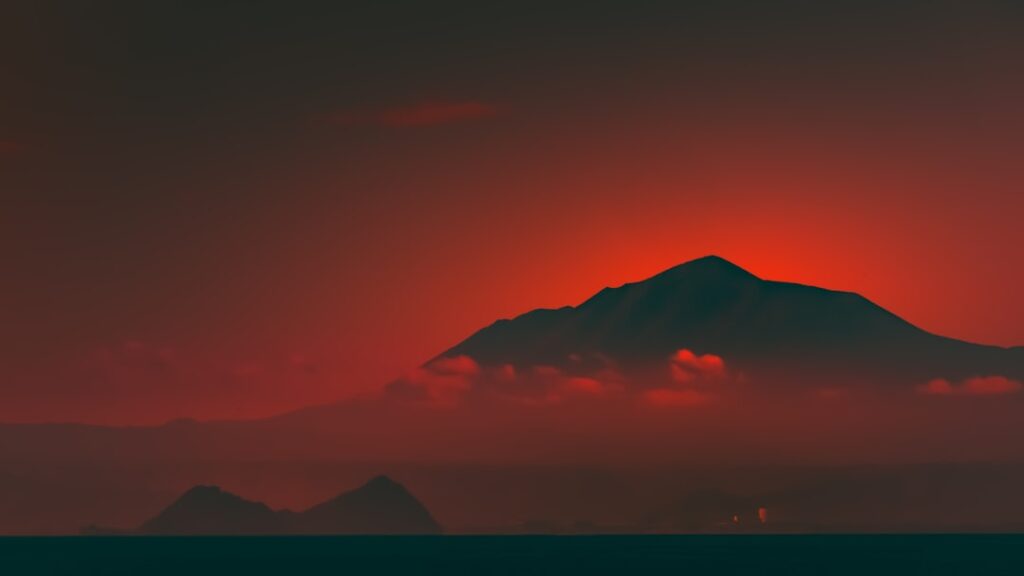
A mountain with a red sky in the background, Kagoshima, Japan
- Historic Architecture: The faithfully reconstructed 1865 Shōko Shūseikan, Japan’s first modern factory, stands as a UNESCO site where the Satsuma clan’s industrial revolution began.
- Cultural Scene: The fiery Ohara Matsuri in November features over 15,000 dancers in a spectacular, synchronized celebration unique to the city.
- Local Specialties: You must try Kagoshima Kurobuta pork, a heritage Berkshire breed known for its rich marbling and flavor, often served as tonkatsu or shabu-shabu.
Pro Tip: For the clearest views of Sakurajima and the best ferry crossing conditions, plan your visit between October and December. Avoid Golden Week (late April/early May) and Obon (mid-August) when domestic tourism surges and accommodations triple in price.
Map of Kagoshima, Japan
Use these interactive maps to explore Kagoshima, Japan and plan your route:
📍 View Kagoshima, Japan on OpenStreetMap
🗺️ Open Kagoshima, Japan in Google Maps
Planning Your Trip: Practical Essentials
Getting There and Around
- By Air: Kagoshima Airport (KOJ) is a 40-minute bus ride from the city center. Japan Airlines (JAL) and ANA offer direct flights from Tokyo Haneda (1.5 hours), while low-cost carriers like Peach connect from Osaka. Book flights at Skyscanner for best deals.
- By Train: The Kyushu Shinkansen “Sakura” and “Mizuho” trains connect Kagoshima-Chuo Station to Hakata (Fukuoka) in 1 hour 20 minutes and to Osaka in about 4 hours. Reserve tickets at Trainline or the national railway website.
- By Car: Renting a car is ideal for exploring the surrounding Ibusuki coast or Kirishima highlands. The Kyushu Expressway runs north. Compare car rentals at RentalCars.com.
- Local Transport: The city’s charming electric trams (¥170 per ride) and the “City View” tourist bus loop are your best bets. A one-day tram pass costs ¥600. Ferries to Sakurajima run every 10-15 minutes from the waterfront (¥200 each way).
Best Time to Visit
Kagoshima enjoys a mild, subtropical climate. The shoulder seasons offer the ideal balance of pleasant weather, fewer crowds, and vibrant natural scenery.
| Season | Weather | Highlights |
|---|---|---|
| Summer (Jun–Aug) | Hot & humid, 25-32°C (77-90°F), rainy season in June/July. | Lush greenery, beach trips to Ibusuki, vibrant festivals. Can be crowded and muggy. |
| Winter (Dec–Feb) | Mild & dry, 5-15°C (41-59°F), least rainfall. | Crystal-clear views of Sakurajima, relaxing in hot springs without summer heat. Fewer tourists. |
| Shoulder (Apr–May/Sep–Oct) | Warm & pleasant, 18-25°C (64-77°F), stable conditions. | Perfect for hiking, sightseeing, and ferry rides. April brings cherry blossoms; October offers autumn colors in Kirishima. |
Budgeting for Kagoshima, Japan

Eruption of volcano, Kagoshima, Japan
| Category | Budget | Mid-range | Luxury |
|---|---|---|---|
| Accommodation | ¥4,000-7,000 for a business hotel or hostel | ¥10,000-18,000 for a 3-4 star hotel or ryokan | ¥25,000+ for luxury hot spring resorts like Ibusuki’s |
| Meals | ¥2,000-3,000 (ramen, bento, convenience store meals) | ¥4,000-7,000 (local restaurants, set-menu lunches) | ¥10,000+ for multi-course kaiseki or premium Kurobuta dining |
| Transport | ¥1,000 (tram/bus pass, ferry to Sakurajima) | ¥3,000 (taxis for short trips, rental car base rate) | ¥8,000+ (private car hire, guided tours with transport) |
| Activities | ¥1,500 (park visits, free museums, walking tours) | ¥4,000 (museum entries, onsen visits, short boat tours) | ¥10,000+ (private guide, helicopter tour, premium onsen experience) |
| Daily Total | ¥8,500-12,500 (~$55-80 USD) | ¥21,000-32,000 (~$135-205 USD) | ¥53,000+ (~$340+ USD) |
Top Attractions and Must-See Sights
| Attraction | Description | Hours | Entry Fee |
|---|---|---|---|
| Sakurajima | An active stratovolcano you can visit via ferry; hike trails, soak in foot baths, and witness raw geological power. | Accessible 24/7 (ferries 7:25-22:35) | Free (Ferry: ¥200) |
| Sengan-en Garden | A stunning 1658 feudal lord’s garden with designed views framing Sakurajima, featuring traditional villas and a historic factory. | 8:30-17:30 | ¥1,000-1,500 |
| Terukuni Shrine & Shiroyama Park | Historic shrine and a panoramic city-view park, site of the 1877 Satsuma Rebellion’s final stand. | Park always open; Shrine 9:00-17:00 | Free |
| Kagoshima City Aquarium | Exceptional focus on the marine life of Kagoshima Bay, with impressive whale shark and dolphin shows. | 9:00-18:00 (varies seasonally) | ¥1,500 |
3-Day Itinerary: Kagoshima, Japan’s Highlights & Hidden Gems
Day 1: The Volcano & The Garden
- Morning (7:30 AM): Catch the early ferry from Kagoshima Port to Sakurajima (¥200). Rent a bicycle near the ferry terminal (¥500/hr) and cycle the 3km Nagisa Lava Trail, stopping at the free Nagisa Foot Onsen to soak your feet with a view.
- Afternoon (12:30 PM): Return ferry and lunch at Ajimori near the port for sublime Kagoshima ramen with black pork broth (¥1,100). Then, take the tram to Sengan-en Garden. Explore the villa and the fascinating Shuseikan Museum, which details the Satsuma clan’s industrial pioneering.
- Evening (6:30 PM): Dinner at Gyu-Kaku in Tenmonkan district for yakiniku BBQ where you grill your own premium Kurobuta (¥3,500/person). End the night with a stroll along the illuminated Dolphin Port promenade.
Day 2: History, Hot Springs & City Views
- Morning (8:30 AM): Visit the Reimeikan Museum (¥300) inside the old castle walls for a deep dive into Kagoshima’s samurai history. Then, explore the bustling Tenmonkan shopping arcade.
- Afternoon (1:00 PM): Lunch at Kumasotei for their famous “Tonkatsu Teishoku” set meal with Kurobuta cutlet (¥1,800). Afterwards, take the City View bus to Shiroyama Park. Hike to the observation deck for the definitive panoramic view of the city, bay, and volcano.
- Evening (5:00 PM): Take a 50-minute train south to Ibusuki (¥1,070). Check into a sand bath onsen hotel like Ibusuki Hakusuikan. Experience the unique “sunamushi” where you are buried in naturally heated volcanic sand, followed by a traditional multi-course kaiseki dinner.
Day 3: Coastal Charms & Samurai Legacy
- Morning (9:00 AM): In Ibusuki, visit the stunning Chiringashima sandbar, accessible on foot at low tide. Then, explore the tropical Ibusuki Botanical Garden.
- Afternoon (12:30 PM): Return to Kagoshima. For lunch, head to the Yatai Mura (food stall village) near Kotsuki River for a casual, local vibe and try “Satsuma-age” (fried fish cake). Then, visit the Museum of the Meiji Restoration (¥300) for engaging animatronic shows about Saigo Takamori and the Satsuma leaders.
- Evening (6:00 PM): A final dinner at Kappo Nihonkai near Kagoshima-Chuo Station for exquisite, fresh seafood sourced from the bay. Catch a late train or flight, or enjoy one last evening soak at your hotel’s onsen.
Cultural Insights & Etiquette
- Language: Basic greetings go far. Say “Ohayo gozaimasu” (Good morning), “Arigato gozaimasu” (Thank you). In restaurants, a simple “Sumimasen” (Excuse me) calls a server. English is limited outside hotels and major attractions.
- Customs: Always remove your shoes when entering a tatami mat room, ryokan, or some traditional restaurants. Before entering an onsen (hot spring), you must wash thoroughly at the provided shower stations.
- Tipping: Tipping is not practiced in Japan and can cause confusion. Excellent service is standard. A simple thank you is sufficient.
- Dress Code: Modest, comfortable clothing is fine. Have a small towel for sweat (summer) and an easy-to-remove layer for temples. Bring socks as you’ll be removing shoes often.
- Business Hours: Department stores open 10:00-20:00. Museums often 9:00-17:00, closed Mondays. Many restaurants close between 3-5 PM. Convenience stores (7-Eleven, FamilyMart) are 24/7.
Where to Eat: Kagoshima, Japan’s Best Bites
Kagoshima’s cuisine is defined by its volcanic soil and rich seas. Dining is hearty and flavorful, with a focus on local, high-quality ingredients. Don’t just eat—seek out the stories behind dishes like “karukan” sweet cake, invented by the Satsuma lords.
Must-Try Local Specialties
- Kurobuta (Black Pork): The star of the show. Its high fat content makes it incredibly tender. Try it as shabu-shabu, tonkatsu (breaded cutlet), or simply grilled. For a classic experience, head to Tonkatsu Wako in Tenmonkan.
- Satsuma-age: A savory fried fish cake, often mixed with vegetables like burdock or squid. Best enjoyed fresh from market stalls like those at Dolphin Port or as a side in a set meal.
- Kibinago: A small silver-stripe herring, typically served raw (“sashimi”) in a vinegared dressing or grated daikon, or threaded onto skewers and grilled. Find it at seafood restaurants like Kappo Nihonkai.
Restaurant Recommendations by Budget
| Type | Restaurant | Specialty | Price Range |
|---|---|---|---|
| Budget | Ramen Ajimori (Near Kagoshima Port) | Rich, pork-bone based Kagoshima-style ramen | ¥800-¥1,200 |
| Mid-range | Kumasotei (Tenmonkan Area) | Authentic Kurobuta tonkatsu and local set meals | ¥1,500-¥3,000 |
| Fine dining | Shigetomi (Higashi-Sengoku-cho) | Elegant multi-course kaiseki featuring seasonal Kagoshima ingredients | ¥8,000-¥15,000 |
Where to Stay
Your choice of neighborhood defines your Kagoshima experience. The city center offers convenience, while staying near an onsen provides ultimate relaxation. Compare prices and book at Booking.com or Airbnb for apartments.
Best Neighborhoods for Accommodation
- Tenmonkan/Dolphin Port: The bustling heart of the city. Packed with restaurants, shops, and nightlife. Excellent tram access. Ideal for first-time visitors who want to be in the middle of the action. Can be noisy at night.
- Kagoshima-Chuo Station Area: The transport hub. Perfect for travelers using the Shinkansen or with day trips planned. Many modern business hotels here. Less traditional charm but supremely convenient.
- Ibusuki (40-50 min south by train): A resort town famous for sand baths and ocean-view hot springs. Stay here for a relaxing, immersive onsen ryokan experience. Best for travelers prioritizing rest and unique bathing culture over city sightseeing.

Calm body of water under blue sky, Kagoshima, Japan
FAQs: Your Kagoshima, Japan Questions Answered
1. Is Kagoshima, Japan safe at night?
Extremely safe. Violent crime is exceptionally rare. As in any city, practice general awareness, especially in crowded nightlife areas like Tenmonkan. The trams stop running around 11 PM, so plan your return transport or use a taxi.
2. What currency is used and are credit cards accepted?
The Japanese Yen (JPY) is the currency. Major credit cards (Visa, MasterCard) are widely accepted in hotels, department stores, and nicer restaurants. However,

