
Kafue National Park, Zambia’s Stunning Wilderness, Waterways & Walking Safaris (2026)
While crowds flock to South Luangwa for its leopards, Kafue National Park, Zambia delivers a raw, untamed Africa on a staggering scale without the convoy of safari vehicles. Established in 1950, this 22,400-square-kilometer wilderness—larger than Wales—remains one of the continent’s least-explored parks. Here, you can spend a morning tracking a pride of lion on foot through the dappled miombo woodland and not see another soul, a privilege that’s vanishing elsewhere. This is Zambia’s wild heart, beating to its own ancient rhythm.
Why Kafue National Park, Zambia Stands Out

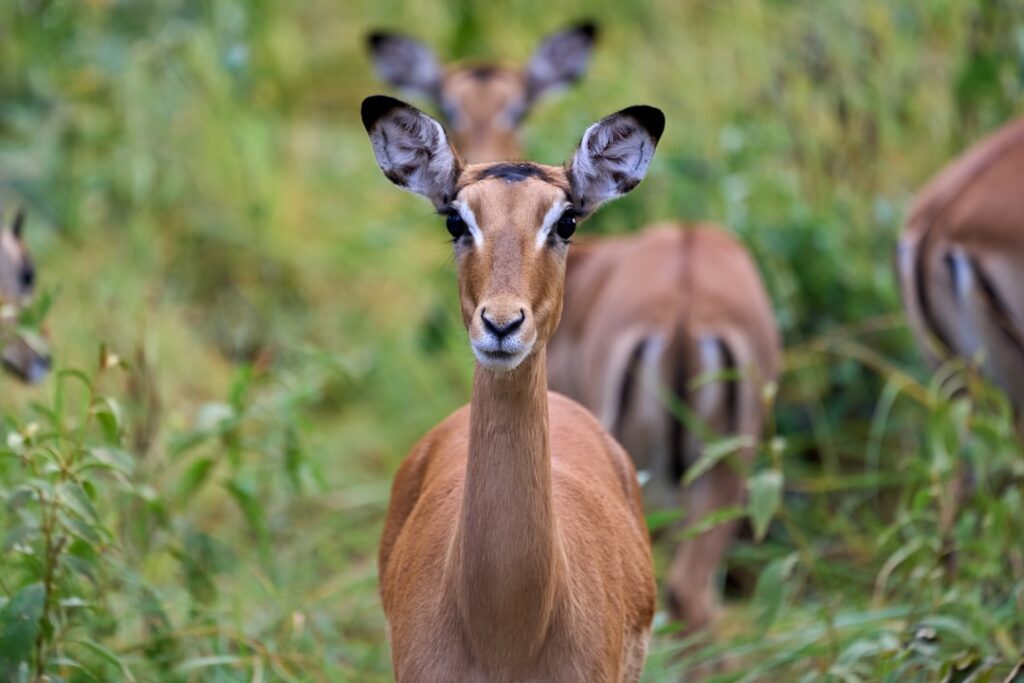
Three reedbucks are standing in tall grass., Kafue National Park, Zambia
- Historic Architecture: The Busanga Plains’ iconic thatched “tree-hide” safari camps, like those pioneered in the early 2000s, offer a unique, elevated perspective on the floodplain’s wildlife drama.
- Cultural Scene: The annual Kuomboka Ceremony of the Lozi people, while centered near the park, influences the region’s culture; some lodges can arrange visits to nearby villages to witness traditional crafts and storytelling.
- Local Specialties: Don’t miss sampling fresh bream or tigerfish from the Kafue River, grilled over an open fire (known as a *braai*) and served with *nshima*, Zambia’s staple maize porridge.
Pro Tip: For the ultimate combination of wildlife and value, target the late dry season (mid-August to October). The Busanga Plains are at their most accessible, wildlife concentrates around remaining water, and the skies are clear, but you’ll avoid the peak July tourist rush. Book walking safaris and boat trips well in advance.
Map of Kafue National Park, Zambia
Use these interactive maps to explore Kafue National Park, Zambia and plan your route:
📍 View Kafue National Park, Zambia on OpenStreetMap
🗺️ Open Kafue National Park, Zambia in Google Maps
Planning Your Trip: Practical Essentials
Getting There and Around
- By Air: Most visitors fly into Kenneth Kaunda International Airport (LUN) in Lusaka. From there, you’ll take a charter flight (1-1.5 hours) to a bush airstrip within the park, like Chunga or Busanga. Proflight Zambia is the main domestic carrier. Book flights at Skyscanner for best deals to Lusaka.
- By Train: Not a practical option for accessing the park itself. Zambia’s rail network connects major cities but doesn’t service the remote park areas.
- By Car: A 4×4 is absolutely mandatory. The drive from Lusaka to the main southern gate (Hook Bridge) takes 3-4 hours on the M9/M15. Roads inside the park are rough, sandy tracks. Self-driving is for experienced off-roaders only; most visitors are transferred by their lodge. Compare car rentals at RentalCars.com for Lusaka pick-up.
- Local Transport: There is no public transport within the park. All game drives, boat trips, and walking safaris are organized and led by your lodge in specialized safari vehicles or boats.
Best Time to Visit
The park’s experience transforms dramatically with the seasons. The dry season (May to October) is prime for wildlife viewing, while the green season (November to April) offers stunning landscapes, birding, and lower rates, though some areas become inaccessible.
| Season | Weather | Highlights |
|---|---|---|
| Dry Season (May–Oct) | Warm, sunny days (25-30°C), cool nights, virtually no rain. | Best wildlife viewing, animals at waterholes, Busanga Plains accessible, peak season (crowds & prices higher). |
| Green Season (Nov–Apr) | Hot, humid with frequent afternoon thunderstorms (20-35°C). | Lush landscapes, migratory birds, newborn animals, low season rates, northern plains flooded and closed. |
| Shoulder (May/Jun & Oct/Nov) | Transitional weather; beginning or end of rains. | Good value, changing scenery, fewer visitors, a mix of dry and green season benefits. |
Budgeting for Kafue National Park, Zambia

A young leopard cub sits in dry grass, Kafue National Park, Zambia
| Category | Budget | Mid-range | Luxury |
|---|---|---|---|
| Accommodation | $50-100/night (self-camping at designated sites) | $400-700/night/person (full-board safari lodge) | $800-1,500+/night/person (ultra-luxury all-inclusive camp) |
| Meals | $15-30/day (self-catering) | Included at lodges | Gourmet meals & premium drinks included |
| Transport | $100+/day (4×4 rental + fuel) | Included in fly-in packages | Private charter flights & transfers included |
| Activities | $50-100 (park fees per day) | 2 daily game drives & activities included | Private guides, walking safaris, boat cruises included |
| Daily Total | $200-300+ | $500-800+ | $1,000-2,000+ |
Top Attractions and Must-See Sights
| Attraction | Description | Hours | Entry Fee |
|---|---|---|---|
| Busanga Plains | Vast, marshy floodplain in the north, famous for lion prides, cheetah, and massive herds of red lechwe. | Accessible May-Nov only; game drives at dawn/dusk. | Included in lodge stay or $25/day park fee + guide. |
| Kafue River | The park’s lifeline; boat safaris here offer unique perspectives on hippos, crocodiles, elephants, and incredible birdlife. | Boat trips typically mid-morning or afternoon. | $50-80 for a 2-3 hour boat safari. |
| Nanzhila Plains (South) | A quieter, diverse ecosystem with open grasslands, home to rare sable and roan antelope and wild dogs. | Game drives at dawn/dusk. | Included in lodge stay or $25/day park fee. |
| Walking Safari | The ultimate immersive experience; track wildlife on foot with an armed scout and expert guide. | Early morning, duration 2-4 hours. | $60-100 per person, usually lodge-organized. |
3-Day Itinerary: Kafue National Park, Zambia’s Highlights & Hidden Gems
Day 1: Arrival & River Immersion
- Morning: Charter flight from Lusaka to your lodge’s airstrip (approx. 10 AM arrival). After a welcome drink and briefing, settle into your tent or chalet overlooking the Kafue River.
- Afternoon: Your first game drive (3:30 PM departure) exploring the riverine forest and miombo woodlands. Look for elephant, buffalo, and the park’s iconic purple-crested turaco. Return for sundowners by the water.
- Evening: Dinner under the stars at your lodge, listening to the chorus of hippos grunting from the river. Try the grilled tigerfish if it’s on the menu.
Day 2: Plains & Predators
- Morning: Pre-dawn wake-up call (5:30 AM) for coffee and biscuits. Morning game drive (6 AM – 10 AM) focusing on the open areas of the Busanga or Nanzhila Plains. This is prime time for predator activity—search for lion and elusive cheetah.
- Afternoon: Leisurely lunch back at camp. At 3:30 PM, opt for a different activity: a guided walking safari ($80) near camp to learn about tracks, insects, and the smaller ecosystem, or a tranquil boat cruise on the Kafue.
- Evening: Night drive after dinner (optional, $65). With a spotlight, you might spot genet cats, civets, hyenas on the prowl, and the glowing eyes of nocturnal creatures.
Day 3: Cultural Insight & Departure
- Morning: One final early game drive or a dedicated bird-watching walk. Kafue boasts over 500 bird species, including the majestic African finfoot and the loud-billed Pel’s fishing owl.
- Afternoon: Some lodges, like Mukambi Safari Lodge, can arrange a visit to a nearby GRI (Game Management Institute) community project or village (approx. $40 per person). It’s a humbling chance to see conservation’s human dimension and purchase local crafts directly.
- Evening: Transfer to the airstrip for your late afternoon charter back to Lusaka, your camera full of memories from one of Africa’s last great wildernesses.
Cultural Insights & Etiquette
- Language: English is the official language and widely spoken in the tourism industry. Learning a few Bemba or Lozi greetings like “Muli shani?” (How are you?) or “Natotela” (Thank you) is warmly appreciated.
- Customs: Always greet people politely before launching into questions or requests. Use your right hand for giving and receiving items, including money. Ask permission before photographing local people.
- Tipping: Tipping is customary. For your guide, consider $15-20 per guest per day. For camp staff, a collective tip of $10-15 per guest per day left in the communal tip box is standard.
- Dress Code: Neutral, muted colors (khaki, green, brown) are best for safaris. Evenings are smart-casual at lodges. Dress modestly when visiting villages.
- Business Hours: Lodges operate 24/7 for guests. Park gates generally open at 6 AM and close at 6 PM. Remember, everything runs on “African time”—patience and flexibility are part of the adventure.
Where to Eat: Kafue National Park, Zambia’s Best Bites
Dining in Kafue is almost exclusively through your safari lodge, which provides full-board meals. The experience is a highlight, featuring fresh, often locally sourced ingredients, from river fish to garden vegetables, prepared with a bush-style gourmet flair. Meals are social events, often served communally under thatched roofs or in the open air.
Must-Try Local Specialties
- Nshima with Relish: The national dish. The stiff maize porridge is used to scoop up tasty stews (*relishes*) of beef, chicken, or vegetables like pumpkin leaves (*chibwabwa*). Your lodge will likely offer a traditional night.
- Grilled Bream or Tigerfish: Fresh from the Kafue River, simply grilled over charcoal with lemon and herbs. A true taste of the place.
- Mosi Lager: Zambia’s crisp, popular national beer. Perfect for sipping around the campfire after a long day on drive.
Restaurant Recommendations by Budget
| Type | Restaurant | Specialty | Price Range |
|---|---|---|---|
| Lodge Dining | Dining Deck at Busanga Bush Camp | Pan-African fusion meals with stunning Plains views | Included in stay |
| Lodge Dining | Fig Tree Cafe at Mukambi Safari Lodge | Fresh, inventive salads and excellent river fish dishes | Included in stay / A la carte for visitors |
| Lodge Dining | Ila Safari Lodge | Eco-luxury dining with a strong farm-to-table philosophy | Included in stay |
Where to Stay
Accommodation defines your Kafue experience, ranging from rustic campsites to some of Africa’s most innovative luxury camps. The park is vast, so choose your lodge based on the region and experience you desire: the watery north (Busanga), the central riverine area, or the wildlife-rich south. Compare prices and book at Booking.com for some lodges, but many are best booked directly or through a safari specialist.
Best Regions for Accommodation
- Busanga Plains (North): For sheer wildlife spectacle and vast open skies. Camps like Shumba or Busanga Bush Camp are seasonal (May-Nov), ultra-exclusive, and focused on predators and plains game. Ideal for seasoned safari-goers.
- Central Kafue (Near Itezhi-Tezhi): The heart of the park, with permanent lodges on the Kafue River. Great for boat safaris, fishing, and year-round access. Options like Mukambi or Ila Safari Lodge offer a mix of water- and land-based activities. Perfect for first-timers and families.
- Southern Sector (Nanzhila Plains): A more remote, intimate, and affordable experience. Known for roan and sable antelope and wild dogs. Nanzhila Plains Safari Camp offers a genuine, back-to-basics wilderness feel with excellent guiding.

African couple in wedding attire posing on grass in lush outdoor setting in…, Kafue National Park, Zambia
FAQs: Your Kafue National Park, Zambia Questions Answered
1. Is Kafue National Park, Zambia safe at night?
Within the confines of your fenced or raised lodge camp, yes, it is very safe. You will always be escorted to and from your tent after dark by a staff member, as wildlife does roam freely. Never walk alone at night. Follow your guide’s instructions implicitly during activities.
2. What currency is used and are credit cards accepted?
The Zambian Kwacha (ZMW) is the local currency. However, at safari lodges, everything is typically billed in US Dollars. Major lodges accept Visa and Mastercard, but connectivity can be intermittent—cash (USD) is king for settling tips and small purchases. Bring newer, unblemished US dollar bills.
3. How do I get from the airport to the city center?
Most visitors connect directly to a charter flight from Lusaka’s international airport (LUN) to the park. If you need to overnight in Lusaka, hotels offer airport shuttles. For charter flights, your lodge will coordinate the transfer from the domestic terminal (about a 5-minute walk from international arrivals). Book airport transfers at GetYourGuide for Lusaka city hotels.
4. Do I need to speak the local language?
Not at all. English is the language of tourism. All guides, staff, and signage are in English. Learning a few local phrases, however, is a wonderful way to connect with camp staff and show respect for their culture.
5. What’s the appropriate dress code?
On safari, wear comfortable, neutral-colored clothing in breathable fabrics. Layers are essential for cool mornings and hot afternoons. Closed-toe shoes are a must for walking safaris. Evenings at lodges are smart-casual—a collared

