
Kaa-Iya del Gran Chaco, Bolivia: Hidden Wilderness, Wildlife & Indigenous Culture (2026)
What if you could explore a protected area larger than Belgium and see more jaguars than people? Kaa-Iya del Gran Chaco National Park and Integrated Management Natural Area proves this is possible, spanning over 34,400 square kilometers of South America’s second-largest forest. Here, the silence is broken only by the distant roar of a puma or the rustle of a giant armadillo, offering one of the continent’s last true wilderness experiences completely off the tourist trail.
Why Kaa-Iya del Gran Chaco, Bolivia Stands Out

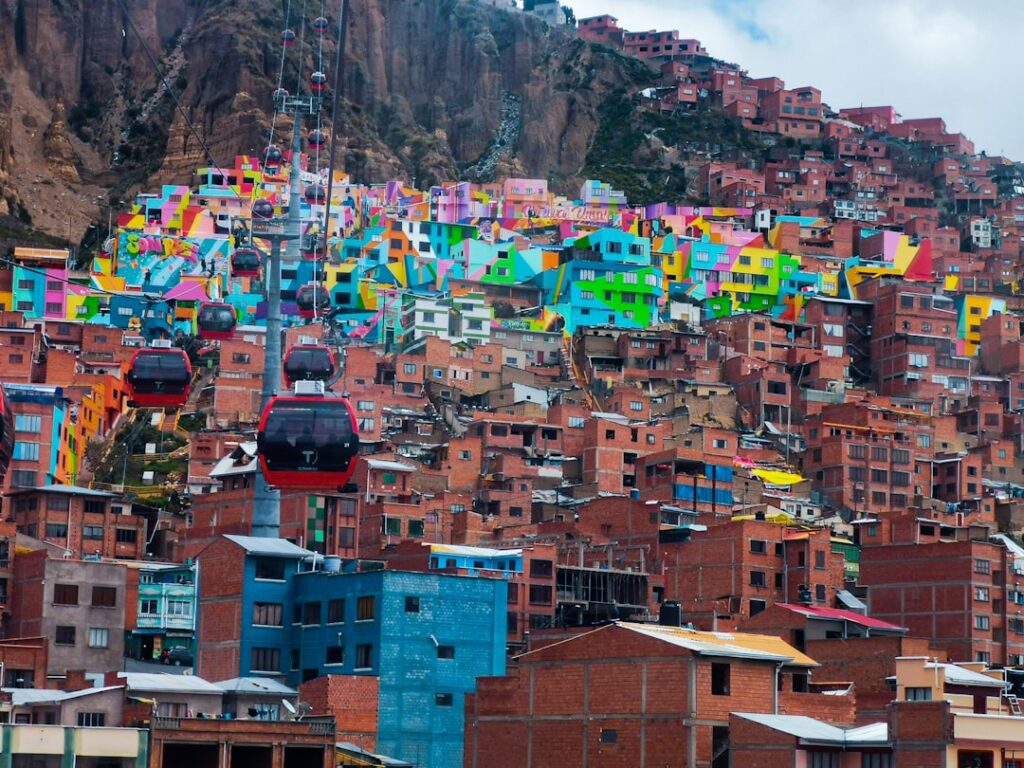
A city with a mountain in the background, Kaa-Iya del Gran Chaco, Bolivia
- Historic Architecture: The park’s visitor center in San José de Chiquitos, built in the 18th-century Jesuit mission style, showcases the unique fusion of European and indigenous Guarani design that defines the region.
- Cultural Scene: The annual Festival of the Virgin of Asunción in August features the Ayoreo and Chiquitano communities performing traditional dances like the “Taquirari” in vibrant, handcrafted feathered costumes.
- Local Specialties: Travelers must try *Majao*, a hearty dish of shredded charqui (dried beef), rice, fried plantains, and a fried egg, which reflects the region’s cattle-ranching heritage.
Pro Tip: The absolute best time for wildlife viewing is during the dry season from May to September. Not only are animals concentrated around scarce water sources, making them easier to spot, but the unpaved roads within the park are also passable. Avoid the rainy season (December to March) when roads become impassable quagmires.
Map of Kaa-Iya del Gran Chaco, Bolivia
Use these interactive maps to explore Kaa-Iya del Gran Chaco, Bolivia and plan your route:
📍 View Kaa-Iya del Gran Chaco, Bolivia on OpenStreetMap
🗺️ Open Kaa-Iya del Gran Chaco, Bolivia in Google Maps
Planning Your Trip: Practical Essentials
Getting There and Around
- By Air: The nearest major airport is Viru Viru International (VVI) in Santa Cruz de la Sierra. From there, you’ll need to travel overland. Book flights at Skyscanner for best deals.
- By Train: The historic “Ferrobus” train runs from Santa Cruz to the town of San José de Chiquitos (a gateway to the park), a scenic 5-6 hour journey. Reserve tickets at the train station in Santa Cruz as online booking is limited.
- By Car: A 4×4 vehicle with high clearance is non-negotiable. The main access is via the rough, unpaved highway from Santa Cruz to San José de Chiquitos (approx. 300 km). Compare car rentals at RentalCars.com and ensure your rental agreement permits off-road travel.
- Local Transport: Within gateway towns, *trufis* (shared taxis) and *mototaxis* are common. To enter the park itself, you must arrange a guided tour with a licensed operator who provides specialized transport.
Best Time to Visit
Your experience in Kaa-Iya is profoundly shaped by the seasons. The dry winter offers prime wildlife access, while the green, rainy summer transforms the landscape but limits mobility.
| Season | Weather | Highlights |
|---|---|---|
| Dry Season (May–Sep) | Warm days (25-30°C), cool nights, very little rain. | Optimal wildlife spotting at waterholes, passable roads, best for multi-day expeditions. Peak season for tours. |
| Rainy Season (Dec–Mar) | Hot (30-35°C), humid, with heavy afternoon downpours. | Lush, green scenery, birdlife is abundant, but most park roads are completely flooded and inaccessible. Very few tour operators run trips. |
| Shoulder (Apr/Oct–Nov) | Transitional; sporadic rains, warm temperatures. | A good balance if you’re flexible; some roads may be tricky. You’ll encounter far fewer visitors. |
Budgeting for Kaa-Iya del Gran Chaco, Bolivia

People standing on brown rock formation during daytime, Kaa-Iya del Gran Chaco, Bolivia
| Category | Budget | Mid-range | Luxury |
|---|---|---|---|
| Accommodation | $15-25/night (basic hostel in San José) | $50-80/night (comfortable lodge/guesthouse) | $150+/night (all-inclusive safari-style camp in park, if available) |
| Meals | $5-10/day (market food, simple comedores) | $15-25/day (restaurant meals) | $50+/day (catered meals on guided expedition) |
| Transport | $30/day (shared 4×4 costs, buses) | $80-120/day (private 4×4 rental) | $200+/day (private guide with vehicle and fuel) |
| Activities | Free (self-guided town exploration) | $50-100/day (guided day trips from town) | $250-400/day (multi-day all-inclusive park expedition) |
| Daily Total | $50-70/day | $200-300/day | $650+/day |
Top Attractions and Must-See Sights
| Attraction | Description | Hours | Entry Fee |
|---|---|---|---|
| Kaa-Iya del Gran Chaco National Park | The continent’s largest dry forest park, home to iconic species like the jaguar, maned wolf, and giant armadillo. | Accessible daylight hours with a guide | ~$25-50 park fee (included in tour price) |
| San José de Chiquitos Mission | A stunning UNESCO World Heritage Jesuit mission church, built between 1747-1754 from local stone. | 9:00 AM – 12:00 PM, 3:00 PM – 6:00 PM | ~$3 BOB |
| Caparuch Ranch (Estancia) | A working cattle ranch offering cultural immersion and wildlife viewing on the park’s periphery. | By prior arrangement | Varies; ~$50 for a day visit with lunch |
| Cerro San Miguel | A prominent hill offering panoramic views over the vast, endless plains of the Gran Chaco. | Daylight hours | Free |
3-Day Itinerary: Kaa-Iya del Gran Chaco, Bolivia’s Highlights & Hidden Gems
Day 1: Gateway to the Gran Chaco
- Morning (7-9 AM): Arrive in San José de Chiquitos via train from Santa Cruz. Check into your lodging, like Hotel Chiquitano. Grab a quick breakfast of *empanadas de queso* and fresh juice at the market.
- Afternoon (12-3 PM): Explore the magnificent San José Mission complex. Hire a local guide (approx. $10) at the site to explain the fascinating history of the Jesuit reductions. For lunch, head to Restaurant La Casona for a plate of *Sonso* (yucca and cheese).
- Evening (6-8 PM): Take a walk to Cerro San Miguel for sunset over the Chaco. For dinner, try the *Asado de Tira* (grilled ribs) at Parrillada El Amigo, a favorite with local ranchers.
Day 2: Wildlife & Ranch Culture
- Morning (5:30 AM): Early departure for a guided day trip to the Caparuch Ranch ($80-120 including guide, transport, and lunch). The early drive increases chances of spotting wildlife like foxes and deer along the park’s border.
- Afternoon: Tour the traditional cattle ranch, learn about Chaqueño cowboy culture, and enjoy a massive *Asado* (barbecue) lunch prepared over an open fire. Keep an eye on the waterholes for visiting tapirs or peccaries.
- Evening: Return to San José. Enjoy a relaxed evening at a local bar like Bar El Fortín, perhaps trying a cold Paceña beer and listening to Camba music.
Day 3: Deep Chaco Immersion or Cultural Farewell
- Option A (For the Adventurous): Begin a 3-5 day multi-sport expedition into the heart of Kaa-Iya with an operator like Ruta Verde. This involves camping, wildlife tracking, and visiting remote monitoring stations (from $300/day).
- Option B (Cultural Deep Dive): Morning visit to a local Ayoreo or Chiquitano community (arranged through a reputable tour operator with prior permission and a cultural fee of ~$15-20). Learn about crafts and traditions. Afternoon visit to the small municipal museum. Final dinner at your guesthouse, savoring *Locro Carretero* (a hearty beef and vegetable stew).
Cultural Insights & Etiquette
- Language: Spanish is essential. In remote areas, indigenous languages like Guaraní, Ayoreo, and Chiquitano are spoken. Learn key phrases: “Mba’éichapa” (Hello in Guaraní), “Gracias”, “¿Dónde está…?”
- Customs: Always greet people with a handshake. The pace of life is slow and relational; patience is vital. When visiting indigenous communities, never take photos without explicit permission, often granted in exchange for a small agreed-upon fee.
- Tipping: Not universally expected but appreciated. In restaurants, 5-10% for good service is polite. For guides, tip 10-15% of the tour cost if you’re satisfied.
- Dress Code: Modest, practical clothing is key. Think long pants, boots, and long sleeves for protection against sun and insects. In towns, casual wear is fine, but avoid overly revealing clothing.
- Business Hours: Typical hours are 9 AM – 12 PM and 3 PM – 7 PM, with a long midday siesta. Many places close on Sunday. Major holidays like Carnaval (Feb/Mar) and local fiestas can shut everything down for days.
Where to Eat: Kaa-Iya del Gran Chaco, Bolivia’s Best Bites
Dining here is hearty and meat-centric, reflecting the region’s cowboy (*gaucho*) identity. Don’t expect fancy restaurants; the best meals are often in simple *comedores populares* (canteens) or cooked over an open fire during a tour.
Must-Try Local Specialties
- Majao: The definitive Chaco dish. Shredded dried beef is sautéed with rice, onions, and tomatoes, served with fried plantains and a fried egg on top. Find it at any local lunch spot like Comedor Doña María.
- Asado de Tira/Chaqueño: Incredible grilled beef ribs or other cuts, cooked slowly over wood coals. The flavor is smoky and sublime. Parrillada El Amigo in San José is a top spot.
- Sonso: A simple but delicious side of boiled yucca mashed with fresh cheese. It’s the ultimate comfort food and available everywhere.
Restaurant Recommendations by Budget
| Type | Restaurant | Specialty | Price Range |
|---|---|---|---|
| Budget | Comedor Popular (Market Stall, San José Market) | Daily set lunch menu (*Almuerzo*) with soup, main, and drink | $3-5 BOB |
| Mid-range | Restaurant La Casona (San José main plaza) | Traditional Chiquitano dishes in a charming setting | $8-15 BOB |
| Fine dining | Hotel & Restaurant La Villa Chiquitana (San José) | The best upscale local cuisine in a tranquil garden | $15-25 BOB |
Where to Stay
Accommodation is concentrated in gateway towns like San José de Chiquitos. Inside the park, lodging means camping or very basic research station bunks, only accessible through guided expeditions. Compare prices and book at Booking.com for hotels or Airbnb for apartments (limited availability).
Best Neighborhoods for Accommodation
- Central Plaza (San José de Chiquitos): The heart of town, steps from the mission. You’ll find the best restaurants and services here. Ideal for first-time visitors who want to be in the center of the action. Options like Hotel Chiquitano.
- Residential Areas (San José): Quieter, a few blocks from the plaza. Offers a more local feel and sometimes better value in guesthouses or family-run *hospedajes*. A short walk to everything.
- On a Tour/Expedition: Your “neighborhood” is the park itself. You’ll stay in expedition tents or basic field stations. This is for the serious wilderness seeker and provides unparalleled access and immersion.

A large body of water surrounded by a desert, Kaa-Iya del Gran Chaco, Bolivia
FAQs: Your Kaa-Iya del Gran Chaco, Bolivia Questions Answered
1. Is Kaa-Iya del Gran Chaco, Bolivia safe at night?
Gateway towns like San José are generally safe, but practice standard precautions: avoid walking alone in poorly lit areas at night. The real safety considerations are environmental. In the park, you are in remote wilderness with large predators. Never wander off without your guide, follow all safety instructions, and ensure you have a reputable operator with satellite communication.
2. What currency is used and are credit cards accepted?
The Bolivian Boliviano (BOB) is the currency. In towns, carry ample cash (small bills) as ATMs can be unreliable and credit cards are rarely accepted outside of a few hotels. For multi-day tours, payment is often required in cash or via bank transfer well in advance.
3. How do I get from the airport to the city center (of Santa Cruz)?
From Viru Viru International (VVI), take an official airport taxi (fixed fare of ~$15-20 USD) for the 30-minute drive to Santa Cruz city center. For direct travel to the Chaco, you’ll need to arrange a private transfer or pick up your rental car. Book airport transfers at GetYourGuide for convenience if staying in Santa Cruz first.
4. Do I need to speak the local language?
Yes, a basic level of Spanish is crucial. English is not spoken in this region, even by most tour guides. Your guide will translate, but for arranging logistics, buying supplies, and interacting in towns, Spanish is necessary. Learn key phrases and consider a translation app.
5. What’s the appropriate dress code?
This is a functional, not fashionable, destination. Prioritize sturdy, closed-toe hiking boots, lightweight long pants and long-sleeved shirts (for sun and insect protection

