
Jujuy, Argentina: Essential Rainbow Mountains, Ancient Cultures & Colonial Charm (2025)
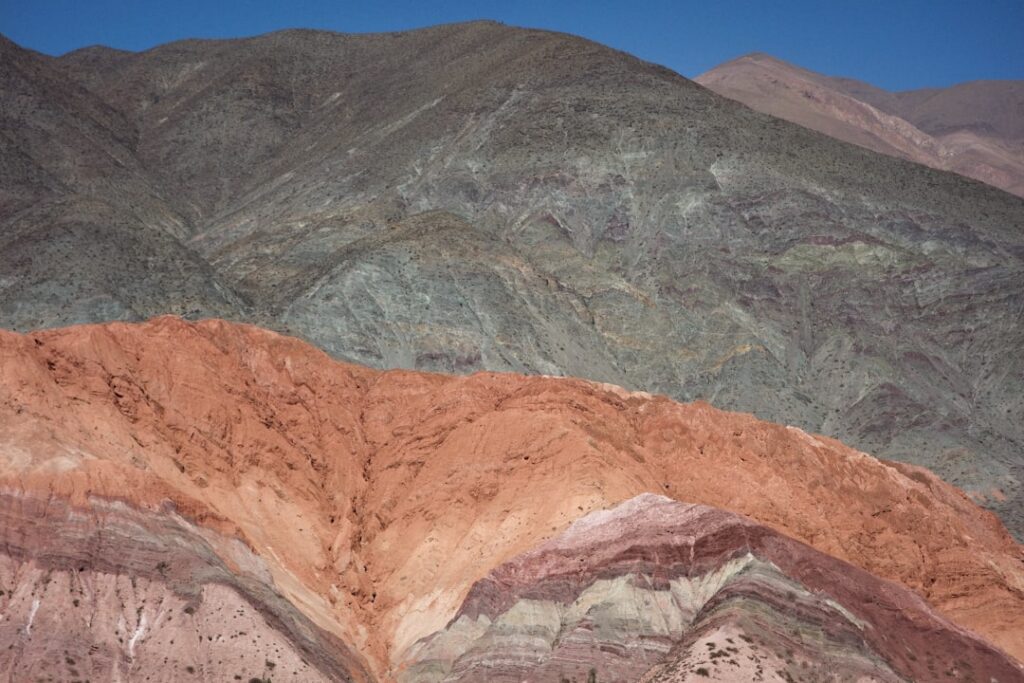
What if you could walk through mountains painted in 14 distinct mineral colors? Jujuy, Argentina’s Quebrada de Humahuaca reveals exactly this geological masterpiece, a UNESCO World Heritage site where 600 million years of geological history created striped hills in ochre, turquoise, lavender, and crimson. At dawn, when the first sunlight hits the Serranía de Hornocal, the mountains appear to glow from within—a phenomenon locals call “the mountain’s awakening” that draws photographers from worldwide yet remains remarkably uncrowded compared to similar sites in Peru or Bolivia.
Why Jujuy, Argentina Stands Out

Brown concrete building near brown rocky mountain under blue sky during daytime, Jujuy, Argentina
- Historic Architecture: The 1593 Cathedral of San Salvador de Jujuy houses Argentina’s national flag from the 1812 Jujuy Exodus, a pivotal independence movement event.
- Cultural Scene: The January Carnaval Jujeño features traditional diablada dances where participants wear elaborate devil masks and offer coca leaves to Pachamama (Mother Earth).
- Local Specialties: Humita en chala—fresh corn paste with spices steamed in corn husks—represents the perfect fusion of indigenous and Spanish culinary traditions.
Pro Tip: Visit between late March and early November to avoid summer rains that can wash out mountain roads, and always start your day at high-altitude sites before 10 AM when afternoon clouds often obscure the famous colors.
Map of Jujuy, Argentina
Use these interactive maps to explore Jujuy, Argentina and plan your route:
📍 View Jujuy, Argentina on OpenStreetMap
🗺️ Open Jujuy, Argentina in Google Maps
Planning Your Trip: Practical Essentials
Getting There and Around
- By Air: Governor Horacio Guzmán International Airport (JUJ) receives daily flights from Aerolíneas Argentinas and JetSMART from Buenos Aires (2 hours). Taxis to city center cost ARS 8,000. Book flights at Skyscanner for best deals.
- By Train: The Tren a las Nubes (Train to the Clouds) offers spectacular high-altitude journeys reaching 4,220 meters, but advance booking is essential. Reserve tickets at Trainline or the national railway website.
- By Car: Ruta Nacional 9 connects Jujuy to Salta and Bolivia, offering stunning mountain scenery. Compare car rentals at RentalCars.com.
- Local Transport: Colectivos (local buses) cost ARS 300-600 per ride, while remises (licensed taxis) offer fixed rates for longer distances to mountain villages.
Best Time to Visit
The dry winter months provide optimal conditions for exploring the high-altitude landscapes, though travelers discover unique cultural experiences year-round depending on festival schedules.
| Season | Weather | Highlights |
|---|---|---|
| Summer (Jun–Aug) | 50-68°F, dry, sunny days, cold nights | Best mountain visibility, ideal hiking conditions, moderate crowds |
| Winter (Dec–Feb) | 65-85°F, frequent afternoon rains | Lush green landscapes, Carnaval celebrations, occasional road closures |
| Shoulder (Apr–May/Sep–Oct) | 55-75°F, minimal rain, clear skies | Perfect photography light, harvest festivals, best value accommodations |
Budgeting for Jujuy, Argentina

A cemetery in the middle of a desert with mountains in the background, Jujuy, Argentina
| Category | Budget | Mid-range | Luxury |
|---|---|---|---|
| Accommodation | ARS 15,000-25,000/night (hostels) | ARS 40,000-70,000/night (boutique hotels) | ARS 100,000+/night (estancias) |
| Meals | ARS 4,000-7,000 (street food/markets) | ARS 12,000-20,000 (restaurants) | ARS 30,000+ (gourmet dining) |
| Transport | ARS 3,000/day (local buses) | ARS 15,000/day (taxis/rental car) | ARS 40,000+/day (private driver) |
| Activities | Free hiking, ARS 2,000 museum entries | ARS 8,000 guided tours, ARS 12,000 Tren tickets | ARS 25,000+ private guides, special access |
| Daily Total | ARS 25,000-35,000 | ARS 75,000-120,000 | ARS 195,000+ |
Top Attractions and Must-See Sights
| Attraction | Description | Hours | Entry Fee |
|---|---|---|---|
| Serranía de Hornocal | Stunning multicolored mountain range with 14 distinct mineral layers visible from viewpoint | Sunrise to sunset | ARS 2,000 |
| Pucará de Tilcara | Pre-Inca fortress ruins dating to 12th century with archaeological museum and cactus garden | 9 AM-6 PM daily | ARS 3,500 |
| Salinas Grandes | Vast white salt flats stretching 212 km² where you can walk on geometric salt patterns | 8 AM-7 PM | Free (tour ARS 15,000) |
| Cathedral of San Salvador | Historic cathedral housing Argentina’s original flag from 1812 Jujuy Exodus | 7 AM-9 PM | Free |
3-Day Itinerary: Jujuy, Argentina’s Highlights & Hidden Gems
Day 1: Colonial Capital & Local Flavors
- Morning: 7:30 AM guided tour at Cathedral of San Salvador de Jujuy (ARS 4,000) to see the historic flag before crowds arrive. Don’t miss the detailed gold leaf altarpiece.
- Afternoon: Explore Mercado de la Ciudad for local crafts and lunch at El Patio de la Empanada where three generations have perfected their recipe (ARS 1,200 each).
- Evening: Sunset stroll through Plaza Belgrano followed by dinner at Manos Jujeñas (ARS 18,000) for traditional locro stew in a 200-year-old building.
Day 2: Mountain Colors & Ancient Ruins
- Morning: 6 AM departure for Serranía de Hornocal (ARS 25,000 round trip) to catch the 7:15 AM sunrise when colors are most vibrant. The viewpoint sits at 4,350 meters—acclimate slowly.
- Afternoon: Explore Pucará de Tilcara ruins and have lunch at El Nuevo Progreso (ARS 15,000) for llama steak with Andean potatoes.
- Evening: Peña folk music experience at La Casa de los Lamas in Purmamarca (ARS 8,000 cover includes one drink).
Day 3: Salt Flats & Mountain Villages
- Morning: Shared van to Salinas Grandes (ARS 20,000, 2.5 hours) for photography on the blinding white salt crust. Wear sunglasses—the reflection is intense.
- Afternoon: Visit the seven-colored hill in Purmamarca and artisan market, then lunch at El Rancho de Augusto (ARS 12,000) for tamales jujeños.
- Evening: Return to San Salvador for farewell dinner at La Viña de Don Nicanor (ARS 22,000) pairing regional wines with empanadas salteñas.
Cultural Insights & Etiquette
- Language: Spanish with Quechua influences; learn “Allillanchu” (hello in Quechua) and “sumaj kawsay” (good living concept)
- Customs: Always ask permission before photographing locals, especially during religious ceremonies; many still practice ancient traditions
- Tipping: 10% in restaurants is standard; round up taxi fares; small bills appreciated for guided services
- Dress Code: Modest clothing for churches; layers for temperature swings; sturdy shoes for uneven terrain
- Business Hours: Siesta from 1-5 PM; shops reopen until 9 PM; Sunday most things closed except tourist areas
Where to Eat: Jujuy, Argentina’s Best Bites
Jujuy’s cuisine reflects its position at the crossroads of indigenous and Spanish traditions, with corn, potatoes, and llama featuring prominently alongside European influences. Travelers discover that meal times run later here—lunch around 2 PM, dinner after 9 PM—and portions are generous enough to share.
Must-Try Local Specialties
- Humita en chala: Sweet corn paste with basil and cheese steamed in corn husks; find the best at Mercado Norte food stalls (ARS 1,500)
- Llama anticuchos: Grilled llama skewers marinated in vinegar and spices; try at Feria Artesanal in Tilcara (ARS 2,500)
- Api con pastelitas: Purple corn drink served with fried pastries; morning staple at Panadería Don José (ARS 1,800)
Restaurant Recommendations by Budget
| Type | Restaurant | Specialty | Price Range |
|---|---|---|---|
| Budget | La Pulpería (San Salvador center) | Traditional empanadas and locro | ARS 4,000-8,000 |
| Mid-range | El Antigal (Purmamarca main square) | Andean fusion with mountain views | ARS 15,000-25,000 |
| Fine dining | Huacalera (Huacalera village) | Seven-course tasting menu with wine pairing | ARS 45,000+ |
Where to Stay
Accommodation ranges from basic hostels in San Salvador to luxurious estancias in the countryside, with charming posadas in mountain villages offering the most authentic experiences. Compare prices and book at Booking.com or Airbnb for apartments.
Best Neighborhoods for Accommodation
- San Salvador Centro: Walking distance to historic sites and restaurants, but can be noisy; ideal for first-time visitors
- Purmamarca: Charming mountain village at base of seven-colored hill, perfect for photographers and hikers
- Tilcara: Artsy town near archaeological sites with vibrant nightlife and artisan workshops

A view of a mountain range in the desert, Jujuy, Argentina
FAQs: Your Jujuy, Argentina Questions Answered
1. Is Jujuy, Argentina safe at night?
Most tourist areas remain safe after dark, though you’ll want to take normal precautions like avoiding isolated areas and using licensed taxis after 10 PM. The mountain villages are particularly safe with strong community values.
2. What currency is used and are credit cards accepted?
Argentine pesos (ARS) are the official currency. While credit cards work in hotels and larger restaurants, cash is essential for markets, smaller establishments, and rural areas. ATMs are available in San Salvador but scarce in mountain villages.
3. How do I get from the airport to the city center?
Official airport taxis cost ARS 8,000 for the 20-minute journey to downtown San Salvador. Shared shuttles (ARS 3,000 per person) operate during flight arrivals. Book airport transfers at GetYourGuide for convenience.
4. Do I need to speak the local language?
Basic Spanish phrases will significantly enhance your experience, as English proficiency is limited outside major hotels. Locals appreciate attempts at Quechua greetings like “allillanchu” (hello) and “yusulpayki” (thank you).
5. What’s the appropriate dress code?
Layered clothing works best for temperature variations—light layers for daytime, warm jacket for evenings. Modest attire (covered shoulders, knees) is respectful for churches, while sturdy walking shoes are essential for archaeological sites.
Final Thoughts: Jujuy, Argentina Awaits
Jujuy offers what many travelers seek but rarely find: authentic cultural experiences alongside breathtaking natural wonders, all without the overwhelming crowds of more famous South American destinations. From the geological marvel of the rainbow mountains to living indigenous traditions and colonial history, this northwestern province delivers profound connections to both land and culture. Savvy visitors know to budget extra days for spontaneous discoveries—perhaps a local festival or an invitation to share mate with new friends. Your most lasting memories will likely come from these unplanned moments in a region where ancient traditions feel vividly alive. Don’t leave without trying humita at a street stall and watching sunrise paint the Serranía de Hornocal—these simple pleasures capture Jujuy’s magic perfectly.

