
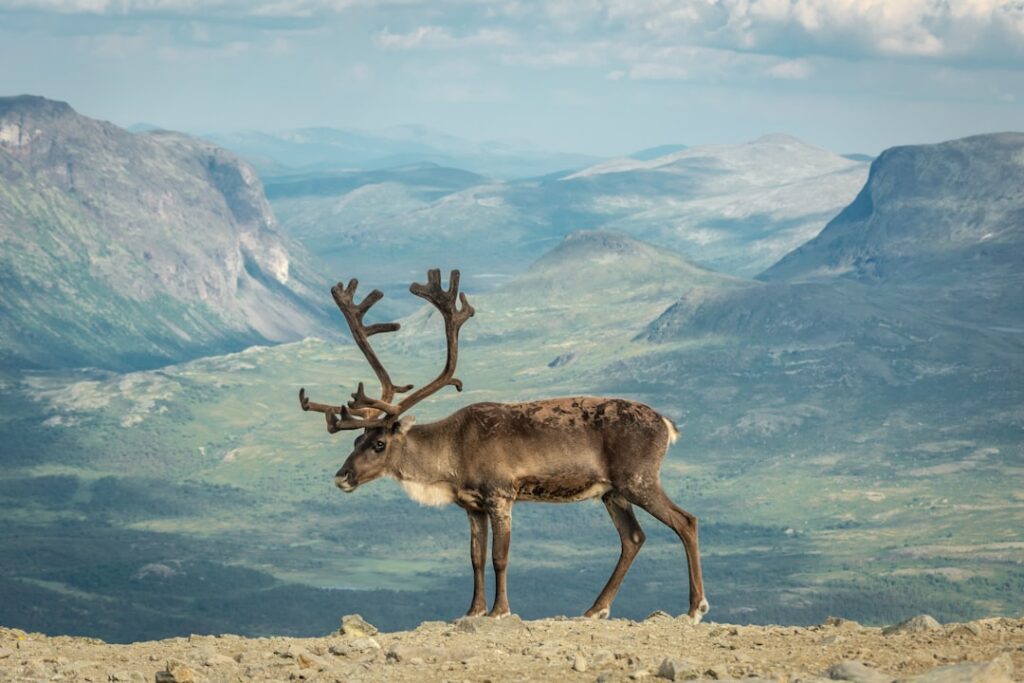
Jotunheimen, Norway’s Ultimate Peaks, Glaciers & Viking-Scale Adventure (2026)
While crowds flock to the fjords, Jotunheimen, Norway delivers the raw, untamed heart of the Norse world without the tour buses. This is the “Home of the Giants,” a 3,500 square-kilometer national park where you’ll find Northern Europe’s two highest peaks, Galdhøpiggen (2,469m) and Glittertind (2,465m), and over 250 other summits over 1,900 meters. Here, the scale is mythic, the trails are legendary, and the silence is broken only by the crunch of your boots on ancient rock. This is where Norway’s soul is most vividly on display.
Why Jotunheimen, Norway Stands Out

Water stream with gray stones, Jotunheimen, Norway
- Historic Architecture: The 18th-century Sognefjellet Mountain Road, a serpentine marvel of engineering, is a protected cultural heritage site and your gateway to the high mountains.
- Cultural Scene: The tradition of “Turbu,” the simple, unlocked mountain cabins maintained by the Norwegian Trekking Association (DNT), offers a uniquely Norwegian experience of trust and refuge in the wilderness.
- Local Specialties: You must try “Fårikål,” Norway’s national dish of lamb and cabbage, best enjoyed after a long day’s hike at a traditional mountain lodge like Leirvassbu.
Pro Tip: For the perfect balance of good weather, manageable crowds, and stunning autumn colors, target the first two weeks of September. The summer rush has faded, the mountain huts are quieter, and the first dustings of snow on the peaks create breathtaking scenery.
Map of Jotunheimen, Norway
Use these interactive maps to explore Jotunheimen, Norway and plan your route:
📍 View Jotunheimen, Norway on OpenStreetMap
🗺️ Open Jotunheimen, Norway in Google Maps
Planning Your Trip: Practical Essentials
Getting There and Around
- By Air: Fly into Oslo Gardermoen (OSL) or Bergen Flesland (BGO). From there, a combination of train and bus is your best bet. Book flights at Skyscanner for best deals.
- By Train: The scenic Bergen Railway runs between Oslo and Bergen, stopping at key access points like Otta. From Otta, catch a local bus into the park. Reserve tickets at Trainline or the national railway website.
- By Car: Driving offers ultimate flexibility. The E6 highway runs north-south, with roads like the Sognefjellet (RV55) and Valdresflye (RV51) cutting spectacularly through the park. Compare car rentals at RentalCars.com.
- Local Transport: Once in the region, rely on Nor-Way Bussekspress services (like the “Valdresekspressen”) to reach trailheads. Schedules are seasonal, so check Entur.no for all public transport planning.
Best Time to Visit
Jotunheimen is a year-round destination, but its character transforms dramatically with the seasons. Your ideal time depends entirely on whether you seek hiking or skiing.
| Season | Weather | Highlights |
|---|---|---|
| Summer (Jun–Aug) | 8°C to 18°C (46°F to 64°F); long days, potential for rain and even snow at higher elevations. | Prime hiking season; all trails and mountain huts are open; vibrant wildflowers; busiest period. |
| Winter (Dec–Feb) | -5°C to -15°C (23°F to 5°F); deep snow, limited daylight. | World-class ski touring and cross-country skiing; magical, snow-blanketed landscapes; requires expert planning and gear. |
| Shoulder (Apr–May/Sep–Oct) | -2°C to 10°C (28°F to 50°F); unpredictable, with spring thaw or autumn frosts. | September is golden for hiking; May offers ski-mountaineering; significantly fewer people; some services may be limited. |
Budgeting for Jotunheimen, Norway

Man standing at mountian, Jotunheimen, Norway
| Category | Budget | Mid-range | Luxury |
|---|---|---|---|
| Accommodation | NOK 300-500 (DNT cabin dorm) | NOK 800-1,500 (private room in lodge) | NOK 2,500+ (full-board at historic hotel) |
| Meals | NOK 150-250 (self-catered groceries) | NOK 300-500 (lodge restaurant meal) | NOK 700+ (multi-course dinner) |
| Transport | NOK 200-400 (public bus day pass) | NOK 600-800 (daily car rental + fuel) | NOK 1,500+ (private transfers) |
| Activities | Free (hiking public trails) | NOK 400-600 (guided glacier walk) | NOK 1,200+ (private mountain guide for a day) |
| Daily Total | NOK 650-1,150 | NOK 2,100-3,400 | NOK 5,900+ |
Top Attractions and Must-See Sights
| Attraction | Description | Hours | Entry Fee |
|---|---|---|---|
| Galdhøpiggen Summit (2,469m) | Stand atop Northern Europe’s highest peak, accessible via a summer guided glacier walk from Juvasshytta. | Guided tours at 10:00 AM daily (Jun-Sep) | NOK 550 (includes guide & glacier gear) |
| Besseggen Ridge Hike | Norway’s most famous hike, a thrilling 6-8 hour traverse with a heart-stopping view over emerald lakes Gjende and Bessvatnet. | Trail accessible 24/7 in summer; ferry operates 8:00 AM-6:00 PM | Free (Ferry Gjende ~NOK 180 one-way) |
| Leirvassbu Mountain Lodge & Area | A historic hub for hikes to iconic peaks like Kyrkja, with access to stunning blue-ice glaciers like Smørstabbreen. | Lodge services 7:00 AM-10:00 PM | Free to visit; accommodation/dining extra |
| Norwegian Mountain Museum (Lom) | Understand the cultural and natural history of Jotunheimen, from early hunters to modern mountaineering. | 10:00 AM-5:00 PM daily (Jun-Aug) | NOK 150 |
3-Day Itinerary: Jotunheimen, Norway’s Highlights & Hidden Gems
Day 1: Conquering the King of Mountains
- Morning (7:00 AM): Drive or take the early bus to Juvasshytta (1,841m). Check in for the 10:00 AM guided glacier walk to Galdhøpiggen. The 3-hour ascent crosses the Styggebreen glacier—crampons and a guide are mandatory.
- Afternoon (1:00 PM): Celebrate your summit success with a packed lunch on top of Norway. Descend back to Juvasshytta by 4:00 PM and enjoy a well-earned waffle with brown cheese at the lodge cafe.
- Evening (6:00 PM): Drive to the charming village of Lom. For dinner, savor a hearty Fårikål at the historic Fossheim Hotel restaurant. Don’t miss Lom’s stunning 12th-century stave church before turning in.
Day 2: The Legendary Besseggen Ridge
- Morning (7:30 AM): Drive to Gjendesheim lodge. Catch the 8:30 AM passenger ferry (~NOK 180) across Lake Gjende to Memurubu. This sets you up to hike the classic Besseggen route back to your start point.
- Afternoon (12:00 PM): You’ll be on the iconic ridge by midday. The views are staggering. Pack a lunch to enjoy at the crest. The full 14km hike takes 6-8 hours, ending back at Gjendesheim by late afternoon.
- Evening (6:30 PM): Reward your effort with a massive burger and a local beer on the terrace at Gjendesheim, watching the light fade over the lake. Stay at the lodge or camp nearby.
Day 3: Glaciers & Tranquil Valleys
- Morning (8:00 AM): Drive the spectacular Sognefjellet road to Leirvassbu mountain lodge. From here, embark on the 4-5 hour round-trip hike to the blue-ice front of Smørstabbreen glacier—a quieter, more intimate glacial experience.
- Afternoon (1:00 PM): Enjoy a classic Norwegian “Middag” lunch of reindeer stew at Leirvassbu’s rustic dining room.
- Evening (4:00 PM): Take a leisurely stroll around the crystal-clear Leirvatnet lake before driving to the cozy Elveseter Hotel. Cap your trip with their famous “Mountain Table” tasting menu in a building rich with Viking-era artifacts.
Cultural Insights & Etiquette
- Language: Norwegian is official, but English fluency is excellent. Learn “Takk” (Thank you), “Hei” (Hello), and “God tur!” (Have a good hike!).
- Customs: “Allemannsretten” (the right to roam) is sacred. You may hike and camp almost anywhere responsibly, but always respect private property, leave no trace, and stay 150m from houses.
- Tipping: Not expected, but rounding up the bill or leaving 5-10% for exceptional service in restaurants is appreciated.
- Dress Code: Utterly practical. Technical hiking layers are your daily wear. For lodges, clean, casual clothes are fine—no need for formal attire.
- Business Hours: Shops in small towns typically close by 5:00 PM and are limited on Sundays. Mountain lodges have longer hours during the season.
Where to Eat: Jotunheimen, Norway’s Best Bites
Dining in Jotunheimen is about hearty, fuel-providing fare. You’ll find most restaurants within the historic mountain lodges, which serve as social hubs. The focus is on local ingredients like lamb, trout, game, and berries.
Must-Try Local Specialties
- Fårikål: A simple, comforting stew of lamb on the bone with cabbage, whole black pepper, and a little wheat flour. The national dish, perfect after a cold hike. Try it at Fossheim Hotel in Lom.
- Røye (Arctic Char): Freshly caught from the cold lakes, often pan-fried or smoked. Look for it on the menu at Gjendesheim or Leirvassbu.
- Multekrem: A luxurious dessert of cloudberries (the Arctic’s golden treasure) lightly sweetened and served with whipped cream. A seasonal summer delight.
Restaurant Recommendations by Budget
| Type | Restaurant | Specialty | Price Range |
|---|---|---|---|
| Budget | Gjendesheim Self-Service Cafe (Gjendesheim) | Hearty soups, sandwiches, and big burgers for hungry hikers. | NOK 120-250 |
| Mid-range | Leirvassbu Mountain Lodge (Near Sognefjellet) | Traditional Norwegian “Middag” with daily changing mains like reindeer or trout. | NOK 300-450 |
| Fine dining | Elveseter Hotel Restaurant (Bøverdalen) | The “Mountain Table” tasting menu showcasing local game and foraged ingredients in a historic setting. | NOK 700+ |
Where to Stay
Accommodation ranges from rustic self-service cabins to comfortable historic hotels. Booking well in advance for the summer season is crucial, especially for the popular DNT lodges. Compare prices and book at Booking.com or Airbnb for apartments in gateway towns.
Best Neighborhoods for Accommodation
- Lom: The ideal gateway town. It has shops, restaurants, the stunning stave church, and good transport links. Perfect for those wanting comfort before/after hiking.
- Along the Sognefjellet Road (Leirvassbu, Spiterstulen): Staying at these mountain lodges puts you right in the high-alpine heart of the park. You wake up on the trail. Best for serious hikers.
- By Lake Gjende (Gjendesheim, Memurubu): The base for the Besseggen hike. These are classic, no-frills trekker lodges with incredible lake views and a strong communal atmosphere.

Woman in white dress standing beside brown and white short coated dog durin…, Jotunheimen, Norway
FAQs: Your Jotunheimen, Norway Questions Answered
1. Is Jotunheimen, Norway safe at night?
Jotunheimen is exceptionally safe in terms of personal security. The primary risks are environmental: rapidly changing weather, challenging terrain, and getting lost. Always check forecasts, carry proper maps/compass/GPS, and inform someone of your route. In summer, hiking in the midnight sun is common and safe with proper preparation.
2. What currency is used and are credit cards accepted?
Norway uses the Norwegian Krone (NOK, kr). Credit and debit cards (Visa, MasterCard) are accepted virtually everywhere, even in remote mountain lodges. It’s wise to carry a small amount of cash (a few hundred NOK) for minor purchases at unmanned cabins or farmers’ stalls, but it’s not essential.
3. How do I get from the airport to the park?
From Oslo Airport (OSL), take the train to Otta (approx. 3.5 hours), then a local bus to Lom or a trailhead. From Bergen (BGO), take the train to Voss or Myrdal, then connect via bus. The journey is part of the adventure. For door-to-door ease, book airport transfers at GetYourGuide for convenience, though they can be very expensive for this remote destination.

