
Jeju City, South Korea’s Ultimate Volcanic Peaks, Black Pork & Coastal Markets (2026)
While over 15 million visitors land on Jeju Island annually, most head straight for the southern resorts, missing the authentic, bustling heart of the island. Jeju City, the capital, is where you’ll find a working port city layered with history, from 15th-century fortress walls to the morning bustle of Dongmun Market, where the scent of grilled mackerel and the shouts of *ajummas* (older women) selling fresh hallabong oranges create a symphony of local life. This is the Jeju where tradition isn’t a performance, but the daily rhythm.
Why Jeju City, South Korea Stands Out

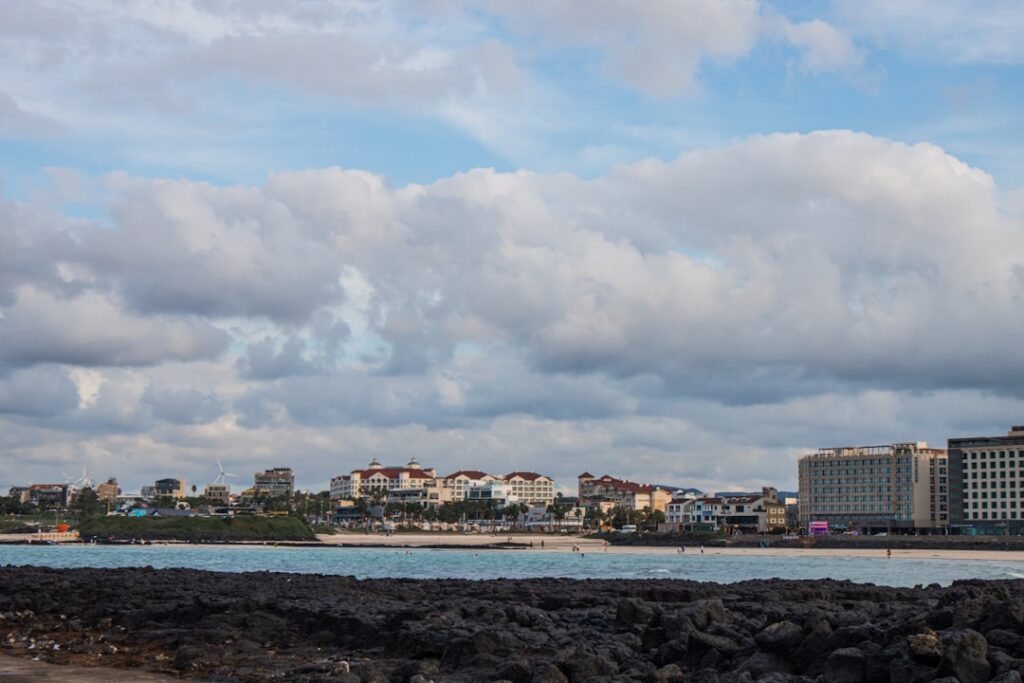
Breathtaking coastal landscape of Jeju Island, Jeju City, South Korea
- Historic Architecture: The Samseonghyeol Shrine, dating to the 15th century, is a sacred site where legend says the island’s three founding demigods emerged from the ground.
- Cultural Scene: The Jeju Fire Festival, held every March, reenacts the ancient practice of burning fields to pray for a good harvest with massive torch-lit parades and rituals.
- Local Specialties: You must try Jeju black pork (*heukdwaeji*), a richly marbled meat from free-range pigs, best enjoyed grilled at a local *gogi-jip* (meat house).
Pro Tip: Visit between late September and November. You’ll avoid the peak summer humidity and crowds, enjoy perfect hiking weather (15-22°C), and witness the stunning silver grass fields on Hallasan Mountain in full bloom. Weekdays are significantly quieter at major sites.
Map of Jeju City, South Korea
Use these interactive maps to explore Jeju City, South Korea and plan your route:
📍 View Jeju City, South Korea on OpenStreetMap
🗺️ Open Jeju City, South Korea in Google Maps
Planning Your Trip: Practical Essentials
Getting There and Around
- By Air: Jeju International Airport (CJU) is a major hub with frequent flights from Seoul (Gimpo/Incheon), Busan, and other Asian cities. Book flights at Skyscanner for best deals.
- By Train: There are no trains on Jeju Island. Access is by air or ferry from mainland ports like Mokpo.
- By Car: Renting a car is the best way to explore the island independently. An International Driving Permit is required. Compare car rentals at RentalCars.com.
- Local Transport: City buses (₩1,200/ride) cover Jeju City well. For island-wide travel, the “Jeju City Tour Bus” loop (₩12,000/day) hits major sights. Taxis are affordable for short trips.
Best Time to Visit
Jeju has a temperate climate, but each season offers a distinct character. Shoulder seasons provide the ideal balance of good weather and manageable tourism.
| Season | Weather | Highlights |
|---|---|---|
| Summer (Jun–Aug) | Warm, 22-28°C, humid with monsoon rains in July. | Beaches are lively, festivals abound, but it’s peak tourist season with higher prices. |
| Winter (Dec–Feb) | Cool, 3-8°C, windy with occasional snow on Hallasan. | Low season crowds, dramatic coastal scenery, and delicious hotpot meals. Some attractions have shorter hours. |
| Shoulder (Apr–May/Sep–Oct) | Mild, 15-24°C, with low rainfall and clear skies. | Perfect for hiking Hallasan, exploring outdoors, and enjoying local markets in comfort. The best overall experience. |
Budgeting for Jeju City, South Korea

Peaceful beach view with Seongsan Ilchulbong peak on Jeju Island, South Korea., Jeju City, South Korea
| Category | Budget | Mid-range | Luxury |
|---|---|---|---|
| Accommodation | Guesthouse/Hostel: ₩25,000-50,000 | 3-4 Star Hotel: ₩80,000-150,000 | 5-Star Resort/Premium Hanok: ₩250,000+ |
| Meals | Market stalls/Convenience food: ₩10,000-15,000 | Local restaurants: ₩20,000-40,000 | Fine dining (Black pork/Seafood): ₩70,000+ |
| Transport | Public bus only: ₩5,000 | Taxi day trips/Car rental: ₩30,000-70,000 | Private driver: ₩150,000+ |
| Activities | Free hikes, beaches, markets | Museum entries, tours: ₩10,000-20,000 | Private guides, premium experiences |
| Daily Total | ₩40,000-70,000 (~$30-55) | ₩130,000-250,000 (~$100-190) | ₩470,000+ (~$350+) |
Top Attractions and Must-See Sights
| Attraction | Description | Hours | Entry Fee |
|---|---|---|---|
| Dongmun Traditional Market | A sprawling, sensory-overload market operating since 1945, famous for fresh seafood, street food, and local handicrafts. | 8:00 AM – 9:00 PM (Food section later) | Free |
| Yongduam (Dragon Head Rock) | A dramatic 10-meter tall lava rock formation resembling a dragon’s head, best visited at sunset for stunning photos. | Open 24/7 | Free |
| Jeju Folk Natural History Museum | Provides essential context on Jeju’s unique culture, from volcanic geology to haenyeo (female divers) and shamanic traditions. | 8:30 AM – 6:30 PM (Last entry 5:30 PM) | ₩1,100 |
| Samseonghyeol Shrine | The mythical birthplace of Jeju’s founding clans, this serene park features three holes in the ground and ancient ginkgo trees. | 8:30 AM – 6:30 PM | ₩2,500 |
3-Day Itinerary: Jeju City, South Korea’s Highlights & Hidden Gems
Day 1: Historic Heart & Market Flavors
- Morning (7-9 AM): Start at **Samseonghyeol Shrine** for a peaceful walk among ancient trees before the crowds arrive. The site opens at 8:30 AM.
- Afternoon (12-3 PM): Dive into **Dongmun Traditional Market**. For lunch, head to the food alley and grab a seat at **Nolman** for a legendary bowl of spicy noodle soup with fresh crab (₩8,000). Then, explore the maze of stalls selling everything from dried seafood to Jeju tangerine chocolate.
- Evening (6-8 PM): Walk to **Yongduam (Dragon Head Rock)** for sunset. Afterwards, enjoy a Jeju black pork barbecue dinner at **Donsadon** (₩25,000 per person), a no-frills restaurant famously frequented by Korean celebrities.
Day 2: Coastal Wonders & Island Culture
- Morning (8 AM): Rent a car or take a taxi (₩15,000) to **Gwakji Gwamul Beach**, a 30-minute drive west. It’s a beautiful, less crowded beach with clear water, perfect for a morning stroll.
- Afternoon (1 PM): Head to the **Haenyeo Museum** in Hado-ri (₩1,100 entry). This insightful museum honors the iconic female divers of Jeju, who free-dive without oxygen tanks. For lunch, try the **Haenyeo’s House** restaurant nearby for a fresh seafood stew.
- Evening (6 PM): Return to Jeju City and explore the **Iho Tewoo Beach** area. The twin red and white lighthouses are photogenic. Have a casual dinner at one of the seaside tents serving **hoe* (sashimi) and *soju*.
Day 3: Volcanic Landscapes & Artistic Flair
- Morning (8 AM): Drive or take a bus (Bus #740 or #780, 1.5 hours) to the **Seongsan Ilchulbong (Sunrise Peak)**. While famous for sunrise, it’s stunning any time. Hike to the crater rim (₩5,000 entry, 30-minute climb) for breathtaking coastal views.
- Afternoon (1 PM): Visit the nearby **Seongeup Folk Village** to see traditional thatched-roof houses (*choga*) and stone statues (*dol hareubang*). Grab a simple lunch of **jeonbokjuk** (abalone porridge) at a village restaurant.
- Evening (6 PM): Back in Jeju City, spend your final evening in the **Sinsan Park** area. Enjoy a farewell dinner at **Black Pork Street** (Heukdwaeji Geori), choosing any bustling restaurant, before a stroll through the park’s illuminated gardens.
Cultural Insights & Etiquette
- Language: Korean is spoken. Learn a few phrases: *Annyeonghaseyo* (Hello), *Kamsahamnida* (Thank you), *Heukdwaeji juseyo* (Black pork, please). English is limited outside hotels/tourist spots; a translation app is handy.
- Customs: Receive items with both hands. The *dol hareubang* (stone grandfather) statues are symbols of protection; touching them is considered good luck. Respect the *haenyeo* culture; they are revered community elders.
- Tipping: Not customary or expected in South Korea. A simple thank you is sufficient.
- Dress Code: Casual but neat. Cover up when visiting temples or shrines. Pack layers and a windbreaker as coastal weather changes quickly.
- Business Hours: Most shops open 10 AM-8 PM. Restaurants typically 11 AM-10 PM. Banks and government offices 9 AM-6 PM weekdays. Many museums are closed on Mondays.
Where to Eat: Jeju City, South Korea’s Best Bites
Jeju cuisine is defined by the sea and the land. Seafood is unbeatably fresh, and the island’s black pork and hallabong oranges are culinary celebrities. Dining is often communal and interactive, especially at barbecue joints.
Must-Try Local Specialties
- Heukdwaeji (Black Pork) Grill: The must-eat experience. The pork is thick-cut and grilled over charcoal. Dip in *ssamjang* (paste) and wrap in lettuce. Best tried on **Black Pork Street**.
- Haemul Tang (Spicy Seafood Stew): A bubbling red cauldron filled with crab, shellfish, and vegetables. **Dongmun Market’s** food alley has excellent, no-frills versions.
- Hallabong Everything: This sweet, seedless mandarin orange appears in chocolate, jam, ice cream, and fresh juice. The **Hallabong Soft Serve** at markets is a perfect treat.
Restaurant Recommendations by Budget
| Type | Restaurant | Specialty | Price Range |
|---|---|---|---|
| Budget | Nolman (Dongmun Market) | Spicy Crab Noodle Soup | ₩8,000-10,000 |
| Mid-range | Donsadon (Black Pork Street) | Premium Black Pork Barbecue Set | ₩25,000-35,000 pp |
| Fine dining | Gaon (Hyatt Regency) | Modern Korean Tasting Menu with Jeju Ingredients | ₩120,000+ pp |
Where to Stay
Accommodation ranges from backpacker hostels to luxury resorts. Staying in the **Old City** or near **Yongdam** puts you close to markets and restaurants, while the **Iho** area offers beach proximity. Compare prices and book at Booking.com or Airbnb for apartments.
Best Neighborhoods for Accommodation
- Old City (Near Dongmun Market): The historic and commercial core. You’ll be steps from markets, street food, and bus terminals. Best for first-time visitors who want to be in the thick of it. Can be noisy at night.
- Yongdam/Shin Jeju: A more modern area with newer hotels, cafes, and shopping. Well-connected by bus. Offers a cleaner, more polished experience while still being close to the action.
- Iho Tewoo Area: Right on the coast near the lighthouses. Ideal for travelers prioritizing sea views and beach walks. You’ll need a car or bus to reach main city attractions.

Black and white view of Seongsan Ilchulbong from Jeju beach, South Korea., Jeju City, South Korea
FAQs: Your Jeju City, South Korea Questions Answered
1. Is Jeju City, South Korea safe at night?
Yes, it is remarkably safe. Violent crime is very rare. You can comfortably walk in well-lit areas at night. Standard precautions like watching your belongings in crowded markets still apply.
2. What currency is used and are credit cards accepted?
The South Korean Won (₩) is used. Credit cards (Visa/Mastercard) are widely accepted in hotels, restaurants, and larger shops. However, smaller market stalls, food trucks, and some taxis may only accept cash. It’s wise to carry some ₩20,000-₩50,000 notes.
3. How do I get from the airport to the city center?
Jeju Airport is very close to the city. A taxi to the Old City takes 10-15 minutes and costs ₩5,000-₩8,000. Public buses (like #100, #500) go to major hubs for ₩1,200. Book airport transfers at GetYourGuide for convenience.
4. Do I need to speak the local language?
Not necessarily, but it helps. In tourist areas and hotels, basic English is understood. Having your destination written in Korean (or a map pin) is invaluable for taxi drivers. Learning a few polite phrases is always appreciated.
5. What’s the appropriate dress code?
Smart-casual is fine everywhere. Jeju is more relaxed than Seoul. For hiking Hallasan, proper shoes and layers are essential. When visiting temples or shrines, avoid overly revealing clothing (short shorts, tank tops).
Final Thoughts: Jeju City, South Korea Awaits
Jeju City

