
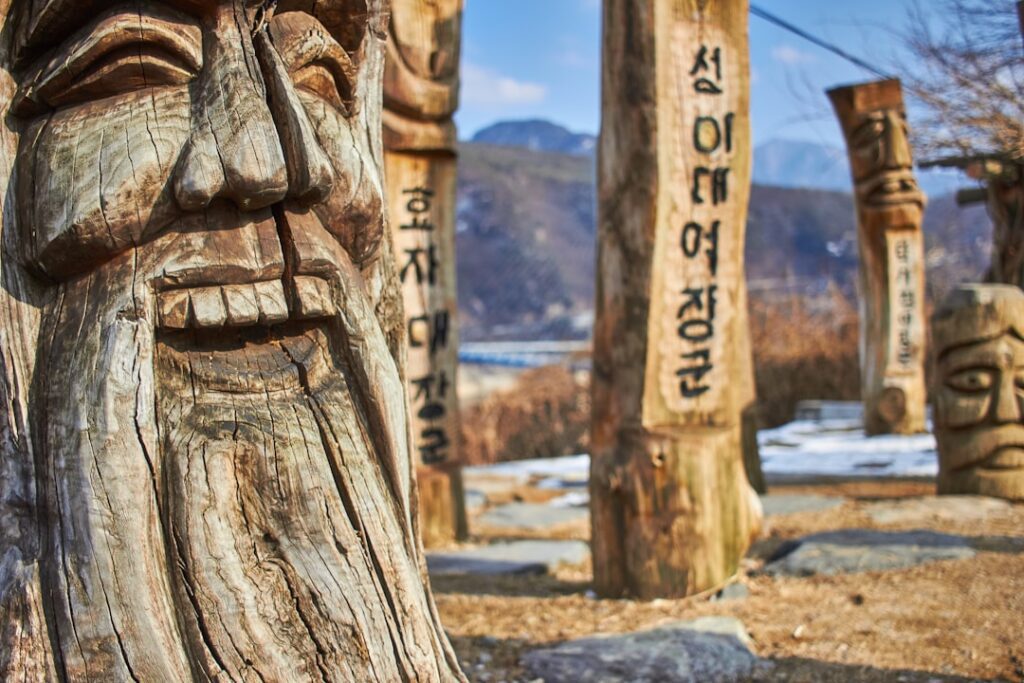
Jecheon, South Korea’s Incredible Lakes, Legends & Mountain Serenity (2026)
While crowds flock to Seoul’s palaces and Busan’s beaches, Jecheon delivers a profound, restorative connection to Korea’s natural and spiritual heart without the queues and noise. Here, the “City of Water” isn’t a marketing slogan—it’s your reality, framed by the vast, mirror-like Cheongpung Lake and the sacred peaks of Woraksan National Park. Savvy travelers choose differently to find hanok stays where the only sound is a stream, and temples seem to grow from the mountainside.
Why Jecheon, South Korea Stands Out

Brown and white pagoda house, Jecheon, South Korea
- Historic Architecture: The stunning Cheongpung Cultural Properties Complex, where 30+ traditional hanok and pavilions were relocated in the 1970s to save them from a new dam, creating an open-air museum of Joseon-era elegance.
- Cultural Scene: The annual Jecheon International Music & Film Festival (JIMFF) in August, which transforms the lakeside into a cinematic wonderland with open-air screenings and live concerts under the stars.
- Local Specialties: Dakgalbi, but not like you’ve had elsewhere—Jecheon’s version features tender chicken stir-fried in a savory sauce with local sweet potatoes and rice cakes, best enjoyed in a lakeside restaurant.
Pro Tip: For the perfect blend of comfortable weather and vibrant color, visit during the last two weeks of October. The autumn foliage around Cheongpung Lake and Woraksan National Park is spectacular, and you’ll avoid the summer festival crowds and the biting cold of winter.
Map of Jecheon, South Korea
Use these interactive maps to explore Jecheon, South Korea and plan your route:
📍 View Jecheon, South Korea on OpenStreetMap
🗺️ Open Jecheon, South Korea in Google Maps
Planning Your Trip: Practical Essentials
Getting There and Around
- By Air: The nearest major airport is Incheon International Airport (ICN). From there, take the KTX high-speed train to Cheongnyangni Station in Seoul, then transfer to a Mugunghwa or ITX train to Jecheon Station (total travel time: ~3 hours). Book flights at Skyscanner for best deals.
- By Train: Jecheon is well-connected by rail. The KTX from Seoul’s Cheongnyangni Station takes about 1 hour 20 minutes. Regular Mugunghwa trains take closer to 2.5 hours but are more scenic. Reserve tickets at Trainline or the national railway website.
- By Car: Driving from Seoul takes about 2 hours via the Jungang Expressway (Route 55). A car is highly recommended for exploring the surrounding national parks and lake areas at your own pace. Compare car rentals at RentalCars.com.
- Local Transport: The city has a reliable local bus network, but services to outlying attractions like Cheongpung can be infrequent. Taxis are affordable for short trips; for a full day of sightseeing, hiring a taxi for 4-5 hours costs around 80,000-100,000 KRW.
Best Time to Visit
Jecheon shines in every season, but each offers a distinctly different experience. Shoulder seasons provide the ideal balance of pleasant weather and manageable crowds.
| Season | Weather | Highlights |
|---|---|---|
| Summer (Jun–Aug) | Warm, 22-30°C (72-86°F), humid with monsoon rains in July. | Lakeside activities, the Jecheon International Music & Film Festival in August, lush green mountains. Can be crowded. |
| Winter (Dec–Feb) | Cold, -5 to 5°C (23-41°F), with occasional snowfall. | Stunning snowy mountain vistas, serene temple stays with fewer visitors, and hearty local stews. Some attractions have reduced hours. |
| Shoulder (Apr–May/Sep–Oct) | Mild, 10-22°C (50-72°F), with low rainfall. | Perfect hiking weather, brilliant autumn foliage (Oct), spring blossoms (Apr-May), and the most comfortable conditions for exploration. |
Budgeting for Jecheon, South Korea

A black and white photo of a snowy day, Jecheon, South Korea
| Category | Budget | Mid-range | Luxury |
|---|---|---|---|
| Accommodation | 30,000-50,000 KRW (hostel/guesthouse) | 80,000-150,000 KRW (business hotel/hanok stay) | 200,000+ KRW (luxury resort/spa) |
| Meals | 8,000-15,000 KRW (street food, casual meals) | 20,000-40,000 KRW (restaurant meals) | 60,000+ KRW (fine dining with lake views) |
| Transport | 5,000 KRW (local buses) | 30,000-50,000 KRW (daily taxi hires) | 100,000+ KRW (private driver) |
| Activities | 0-10,000 KRW (hiking, temple visits) | 15,000-30,000 KRW (museum entries, boat rides) | 50,000+ KRW (private guided tours) |
| Daily Total | 45,000-80,000 KRW (~$35-60) | 145,000-270,000 KRW (~$110-205) | 410,000+ KRW (~$310+) |
Top Attractions and Must-See Sights
| Attraction | Description | Hours | Entry Fee |
|---|---|---|---|
| Cheongpung Cultural Properties Complex | A breathtaking open-air museum of rescued Joseon-era buildings set on a peninsula in the lake. | 9:00 AM – 6:00 PM (Mar-Oct), 9:00 AM – 5:00 PM (Nov-Feb) | 3,000 KRW |
| Woraksan National Park (Suvuseon Temple) | Home to the awe-inspiring Suvuseon Temple, a hermitage seemingly clinging to a vertical cliff face. | Sunrise to Sunset (Park always open, temple hours vary) | Free (Park), 2,500 KRW (Temple) |
| Jecheon Rail Bike | Pedal a rail cart along a disused train track with stunning views of the lake and mountains. | 9:00 AM – 5:00 PM (Varies by season, bookings essential) | 25,000-35,000 KRW per cart (2-4 person) |
| Uirimji Reservoir & Provincial Park | A serene, ancient reservoir from the Goryeo Dynasty, perfect for leisurely walks and picnics under willow trees. | Open 24 hours | Free |
3-Day Itinerary: Jecheon, South Korea’s Highlights & Hidden Gems
Day 1: Historic Waters & Cultural Echoes
- Morning (9:00 AM): Start at the **Cheongpung Cultural Properties Complex**. Allow 2.5 hours to wander the hanok village, cross the elegant bridges, and visit the Cheongpung Myeongwol House. Your best bet is to get there early to enjoy the morning light over the lake.
- Afternoon (12:30 PM): Enjoy lunch at **Cheongpung Dakgalbi**, a local institution right by the complex, specializing in the iconic stir-fried chicken dish (approx. 15,000 KRW per person). Afterwards, take a **30-minute scenic boat cruise** (8,000 KRW) from the nearby dock to see the complex from the water.
- Evening (6:00 PM): Head back to Jecheon city center. For dinner, try **Jecheon Jungang Sikdang** for a hearty Korean set meal. Then, take a stroll along the **Namhan Riverwalk**, beautifully lit up at night.
Day 2: Mountain Spirits & Temple Thrills
- Morning (8:00 AM): Drive or take a taxi (approx. 40 min) to **Woraksan National Park**. Hike the well-maintained 1.5-hour trail to **Suvuseon Temple** (2,500 KRW entry). The final approach involves steep stairs and a narrow ledge—the adrenaline is part of the spiritual experience.
- Afternoon (1:00 PM): Descend and have a simple temple-style lunch at one of the park’s small restaurants. Then, visit the nearby **Bulyeongsa Temple**, a larger, more accessible temple known for its peaceful atmosphere and beautiful bronze bell.
- Evening (6:30 PM): Return to the city. Treat yourself to a traditional **Korean BBQ** dinner at **Samwon Garden Jecheon**. Afterwards, if you’re visiting in summer, check the schedule for evening performances at the **Jecheon Arts Center**.
Day 3: Scenic Rides & Serene Reservoirs
- Morning (10:00 AM): Book a session on the **Jecheon Rail Bike** (book online in advance, 35,000 KRW for a 2-person cart). The 70-minute pedal-powered journey offers unparalleled views of Lake Cheongpung and is surprisingly relaxing.
- Afternoon (12:30 PM): Have lunch near the rail bike terminal. Then, visit the ancient **Uirimji Reservoir**. Walk across the historic stone dam and rent a duck paddle boat (10,000 KRW) for a leisurely time on the tranquil water.
- Evening (5:00 PM): For your final evening, savor **Chueotang** (loach soup), a famous local delicacy believed to boost stamina, at **Yetchon Chueotang**. It’s a uniquely Jecheon culinary adventure.
Cultural Insights & Etiquette
- Language: Basic Korean phrases go a long way. Learn “Annyeonghaseyo” (Hello), “Gamsahamnida” (Thank you), and “Juseyo” (Please give me). In tourist areas, some English is understood, but have a translation app ready.
- Customs: When visiting temples, dress modestly (cover shoulders and knees). Bow slightly when receiving something with both hands. It’s polite to pour drinks for others, and never pour your own.
- Tipping: Tipping is not customary in South Korea and can sometimes cause confusion. A simple thank you is sufficient.
- Dress Code: Casual and comfortable for daytime. Bring layers for the mountains. For nicer restaurants, smart-casual is appropriate. Always have socks handy, as you’ll remove shoes in hanok, temples, and some restaurants.
- Business Hours: Most shops open 10:00 AM-8:00 PM. Restaurants typically serve lunch 12:00-2:00 PM and dinner 5:00-9:00 PM. Many museums are closed on Mondays.
Where to Eat: Jecheon, South Korea’s Best Bites
Jecheon’s cuisine is defined by its clean mountain water and fresh local produce. Dining is a relaxed, communal affair, with a focus on shared plates and robust flavors that reflect the hearty lifestyle of the region.
Must-Try Local Specialties
- Jecheon Dakgalbi: The city’s signature dish. Unlike the Chuncheon style, it often includes sweet potato and a slightly sweeter, less spicy sauce. Head to any restaurant around Cheongpung Lake for the authentic experience.
- Chueotang (Loach Soup): A nutritious and savory soup made from ground loach fish, a regional specialty. It has a unique, earthy flavor and is a beloved local comfort food.
- Sanchae Jeongol (Mountain Vegetable Hot Pot): A flavorful hot pot brimming with wild edible greens and mushrooms foraged from Woraksan Mountain, perfect after a day of hiking.
Restaurant Recommendations by Budget
| Type | Restaurant | Specialty | Price Range |
|---|---|---|---|
| Budget | Jecheon Jungang Sikdang (Downtown) | Affordable and delicious Korean set meals (jeongsik) | 8,000-12,000 KRW |
| Mid-range | Cheongpung Dakgalbi (Cheongpung Lake area) | The definitive Jecheon-style stir-fried chicken | 15,000-25,000 KRW per person |
| Fine dining | Lakeside View Restaurant (at Cheongpung Resort) | Modern Korean cuisine with stunning panoramic lake views | 50,000+ KRW per person |
Where to Stay
Accommodation in Jecheon ranges from convenient city hotels to unique traditional hanok stays and lakeside resorts. Staying near the city center offers easy access to transport and restaurants, while a hanok or resort provides a more immersive experience. Compare prices and book at Booking.com or Airbnb for apartments.
Best Neighborhoods for Accommodation
- Jecheon Station Area: The most convenient for train arrivals and bus connections. You’ll find a cluster of business hotels and motels here. Ideal for travelers prioritizing transport and quick access to the city.
- Downtown (Jungang-dong): The heart of the city, close to restaurants, cafes, and the riverwalk. Offers a good mix of hotels and guesthouses with a lively local atmosphere.
- Cheongpung Lake Area: For scenery and tranquility. Options include traditional hanok stays within the Cultural Complex and a few resorts. Requires a car or taxi to reach, but you wake up to postcard-perfect views.

Serene stream and rocks in lush forest setting at daytime, Jecheon, South Korea
FAQs: Your Jecheon, South Korea Questions Answered
1. Is Jecheon, South Korea safe at night?
Jecheon is exceptionally safe, even at night. Violent crime is extremely rare. As in any city, practice general awareness, but you can comfortably walk in well-lit downtown areas. The main concern for evening hikes would be wildlife in national parks, not personal safety.
2. What currency is used and are credit cards accepted?
The South Korean Won (KRW) is the currency. Credit cards (Visa, Mastercard) are widely accepted in hotels, restaurants, and larger shops. However, it’s wise to carry some cash (30,000-50,000 KRW) for small family-run eateries, market stalls, temple donations, and rural taxi fares.
3. How do I get from the airport to the city center?
From Incheon Airport (ICN), the most efficient route is by train. Take the Airport Railroad Express (AREX) to Seoul Station, transfer to the subway to Cheongnyangni Station, then catch the KTX or Mugunghwa train to Jecheon Station (total: ~3 hours, ~45,000 KRW). Direct airport lim

