
Java, Indonesia’s Epic Temples, Volcanoes & Ancient Culture (2025)
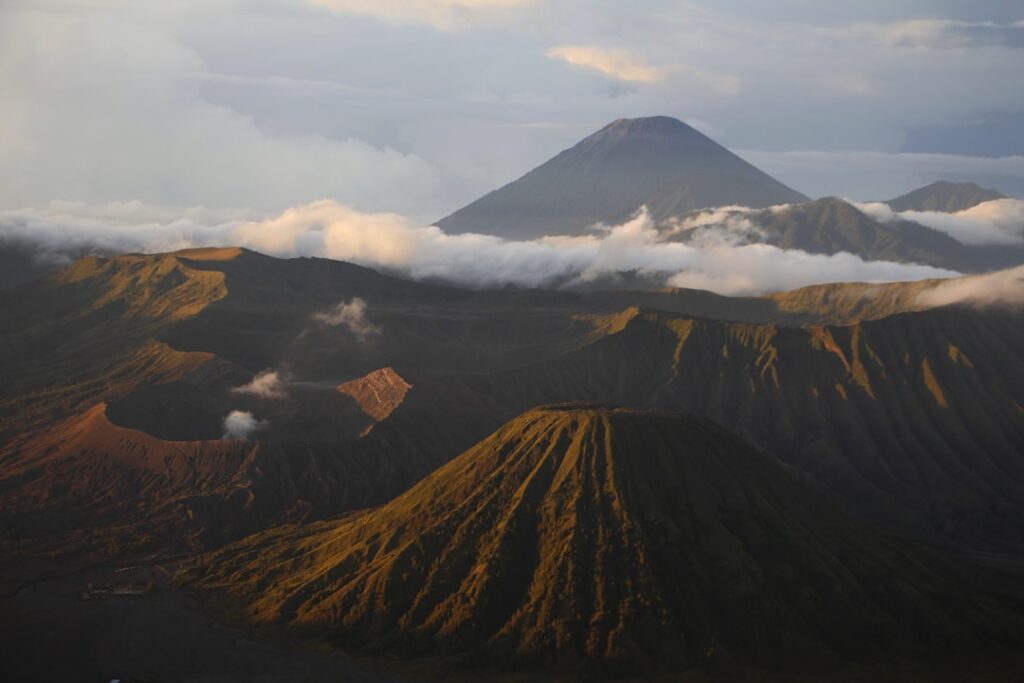
At 4:30 AM on Mount Bromo’s volcanic rim, you’ll hear the haunting chant of Tengger priests echoing across the caldera as sulfur-scented steam rises from the crater. This isn’t just sunrise tourism—it’s a 400-year-old Hindu ritual performed daily in one of Indonesia’s most active volcanic landscapes. While Bali draws the masses, Java offers this raw cultural authenticity where ancient traditions thrive alongside some of Southeast Asia’s most dramatic natural wonders, all accessible for a fraction of Bali’s prices.
Why Java, Indonesia Stands Out

Photography of silhoutte of mountains, Java, Indonesia
- Historic Architecture: Borobudur Temple (9th century), the world’s largest Buddhist temple featuring 2,672 relief panels and 504 Buddha statues
- Cultural Scene: Ramayana Ballet performances at Prambanan Temple during full moons, where ancient Hindu epics come alive against 9th-century temple silhouettes
- Local Specialties: Gudeg Jogja, a slow-cooked jackfruit stew with chicken, egg, and rice, simmered for hours in coconut milk and Javanese spices
Pro Tip: Visit between April and October during the dry season, but arrive at major temples like Borobudur before 6 AM to experience sunrise without the crowds—the gates open at 4:30 AM for sunrise tickets, and you’ll have the monument largely to yourself until tour buses arrive around 8 AM.
Map of Java, Indonesia
Use these interactive maps to explore Java, Indonesia and plan your route:
📍 View Java, Indonesia on OpenStreetMap
🗺️ Open Java, Indonesia in Google Maps
Planning Your Trip: Practical Essentials
Getting There and Around
- By Air: Soekarno-Hatta International Airport (CGK) in Jakarta handles most international flights, while Juanda Airport (SUB) in Surabaya offers better access to eastern Java. Garuda Indonesia and Lion Air serve domestic routes. Book flights at Skyscanner for best deals.
- By Train: Java’s railway network connects major cities efficiently—Jakarta to Yogyakarta takes 8 hours on executive class trains with comfortable seating and food service. Reserve tickets at Trainline or the national railway website.
- By Car: The Trans-Java Toll Road makes driving between cities feasible, though local driving can be chaotic. Renting with a driver costs approximately $40-60/day. Compare car rentals at RentalCars.com.
- Local Transport: Go-Jek and Grab bike taxis cost $1-3 per ride in cities, while becak (cycle rickshaws) offer short-distance travel for $2-5. Check official city transport websites for passes and schedules.
Best Time to Visit
Java’s tropical climate means you’ll want to plan around the rainy season, with the dry months offering optimal conditions for temple visits and volcano hikes while avoiding muddy trails and sudden downpours.
| Season | Weather | Highlights |
|---|---|---|
| Dry Season (Apr–Oct) | 27-32°C, minimal rainfall, clear skies | Perfect for volcano sunrise views and temple photography with smaller crowds in shoulder months |
| Wet Season (Nov–Mar) | 25-29°C, heavy afternoon rains, high humidity | Lush green landscapes but challenging for hiking, with occasional temple closures due to storms |
| Shoulder (Apr–May/Sep–Oct) | 28-31°C, occasional brief showers | Ideal balance of good weather, lower prices, and manageable tourist numbers |
Budgeting for Java, Indonesia

Landscape photo of coconut trees, Java, Indonesia
| Category | Budget | Mid-range | Luxury |
|---|---|---|---|
| Accommodation | $15-25/night (guesthouses, hostels) | $40-80/night (boutique hotels) | $120-300/night (5-star resorts) |
| Meals | $2-5 (street food, warungs) | $8-15 (restaurant meals) | $25-50 (fine dining) |
| Transport | $5-10 (public transport, ride-sharing) | $20-40 (private car with driver) | $60-100 (private tours) |
| Activities | $10-20 (temple entries, local tours) | $25-50 (guided volcano hikes) | $75-150 (private cultural experiences) |
| Daily Total | $35-60 | $95-185 | $280-600 |
Top Attractions and Must-See Sights
| Attraction | Description | Hours | Entry Fee |
|---|---|---|---|
| Borobudur Temple | World’s largest Buddhist monument with stunning sunrise views over surrounding volcanoes | 6 AM-5 PM (4:30 AM for sunrise) | $25 (includes museum) |
| Prambanan Temple | 9th-century Hindu temple complex with intricate carvings depicting Ramayana epic | 6 AM-5 PM | $25 |
| Mount Bromo | Active volcano in Sea of Sand caldera with otherworldly landscapes and sunrise viewpoints | 24 hours (best 3-9 AM) | $8 (weekdays), $12 (weekends) |
| Kraton Yogyakarta | Still-inhabited royal palace of Yogyakarta Sultanate with daily cultural performances | 8:30 AM-2 PM (closed Fridays) | $5 |
3-Day Itinerary: Java, Indonesia’s Highlights & Hidden Gems
Day 1: Ancient Temples & Royal Culture
- Morning: 4:30 AM sunrise at Borobudur Temple ($35 including early access) to watch the mist lift over surrounding volcanoes. Arrive by 4 AM for the best photography spots as only 150 sunrise tickets are sold daily.
- Afternoon: Explore Prambanan Temple’s Hindu complex and have lunch at Pondok Makan Bu Djoko ($8-12) for authentic gudeg with crispy chicken skin and spicy sambal.
- Evening: Attend the Ramayana Ballet performance at Prambanan’s open-air theater ($15-30) during full moon nights, followed by dinner at Jejamuran ($15-25) for creative mushroom dishes.
Day 2: Volcanic Landscapes & Local Crafts
- Morning: 3 AM jeep tour to Mount Bromo sunrise viewpoint ($25 per person) – dress warmly as temperatures drop to 5°C at the 2,770-meter viewpoint overlooking the active crater.
- Afternoon: Horseback ride across the Sea of Sand to Bromo’s crater rim ($10) and have late lunch at Lava View Lodge ($12-18) with panoramic volcano views.
- Evening: Return to Malang city for dinner at Ikan Bakar Cianjur ($10-15) for grilled seafood, then explore the colorful Jodipan Village painted houses.
Day 3: Cultural Immersion & Hidden Waterfalls
- Morning: Private car to Tumpak Sewu waterfall ($15 transport, $3 entry) – the “Indonesian Niagara” with multiple tiers cascading into a lush canyon, best photographed before 10 AM.
- Afternoon: Traditional batik workshop at Kampung Batik Laweyan ($20 including materials) where you’ll learn wax-resist techniques from master artisans, followed by lunch at Soto Kadipiro ($4-6) for Central Java’s signature turmeric chicken soup.
- Evening: Final dinner at Mediterranea Restaurant ($25-40) in Yogyakarta for Indonesian fusion cuisine in a colonial-era building, then explore Alun-Alun Kidul’s illuminated square with its famous “drunk trees.”
Cultural Insights & Etiquette
- Language: Bahasa Indonesia is the official language—learn “terima kasih” (thank you), “permisi” (excuse me), and “berapa harganya?” (how much?)
- Customs: Always use your right hand for giving/receiving items and eating; remove shoes before entering homes and temples
- Tipping: Not expected but appreciated—round up taxi fares, 5-10% at restaurants if service charge isn’t included
- Dress Code: Conservative clothing for temples (cover shoulders and knees); sarongs often provided but bringing your own shows respect
- Business Hours: Most businesses open 8 AM-4 PM with midday breaks; Friday prayers mean many close 11 AM-1 PM
Where to Eat: Java, Indonesia’s Best Bites
Javanese cuisine balances sweet, spicy, and savory flavors with complex spice pastes (bumbu) that vary by region. Yogyakarta specializes in sweeter dishes, while East Java offers spicer fare. Street food stalls (warungs) provide the most authentic experiences, with hygiene standards generally good in busy establishments.
Must-Try Local Specialties
- Gudeg: Slow-cooked young jackfruit with chicken, egg, and rice in coconut milk—try at Gudeg Yu Djum in Yogyakarta where it’s been perfected over 70 years
- Rawon: Black beef soup colored with keluak nuts—head to Rawon Setan in Surabaya, open until 2 AM for this legendary midnight snack
- Sate Klathak: Goat satay grilled with bicycle chain spokes—find the original at Sate Klathak Jogja, established 1970 with constant lines
Restaurant Recommendations by Budget
| Type | Restaurant | Specialty | Price Range |
|---|---|---|---|
| Budget | Angkringan Lik Man (Yogyakarta) | Late-night rice packets with various toppings | $1-3 per meal |
| Mid-range | Omah Dhuwur (Magelang) | Traditional Javanese rijsttafel with volcano views | $12-20 per person |
| Fine dining | Amsterdam Bar & Grill (Malang) | Indonesian-Dutch fusion in historic building | $25-45 per person |
Where to Stay
Yogyakarta serves as the cultural hub with best temple access, while Malang offers better volcano proximity. Boutique hotels in renovated colonial buildings provide the most character. Compare prices and book at Booking.com or Airbnb for apartments.
Best Neighborhoods for Accommodation
- Prawirotaman, Yogyakarta: Tourist-friendly with boutique hotels, restaurants, and easy transport to temples—ideal for first-time visitors
- Klojen, Malang: Central location near colorful villages and coffee shops, with better value than upscale areas
- Gubeng, Surabaya: Business district with good hotels and train station access, perfect for stopovers between destinations

Aerial photography of volcano, Java, Indonesia
FAQs: Your Java, Indonesia Questions Answered
1. Is Java, Indonesia safe at night?
Generally very safe, especially in tourist areas—use common sense like avoiding dark alleys and securing valuables. Go-Jek and Grab provide reliable transportation until late. Solo female travelers report feeling comfortable, though dressing modestly draws less attention.
2. What currency is used and are credit cards accepted?
Indonesian Rupiah (IDR) is the currency—carry cash for markets, street food, and transportation as credit cards are mainly accepted at hotels and upscale restaurants. ATMs are widely available in cities but scarce in rural areas.
3. How do I get from the airport to the city center?
From Yogyakarta Airport (YIA), DAMRI airport buses cost $3 to the city (1 hour), while taxis run $10-15. From Surabaya Airport (SUB), taxis cost $8-12 to the city center (30 minutes). Book airport transfers at GetYourGuide for convenience.
4. Do I need to speak the local language?
English is widely spoken in tourist areas, though learning basic Indonesian phrases enhances your experience. In rural areas, simple English combined with gestures usually suffices. Locals appreciate attempts to speak their language.
5. What’s the appropriate dress code?
Light, breathable fabrics that cover shoulders and knees for temple visits—carry a scarf for spontaneous temple stops. At volcanoes, wear layers as temperatures range from 5°C at sunrise to 25°C by midday. Comfortable walking shoes are essential.
Final Thoughts: Java, Indonesia Awaits
Java offers what many travelers seek but rarely find—ancient cultures still vibrantly alive, landscapes that feel otherworldly, and hospitality that makes you feel genuinely welcome. From watching Buddhist monks circle Borobudur at dawn to hearing volcanic activity rumble beneath your feet at Bromo, this island delivers moments that stay with you long after you’ve returned home. Savvy travelers know to allocate at least 5-7 days to properly experience Java’s highlights without rushing. Don’t make the common mistake of treating it as a quick stop between Bali flights—this cultural heartland deserves your full attention and rewards it with experiences you won’t find anywhere else in Indonesia.

