
Jauja, Peru’s Best Colonial Charm, Andean Landscapes & Living Traditions (2026)
Ask locals about Jauja, Peru, and they’ll tell you about the “City of Eternal Spring,” a title earned for its year-round temperate climate at 3,400 meters. Most guidebooks miss this completely, rushing travelers to nearby Huancayo. Yet, in 1534, Francisco Pizarro declared Jauja the first capital of Peru, a fact still etched in its cobblestone streets and grand, sun-bleached chapels. Today, you’ll find a living museum where pre-Inca history, Spanish colonial ambition, and vibrant Quechua culture converge in quiet authenticity.
Why Jauja, Peru Stands Out

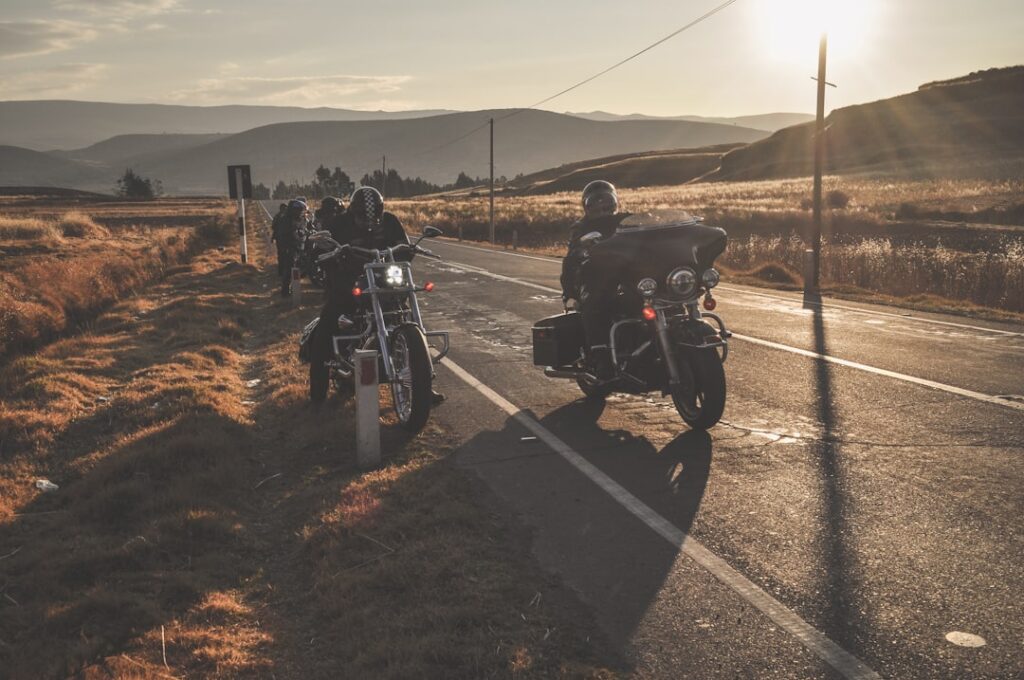
A couple of motorcycles that are sitting in the street, Jauja, Peru
- Historic Architecture: The 16th-century Capilla de Cristo Pobre, a rare Gothic-style church built with French influence, stands as a testament to Jauja’s unique colonial fusion.
- Cultural Scene: The vibrant Carnaval Jaujino in February transforms the city with colorful *yunzas* (ritual tree-chopping), water fights, and traditional dances like the *Tunantada*.
- Local Specialties: You must try *Pachamanca Jaujina*, a pre-Hispanic feast of meats and potatoes slow-cooked with herbs in underground stone ovens.
Pro Tip: For the perfect blend of good weather and cultural immersion, visit during the shoulder months of April-May or September-October. You’ll avoid the heavy rains of January-March and the peak festival crowds, securing better hotel rates and a more relaxed pace to explore.
Map of Jauja, Peru
Use these interactive maps to explore Jauja, Peru and plan your route:
📍 View Jauja, Peru on OpenStreetMap
🗺️ Open Jauja, Peru in Google Maps
Planning Your Trip: Practical Essentials
Getting There and Around
- By Air: Fly into Lima’s Jorge Chávez International (LIM). From there, take a 7-hour scenic bus ride. Book flights at Skyscanner for best deals.
- By Train: The historic Ferrocarril Central Andino from Lima to Huancayo sometimes offers tourist services, passing Jauja. It’s one of the world’s highest railways. Check schedules well in advance. Reserve tickets at Trainline or the national railway website.
- By Car: The journey from Lima via the Central Highway (Carretera Central) takes 6-7 hours. Parking is generally easy in Jauja’s *plaza*. Compare car rentals at RentalCars.com.
- Local Transport: *Mototaxis* are the ubiquitous and affordable way to zip around town (S/ 3-5 per ride). For nearby villages, *colectivos* (shared vans) depart from designated street corners.
Best Time to Visit
Jauja’s highland climate means sunny days and cool nights year-round, but the rainy season brings lush landscapes and occasional travel delays.
| Season | Weather | Highlights |
|---|---|---|
| Dry Season (May–Sep) | Sunny days, cold nights (5°C to 20°C), minimal rain. | Ideal for hiking, clear mountain views, and exploring ruins. Peak tourist season for Peruvians. |
| Rainy Season (Dec–Mar) | Frequent afternoon showers, greener scenery (8°C to 18°C). | Lush countryside, fewer visitors, and the spectacular Carnaval Jaujino in February. |
| Shoulder (Apr & Oct–Nov) | Mild, transitional weather with sporadic rain (7°C to 19°C). | The sweet spot: pleasant temperatures, lower prices, and the landscape is still vibrant. |
Budgeting for Jauja, Peru
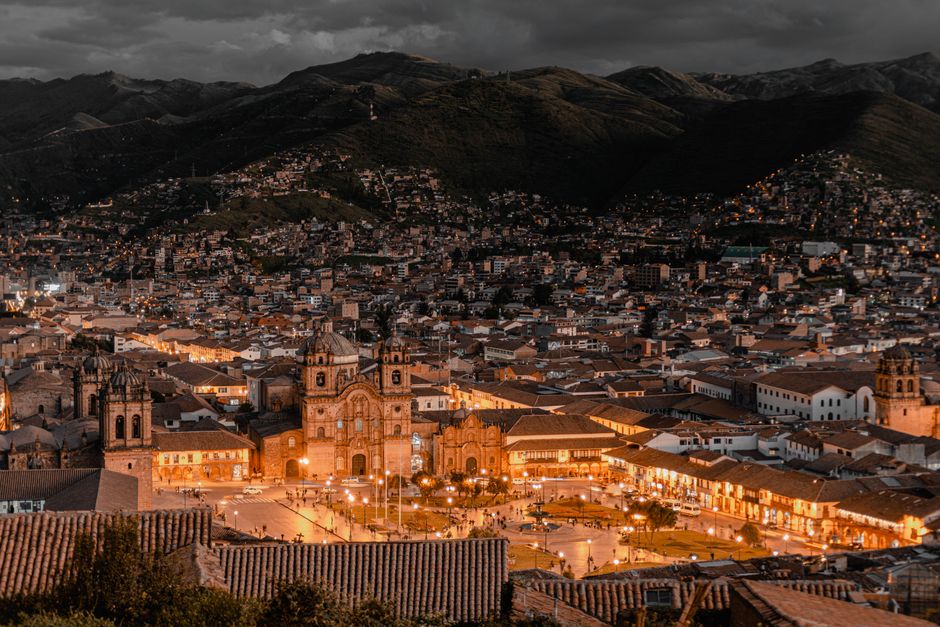
Aerial view of Cusco, Jauja, Peru
| Category | Budget | Mid-range | Luxury |
|---|---|---|---|
| Accommodation | Hostel/S/ 40-60 | Hotel/S/ 120-200 | Boutique Hacienda/S/ 300+ |
| Meals | Market & Menús/S/ 15-25 | Local Restaurants/S/ 30-50 | Fine Dining/S/ 80+ |
| Transport | Mototaxi & Colectivos/S/ 20 | Private Taxi Tours/S/ 80-150 | Private Driver/S/ 250+ |
| Activities | Plaza walks, free museums | Guided tours/S/ 50-100 | Private Pachamanca feast/S/ 200+ |
| Daily Total | S/ 80-110 | S/ 280-500 | S/ 800+ |
Top Attractions and Must-See Sights
| Attraction | Description | Hours | Entry Fee |
|---|---|---|---|
| Capilla de Cristo Pobre | A stunning 19th-century Gothic church with stained glass, unique in the Andes. | 9:00 AM – 5:00 PM (Mass times vary) | Free (donation appreciated) |
| Museo Arqueológico “Julio Espejo Núñez” | Houses over 1,500 artifacts from the pre-Inca Huanca culture and colonial periods. | Mon-Fri 9:00 AM – 1:00 PM, 3:00 PM – 6:00 PM | S/ 5 |
| Laguna de Paca | A serene lake 4km north, steeped in legends of hidden Inca treasure, perfect for boat rides. | Daylight hours | Free (Boat ride ~S/ 15) |
| Plaza de Armas & Colonial Mansions | The heart of the city, surrounded by elegant portals and historic buildings like the Municipal Palace. | Always open | Free |
3-Day Itinerary: Jauja, Peru’s Highlights & Hidden Gems
Day 1: Colonial Heart & Local Flavors
- Morning (7-9 AM): Start with a quiet stroll around the Plaza de Armas, admiring the fountain and colonial architecture in the soft morning light. Pop into the Capilla de Cristo Pobre when it opens.
- Afternoon (12-3 PM): Visit the Museo Arqueológico. For lunch, head to **Restaurant Típico La Cabaña** for a hearty *Lomo a la Jaujina* (beef steak with local spices).
- Evening (6-8 PM): Take a *mototaxi* to the Mirador de Huancayo for sunset views over the Mantaro Valley. Dinner at **El Trigal**, known for its traditional trout from Laguna de Paca.
Day 2: Legends of the Lake & Artisan Villages
- Morning (8 AM): Hire a taxi (approx. S/ 20 round-trip) to **Laguna de Paca**. Take a 30-minute reed boat tour (S/ 15) where guides share the legend of the submerged city.
- Afternoon (1 PM): Enjoy a lakeside lunch of *trucha frita* (fried trout) at **Restaurant Laguna de Paca**. Then, visit the nearby village of **Molinos** to see its historic hacienda and church.
- Evening (6 PM): Back in Jauja, explore the local market on Calle Amazonas for handicrafts. For dinner, try the wood-fired pizzas at **Pizzería La Fontana**, a local favorite.
Day 3: Archaeological Wonders & Culinary Traditions
- Morning (8 AM): Take a *colectivo* (S/ 10) to the archaeological site of **Tunanmarca**, the ancient stone citadel of the Huanca culture. The hike offers breathtaking valley views.
- Afternoon (1 PM): Return to Jauja for a late lunch at **Picantería La Glorieta**, specializing in *Papa a la Huancaína* and *Chicharrón*.
- Evening (5 PM): Your final evening calls for a culinary experience. Book ahead for a **Pachamanca** feast (many farms on the city outskirts offer this; expect to pay S/ 50-80 per person). It’s a celebratory, unforgettable taste of the Andes.
Cultural Insights & Etiquette
- Language: Spanish is essential. Basic Quechua greetings like “*Allillanchu*” (Hello, how are you?) are appreciated. English is rarely spoken outside tourist hotels.
- Customs: Always greet shopkeepers when entering. Ask permission before photographing people, especially during festivals. Sundays are for family; many shops close.
- Tipping: A 10% tip is customary in sit-down restaurants if service isn’t included. For guides and drivers, S/ 10-20 is generous for a half-day.
- Dress Code: Dress modestly, especially for churches. Layers are key for changing weather. Sturdy shoes are a must for cobblestones and hikes.
- Business Hours: Typical hours are 9:00 AM – 1:00 PM and 3:00 PM – 7:00 PM. Many businesses close for a long lunch. Major holidays like Carnaval and Easter see widespread closures.
Where to Eat: Jauja, Peru’s Best Bites
Jauja’s cuisine is the soul of the Mantaro Valley—hearty, potato-based, and deeply flavorful. Dining is an informal, family-affair experience, with *picanterías* (traditional eateries) serving set *menús* at lunch.
Must-Try Local Specialties
- Pachamanca: The ultimate communal dish. Marinated lamb, pork, chicken, and potatoes cooked with herbs in an earthen oven. Best experienced at a countryside farm like **Pachamanca Doña Peta**.
- Patachi: A hearty wheat and pork soup, traditionally eaten on Mondays to “recover” from the weekend. Find it at the **Mercado Central** in the morning.
- Chicha de Jora: A fermented corn beer, slightly sour and refreshing. Look for homes with a red flag or plastic bag on a stick, signaling they sell it.
Restaurant Recommendations by Budget
| Type | Restaurant | Specialty | Price Range |
|---|---|---|---|
| Budget | Mercado Central (Food Stalls) | Fresh *menú* lunches, tamales, and fruit | S/ 8-15 |
| Mid-range | Restaurant Típico La Cabaña (Jr. Junín) | Classic Jaujina stews and grilled meats | S/ 25-40 |
| Fine dining | El Trigal (Av. Ricardo Palma) | Gourmet Andean fusion with lake views | S/ 50-80 |
Where to Stay
Accommodation in Jauja is mostly locally-owned, offering genuine hospitality. Staying near the Plaza de Armas puts you within walking distance of everything. Compare prices and book at Booking.com or Airbnb for apartments.
Best Neighborhoods for Accommodation
- Central (Around Plaza de Armas): The most convenient location. You’ll be steps from historic sites, restaurants, and transport hubs. Can be lively during the day but quiet at night. Perfect for first-time visitors.
- Zona Monumental (Near Cristo Pobre): A quieter, more residential area filled with historic homes. It’s a short, pleasant walk to the center and feels authentically local.
- Near Laguna de Paca: For a peaceful, nature-focused stay. Several rustic lodges and guesthouses offer lake views. Ideal for relaxation but you’ll need transport to reach the city center.

Aerial view of the historic urban landscape in Lima, Jauja, Peru
FAQs: Your Jauja, Peru Questions Answered
1. Is Jauja, Peru safe at night?
Jauja is generally very safe. As in any town, practice common sense: stick to well-lit areas like the Plaza de Armas at night, avoid displaying valuables, and use registered *mototaxis*. Violent crime is rare, but petty theft can occur in crowded markets.
2. What currency is used and are credit cards accepted?
The Peruvian Sol (PEN/S/) is the currency. Carry cash, especially small bills and coins, as most local restaurants, markets, and transport only accept cash. Credit cards are only accepted at a few larger hotels and upscale restaurants in the center.
3. How do I get from the airport to the city center?
You’ll fly into Lima. From Lima’s airport, take a taxi to a bus terminal (Cruz del Sur, Movil Tours). The 7-hour bus ride to Jauja costs S/ 50-80. The bus will drop you at Jauja’s terminal, where a *mototaxi* (S/ 3) can take you to your hotel. Book airport transfers at GetYourGuide for convenience.
4. Do I need to speak the local language?
Yes, basic Spanish is highly recommended. Very little English is spoken. Learning a few key phrases (“¿Cuánto cuesta?”, “La cuenta, por favor”) will greatly enhance your experience and is seen as a sign of respect.
5. What’s the appropriate dress code?
Dress in comfortable, casual layers. Pack a warm jacket for evenings, a rain shell, a hat, and sunscreen. For churches, avoid shorts and sleeveless tops. For hiking to sites like Tunanmarca, sturdy walking shoes or boots are non-negotiable.
Final Thoughts: Jauja, Peru Awaits
Jauja offers a rare and rewarding glimpse into the authentic heart of Peru, far from the well-trodden tourist circuits. Here, history isn’t confined to museums—it’s lived in the festivals, tasted in the earth-oven *pachamanca*, and walked upon in ancient stone citadels. Savvy travelers choose Jauja for its profound sense of place, its gentle pace, and the genuine warmth of its people. Your best bet is to come with an open mind, a phrasebook, and a hearty appetite. Don’t leave without watching the sunset from a hillside mirador, where the golden light washes over the Mantaro Valley—a view that has captivated everyone from Inca rulers to Spanish conquistadors, and now, you.

