
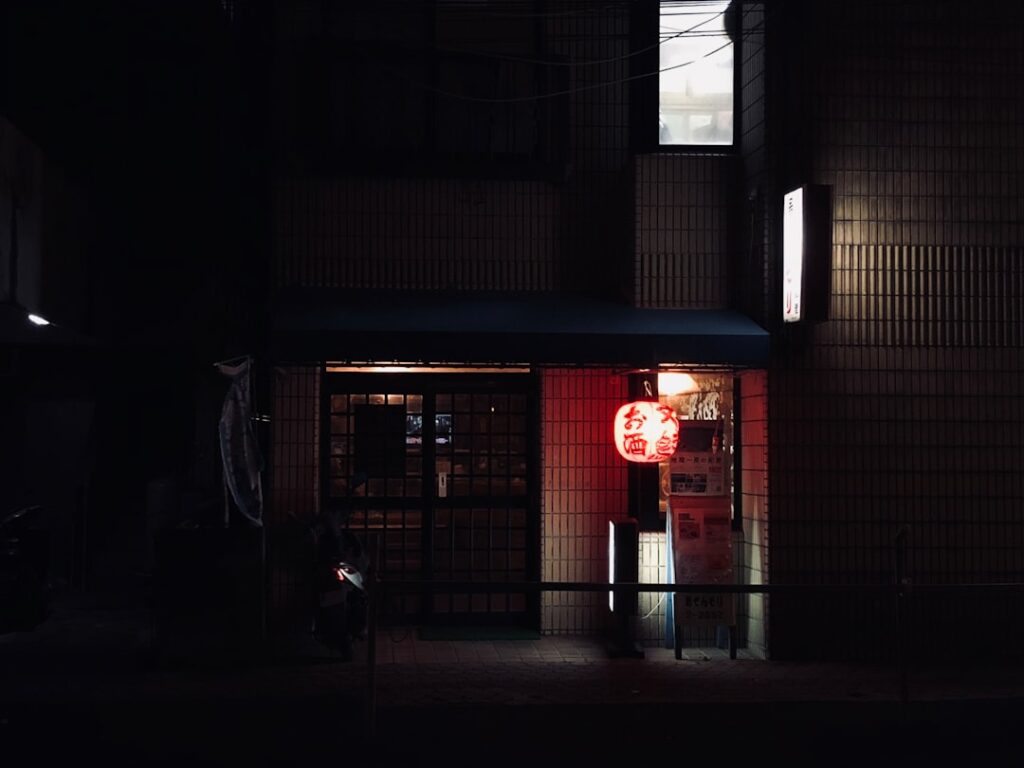
Ishigaki, Japan’s Epic Turquoise Seas, Starry Skies & Island Time (2025)
While crowds flock to Okinawa’s main island, Ishigaki delivers Japan’s clearest waters—with visibility reaching 50 meters at Kabira Bay—without the packed tour buses. Here, you’ll find beaches where your footprints might be the only ones in the sand and starry skies so pristine they’re designated Japan’s first “Night Sky Conservation Area.” Savvy travelers choose differently because Ishigaki offers that rare combination of accessibility and untouched natural beauty, where traditional Yaeyama culture thrives alongside some of Asia’s best marine environments.
Why Ishigaki, Japan Stands Out

Yellow pet fish, Ishigaki, Japan
- Historic Architecture: The 1815 Torin-ji Temple bell tower showcases unique Ryukyuan architectural fusion with Chinese influences, surviving multiple tsunamis.
- Cultural Scene: The July Harvest Festival features ancient Eisa drum dances passed down through generations, celebrating the island’s agricultural roots.
- Local Specialties: Ishigaki beef—marbled wagyu raised on the island’s mineral-rich grass—rivals Kobe beef with its buttery texture and sweet finish.
Pro Tip: Visit between late April and early June when the rainy season hasn’t fully set in, crowds are minimal, and water temperatures are perfect for diving. Avoid Golden Week (early May) when domestic tourists flood the island and prices spike dramatically.
Map of Ishigaki, Japan
Use these interactive maps to explore Ishigaki, Japan and plan your route:
📍 View Ishigaki, Japan on OpenStreetMap
🗺️ Open Ishigaki, Japan in Google Maps
Planning Your Trip: Practical Essentials
Getting There and Around
- By Air: Ishigaki Airport (ISG) connects via JTA and ANA from Tokyo (3 hours), Osaka (2.5 hours), and Naha (1 hour). Book flights at Skyscanner for best deals.
- By Train: No train service reaches Ishigaki Island itself, but you can take trains to major airports connecting to flights. Reserve tickets at Trainline or the national railway website.
- By Car: Renting a car is ideal for exploring remote beaches—Toyota Rent-a-Car offers reliable vehicles from ¥6,000/day. Compare car rentals at RentalCars.com.
- Local Transport: Buses serve main attractions (¥200-500/ride) but infrequently; taxis cost ¥600-800 for short trips. Check official city transport websites for passes and schedules.
Best Time to Visit
Ishigaki’s subtropical climate means warm temperatures year-round, but timing your visit right makes all the difference for water activities and avoiding crowds.
| Season | Weather | Highlights |
|---|---|---|
| Summer (Jun–Aug) | 28-32°C, humid with occasional typhoons | Best beach weather, vibrant coral spawning, lively festivals but crowded |
| Winter (Dec–Feb) | 18-22°C, mild and dry | Perfect for hiking and cycling, whale watching season, fewer tourists |
| Shoulder (Apr–May/Sep–Oct) | 24-28°C, lower humidity | Ideal diving conditions, comfortable exploration, best value accommodations |
Budgeting for Ishigaki, Japan

White boat on sea during daytime, Ishigaki, Japan
| Category | Budget | Mid-range | Luxury |
|---|---|---|---|
| Accommodation | ¥4,000-7,000 (guesthouses) | ¥12,000-20,000 (beach hotels) | ¥30,000+ (resorts) |
| Meals | ¥800-1,500 (soba shops) | ¥2,500-4,000 (local restaurants) | ¥8,000+ (Ishigaki beef) |
| Transport | ¥1,000 (bus pass) | ¥6,000 (rental car) | ¥15,000 (private driver) |
| Activities | ¥0-2,000 (beaches/hiking) | ¥5,000 (diving/snorkeling) | ¥12,000 (private boat tours) |
| Daily Total | ¥5,800-11,500 | ¥25,500-35,000 | ¥65,000+ |
Top Attractions and Must-See Sights
| Attraction | Description | Hours | Entry Fee |
|---|---|---|---|
| Kabira Bay | UNESCO-recognized bay with crystal-clear emerald waters and black pearl cultivation | 24/7 (glass boat 9AM-5PM) | Free (glass boat ¥1,100) |
| Taketomi Island | Preserved traditional village with red-tiled roofs, stone walls, and water buffalo carts | 24/7 (ferries 7:30AM-9:30PM) | Free (ferry ¥690 each way) |
| Yonehara Beach | Prime snorkeling spot with vibrant coral gardens just meters from shore | 24/7 (snorkel rental 9AM-5PM) | Free (snorkel set ¥1,500) |
| Ishigaki Yaima Village | Cultural park showcasing traditional Okinawan crafts, music, and architecture | 9AM-6PM daily | ¥1,200 |
3-Day Itinerary: Ishigaki, Japan’s Highlights & Hidden Gems
Day 1: Coastal Wonders & Culinary Delights
- Morning: 7:30AM sunrise at Fusaki Beach followed by breakfast at Painu Café (¥1,200 for their famous tropical fruit pancakes). Arrive early to have the famous crescent-shaped beach virtually to yourself.
- Afternoon: 12PM glass-bottom boat tour at Kabira Bay (¥1,100) then lunch at Soba Dokoro Takenoko for their signature Yaeyama soba (¥850)—the broth recipe dates back 80 years.
- Evening: 6PM stroll through Ishigaki’s public market for fresh seafood viewing, followed by dinner at Ishigaki Beef Specialist Yakiniku Rāku for their A5-grade Ishigaki beef platter (¥4,800).
Day 2: Island Hopping & Cultural Immersion
- Morning: 8:30AM ferry to Taketomi Island (¥690 each way) for a water buffalo cart tour (¥1,600) through the preserved village—listen for the driver’s traditional sanshin performance.
- Afternoon: 1PM cycling around Taketomi’s star-shaped sand formations at Kondoi Beach, then lunch at Café Hōshi for their goya champuru set (¥1,200) with stunning ocean views.
- Evening: 6:30PM return to Ishigaki for sunset drinks at The Bar at Club Med Kabira with panoramic bay views, then dinner at local favorite Shimauta Dining for their fresh tuna tataki (¥2,500).
Day 3: Marine Adventures & Mountain Vistas
- Morning: 8AM snorkeling tour to Manta Scramble (¥5,500 including gear)—from June to October, you have 80% chance of swimming with majestic manta rays.
- Afternoon: 1PM visit to Tojinbaka tomb showcasing unique Chinese-Okinawan fusion architecture, then lunch at Umibozu for their legendary sea grape rice bowl (¥1,800).
- Evening: 5:30PM drive up Mt. Nosoko for 360-degree sunset views over the East China Sea, followed by farewell dinner at Yūnangi for their multi-course Ryukyuan feast (¥6,500).
Cultural Insights & Etiquette
- Language: While Japanese is standard, you’ll hear Uchinaaguchi (Okinawan language)—learn “mensōre” (welcome) and “nifēdēbiru” (thank you) to impress locals.
- Customs: Remove shoes before entering homes and some restaurants—look for slippers provided at the entrance and never step on tatami with shoes.
- Tipping: Not practiced in Japan—instead, show appreciation through polite bows and saying “gochisōsama deshita” (thank you for the meal) after dining.
- Dress Code: Casual but modest—cover up when away from beaches, and bring reef-safe sunscreen to protect the delicate marine ecosystem.
- Business Hours: Most shops open 10AM-7PM, restaurants 11AM-10PM, with many smaller establishments closed Wednesdays.
Where to Eat: Ishigaki, Japan’s Best Bites
Ishigaki’s cuisine reflects its island location—expect incredibly fresh seafood, unique tropical produce, and that famous marbled beef that has earned international acclaim.
Must-Try Local Specialties
- Yaeyama Soba: Unlike mainland soba, this wheat noodle dish comes in a rich pork broth with stewed pork belly—find the best at Soba Dokoro Takenoko near the port.
- Ishigaki Beef: Premium wagyu with exceptional marbling—splurge at Yakiniku Rāku where you grill it yourself at tabletop charcoal grills.
- Umibudō: “Sea grapes” that pop in your mouth with briny flavor—try them fresh at the morning market or in rice bowls at beachside cafes.
Restaurant Recommendations by Budget
| Type | Restaurant | Specialty | Price Range |
|---|---|---|---|
| Budget | Minshuku Miyara (downtown) | Hearty set meals with local fish | ¥800-1,500 |
| Mid-range | Shimauta Dining (near port) | Fresh sashimi platters and island tempura | ¥2,500-4,000 |
| Fine dining | Yūnangi (traditional house) | Multi-course Ryukyuan kaiseki | ¥6,500-12,000 |
Where to Stay
Accommodation ranges from traditional minshuku guesthouses to luxury beach resorts—your choice depends on whether you prioritize cultural immersion or relaxation. Compare prices and book at Booking.com or Airbnb for apartments.
Best Neighborhoods for Accommodation
- City Center: Walking distance to restaurants and ferry terminal, but less scenic—perfect for budget travelers and those doing day trips.
- Fusaki Resort Area: Beachfront hotels with stunning sunsets, though requires transportation—ideal for couples and relaxation seekers.
- Kabira Bay: Upscale resorts with prime bay access, higher prices—best for luxury travelers and those wanting iconic views.

A wooden pier on the beach with a thatched umbrella, Ishigaki, Japan
FAQs: Your Ishigaki, Japan Questions Answered
1. Is Ishigaki, Japan safe at night?
Extremely safe—Japan’s low crime rates extend to Ishigaki. You can walk comfortably at night, though standard precautions like avoiding isolated areas still apply. The main concern is wildlife—watch for habu snakes on rural roads after dark.
2. What currency is used and are credit cards accepted?
Japanese Yen (¥) is the currency. While major hotels and restaurants accept credit cards, you’ll need cash for local markets, buses, and smaller establishments—withdraw from 7-Bank ATMs at convenience stores for best rates.
3. How do I get from the airport to the city center?
Airport shuttle buses (¥540, 25 minutes) run frequently to the bus terminal, or taxis cost approximately ¥1,500-2,000. Book airport transfers at GetYourGuide for convenience.
4. Do I need to speak the local language?
Basic English is understood at tourist spots, but learning simple Japanese phrases like “sumimasen” (excuse me) and “arigatō” (thank you) enhances your experience. Many restaurants have picture menus or plastic food displays for easy ordering.
5. What’s the appropriate dress code?
Casual resort wear is fine, but cover up when visiting temples or leaving beach areas. Pack quick-dry clothing for humidity, sturdy water shoes for rocky shores, and a light jacket for air-conditioned indoor spaces.
Final Thoughts: Ishigaki, Japan Awaits
Ishigaki offers that rare travel experience where untouched natural beauty coexists with rich cultural traditions. You’ll discover why this island captures hearts with its impossibly blue waters, star-filled skies, and warm hospitality that feels worlds away from mainland Japan’s pace. Travelers often find themselves extending their stays once they experience the magic of swimming with manta rays, tasting that legendary beef, and watching sunsets from deserted beaches. For your most memorable experience, time your visit during the shoulder seasons and don’t miss the opportunity to explore beyond the main island—the nearby Yaeyama islands hold even more secrets waiting to be discovered.

