
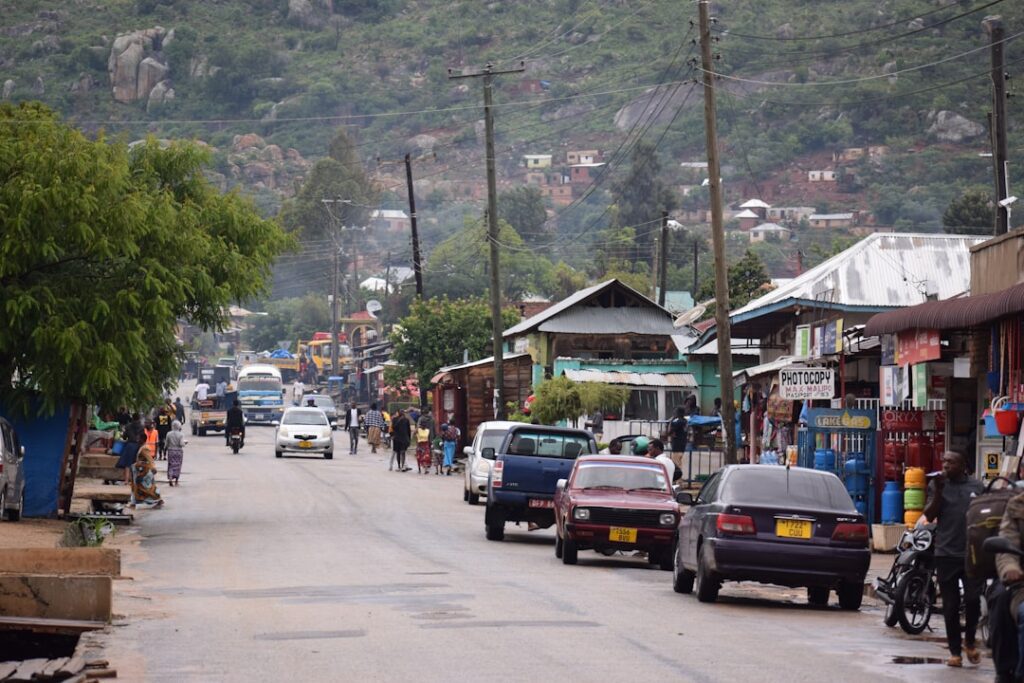
Iringa, Tanzania: Hidden Highland Vistas, German Architecture & Authentic Markets (2025)
Sunrise over the Udzungwa Mountains reveals why Iringa remains Tanzania’s best-kept secret. As morning mist lifts from 1,600-meter elevations, you’ll hear the clatter of wooden carts heading to the central market while the scent of freshly roasted coffee beans drifts from family-owned plantations. While 95% of Tanzania’s tourists head straight to safari circuits or Zanzibar, Iringa offers colonial history, cooler highland climate, and authentic Hehe culture that most travelers completely miss. This isn’t just a stopover—it’s where Tanzania’s soul reveals itself beyond the tourist trail.
Why Iringa, Tanzania Stands Out

A couple of animals that are standing in the grass, Iringa, Tanzania
- Historic Architecture: The German Boma fortress (1896) showcases colonial military architecture and now houses regional government offices with panoramic town views.
- Cultural Scene: The Mkwawa Museum celebrates Chief Mkwawa’s legendary resistance against German colonization with traditional Hehe artifacts and historical weapons.
- Local Specialties: Don’t miss mbeba (smoked field mouse) at local markets—a traditional protein source that adventurous eaters swear tastes like rabbit.
Pro Tip: Visit between late June and September when daytime temperatures hover around 22°C (72°F) with minimal rainfall—perfect for hiking Ruaha National Park without the October-March heat that often reaches 30°C (86°F). Arrive at markets before 8 AM to watch vendors set up and get the freshest produce.
Map of Iringa, Tanzania
Use these interactive maps to explore Iringa, Tanzania and plan your route:
📍 View Iringa, Tanzania on OpenStreetMap
🗺️ Open Iringa, Tanzania in Google Maps
Planning Your Trip: Practical Essentials
Getting There and Around
- By Air: Fly to Iringa Airport (IRI) via Coastal Aviation from Dar es Salaam (1.5 hours, $250-350 roundtrip) or charter flights from Ruaha National Park. Book flights at Skyscanner for best deals.
- By Train: TAZARA railway connects Iringa to Dar es Salaam (12 hours, $25 first class) with stunning highland scenery. Reserve tickets at Trainline or the national railway website.
- By Car: Drive from Dar es Salaam via the A7 highway (8 hours), with rental cars averaging $40-60/day. Compare car rentals at RentalCars.com.
- Local Transport: Dala-dala minibuses cost 500 TZS ($0.20) per ride, while boda-boda motorcycle taxis charge 2,000 TZS ($0.80) for short trips—negotiate prices before riding.
Best Time to Visit
Iringa’s highland climate means pleasant temperatures year-round, but dry seasons offer optimal wildlife viewing and comfortable exploration.
| Season | Weather | Highlights |
|---|---|---|
| Summer (Jun–Aug) | 18-24°C (64-75°F), dry and sunny | Perfect Ruaha safari conditions, clear mountain views, cultural festivals |
| Winter (Dec–Feb) | 20-28°C (68-82°F), occasional showers | Lush green landscapes, fewer tourists, lower accommodation rates |
| Shoulder (Apr–May/Sep–Oct) | 19-26°C (66-79°F), variable rainfall | Best photography light, local harvest seasons, discounted tours |
Budgeting for Iringa, Tanzania

A close up of a deer in a field of grass, Iringa, Tanzania
| Category | Budget | Mid-range | Luxury |
|---|---|---|---|
| Accommodation | $15-25/night (guesthouses) | $45-80/night (boutique hotels) | $120-200/night (luxury lodges) |
| Meals | $5-8/day (street food & markets) | $15-25/day (restaurants) | $40-60/day (fine dining) |
| Transport | $3-5/day (public transport) | $15-25/day (rental car/taxis) | $50-80/day (private driver) |
| Activities | $10-20/day (museums, hiking) | $40-60/day (guided tours) | $100-150/day (private safaris) |
| Daily Total | $33-58/day | $115-190/day | $310-490/day |
Top Attractions and Must-See Sights
| Attraction | Description | Hours | Entry Fee |
|---|---|---|---|
| Isimila Stone Age Site | Archaeological wonder with 60,000-year-old stone tools and spectacular erosion pillars | 9 AM-5 PM daily | $10 (includes guide) |
| Gangilonga Rock | Legendary “Talking Stone” where Chief Mkwawa received prophecies about German invasion | Sunrise to sunset | Free |
| Iringa Central Market | Vibrant three-story market with everything from traditional medicines to colorful kitenge fabrics | 6 AM-6 PM daily | Free |
| Mkwawa Museum | Comprehensive history of Hehe resistance with Chief Mkwawa’s personal artifacts and weaponry | 9 AM-4 PM (closed Mon) | $5 |
3-Day Itinerary: Iringa, Tanzania’s Highlights & Hidden Gems
Day 1: Colonial History & Market Culture
- Morning: 7:30 AM guided tour of German Boma fortress ($8) for panoramic views and colonial history. Arrive early to avoid school groups.
- Afternoon: Explore Iringa Central Market and lunch at Neema’s Café ($6) for authentic ugali with beef stew and fresh avocado salad.
- Evening: Sunset at Gangilonga Rock followed by dinner at The White House ($18) for their famous grilled tilapia with local greens.
Day 2: Ancient History & Local Crafts
- Morning: 8 AM private taxi to Isimila Stone Age Site ($25 roundtrip) – don’t miss the small museum displaying ancient hominid tools.
- Afternoon: Mkwawa Museum and lunch at Iringa Coffee Shop ($12) featuring locally grown arabica coffee and homemade banana bread.
- Evening: Traditional dance performance at Cultural Heritage Center ($15) with opportunity to learn basic ngoma drumming techniques.
Day 3: Highland Nature & Village Life
- Morning: Shared taxi to Kalenga Village ($10) to visit Chief Mkwawa’s memorial and traditional Hehe homesteads with local guide.
- Afternoon: Hike through Iringa’s tea plantations and lunch at a family-run stall ($4) serving chapati with bean stew.
- Evening: Farewell dinner at Tumaini Hotel ($22) for their sunset views over the highlands and excellent nyama choma (grilled meat).
Cultural Insights & Etiquette
- Language: Swahili phrases like “Habari” (hello) and “Asante” (thank you) are appreciated; English is understood in tourist areas but not universally.
- Customs: Always greet elders first; use your right hand for eating and giving/receiving items; ask permission before photographing people.
- Tipping: 5-10% in restaurants is customary; safari guides expect $10-15 per day; hotel porters appreciate 2,000 TSH ($0.80) per bag.
- Dress Code: Modest clothing preferred—knees and shoulders covered, especially when visiting religious sites or rural villages.
- Business Hours: Shops typically open 8:30 AM-5 PM with 1-2 hour lunch breaks; closed Sundays; major holidays include Independence Day (Dec 9).
Where to Eat: Iringa, Tanzania’s Best Bites
Iringa’s culinary scene reflects its agricultural wealth—expect fresh highland vegetables, quality meats, and some of Tanzania’s best coffee. Street food stalls offer authentic local flavors while upscale restaurants cater to safari travelers passing through to Ruaha.
Must-Try Local Specialties
- Mbeba: Smoked field mouse seasoned with local herbs—try it at Iringa Central Market from vendors near the eastern entrance.
- Iringa Coffee: Some of Tanzania’s finest arabica—visit Iringa Coffee Company for tastings and to purchase beans directly from growers.
- Mshikaki: Marinated beef skewers grilled over charcoal—find the best versions at evening street stalls near the bus station.
Restaurant Recommendations by Budget
| Type | Restaurant | Specialty | Price Range |
|---|---|---|---|
| Budget | Mama Nili’s Street Kitchen (downtown) | Authentic ugali with various stews | $3-6 per meal |
| Mid-range | Iringa Coffee Shop (near market) | Fresh coffee, sandwiches, local dishes | $8-15 per meal |
| Fine dining | The White House (hilltop location) | Grilled tilapia with highland vegetables | $18-30 per meal |
Where to Stay
Iringa offers everything from basic guesthouses for overland trucks to luxurious lodges catering to safari-goers. The town center provides walking access to main attractions, while hillside locations offer cooler temperatures and panoramic views. Compare prices and book at Booking.com or Airbnb for apartments.
Best Neighborhoods for Accommodation
- Town Center: Walking distance to markets and museums, but can be noisy—ideal for budget travelers and short stays.
- Gangilonga Area: Hillside location with cooler temperatures and views, 15-minute walk to center—perfect for mid-range travelers.
- Outskirts: Luxury lodges with swimming pools and gardens, requiring transportation—best for safari combinations and relaxation.

A close up of a lion laying in the grass, Iringa, Tanzania
FAQs: Your Iringa, Tanzania Questions Answered
1. Is Iringa, Tanzania safe at night?
The town center is generally safe until 9 PM, but take taxis after dark and avoid poorly lit areas. Petty theft can occur in crowded markets—keep valuables secure and be discreet with cameras and phones.
2. What currency is used and are credit cards accepted?
Tanzanian Shilling (TZS) is the local currency. Credit cards work at larger hotels and upscale restaurants, but you’ll need cash for markets, local transport, and smaller establishments. ATMs are available in the town center.
3. How do I get from the airport to the city center?
Iringa Airport is 5km from town—shared taxis cost 5,000 TZS ($2) or private transfers run 15,000 TZS ($6). Most hotels offer free pickup with advance notice. Book airport transfers at GetYourGuide for convenience.
4. Do I need to speak the local language?
Basic Swahili greetings will enhance your experience, but English is widely spoken in tourist areas. Locals appreciate attempts at Swahili—learn “pole pole” (slowly) for the relaxed pace and “mzuri sana” (very good) for compliments.
5. What’s the appropriate dress code?
Modest, lightweight clothing works best—long skirts or trousers with shirts covering shoulders. Evenings can be cool at this altitude, so bring a light jacket. Sturdy walking shoes are essential for exploring archaeological sites.
Final Thoughts: Iringa, Tanzania Awaits
Iringa offers what many travelers search for but rarely find—authentic Tanzanian culture beyond the safari circuit, rich history that shaped the nation, and breathtaking highland scenery that remains refreshingly uncrowded. Savvy visitors discover that this gateway to Ruaha National Park deserves at least three days to fully appreciate its colonial architecture, vibrant markets, and the warm hospitality of the Hehe people. Don’t make the common mistake of treating Iringa as merely a stopover—linger over coffee at a hillside café, chat with market vendors about their crafts, and watch sunset from Gangilonga Rock where legends were born. This is Tanzania at its most genuine, waiting to share its stories with those willing to listen.

