
Iran’s Badab-e Surt, Iran: Hidden Terraces, Thermal Springs & Timeless Landscapes (2026)
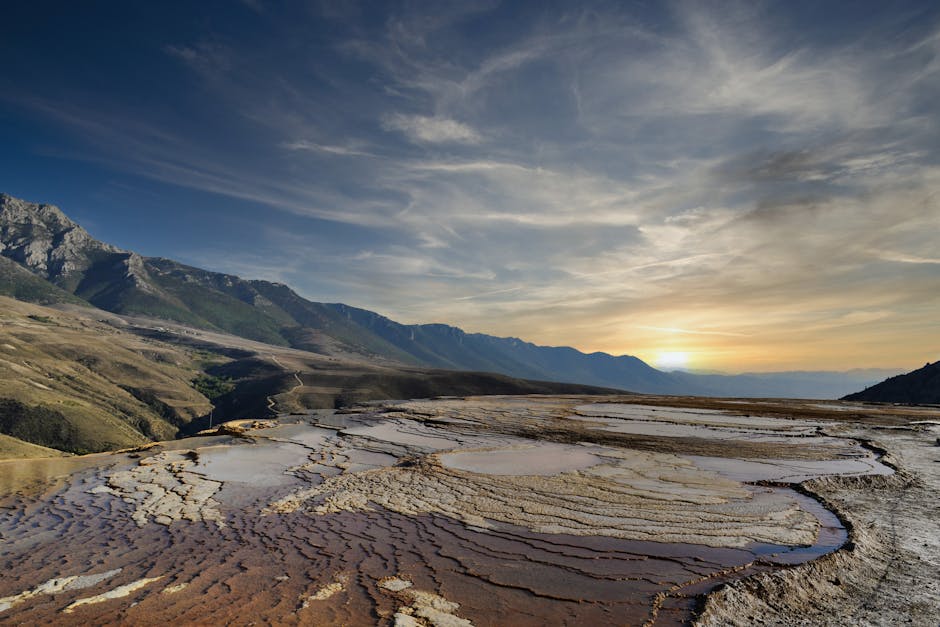
Just after dawn, the first rays of sun strike the stepped travertine terraces of Badab-e Surt, setting the mineral-rich pools ablaze in hues of ochre, rust, and deep orange. The only sounds are the gentle trickle of water cascading between the natural basins and the distant call of mountain birds. This isn’t a man-made spa, but a geological masterpiece over 1,000 years in the making, where two distinct mineral springs have painted the Alborz mountainside with one of Iran’s most surreal and photogenic landscapes.
Why Iran’s Badab-e Surt, Iran Stands Out
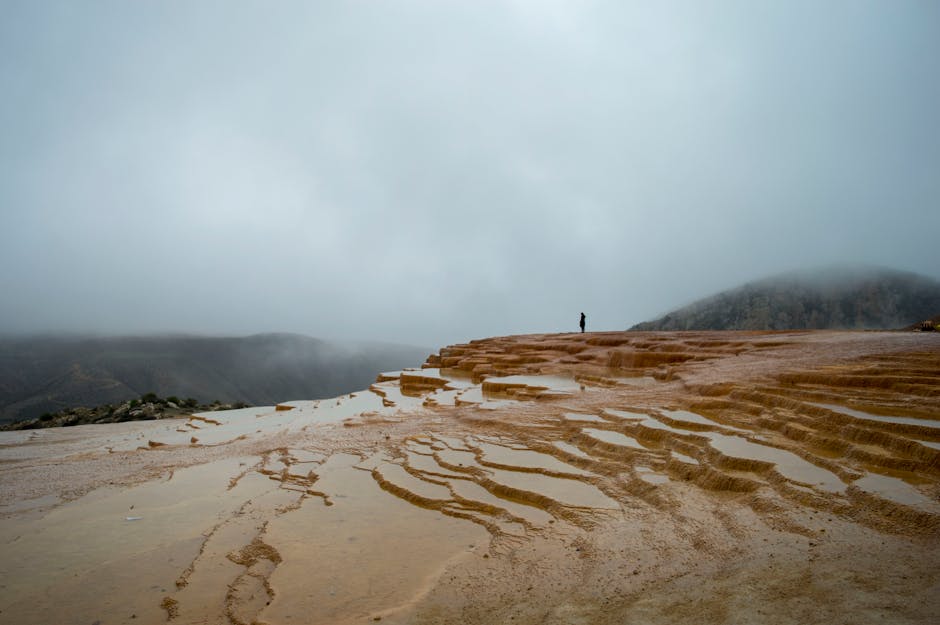
Discover the serene beauty of Badab-e Surt’s terraced pools on a misty day …, Iran’s Badab-e Surt, Iran
- Historic Architecture: The site itself is a natural monument, with its primary formation processes occurring from the Pleistocene epoch onward, creating a “stairway” of over 100 vibrant terraces without a single human architect.
- Cultural Scene: The annual pilgrimage by locals from surrounding villages to the springs, believed by some to have therapeutic properties, offers a glimpse into enduring regional traditions.
- Local Specialties: After exploring, you must try a hearty bowl of Abgoosht, a slow-cooked lamb and chickpea stew, at a village house for an authentic taste of Mazandaran province.
Pro Tip: For the most dramatic lighting and smallest crowds, plan your hike to reach the terraces for sunrise. The low-angle light intensifies the colors, and you’ll have the pools largely to yourself before any day-trippers arrive from Sari around mid-morning. Late autumn (October-November) offers crisp air and stunning contrasts with the surrounding fall foliage.
Map of Iran’s Badab-e Surt, Iran
Use these interactive maps to explore Iran’s Badab-e Surt, Iran and plan your route:
📍 View Iran’s Badab-e Surt, Iran on OpenStreetMap
🗺️ Open Iran’s Badab-e Surt, Iran in Google Maps
Planning Your Trip: Practical Essentials
Getting There and Around
- By Air: The nearest major airport is in Sari (Dasht-e Naz Airport). Flights from Tehran take about 50 minutes. From Sari, you’ll need to arrange a private taxi or join a tour for the 2-hour drive (100km) south to Orost village, the gateway to Badab-e Surt. Book flights at Skyscanner for best deals.
- By Train: Sari is connected by rail to Tehran (approx. 5-6 hours). From Sari station, you must continue by road. Reserve tickets at Trainline or the national railway website.
- By Car: Driving from Tehran takes 4-5 hours via the Haraz Road (Road 77). The final approach from Orost village is a mountain road; a 4×4 is recommended, especially outside summer. You can park near the trailhead. Compare car rentals at RentalCars.com.
- Local Transport: There is no direct public transport to the terraces. Your options are hiring a private taxi from Sari for a day trip (bargaining is expected) or booking a seat in a shared savari (minibus) from Sari to Orost, then hiking or finding a local driver for the last leg.
Best Time to Visit
The experience at Badab-e Surt is profoundly seasonal. Spring and autumn provide the most comfortable temperatures for hiking and the most vibrant scenery. Winters are harsh and snowy, often making the site inaccessible, while summer days can be very hot for the exposed trek.
| Season | Weather | Highlights |
|---|---|---|
| Summer (Jun–Aug) | Hot and dry, 25°C to 35°C (77°F-95°F) | Long daylight hours for exploration; water levels in springs may be lower. Can be crowded on weekends. |
| Winter (Dec–Feb) | Very cold, often below freezing with heavy snow. -5°C to 10°C (23°F-50°F) | The terraces under snow create a stunning monochromatic scene, but access is extremely difficult and often impossible without special gear and guides. |
| Shoulder (Apr–May/Sep–Oct) | Mild and pleasant, 15°C to 25°C (59°F-77°F) | Ideal hiking conditions. Spring brings wildflowers; autumn offers golden mountain vistas. Fewer visitors than peak summer. |
Budgeting for Iran’s Badab-e Surt, Iran

Explore the breathtaking architecture of the Shah Mosque in Isfahan, Iran’s Badab-e Surt, Iran
| Category | Budget | Mid-range | Luxury |
|---|---|---|---|
| Accommodation | Guesthouse in Orost: ~$15-25/night | 3-star hotel in Sari: ~$40-60/night | Boutique hotel or full-service tour from Tehran: $150+/night |
| Meals | Local eateries & kababs: $3-5 per meal | Restaurants in Sari: $8-15 per meal | Fine dining in Tehran or premium tour catering: $25+ per meal |
| Transport | Shared savari & hiking: ~$5-10 total | Private taxi from Sari (day return): ~$40-60 split | Private 4×4 with driver/guide from Tehran: $150+/day |
| Activities | Site entry is free; hiking is the main activity. | Guided day tour from Sari: ~$30-50 per person | Multi-day private guided trekking tour: $200+/day |
| Daily Total | $25-45 | $80-130 | $300+ |
Top Attractions and Must-See Sights
| Attraction | Description | Hours | Entry Fee |
|---|---|---|---|
| The Main Travertine Terraces | A breathtaking staircase of orange, red, and yellow mineral pools formed by centuries of carbonate deposition from two distinct springs. | Sunrise to Sunset (always open) | Free |
| The Two Mineral Springs | The source: one spring is salty and believed therapeutic, the other is sour and contains iron oxides that give the terraces their color. | Always flowing | Free |
| Hiking Trails to Summit Views | Paths leading above the terraces offer panoramic vistas of the entire colorful amphitheater set against the Alborz mountain range. | Daylight hours | Free |
| Orost Village | The traditional mountain village serving as the gateway, offering insight into rural life and a place to arrange local guides. | N/A | Free |
3-Day Itinerary: Iran’s Badab-e Surt, Iran’s Highlights & Hidden Gems
Day 1: Arrival & Alpine Immersion
- Morning: Depart early from Tehran (7 AM) via private hire or your own car. Enjoy the scenic drive along the Haraz Road, stopping at the Imamzadeh Hashem shrine for a cultural pause.
- Afternoon: Arrive in Orost village by 1 PM. Check into a simple local guesthouse. Have a late lunch of fresh Barbari bread, local cheese, and walnuts. Take an acclimatization walk around the village to stretch your legs.
- Evening: Enjoy a home-cooked dinner with your host family, likely featuring Dizi (Abgoosht). Turn in early to prepare for the sunrise hike.
Day 2: Terraces at Dawn & Exploration
- Morning: Pre-dawn start (5:30 AM). Hike 45-60 minutes to the terraces with a flashlight/headlamp. Witness sunrise (around 6:30 AM) painting the pools in fiery light. Explore the different levels and dip your fingers in the warm, salty spring.
- Afternoon: Hike further up the slopes for the iconic overhead view of the terraces. Return to Orost for a well-earned lunch and rest. In the late afternoon, visit a local guide’s home for tea and stories about the area’s history and legends.
- Evening: Simple dinner at the guesthouse. On a clear night, the star-gazing here, away from city lights, is phenomenal.
Day 3: Cultural Return & Coastal Contrast
- Morning: After breakfast, depart Orost for Sari (2-hour drive). Visit the Farah Abad Historical Complex, a Safavid-era palace and bazaar by the Tajan River.
- Afternoon: Lunch in Sari at a restaurant like “Shandiz Mashhad” for superb Chelow Kabab. Then, drive 45 minutes north to the Caspian Sea coast near Farah Abad for a complete landscape contrast.
- Evening: Enjoy a final dinner of Caspian-style fish (Mahi) with rice and sour orange before either overnighting in Sari or beginning your return journey to Tehran.
Cultural Insights & Etiquette
- Language: Persian (Farsi) is spoken. In villages, you may hear Mazandarani. Learn basics: “Salam” (Hello), “Merci” (Thank you), “Cheghadr zeibast” (How beautiful). A few words go a long way.
- Customs: Hospitality (mehman nawazi) is sacred. If invited for tea, accept graciously. Always remove shoes before entering a home. Use your right hand for eating and handing/receiving items.
- Tipping: Not universally expected but appreciated. For a private driver, round up the fare or add 10%. For a local guide in Orost, a direct tip of 100,000-200,000 IRR is very generous.
- Dress Code: As a natural site, modest, practical hiking attire is fine. Women should wear a headscarf, loose tunic, and long pants, especially when in villages. Men should avoid shorts.
- Business Hours: Government hours are typically Sat-Wed 8 AM-4 PM. Bazaars are busiest in the mornings and evenings. Friday is the weekly holiday.
Where to Eat: Iran’s Badab-e Surt, Iran’s Best Bites
Dining near Badab-e Surt is about rustic, hearty mountain cuisine. In Orost, meals are typically home-cooked by your guesthouse host. In Sari, you’ll find a wider range of classic Persian restaurants and Caspian seafood specialists.
Must-Try Local Specialties
- Abgoosht (Dizi): The ultimate comfort food: lamb, chickpeas, potatoes, and tomatoes slow-cooked in a clay pot. You mash the solids into a paste and eat it with bread, then drink the broth. Best tried in a village home.
- Caspian Style Grilled Fish (Mahi): In Sari, try whitefish from the Caspian Sea, often grilled with a marinade of sour orange (Narenj) and walnuts.
- Local Mountain Honey & Dairy: The Alborz region produces excellent honey, thick yogurt (Mast), and pungent cheeses. Perfect for a simple breakfast or snack.
Restaurant Recommendations by Budget
| Type | Restaurant | Specialty | Price Range |
|---|---|---|---|
| Budget | Orost Guesthouse Kitchen (Orost Village) | Home-cooked stews, fresh bread, and local dairy. | $3-5 per meal |
| Mid-range | Shandiz Mashhad (Sari City) | High-quality Chelow Kabab (rice with kebabs) in a clean, traditional setting. | $8-12 per meal |
| Fine dining | Bagh-e Sangi Restaurant (on Haraz Road near Polur) | Beautiful garden setting with a full menu of Persian classics, ideal for a scenic stop on your drive. | $15-25 per meal |
Where to Stay
Accommodation is split between the authentic simplicity of village guesthouses near the site and the more conventional hotels in the provincial capital, Sari. For a seamless experience, staying in Orost is recommended. Compare prices and book at Booking.com or Airbnb for apartments.
Best Neighborhoods for Accommodation
- Orost Village: The undeniable choice for early access to the terraces. You’ll find basic but clean guesthouses (often called “Mehmanpazir”) with shared facilities. It suits adventurous travelers who prioritize experience over luxury and want to connect with locals.
- Sari City Center: Offers modern 3-star hotels like “Hotel Negin” or “Kourosh Hotel.” Pros include comfort, dining options, and easier transport links. The con is the 2-hour drive to the site each day. Best for those wanting more comfort after day trips.
- Haraz Road Villages (Polur, Rineh): Smaller towns along the main road from Tehran. Offer a few eco-lodges and mountain resorts as a compromise between nature and amenities. Good for self-drivers breaking up the journey.

A stunning view of the Azadi Tower in Tehran, Iran’s Badab-e Surt, Iran
FAQs: Your Iran’s Badab-e Surt, Iran Questions Answered
1. Is Iran’s Badab-e Surt, Iran safe at night?
The site itself is remote and unlit, so hiking after dark is not advised. The villages are generally very safe, with low crime. The primary considerations are natural: use a light for night walks, be cautious on uneven paths, and be weather-aware. Travelers often find the local communities to be incredibly welcoming and protective of visitors.
2. What currency is used and are credit cards accepted?
The Iranian Rial (IRR) is the official currency. In daily conversation, prices are often quoted in “Toman” (1 Toman = 10 Rials). Cash is king, especially in rural areas like Orost. Bring enough Iranian Rials from a major city like Tehran. International credit/debit cards (Visa, Mastercard) do not work due to sanctions. Some hotels in Sari may accept local bank cards.
3. How do I get from the airport to the city center?
From Sari’s Dasht-e Naz Airport, you can take a taxi to Sari city center (approx. 20 mins, ~150,000 IRR). To get directly to Badab-e Surt, you must pre-arrange a private taxi for the 2-hour journey (negotiate, expect ~1,500,000 IRR one-way). There is no direct bus. Book airport transfers at GetYourGuide for convenience.
4. Do I need to speak the local language?
English is not widely spoken in the villages. In Sari,

