
Ingall, Niger’s Ultimate Salt, Stars & Timeless Tuareg Culture (2025)
Just after dawn, the ancient salt pans of Ingall shimmer like a fractured mirror under a sky stretching from ochre to indigo. The air carries the faint, clean scent of mineral earth and the distant murmur of Tuareg traders preparing their camel caravans. This is the heart of the Azawagh, a landscape where time is measured not in hours but in the centuries-old rhythm of the Cure Salée, the annual salt caravan festival that has defined Saharan life since at least the 14th century. While fewer than 500 international travelers witness this spectacle each year, those who do find a world where tradition is the true currency.
Why Ingall, Niger Stands Out

A modern, colorful arena in Niger with a vast sand floor, ideal for events., Ingall, Niger
- Historic Architecture: The traditional Tuareg tent, or ehan, isn’t just shelter; it’s a mobile architectural masterpiece of wooden poles and hand-woven goat hair, designed for a nomadic life under the vast Sahara sky.
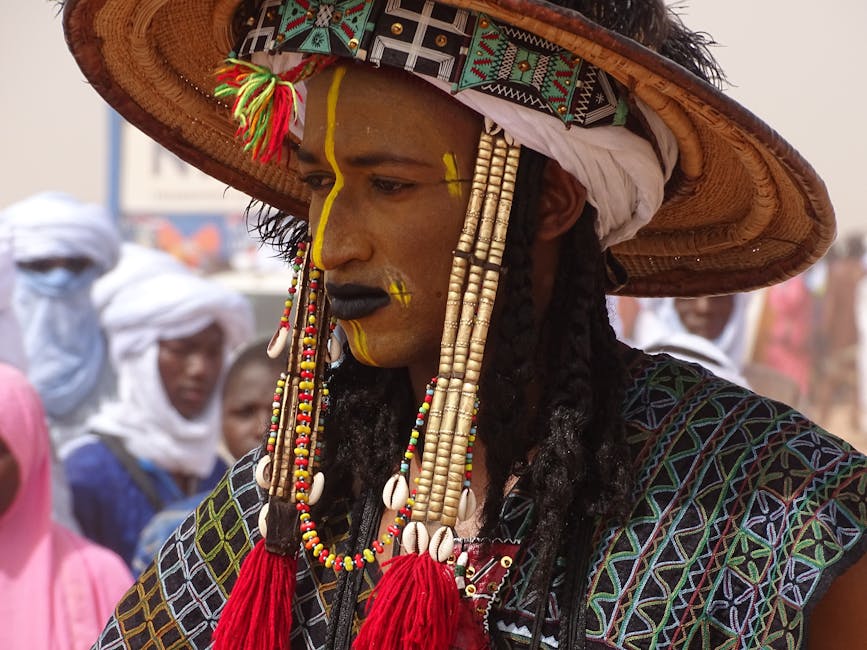
- Cultural Scene: The annual Cure Salée festival in September, where thousands of Wodaabe and Tuareg pastoralists gather for camel races, traditional Gerewol courtship rituals, and vibrant celebrations, is a cultural immersion unlike any other.
- Local Specialties: You must try taguella, a bread baked directly in the desert sand, then brushed off and served with a rich, spicy sauce—a testament to ingenious Saharan cuisine.
Pro Tip: Plan your visit for late August or early September to coincide with the Cure Salée. This is the absolute pinnacle of the cultural calendar. For a more solitary experience, visit in the cooler months of November to February, when daytime temperatures are pleasant for exploration.
Map of Ingall, Niger
Use these interactive maps to explore Ingall, Niger and plan your route:
📍 View Ingall, Niger on OpenStreetMap
🗺️ Open Ingall, Niger in Google Maps
Planning Your Trip: Practical Essentials
Getting There and Around
- By Air: You’ll fly into Diori Hamani International Airport (NIM) in Niamey. From there, it’s a 10-12 hour overland journey to Ingall. There are no direct commercial flights. Book flights to Niamey at Skyscanner for best deals.
- By Train: Niger has limited passenger rail service, and none connects to Ingall. All travel to Ingall is by road. For regional train travel in West Africa, check schedules at Trainline or the national railway website.
- By Car: The journey from Niamey requires a sturdy 4×4 vehicle and an experienced local driver familiar with Saharan tracks. The route passes through Agadez. This is not a self-drive route for visitors. Compare car rentals in Niamey at RentalCars.com, but opt for a full driver-guide package.
- Local Transport: Within Ingall and the surrounding campements, travel is on foot or by arranged 4×4 for desert excursions. For longer distances between communities, shared taxis or pickup trucks are the norm.
Best Time to Visit
Timing is everything in the Sahara. The climate dictates not just comfort, but also the cultural calendar. The ideal window balances bearable temperatures with key events.
| Season | Weather | Highlights |
|---|---|---|
| Hot Season (Mar–Jun) | Extremely hot, 40°C–48°C (104°F–118°F), dry, intense sun. | Not recommended for tourism due to severe heat. Local pastoral life moves to follow scarce water. |
| Rainy Season (Jul–Sep) | Hot but slightly cooler, 30°C–38°C (86°F–100°F), sporadic short rains. | The **Cure Salée festival** occurs. Lush, green landscapes appear. Peak cultural activity. |
| Cool Season (Oct–Feb) | Pleasant days 25°C–32°C (77°F–90°F), cool nights can drop to 10°C (50°F). | Best for general exploration, desert tours, and star-gazing. Clear skies and comfortable travel conditions. |
Budgeting for Ingall, Niger
Stunning aerial photograph of a bustling mosque in Nigeria, Ingall, Niger
| Category | Budget | Mid-range | Luxury |
|---|---|---|---|
| Accommodation | Basic campement stay: 10,000–15,000 XOF ($16–$25)/night | Organized desert camp with meals: 25,000–40,000 XOF ($41–$66)/night | Fully-inclusive guided expedition with private camp: 70,000+ XOF ($115+)/night |
| Meals | Street food / camp meals: 2,000–3,000 XOF ($3.30–$5)/meal | Meals at organized camps: Included in rate | Private chef-prepared meals: Included in expedition rate |
| Transport | Shared taxi from Agadez: ~5,000 XOF ($8) | 4×4 rental with driver (per day): 40,000–60,000 XOF ($66–$98) | Private 4×4 & driver for multi-day tour: Included in package |
| Activities | Walking the salt pans (free), village visits (small gift expected) | Guided camel trek (half-day): 10,000 XOF ($16) | Multi-day cultural immersion tour to Cure Salée: 150,000+ XOF ($245+) |
| Daily Total | 25,000–35,000 XOF ($41–$57) | 75,000–100,000 XOF ($122–$163) | 200,000+ XOF ($327+) |
Top Attractions and Must-See Sights
| Attraction | Description | Hours | Entry Fee |
|---|---|---|---|
| The Ingall Salt Pans (Salines) | Centuries-old source of Saharan salt, where you can see traditional extraction methods and the starting point of ancient caravan routes. | Daylight hours | Free, but a guide (~5,000 XOF / $8) is recommended. |
| Cure Salée Festival Grounds | The vast seasonal gathering site for the “Salt Cure” festival, featuring camel markets, traditional camps, and ceremonial grounds. | Festival in Sept; site visible year-round | Free to visit; festival access may require a local guide/fee. |
| Traditional Tuareg & Wodaabe Camps | Authentic nomadic settlements where you can learn about crafts, music, and daily life with permission and a guide. | Respectful visits in daylight | By invitation/with guide; a cultural gift (tea, sugar, ~2,000 XOF) is customary. |
| The Night Sky over the Azawagh | With zero light pollution, the Sahara offers some of the world’s most spectacular stargazing, with the Milky Way vividly clear. | After sunset | Free |
3-Day Itinerary: Ingall, Niger’s Highlights & Hidden Gems
Day 1: Arrival & Immersion in Desert Life
- Morning (7-9 AM): After an early breakfast at your campement, take a guided walk to the edge of the Ingall salt pans. Watch as the low sun illuminates the crystalline crust. Your guide will explain the back-breaking process of salt harvesting, a trade unchanged for generations.
- Afternoon (12-3 PM): Visit a local Tuareg artisan family. Watch the intricate process of silver smithing or leatherwork. For lunch, savor a communal bowl of méchoui (slow-roasted goat) with taguella bread, prepared by your hosts.
- Evening (6-8 PM): As the heat fades, enjoy a short camel trek into the dunes surrounding Ingall. Return for a sunset tea ceremony—three rounds of sweet, potent mint tea, each with a different proverbial meaning: “bitter as life, sweet as love, and gentle as death.”
Day 2: Culture & The Cure Salée Spirit
- Morning (8 AM): If visiting during the Cure Salée (early Sept), immerse yourself in the festival frenzy. Witness the spectacular Wodaabe Gerewol, where men adorned with elaborate makeup and costumes perform dances and songs to attract partners. This is a profound cultural privilege. (Guided festival access: ~15,000 XOF / $25).
- Afternoon (1 PM): Explore the sprawling camel market, the economic heartbeat of the festival. Listen to the rapid-fire negotiations. Later, enjoy a simple lunch of riz sauce (rice with sauce) from a festival vendor.
- Evening (7 PM): Attend an evening of Tende music around a communal fire, where women play drums and sing poetic verses, and stories of the caravan routes are shared under a blanket of stars.
Day 3: Departure & The Wider Azawagh
- Morning (7 AM): With a packed lunch, embark by 4×4 to explore a more remote area of the Azawagh plains. Your driver will take you to a seasonal well, where you might see herders watering their cattle—a timeless Saharan scene. (Half-day 4×4 excursion: ~25,000 XOF / $41).
- Afternoon (12 PM): Enjoy a picnic lunch in the shade of a lone acacia tree. Visit an ancient, isolated guelta (rock pool) if recent rains have filled it, a vital water source for wildlife.
- Evening (5 PM): Return to Ingall for a final farewell dinner. Consider purchasing a small piece of handcrafted Tuareg jewelry or a blue-tagged leather item as a meaningful souvenir that supports the local community directly.
Cultural Insights & Etiquette
- Language: French is the official language; Hausa and Tamasheq (Tuareg) are widely spoken. Key phrases: “Sannu” (Hello in Hausa), “Akwai lafiya?” (How are you?), “Na gode” (Thank you).
- Customs: Always greet people before any transaction or question. Use your right hand for eating, greeting, and giving/receiving items. Showing the soles of your feet is considered rude. Photography of people requires explicit, respectful permission.
- Tipping: Not universally expected but greatly appreciated for good service. For a guide, 5,000-10,000 XOF ($8-$16) per day is a generous gesture. For drivers or camp staff, a collective tip at the end of your stay is best.
- Dress Code: Modesty is key. Wear loose, lightweight clothing covering shoulders and knees. A headscarf is useful for both sun protection and cultural respect. Neutral, earthy colors are practical in the desert.
- Business Hours: Government hours are roughly 7:30 AM to 3:30 PM, Sunday-Thursday. Markets are busiest in the early morning and late afternoon. Friday is the Muslim day of prayer, so many things slow down.
Where to Eat: Ingall, Niger’s Best Bites
Dining in Ingall is about experience as much as cuisine. Most meals are taken at your campement or as part of an organized tour, featuring hearty, communal Saharan dishes designed to sustain life in a harsh climate.
Must-Try Local Specialties
- Taguella: The iconic sand-baked bread. The dough is placed directly in hot sand, covered with embers, then expertly brushed clean. It’s torn and used to scoop up sauces. You’ll try this at any traditional camp.
- Méfété: A thick, nutritious millet porridge, often served with a sauce made from okra, baobab leaves, or peanuts. A staple breakfast or evening meal.
- Chai Tuareg (Atay): More than a drink, it’s a ceremony. Strong gunpowder green tea is boiled with fresh mint and an enormous amount of sugar, poured from a height to create foam. Accepting an invitation to tea is accepting friendship.
Restaurant Recommendations by Budget
| Type | Restaurant | Specialty | Price Range |
|---|---|---|---|
| Budget | Local Market Stalls (Ingall Market) | Brochettes (grilled meat skewers), fried dough balls | 500–1,000 XOF ($0.80–$1.60) |
| Mid-range | Your Organized Campement Kitchen | Communal taguella with goat stew, rice dishes | Included in accommodation rate |
| Fine dining | Private Desert Camp Dinners | Multi-course meals under the stars, prepared by expedition chefs | Included in luxury tour package |
Where to Stay
Accommodation in Ingall is rustic and authentic. You won’t find international hotel chains here. Instead, you’ll stay in simple campements—often a cluster of traditional huts or fixed tents with shared facilities. This is part of the experience, connecting you directly to the environment and community. Compare basic listings and book ahead for Agadez (your likely staging point) at Booking.com. For Ingall itself, arrangements are typically made through a local tour operator.
Best Neighborhoods for Accommodation
- Central Ingall Village: Staying near the village center puts you within walking distance of the market and salt pans. It’s the most “bustling” area (by Saharan standards) and offers the easiest interaction with daily village life. Best for independent-minded travelers.
- Outskirts Desert Camps: Camps located a short distance from the village offer incredible silence, pristine darkness for stargazing, and a profound sense of isolation. You’ll rely completely on your hosts for meals and transport. Ideal for those seeking total immersion in the desert atmosphere.
- Agadez (as a base): Many travelers use the historic city of Agadez, a 4-5 hour drive away, as a base and take day or multi-day trips to Ingall. This offers more comfortable hotel options but less immediate connection to Ingall’s specific culture.

A woman captures the stunning Istanbul skyline from the Bosphorus with her …, Ingall, Niger
FAQs: Your Ingall, Niger Questions Answered
1. Is Ingall, Niger safe at night?
Within the confines of your established campement or village, Ingall is generally safe at night. The primary considerations are environmental: always use a flashlight to avoid scorpions or snakes. Traveling on desert roads at night is not recommended due to the lack of signage and potential hazards. Always follow the advice of your local guide regarding movement after dark.
2. What currency is used and are credit cards accepted?
The West African CFA franc (XOF) is the currency. Cash is king in Ing

