
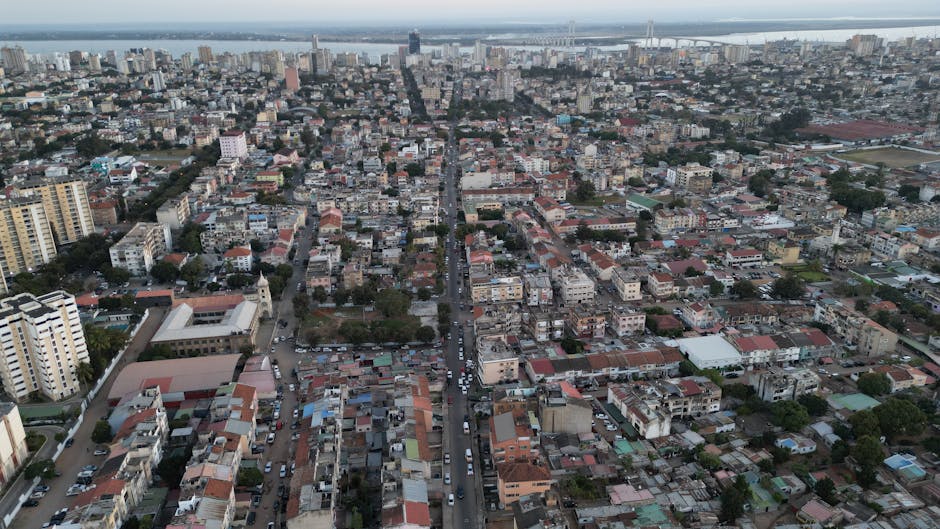
Ilha de Moçambique, Mozambique: Incredible Coral-Stone History, Swahili Soul & Island Serenity (2025)
Sunset in Ilha de Moçambique reveals a world painted in ochre and gold, where the 16th-century Fortaleza de São Sebastião casts long shadows over a 3.5-kilometer island of coral-stone. The call to prayer mingles with the scent of grilled piri-piri prawns, and fishermen mend nets on the shore where Portuguese carracks once anchored. This isn’t just a historic site; it’s a living, breathing UNESCO World Heritage island where 450 years of layered history unfolds on every cobbled street.
Why Ilha de Moçambique, Mozambique Stands Out
A joyful couple poses outside a stone building on their wedding day, Ilha de Moçambique, Mozambique
- Historic Architecture: The Fortaleza de São Sebastião, completed in 1583, is the oldest complete fort still standing in sub-Saharan Africa and a monumental example of Portuguese military engineering.
- Cultural Scene: The annual Festival of the Island in September transforms the streets with traditional Tufo dancing, Makonde sculpture displays, and vibrant dhow sailing competitions.
- Local Specialties: You must try Matapa, a rich, creamy stew of cassava leaves cooked in coconut milk with ground peanuts, often served with giant prawns or fish.
Pro Tip: The absolute best time to visit is from May to October. You’ll avoid the heavy rains and intense heat, and this period coincides with the brilliant, clear “winter” skies that make photography of the stone architecture spectacular. For the ultimate experience, plan your trip to overlap with the Festival of the Island in September.
Map of Ilha de Moçambique, Mozambique
Use these interactive maps to explore Ilha de Moçambique, Mozambique and plan your route:
📍 View Ilha de Moçambique, Mozambique on OpenStreetMap
🗺️ Open Ilha de Moçambique, Mozambique in Google Maps
Planning Your Trip: Practical Essentials
Getting There and Around
- By Air: Fly into Nampula Airport (APL), served by LAM Mozambique Airlines and some regional carriers. From Nampula, it’s a 2-3 hour drive (200km) to the mainland port of Cabeceira, then a short bridge to the island. Book flights at Skyscanner for best deals.
- By Train: While there’s no direct train to the island, adventurous travelers can take the Nacala Corridor railway to Nampula from cities like Cuamba. It’s more an experience than efficient transport. Reserve tickets at Trainline or the national railway website.
- By Car: Driving from Nampula is straightforward on the EN240. You can park safely on the mainland side of the bridge (Mtk 50/day) and walk onto the island, as vehicle access is restricted. Compare car rentals at RentalCars.com.
- Local Transport: The island is best explored on foot. For trips to the mainland or nearby beaches like Chocas, use chapas (shared minibuses) or hire a tuk-tuk (Mtk 200-500 per trip). Check official city transport websites for passes and schedules.
Best Time to Visit
The climate is tropical, with a distinct wet and dry season. Savvy visitors target the long, cool dry season for optimal exploration and comfort.
| Season | Weather | Highlights |
|---|---|---|
| Dry Season (May–Oct) | 22-28°C (72-82°F), sunny, low humidity, almost no rain. | Ideal for walking tours, photography, and festivals; peak tourist season but still uncrowded. |
| Wet Season (Nov–Apr) | 26-32°C (79-90°F), very humid, heavy afternoon rains, risk of cyclones. | Lush green landscapes, lowest prices and fewest tourists; many businesses may be closed. |
| Shoulder (Apr/Oct–Nov) | 24-30°C (75-86°F), transitioning, occasional brief showers. | Good balance of decent weather and thinner crowds; a smart choice for flexible travelers. |
Budgeting for Ilha de Moçambique, Mozambique

Joyful bride and groom celebrating their wedding with vibrant floral bouque…, Ilha de Moçambique, Mozambique
| Category | Budget | Mid-range | Luxury |
|---|---|---|---|
| Accommodation | Mtk 1500-2500 (hostel/guesthouse) | Mtk 4000-7000 (boutique pousada) | Mtk 10,000+ (heritage hotel) |
| Meals | Mtk 300-500 (street food/local tasca) | Mtk 800-1500 (restaurant with seafood) | Mtk 2500+ (fine dining with wine) |
| Transport | Mtk 100-300 (chapas/tuk-tuk) | Mtk 500-1000 (private taxi for day trips) | Mtk 2000+ (private car & driver) |
| Activities | Mtk 0-500 (walking, beaches, some museums) | Mtk 1000 (guided historical tour) | Mtk 2500+ (private dhow sailing trip) |
| Daily Total | Mtk 1900-3800 (~$30-$60) | Mtk 6300-10,500 (~$100-$165) | Mtk 15,500+ (~$245+) |
*Exchange rate approx: 1 USD = 64 Mozambican Metical (Mtk). Always carry cash in small denominations.
Top Attractions and Must-See Sights
| Attraction | Description | Hours | Entry Fee |
|---|---|---|---|
| Fortaleza de São Sebastião | A massive 16th-century fort with sweeping views, a chapel with original frescoes, and a fascinating museum on the island’s history. | 9 AM – 4 PM, Tue-Sun | Mtk 400 |
| Palace and Chapel of São Paulo | The former Governor’s Palace (1610), a stunning museum filled with Indo-Portuguese furniture, silver, and Chinese porcelain. | 10 AM – 4:30 PM, Tue-Sun | Mtk 300 |
| Stone Town (Cidade de Pedra) | Wander the labyrinthine streets of the old Portuguese stone city, a UNESCO core zone with ornate balconies and hidden courtyards. | Always open (best light AM/PM) | Free |
| Museu de Arte Sacra | Housed in the Church of the Misericórdia, this small but exquisite museum holds rare 16th-18th century religious art and statues. | 10 AM – 4 PM, Mon-Fri | Mtk 200 |
3-Day Itinerary: Ilha de Moçambique, Mozambique’s Highlights & Hidden Gems
Day 1: Stone Town Immersion & Fortress Views
- Morning (7-9 AM): Start with a sunrise walk across the iconic 3km bridge connecting the island to the mainland for a panoramic view. Then, grab a pastel de nata and coffee at Café-Bar Áncora d’Ouro.
- Afternoon (12-3 PM): Dive into history at the Palace and Chapel of São Paulo. For lunch, head to Relíquias for their legendary grilled calamari and rice (Mtk 850).
- Evening (6-8 PM): Climb the ramparts of the Fortaleza de São Sebastião for sunset. Afterwards, enjoy a seafood dinner at O Paladar, where the coconut crab is a must-try.
Day 2: Makuti Town, Markets & Dhow Culture
- Morning (8 AM): Explore the vibrant Mercado Central (Central Market) in the Makuti Town (reed-thatch roof area) for spices, fabrics, and fresh fruit. Hire a local guide (Mtk 500-1000) for insightful context.
- Afternoon (1 PM): Take a short tuk-tuk ride to the northern end of the island to see the ancient Persian-style water cisterns and the rusting hull of the shipwrecked “Corveta General Pereira d’Eça”. Lunch on simple, delicious fish and xima (maize porridge) at a local barraca near the lighthouse.
- Evening (6 PM): Wander the quieter streets of Makuti Town as life unfolds. For dinner, try Escondidinho for a fantastic Matapa stew (Mtk 700).
Day 3: Island Escape & Cultural Crafts
- Morning (9 AM): Charter a local dhow (Mtk 2000-3000 for a small group) for a sailing trip to the nearby sandbank of Sambi or to the mainland beach of Chocas for swimming and snorkeling.
- Afternoon (2 PM): Return to the island and visit the workshop of a local Makonde woodcarver (ask at your hotel for recommendations) to see this intricate art form. Enjoy a late lunch at Café-Bar Âncora d’Ouro with a cold 2M beer.
- Evening (6 PM): For your final evening, take a leisurely stroll along the waterfront promenade. Enjoy a farewell cocktail at the terrace of the Hotel Omuhi before a final seafood feast at Karibu Restaurant.
Cultural Insights & Etiquette
- Language: Portuguese is the official language; Swahili (Kimwani dialect) is widely spoken. Learn basics: “Bom dia” (Good morning), “Obrigado/a” (Thank you), “Quanto custa?” (How much?).
- Customs: Always greet people before asking questions or taking photos. It’s polite to ask “Posso?” (May I?) before photographing individuals. Respect is paramount.
- Tipping: Not mandatory but appreciated. In restaurants, 5-10% for good service is generous. For guides, tip Mtk 200-500 depending on the tour length.
- Dress Code: Dress modestly, especially in Makuti Town and when visiting religious sites. Cover shoulders and knees. Swimwear is only for the beach.
- Business Hours: Shops and museums typically open 9 AM-5 PM, often closing for a long lunch (12-2 PM). Many close on Sundays. Government hours are 7:30 AM-3:30 PM.
Where to Eat: Ilha de Moçambique, Mozambique’s Best Bites
The cuisine here is a delicious fusion of Swahili coconut-based curries, Portuguese grilling techniques, and fresh Indian Ocean bounty. Dining is a relaxed, social affair.
Must-Try Local Specialties
- Matapa: The island’s signature dish. For an authentic version, try the daily special at family-run Escondidinho.
- Piri-Piri Prawns: Giant tiger prawns grilled with fiery piri-piri sauce. O Paladar does an exceptional version.
- Bolo Polana: A rich, moist cake made with potato and almonds, a legacy of Portuguese baking. Best enjoyed with coffee at a local café.
Restaurant Recommendations by Budget
| Type | Restaurant | Specialty | Price Range |
|---|---|---|---|
| Budget | Barraca near the Lighthouse (Northern tip) | Fresh grilled fish with xima, eaten with your hands | Mtk 300-500 |
| Mid-range | Karibu Restaurant (Stone Town) | Seafood platters and excellent curries in a lovely garden | Mtk 800-1500 |
| Fine dining | Restaurante Relíquias (In Hotel Omuhi) | Refined Portuguese-Mozambican fusion with a great wine list | Mtk 1800-3000 |
Where to Stay
Accommodation ranges from basic guesthouses in Makuti Town to beautifully restored colonial mansions in the Stone Town. Staying in the Stone Town puts you in the heart of history, while Makuti offers a more local vibe. Compare prices and book at Booking.com or Airbnb for apartments.
Best Neighborhoods for Accommodation
- Stone Town (Cidade de Pedra): The historic core. You’ll stay in characterful, often upscale pousadas with thick stone walls. It’s atmospheric, quiet at night, and central to major sights. Best for history lovers and those seeking ambiance.
- Makuti Town: The lively, residential part of the island with traditional reed houses. Accommodation is more basic but offers authentic local interaction and lower prices. Ideal for budget travelers and cultural immersion.
- Mainland (Cabeceira): A few hotels exist just before the bridge. It’s less charming but practical if you have an early departure and need easy road access. Not recommended for first-time visitors wanting the island experience.

A blue pushpin marks Zimbabwe on a colorful close-up map highlighting its g…, Ilha de Moçambique, Mozambique
FAQs: Your Ilha de Moçambique, Mozambique Questions Answered
1. Is Ilha de Moçambique, Mozambique safe at night?
Yes, the island is generally very safe. The Stone Town is quiet and well-patrolled. In Makuti Town, stick to main paths and use common sense. Violent crime is rare, but petty theft can occur, so don’t flash valuables. Walking alone at night is fine in the Stone Town, but a tuk-tuk is recommended for longer distances in the dark.
2. What currency is used and are credit cards accepted?
The Mozambican Metical (Mtk) is the currency. Cash is KING on the island. Very few places (only the top hotels and maybe one restaurant) accept credit cards, and ATMs are unreliable or often empty. Your best bet is to bring enough cash in USD or Euros (clean, un-torn bills) to exchange at Forex bureaus in Nampula before arriving. Exchange a small amount on the island if needed.
3. How do I get from the airport to the city center?
From Nampula Airport (APL), you have two main options. The most reliable is to pre-book a private transfer (approx. Mtk 4000-5000 one-way) through your hotel or a tour company. Alternatively, take a taxi to Nampula’s central taxi rank (Mtk 500) and then find a shared chapa or taxi to Cabeceira (Mtk 300-400). The total journey takes 2-3 hours. Book airport transfers at GetYourGuide for convenience.

