
Ifugao Rice Terraces, Philippines: Best Ancient Engineering, Living Culture & Mountain Majesty (2025)
What if an engineering marvel older than the Great Wall of China was still functioning exactly as intended 2,000 years later? Ifugao Rice Terraces proves this daily across its 10,360 square kilometers of hand-carved mountainsides. At sunrise, when morning mist rises from the Cordillera mountains like steam from a giant’s bowl, you’ll hear the same irrigation systems that ancient Ifugao engineers perfected around 1,000 BCE still channeling mountain springs to nourish the famous tinawon rice. This isn’t a museum piece—it’s a living agricultural masterpiece where farmers continue traditions unchanged for centuries.
Why Ifugao Rice Terraces, Philippines Stands Out

Man standing on concrete bench during daytime, Ifugao Rice Terraces, Philippines
- Historic Architecture: The Banaue Rice Terraces, carved around 1,000 BCE without modern tools, represent one of humanity’s most sophisticated pre-industrial engineering achievements.
- Cultural Scene: The annual Imbayah Festival every three years showcases indigenous dances, woodcarving competitions, and traditional rice wine rituals dating back centuries.
- Local Specialties: Tinawon rice, harvested only once yearly from the terraces, offers a nutty flavor and firm texture you won’t find anywhere else in the Philippines.
Pro Tip: Visit during April’s planting season or September’s harvest when the terraces transform into vibrant green carpets or golden staircases—arrive before 6 AM to witness the sunrise spectacle without the midday tourist crowds that typically arrive around 10 AM.
Map of Ifugao Rice Terraces, Philippines
Use these interactive maps to explore Ifugao Rice Terraces, Philippines and plan your route:
📍 View Ifugao Rice Terraces, Philippines on OpenStreetMap
🗺️ Open Ifugao Rice Terraces, Philippines in Google Maps
Planning Your Trip: Practical Essentials
Getting There and Around
- By Air: Fly to Cauayan Airport (ISG) via Philippine Airlines from Manila, then take a 3-hour van transfer (₱400/$7) to Banaue. Book flights at Skyscanner for best deals.
- By Train: No direct rail service to Ifugao—the nearest station is in Baguio, requiring a 6-hour bus connection. Reserve tickets at Trainline or the national railway website.
- By Car: Drive from Manila via the Pan-Philippine Highway (9 hours), but hire a 4×4 for mountain roads during rainy season. Compare car rentals at RentalCars.com.
- Local Transport: Jeepneys (₱50-100/$1-2 per ride) connect terrace clusters, while habal-habal motorcycles (₱150-300/$3-6 per trip) access remote viewpoints.
Best Time to Visit
Timing your visit dramatically changes the terraces’ appearance and your experience—dry season offers clearer views while rainy season brings lush greenery but challenging trekking conditions.
| Season | Weather | Highlights |
|---|---|---|
| Summer (Jun–Aug) | 22-28°C, frequent afternoon showers | Vibrant green terraces, fewer crowds than peak season, ideal photography conditions |
| Winter (Dec–Feb) | 15-22°C, cool and dry | Clear mountain views, comfortable trekking weather, Christmas cultural celebrations |
| Shoulder (Apr–May/Sep–Oct) | 20-26°C, transitional periods | Planting/harvest activities, minimal rainfall, accommodation discounts up to 30% |
Budgeting for Ifugao Rice Terraces, Philippines

Green field, Ifugao Rice Terraces, Philippines
| Category | Budget | Mid-range | Luxury |
|---|---|---|---|
| Accommodation | ₱800-1,500/$14-27 homestays | ₱2,500-4,000/$45-72 hotels | ₱6,000+/$108+ mountain lodges |
| Meals | ₱150-250/$3-5 carinderia meals | ₱350-600/$6-11 restaurant dining | ₱800+/$14+ specialty restaurants |
| Transport | ₱200-400/$4-7 daily jeepney | ₱800-1,500/$14-27 private tricycle | ₱2,500+/$45+ private van with guide |
| Activities | Free viewpoint visits | ₱500-1,000/$9-18 guided hikes | ₱2,000+/$36+ cultural workshops |
| Daily Total | ₱1,500/$27 | ₱4,000/$72 | ₱11,000+/$198+ |
Top Attractions and Must-See Sights
| Attraction | Description | Hours | Entry Fee |
|---|---|---|---|
| Banaue Viewpoint | The classic panoramic view featured on the 1,000-peso bill with multiple terrace levels stretching to the horizon | 24 hours | ₱50/$0.90 |
| Batad Rice Terraces | Amphitheater-shaped UNESCO World Heritage site accessible only by foot with traditional Ifugao villages | Sunrise to sunset | ₱50/$0.90 |
| Hungduan Terraces | Spider web-patterned terraces offering challenging hikes and authentic cultural immersion in remote villages | Daylight hours | Free |
| Kiangan Shrine | Historical site marking where Japanese General Yamashita surrendered, ending WWII in the Philippines | 8 AM-5 PM | ₱30/$0.54 |
3-Day Itinerary: Ifugao Rice Terraces, Philippines’s Highlights & Hidden Gems
Day 1: Banaue Introduction & Cultural Immersion
- Morning: 7-9 AM sunrise at Banaue Viewpoint (₱50) when morning mist creates magical photo conditions—locals say this light reveals the terraces’ true grandeur.
- Afternoon: 12-3 PM Banaue Museum visit and lunch at People’s Lodge Restaurant (try their pinikpikan chicken, ₱280)—the only restaurant with direct terrace views in town.
- Evening: 6-8 PM cultural show at Banaue Hotel (₱300) featuring traditional Ifugao dances followed by dinner at Las Vegas Cafe for their famous bulalo beef soup (₱320).
Day 2: Batad Amphitheater Adventure
- Morning: 6 AM jeepney to Batad junction (₱150), then 45-minute hike to village—hire a local guide (₱800) who’ll show you secret viewpoints most tourists miss.
- Afternoon: Hike to Tappiya Waterfall and lunch at Rita’s Mount View Inn (their organic tinawon rice with etag smoked pork, ₱220) while overlooking the amphitheater.
- Evening: Return to Banaue for sunset drinks at Banaue View Inn’s terrace bar—the only spot serving local bahal palm wine (₱120/glass) with 180-degree views.
Day 3: Hungduan Exploration & Departure
- Morning: Jeepney to Hungduan (₱200, 1.5 hours) to see the unique spider web terraces—locals claim this design represents their connection to nature.
- Afternoon: Visit Nagacadan terraces and lunch at Hidden Valley Inn for authentic inasal chicken (₱250) before souvenir shopping at Banaue Woodcarvers Village.
- Evening: Final dinner at Sanafe Lodge’s view deck—reserve window table 45 minutes before sunset for the day’s best terrace photography light.
Cultural Insights & Etiquette
- Language: While most speak Filipino/English, learning basic Ifugao phrases like “Mapteng ngadan” (Good morning) and “Agyamanak” (Thank you) earns immediate local respect.
- Customs: Always ask permission before photographing people or entering rice fields—these are working farms, not tourist attractions to the locals.
- Tipping: Not expected but appreciated—round up taxi fares, leave ₱50-100 for good restaurant service, and tip guides ₱200-500 depending on tour length.
- Dress Code: Modest clothing preferred—cover shoulders and knees when visiting villages, with sturdy shoes essential for muddy terrace trails.
- Business Hours: Most establishments open 7 AM-8 PM, with many closing 12-1 PM for lunch—banks operate 9 AM-3 PM weekdays only.
Where to Eat: Ifugao Rice Terraces, Philippines’s Best Bites
Ifugao cuisine reflects mountain living—smoked meats preserved for lean months, wild vegetables foraged from forests, and the prized tinawon rice that forms the cultural and culinary heart of the region.
Must-Try Local Specialties
- Pinikpikan: Ritual chicken dish prepared with traditional methods—best tried at Banaue Hotel’s restaurant where they explain the cultural significance.
- Etag: Smoked pork or wild boar aged for months—locals swear by the version at roadside stalls near Hungduan market.
- Binalay: Glutinous rice cooked in bamboo tubes—find authentic versions at village homestays rather than restaurants.
Restaurant Recommendations by Budget
| Type | Restaurant | Specialty | Price Range |
|---|---|---|---|
| Budget | Banaue Market Eateries | Fresh vegetable dishes with mountain rice | ₱150-250/$3-5 |
| Mid-range | People’s Lodge Restaurant, Banaue | Traditional Ifugao dishes with terrace views | ₱300-500/$5-9 |
| Fine dining | Banaue Hotel Restaurant | Elevated local cuisine with cultural performances | ₱600-900/$11-16 |
Where to Stay
Accommodation ranges from basic homestays in traditional Ifugao houses to comfortable hotels with mountain views—location matters more than luxury here, as you’ll want easy access to terrace viewpoints. Compare prices and book at Booking.com or Airbnb for apartments.
Best Neighborhoods for Accommodation
- Banaue Town Proper: Central location with restaurants and transport options, though can be noisy—ideal for first-time visitors needing convenience.
- Batad Village: Remote traditional village within the terraces themselves—perfect for immersive experiences but requires challenging hiking access.
- Viewpoint Road: Hillside locations above Banaue with spectacular terrace views—best for photographers and those seeking tranquility.

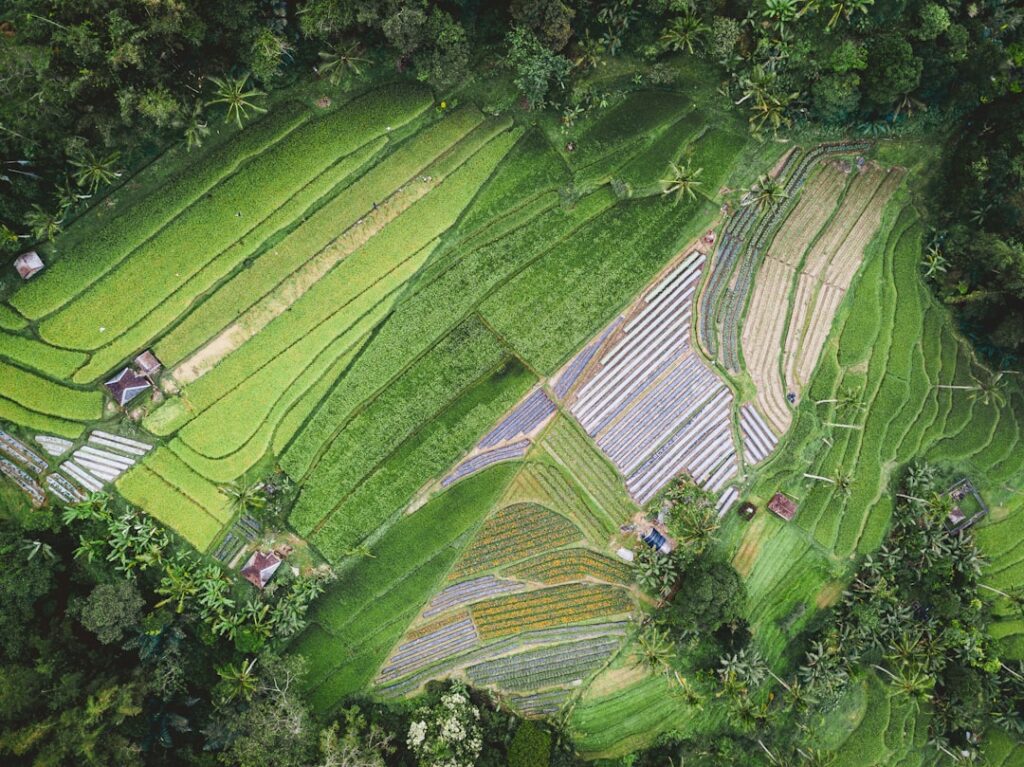
High-angle photography of green leafed plants, Ifugao Rice Terraces, Philippines
FAQs: Your Ifugao Rice Terraces, Philippines Questions Answered
1. Is Ifugao Rice Terraces, Philippines safe at night?
Generally very safe with low crime rates, but carry a flashlight when walking at night as street lighting is limited and trails can be slippery—avoid remote terrace areas after dark without a local guide.
2. What currency is used and are credit cards accepted?
Philippine pesos (₱) are standard—bring ample cash as only a few hotels and upscale restaurants in Banaue accept credit cards, with ATMs frequently running out of money, especially on weekends.
3. How do I get from the airport to the city center?
From Cauayan Airport, take a van (₱400/$7, 3 hours) or private car (₱2,500/$45, 2.5 hours) to Banaue—book through your accommodation for reliability. Book airport transfers at GetYourGuide for convenience.
4. Do I need to speak the local language?
English is widely spoken in tourist areas, but learning basic Ifugao phrases will enhance your experience—locals appreciate visitors who attempt “Agyamanak” (thank you) and “Mapteng ngadan” (good morning).
5. What’s the appropriate dress code?
Modest, practical clothing works best—light layers for changing mountain weather, sturdy waterproof shoes for muddy trails, and covering shoulders/knees when visiting villages to respect local customs.
Final Thoughts: Ifugao Rice Terraces, Philippines Awaits
The Ifugao Rice Terraces offer something increasingly rare in modern travel—a living cultural landscape where ancient traditions continue uninterrupted. Unlike static historical sites, here you’ll witness the same agricultural practices, hear the same irrigation sounds, and walk the same stone pathways that generations have maintained for over two millennia. Savvy travelers know the real magic happens when you look beyond the famous viewpoints to the working farmers, traditional villages, and cultural practices that make this UNESCO World Heritage site truly extraordinary. Don’t just visit—stay overnight in a village homestay, wake for sunrise over the misty terraces, and experience firsthand why this engineering marvel remains the Philippines’ most profound cultural treasure.

