
Iceland’s Highlands’s Epic Raw Nature, Solitude & Volcanic Majesty (2025)
While over 2 million visitors descend on Iceland annually, fewer than 15% venture into the vast, roadless interior known as the Highlands. This isn’t a place you simply drive through; it’s a 40,000 square kilometer wilderness of black sand deserts, rainbow-colored rhyolite mountains, and steaming lava fields, accessible only by rugged 4×4 tracks for a fleeting 10-12 weeks each summer. Here, you trade souvenir shops for the profound silence of a landscape still being forged by fire and ice.
Why Iceland’s Highlands Stands Out

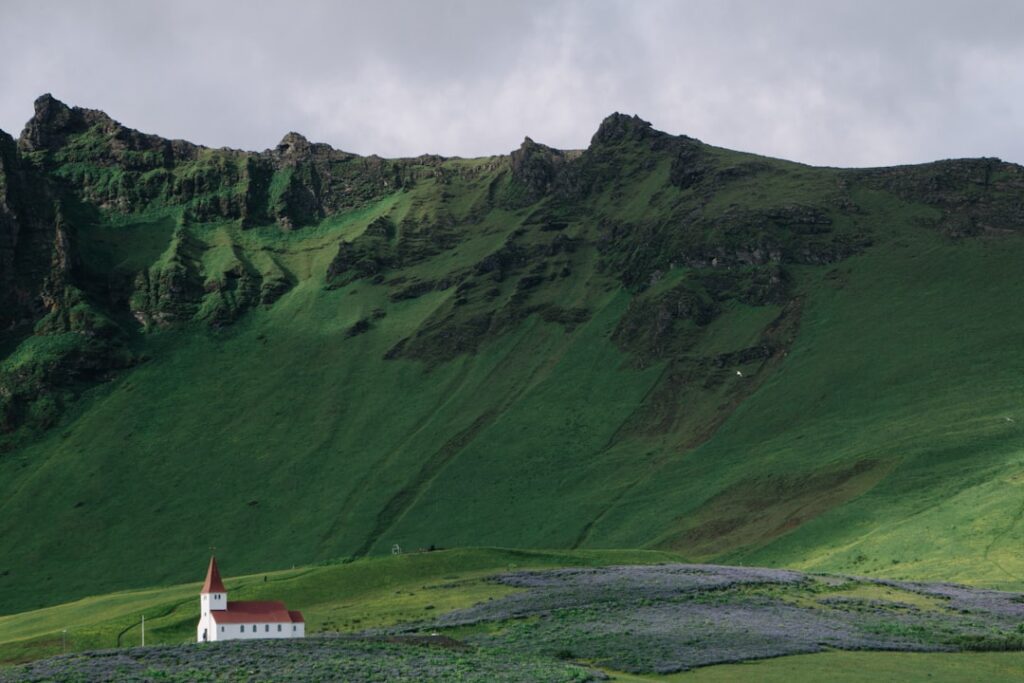
Green mountain near concrete road, Iceland’s Highlands
- Historic Architecture: The turf-roofed mountain hut at Þórsmörk, a refuge for hikers since the 1950s, embodies the simple, resilient spirit of Icelandic highland travel.
- Cultural Scene: The annual “Laugavegur Ultra Marathon,” a 55km race across the iconic Laugavegur hiking trail, transforms the wilderness into a celebration of human endurance against an epic backdrop.
- Local Specialties: After a long hike, nothing beats a cup of rich, black coffee and a slice of dense, sweet kleina (a twisted doughnut) shared with fellow travelers in a remote hut.
Pro Tip: Your absolute best window for a Highlands journey is from late July to late August. The major F-roads (mountain roads) are usually fully open, river crossings are at their most manageable levels, and you have the best chance of experiencing the midnight sun over the surreal landscapes. Avoid early June, as snowmelt creates dangerously high rivers.
Map of Iceland’s Highlands
Use these interactive maps to explore Iceland’s Highlands and plan your route:
📍 View Landmannalaugar on OpenStreetMap
🗺️ Open Landmannalaugar in Google Maps
Planning Your Trip: Practical Essentials
Getting There and Around
- By Air: All journeys start at Keflavík International Airport (KEF). From there, you’ll need a 4×4 vehicle. Book flights at Skyscanner for best deals.
- By Train: Iceland has no public railway system. Your transport is exclusively by road.
- By Car: A 4×4 with high clearance is NOT a suggestion—it’s the law on all F-roads. Rentals from companies like Blue Car Rental or Go Iceland are equipped for river crossings. Compare car rentals at RentalCars.com.
- Local Transport: In summer, scheduled highland bus services from Reykjavík Excursions or Trex connect to key trailheads like Landmannalaugar and Þórsmörk, a smart option for hikers.
Best Time to Visit
The Highlands are a seasonal destination, entirely dictated by snowmelt and road conditions. The interior is generally inaccessible from October through May.
| Season | Weather | Highlights |
|---|---|---|
| Summer (Jun–Aug) | 5°C to 15°C (41°F to 59°F). Unpredictable; sun, rain, and wind can cycle in minutes. | All F-roads open, 24-hour daylight for hiking, peak accessibility to Landmannalaugar and Askja. Busiest (yet still remote). |
| Winter (Dec–Feb) | -5°C to -15°C (23°F to 5°F). Extreme snow, darkness, and storms. | Inaccessible for general travel. Only for highly specialized super-jeep or ski expeditions. |
| Shoulder (Sep–early Oct) | 0°C to 10°C (32°F to 50°F). Increasingly volatile, first snows possible. | Stunning autumn colors, dramatic skies, and near-total solitude. Roads begin closing; travel requires constant condition checks. |
Budgeting for Iceland’s Highlands

Farm animals on grass field near mountain, Iceland’s Highlands
| Category | Budget | Mid-range | Luxury |
|---|---|---|---|
| Accommodation | ~$40/night (camping at official sites) | ~$120/night (bunk in a mountain hut) | ~$400+/night (guided tour with private hut/cabin) |
| Meals | ~$30/day (self-catering from grocery stores) | ~$70/day (hut meals & café lunches) | ~$150+/day (full-board on premium tours) |
| Transport | ~$80/day (shared 4×4 rental & fuel) | ~$150/day (4×4 rental & fuel) | ~$500+/day (private super-jeep with driver-guide) |
| Activities | Free (self-guided hiking) | ~$50 (guided day hike or hot spring entry) | ~$300+ (helicopter tour or multi-day guided expedition) |
| Daily Total | ~$150/day | ~$390/day | ~$1350+/day |
Top Attractions and Must-See Sights
| Attraction | Description | Access/Hours | Entry Fee |
|---|---|---|---|
| Landmannalaugar | A geothermal wonderland of rhyolite mountains in shades of pink, green, and yellow, with natural hot springs to bathe in. | Accessible via F208; best Jul-Aug. 24-hour area. | Free, but camping/huts cost extra. |
| Askja Caldera & Víti Crater | A vast volcanic caldera holding a deep blue lake, next to the stark, milky-blue geothermal Víti crater lake you can swim in. | Long, rough drive on F88/F910. Jul-Sep only. | Free. |
| Þórsmörk (Thorsmork) | A lush, green valley glacier oasis nestled between three ice caps, offering some of Iceland’s most spectacular day hikes. | Accessed via challenging F249 (river crossings). Shuttle buses available. | Free, but bus transfer/camping fees apply. |
| Sprengisandur Route (F26) | One of Iceland’s historic interior trails, a stark, beautiful high-desert drive between the Hofsjökull and Vatnajökull ice caps. | Open when snow-free (typically Jul-Sep). A full-day drive. | Free (road tolls may apply). |
3-Day Itinerary: Iceland’s Highlands’s Highlights & Hidden Gems
Day 1: Fire & Color in the Fjallabak
- Morning (7-9 AM): Start early from Reykjavík. Drive the scenic route towards Landmannalaugar, stopping at the powerful Hjálparfoss waterfall. Your best bet is to fuel up and get groceries in the town of Selfoss beforehand.
- Afternoon (12-3 PM): Tackle the rugged F208 road into Landmannalaugar. Hike the short but steep Brennisteinsalda volcano (2-3 hours round trip) for panoramic views of the colorful mountains. Pack a picnic lunch.
- Evening (6-8 PM): Soak in the natural, rock-lined hot river at the campsite. Cook dinner at the campsite facilities. For a true treat, savvy visitors book a simple but hearty evening meal at the Landmannalaugar Hut kitchen in advance.
Day 2: Glaciers, Canyons & Oases
- Morning (8 AM): Drive south from Landmannalaugar on the F208 towards Þórsmörk. This route involves several significant river crossings—always check depth and current first. The drive itself, past the majestic Mýrdalsjökull glacier, is the adventure.
- Afternoon (1 PM): Arrive at the Þórsmörk base camp (Langidalur). Hike the iconic Valahnúkur trail (1.5 hours round trip) for breathtaking views over the glacier-carved valley. Lunch at the Volcano Huts café, famous for their lamb soup.
- Evening (6 PM): Drive or take the shuttle bus to the Stakkholtsgjá canyon for an easy evening walk to a hidden waterfall. Overnight at the Þórsmörk campsite or in a cozy bunk at one of the mountain huts.
Day 3: The Black Desert & Ancient Lava
- Morning (7 AM): Depart Þórsmörk early for the drive across the Mælifellssandur black sand desert. Your destination is the perfectly conical, green-moss-covered Mælifell volcano—a photographer’s dream, especially on a sunny morning.
- Afternoon (12 PM): Continue north on the F210 to explore the Fjallabak Syðri area, a less-visited landscape of tortuous lava formations and smaller, tranquil hot springs. This is where you find true solitude.
- Evening (5 PM): Begin your journey back towards the Ring Road, perhaps exiting via the F225 near Hekla volcano. Stop for a final, reflective soak at the Landmannalaugar hot springs if your route allows, or find a guesthouse in the village of Hella for a well-earned comfortable bed and dinner.
Cultural Insights & Etiquette
- Language: Icelandic is the language, but English is widely spoken. Learning “Takk” (Thank you) and “Góðan daginn” (Good day) is appreciated.
- Customs: The Highlands ethos is one of self-reliance and respect. Always close gates, stay on marked tracks to prevent erosion, and never approach sheep—they are farmers’ livestock.
- Tipping: Tipping is not customary or expected in Iceland, even for guides or in restaurants.
- Dress Code: Functional layers are king. Waterproof hiking boots, a waterproof/windproof jacket and pants, thermal base layers, and a warm mid-layer are non-negotiable, regardless of summer weather.
- Business Hours: In the Highlands, there are no businesses in the conventional sense. Mountain huts have wardens during summer, and services operate on limited summer schedules. Always plan to be self-sufficient.
Where to Eat: Iceland’s Highlands’s Best Bites
Dining in the Highlands is about practicality and warmth. You’ll find no restaurants, only mountain hut kitchens, simple cafés at major trailheads, and your own camp stove. The focus is on hearty, energy-rich food.
Must-Try Local Specialties
- Kjötsúpa (Lamb Soup): A rich, brothy soup with tender lamb and root vegetables, the ultimate highland comfort food after a cold hike. The best versions are served at mountain huts like those in Landmannalaugar or Þórsmörk.
- Skyr: This thick, protein-packed Icelandic yogurt is a perfect hiking snack. Buy tubs in supermarkets before you head inland and add your own dried fruit or granola.
- Hot Spring-Boiled Eggs: A fun tradition! Locals often boil eggs in the geothermal waters of hot springs. Just be sure to use a clean, hot spring specifically used for this purpose (like some in Landmannalaugar) and secure your eggs in a tied bag.
Restaurant Recommendations by Budget
| Type | Restaurant/Location | Specialty | Price Range |
|---|---|---|---|
| Budget | Your Camp Stove (any campsite) | Pasta, soups, and instant meals. The view is free. | $5-10/meal |
| Mid-range | Mountain Hut Kitchen (e.g., Landmannalaugar or Þórsmörk) | Pre-booked, family-style dinners like lamb stew or fish. | $25-40/meal |
| Fine dining | Fosshótel Hekla or similar countryside hotel (on Highland periphery) | Modern Icelandic cuisine using local ingredients, a luxurious treat after days in the wild. | $80+/meal |
Where to Stay
Accommodation is basic and focused on shelter. Options are mountain huts (bunk beds, shared facilities), campsites, or guesthouses on the very edges of the highland region. Book huts months in advance through the Ferðafélag Íslands (Iceland Touring Association) or other operators. Compare and book peripheral hotels at Booking.com.
Best “Neighborhoods” for Accommodation
- Landmannalaugar Base: The main hub, with a large campsite and a well-run hut. Perfect for exploring the Fjallabak area, but can feel busy (by Highlands standards). Book huts the moment reservations open.
- Þórsmörk Valley: Offers several campsites and hut complexes (Langidalur, Básar, Volcano Huts). Lush, green, and great for hiking, but access is challenging. The shuttle bus is a smart option here.
- Highland Periphery (Hella/Hvolsvöllur): Stay in a comfortable guesthouse or hotel here and take day trips via super-jeep tours into the interior. Ideal for those wanting comfort with a taste of the wild.

White and gray painted house near water, Iceland’s Highlands
FAQs: Your Iceland’s Highlands Questions Answered
1. Is Iceland’s Highlands safe at night?
The primary safety concerns are environmental, not human. The landscape is the challenge. In summer, it’s never truly dark, but weather can deteriorate rapidly. Always inform someone of your travel plan, check road conditions at road.is, and never attempt river crossings you’re unsure of. Inside a hut or tent, you are perfectly safe.
2. What currency is used and are credit cards accepted?
Iceland uses the Icelandic Króna (ISK). In the Highlands, you will need cash (krónur) to pay for camping fees, hut stays (if not pre-booked online), and bus tickets. Card readers often don’t work in remote areas. Get cash in Reykjavík or at ATMs in major towns before entering.
3. How do I get from the airport to the Highlands?
You don’t go directly. From Keflavík Airport (KEF), take a Flybus to Reykjavík. From there, you must pick up your pre-booked 4×4 rental vehicle or catch a scheduled highland bus to a trailhead. The Highlands are a destination requiring deliberate planning and your own transport. Book airport transfers at GetYourGuide

