
Hwange National Park, Zimbabwe: Incredible Elephants, Starry Skies & Untamed Wilderness (2026)
While crowds flock to the Serengeti, Hwange National Park, Zimbabwe delivers one of Africa’s most concentrated elephant populations—over 45,000 strong—without the convoys of safari vehicles. Here, your best bet is to settle into a waterhole hide at dawn and watch a procession of species, from dusty herds of Cape buffalo to the park’s famed painted wolves (African wild dogs), all drawn to the same vital source. This is raw, unfiltered Africa, where the land tells a story of survival and spectacular abundance.
Why Hwange National Park, Zimbabwe Stands Out

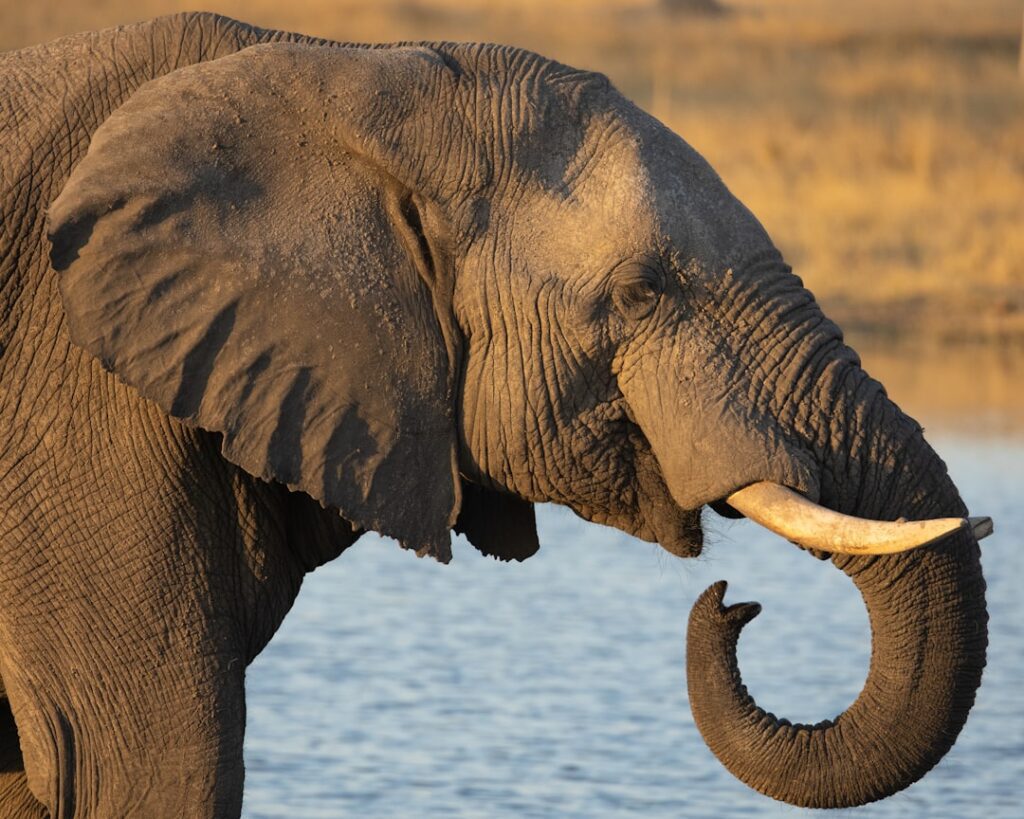
An elephant with tusks, Hwange National Park, Zimbabwe
- Historic Architecture: The iconic, century-old Victoria Falls Bridge (1905), a short scenic flight away, is a marvel of Edwardian engineering connecting Zimbabwe and Zambia over the roaring Zambezi gorge.
- Cultural Scene: The annual Hwange Safari Festival, usually in September, blends conservation talks, local Ndebele and Tonga cultural performances, and star-studded bush dinners under the acacia trees.
- Local Specialties: Don’t miss Sadza neNyama, a hearty staple of stiff maize porridge served with a rich, stewed game meat or beef, best enjoyed at a local lodge.
Pro Tip: For the ultimate wildlife spectacle with manageable heat, target the dry season months of July through October. Animals congregate relentlessly at the park’s 60+ pumped waterholes, making predator sightings more likely. Avoid the peak rainy season (December-March) when animals disperse and some roads become impassable.
Map of Hwange National Park, Zimbabwe
Use these interactive maps to explore Hwange National Park, Zimbabwe and plan your route:
📍 View Hwange National Park, Zimbabwe on OpenStreetMap
🗺️ Open Hwange National Park, Zimbabwe in Google Maps
Planning Your Trip: Practical Essentials
Getting There and Around
- By Air: Most travelers fly into Victoria Falls International Airport (VFA) or Joshua Mqabuko Nkomo International Airport (BUQ) in Bulawayo. From there, you’ll take a charter flight (approx. 45 mins, $250-$400 one-way) to a private airstrip in Hwange, or arrange a road transfer (3-5 hours). Book flights at Skyscanner for best deals.
- By Train: The historic overnight train from Bulawayo to Victoria Falls passes the park’s periphery but is not a practical access point for safaris. It’s more a nostalgic journey. Reserve tickets at Trainline or the national railway website.
- By Car: A 4×4 is mandatory for self-drive adventures. The main access is via the Hwange Main Camp gate, a 1.5-hour drive from Victoria Falls on decent roads. Compare car rentals at RentalCars.com.
- Local Transport: Within the park, transport is exclusively via guided game drives in open 4×4 vehicles provided by your lodge or camp. There is no public transport. Self-drivers must stay on designated roads.
Best Time to Visit
Your experience in Hwange is dramatically shaped by the seasons. The dry winter months offer unparalleled game viewing, while the green season brings newborn animals and migratory birds, with fewer visitors but more challenging spotting conditions.
| Season | Weather | Highlights |
|---|---|---|
| Dry Season (May–Oct) | Warm, sunny days (20-28°C), cold nights (can drop to 5°C). Virtually no rain. | Peak wildlife viewing at waterholes; excellent predator action; clear skies; high season crowds and prices. |
| Wet/Green Season (Nov–Apr) | Hot, humid with afternoon thunderstorms (25-35°C). Heavy rains Jan-Feb. | Lush landscapes, birding paradise (400+ species), baby animals, low tourist numbers, and lower rates. Some camps close. |
| Shoulder (Apr–May/Oct–Nov) | Pleasant, transitional weather with sporadic rain. | Good value, decent game viewing as water sources begin to concentrate or scatter, and comfortable temperatures. |
Budgeting for Hwange National Park, Zimbabwe

Brown lioness lying on ground during daytime, Hwange National Park, Zimbabwe
| Category | Budget | Mid-range | Luxury |
|---|---|---|---|
| Accommodation | $50-$150/night (public campsites, basic rest camp cottages) | $250-$500/night (comfortable safari lodges, all-inclusive) | $700-$1500+/night (exclusive private camps, fully guided) |
| Meals | $15-$25/day (self-catering at campsites) | Included at most lodges | Gourmet meals included, often with premium drinks |
| Transport | $80/day (4×4 rental + fuel) + $20 park fees | Transfers & game drives included in lodge rate | Private vehicle, guide, and sometimes scenic flights included |
| Activities | $30 (guided walk from Main Camp) | Two daily game drives included | Private guides, night drives, walking safaris, hide sleep-outs |
| Daily Total | $150-$250 | $300-$600 | $800-$2000+ |
Top Attractions and Must-See Sights
| Attraction | Description | Hours | Entry Fee |
|---|---|---|---|
| Ngamo Plains | Vast open grasslands offering exceptional cheetah and lion sightings, especially in the early morning light. | Sunrise to Sunset (Park Hours) | Included in Park Fee ($20/day international) |
| Nyamandhlovu Pan | One of the park’s most famous and reliable waterholes, with a raised platform hide perfect for all-day elephant watching. | 24/7 Accessible | Included in Park Fee |
| Linkwasha Concession | A private, pristine wilderness area in the southeast known for high densities of predators, including wild dogs and lion prides. | Guided Access Only | Access via staying at a lodge in the concession |
| Bumbusi National Monument | Ancient stone ruins and rock art within the park, offering a fascinating glimpse into the area’s early inhabitants. | Daylight Hours | Included in Park Fee |
3-Day Itinerary: Hwange National Park, Zimbabwe’s Highlights & Hidden Gems
Day 1: Arrival & The Northern Waterholes
- Morning (7-9 AM): After an early road transfer from Victoria Falls, enter via Main Camp. Your first game drive heads straight to the Mandavu Dam, a magnet for elephants and hippos. Listen for the distinctive call of the fish eagle.
- Afternoon (12-3 PM): Enjoy a packed lunch at the Shumba Picnic Site. Then, proceed to the Nyamandhlovu Pan platform hide. Spend a quiet hour or two here; you’ll often see over 100 elephants in a single afternoon session.
- Evening (6-8 PM): Check into your lodge (e.g., Ivory Lodge or The Hide). After settling in, head out on a sunset game drive, followed by a hearty dinner and stories around the fire.
Day 2: Exploring the Remote Southeast
- Morning (5:30-9 AM): Pre-dawn wake-up for a guided walking safari ($80-$120) from your camp. This is where you truly connect with the smaller details: tracks, scents, and the thrill of being on foot in big game country.
- Afternoon (12-3 PM): Drive deeper into the Kennedy or Linkwasha concessions. Stop for a bush lunch set up by your guides. This area is prime wild dog territory, so keep binoculars ready.
- Evening (6-8 PM): Opt for a night drive (only in private concessions), spotlighting nocturnal creatures like genet, civet, and perhaps a leopard on the move. Dinner under a blanket of stars is non-negotiable.
Day 3: Plains & Cultural Connection
- Morning (7-10 AM): Head south to the Ngamo Plains. The vast, open vistas are breathtaking at sunrise. This is your best chance to spot cheetah scanning for prey from a termite mound.
- Afternoon (12-3 PM): Visit the Bumbusi National Monument. Explore the weathered stone walls and ancient rock art with your guide. Enjoy a final bush lunch reflecting on the park’s deep history.
- Evening (6 PM): Return to your lodge for a farewell “sundowner” drink at a scenic spot. Savvy travelers often request a final dinner in the “boma” (an enclosed reed enclosure) for a truly atmospheric last night.
Cultural Insights & Etiquette
- Language: English is widely spoken in the tourism industry. Learning a few Shona or Ndebele greetings like “Mhoro” (Hello) or “Waita zvako” (Thank you) is greatly appreciated.
- Customs: Always greet people politely before launching into questions or requests. It’s respectful to use your right hand for giving and receiving items, including money.
- Tipping: Tipping is customary. For your guide, consider $15-$25 per guest per day. For general camp staff, a collective tip of $10-$15 per guest per day left in the camp tip box is standard.
- Dress Code: Neutral, earth-toned clothing (khaki, green, brown) is best for game drives. Evenings can be chilly; pack layers. Dress is smart-casual at lodges.
- Business Hours: Park gates open at sunrise (approx. 6 AM) and close at sunset (approx. 6 PM). Exact times are posted at camp. Most lodges operate on a full-board schedule.
Where to Eat: Hwange National Park, Zimbabwe’s Best Bites
Dining in Hwange is almost exclusively part of your lodge or camp experience. Meals are social, hearty affairs, often served communally. Expect a blend of international standards and fantastic local flavors, with fresh ingredients and bush-style barbecues (braais) being a highlight.
Must-Try Local Specialties
- Sadza neNyama: The national dish. The sadza should be smooth and firm, perfect for scooping up rich, tomato-based stew. Your lodge kitchen will prepare an excellent version.
- Mopane Worms: A protein-rich seasonal delicacy. Often dried and seasoned, they’re crunchy and nutty. Be adventurous and try them if offered!
- Potjiekos: A slow-cooked stew made in a three-legged cast-iron pot over coals, often featuring game meat and vegetables. A staple at bush braais.
Restaurant Recommendations by Budget
| Type | Restaurant | Specialty | Price Range |
|---|---|---|---|
| Budget | Main Camp Self-Catering & Picnic Sites | Bring your own supplies or simple snacks from the camp shop. | $5-$15 per meal |
| Mid-range | Lodge Dining (e.g., Sable Sands Lodge) | Buffet-style meals with local twists, excellent braai nights. | Included in stay |
| Fine dining | Private Camp Dining (e.g., Linkwasha Camp) | Gourmet plated meals with paired South African wines, private bush dinners. | Included in stay |
Where to Stay
Accommodation defines your Hwange experience. You’ll choose between public rest camps inside the park (self-drive focus) and private concessions with exclusive lodges (all-inclusive guided safaris). The private concessions offer more flexibility (off-road driving, night drives, walking) and often superior game viewing. Compare prices and book at Booking.com or Airbnb for apartments in Victoria Falls as a base before/after.
Best Neighborhoods for Accommodation
- The Private Concessions (Linkwasha, Kennedy, etc.): The premier choice for wildlife enthusiasts. Offers exclusive access, high-quality guiding, and luxury tented camps. Best for those seeking an immersive, all-inclusive safari.
- Main Camp & Robins Camp Areas: The heart of the public park. Offers affordable rest huts and campsites. Ideal for self-drivers and budget travelers who want independence and direct park access.
- Park Fringe Lodges: Lodges just outside the park boundaries (e.g., near Dete). Often good value, with easy access to Main Camp gate. A solid mid-range option with comfortable facilities.

Bare tree, Hwange National Park, Zimbabwe
FAQs: Your Hwange National Park, Zimbabwe Questions Answered
1. Is Hwange National Park, Zimbabwe safe at night?
Within the confines of your lodge or fenced rest camp, yes, it is very safe. However, the African bush is inherently dangerous after dark. Never walk around at night outside of escorted movements. Always listen to your guide’s instructions. In your tent or room, keep doors zipped and closed to prevent curious wildlife visits.
2. What currency is used and are credit cards accepted?
The official currency is the Zimbabwean Dollar (ZWL), but US Dollars are widely and preferentially accepted throughout the tourism sector. Major lodges and camps accept Visa and Mastercard, but connectivity can be unreliable. Your best bet is to carry sufficient US cash in small denominations ($1, $5, $10) for tips and incidental purchases. Ensure bills are series 2013 or newer and in good condition.
3. How do I get from the airport to the park?
Most visitors arrive via Victoria Falls Airport. From there, you can book a private road transfer (3 hours, ~$150-$250 one-way) or a charter flight (45 minutes, ~$300-$450 one-way) directly to your lodge’s airstrip. Transfers are almost always arranged by your accommodation. Book airport transfers at GetYourGuide for convenience if your lodge doesn’t offer.
4. Do I need to speak the local language?
Not at all. English is the primary language of business, government, and tourism. All safari guides and lodge staff are fluent in English. Learning a few basic greetings in Shona or Ndebele is a wonderful gesture that will bring smiles and show respect for the local culture.
5. What’s the appropriate dress code?
Neutral, comfortable, and layered clothing is key. For game drives, wear long pants and sleeves for sun and brush protection. A warm fleece or jacket is essential for early mornings. Closed-toe shoes are a must.

