
Honshu, Japan’s Best Temples, Trains & Timeless Traditions (2026)
What if you could experience the soul of Japan, from neon-lit skyscrapers to silent, moss-covered shrines, all on one island? Honshu proves it’s possible. As Japan’s largest and most populous island, it’s the vibrant heart of the nation, home to over 100 million people and a staggering 80% of the country’s UNESCO World Heritage sites. Here, your morning might start with a 320 km/h bullet train ride past Mount Fuji, and your afternoon could end with a contemplative walk through a 1,300-year-old temple complex, a journey through layers of history and hyper-modernity that feels uniquely Japanese.
Why Honshu, Japan Stands Out

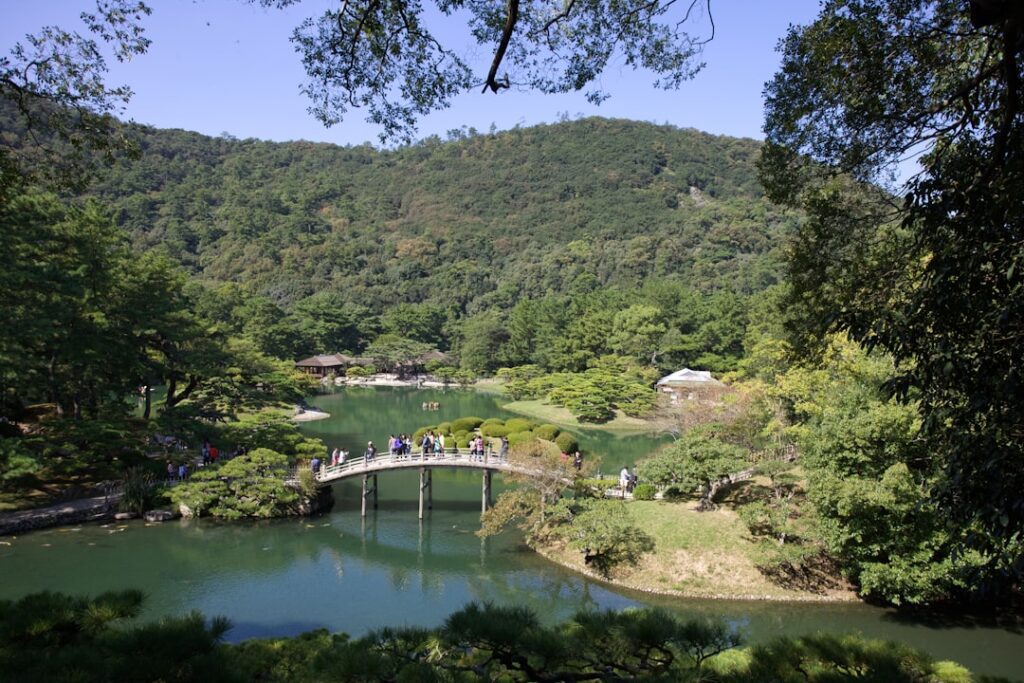
A large body of water with mountains in the background, Honshu, Japan
- Historic Architecture: Himeji Castle, a 17th-century fortress known as the “White Heron,” is Japan’s largest and most visited castle, surviving wars and earthquakes entirely intact.
- Cultural Scene: The Gion Matsuri in Kyoto, a month-long festival in July dating back to 869 AD, features massive, ornate floats paraded through historic streets.
- Local Specialties: You must try Okonomiyaki, a savory pancake from Hiroshima or Osaka loaded with cabbage, noodles, and your choice of meat or seafood.
Pro Tip: For the iconic view of Mount Fuji framed by cherry blossoms from the Chureito Pagoda, plan your visit for mid to late April. Arrive before 8 AM to beat the tour buses and secure a tripod spot for that perfect photograph.
Map of Honshu, Japan
Use these interactive maps to explore Honshu, Japan and plan your route:
📍 View Honshu, Japan on OpenStreetMap
🗺️ Open Honshu, Japan in Google Maps
Planning Your Trip: Practical Essentials
Getting There and Around
- By Air: Most international flights land at either Tokyo’s Narita (NRT) or Haneda (HND) airports, or Osaka’s Kansai (KIX). Haneda is closer to central Tokyo. Book flights at Skyscanner for best deals.
- By Train: The Japan Rail (JR) network, especially the Shinkansen bullet train, is the backbone of Honshu travel. The Tokaido line connects Tokyo and Osaka (2.5 hours). Reserve tickets at Trainline or the national railway website.
- By Car: Driving is best for rural areas like the Japanese Alps or the Izu Peninsula. Note that tolls are expensive and an International Driving Permit is required. Compare car rentals at RentalCars.com.
- Local Transport: In cities, subway and bus passes like Tokyo’s 72-hour Metro Ticket (¥1,500) offer great value. For intercity travel, the JR Pass (¥50,000 for 7 days) can pay for itself with just a round trip between Tokyo and Kyoto.
Best Time to Visit
Honshu offers distinct seasonal beauty, but the shoulder seasons provide the ideal balance of pleasant weather and manageable crowds.
| Season | Weather | Highlights |
|---|---|---|
| Summer (Jun–Aug) | Hot (25-35°C/77-95°F) and very humid, with rainy season in June/July. | Vibrant festivals like Gion Matsuri, hiking in the Japanese Alps, but expect peak crowds and high prices. |
| Winter (Dec–Feb) | Cold (0-10°C/32-50°F), dry, with snow in mountain regions and occasional snow in Tokyo. | Illuminations in Tokyo, skiing in Nagano, serene temple visits with fewer tourists, and onsens (hot springs) are sublime. |
| Shoulder (Apr–May/Sep–Oct) | Mild and pleasant (15-25°C/59-77°F), with low rainfall. April brings cherry blossoms; October/November offer stunning autumn foliage. | Perfect for city exploration and hiking. The landscapes are at their most photogenic, though these are also popular times. |
Budgeting for Honshu, Japan

Traditional japanese buildings nestled on a misty mountainside, Honshu, Japan
| Category | Budget | Mid-range | Luxury |
|---|---|---|---|
| Accommodation | ¥3,000-6,000/night (capsule hotel, hostel dorm) | ¥12,000-25,000/night (business hotel, ryokan) | ¥40,000+/night (5-star hotel, luxury ryokan) |
| Meals | ¥2,000-3,000/day (convenience store meals, street food, ramen shops) | ¥5,000-8,000/day (set lunches, casual restaurants) | ¥15,000+/day (kaiseki dining, Michelin-starred restaurants) |
| Transport | ¥1,500/day (local passes, city buses) | ¥3,000-5,000/day (intercity trains, occasional taxi) | ¥10,000+/day (Green Car Shinkansen, private car hire) |
| Activities | ¥1,000-2,000/day (temple grounds, free gardens, window shopping) | ¥3,000-5,000/day (castle/museum entry, guided tours) | ¥10,000+/day (private guides, cultural workshops) |
| Daily Total | ¥7,500-12,000 (~$50-80) | ¥23,000-43,000 (~$150-280) | ¥75,000+ (~$500+) |
Top Attractions and Must-See Sights
| Attraction | Description | Hours | Entry Fee |
|---|---|---|---|
| Fushimi Inari Taisha (Kyoto) | A mesmerizing path through thousands of vibrant red torii gates leading up a sacred mountain. | 24/7 (daylight recommended) | Free |
| Tokyo Skytree | At 634m, the world’s tallest tower offers unparalleled 360-degree views of the sprawling Kanto plain. | 10:00-21:00 | ¥3,100 for Tembo Deck |
| Hiroshima Peace Memorial Park | A profoundly moving memorial to the 1945 atomic bombing, centered around the haunting A-Bomb Dome. | Museum: 8:30-18:00 (seasonal variations) | Museum: ¥200 |
| Jigokudani Monkey Park (Nagano) | Watch wild Japanese macaques bathing naturally in hot springs, a unique and photogenic spectacle. | 9:00-16:00 (winter), 8:30-17:00 (summer) | ¥800 |
3-Day Itinerary: Honshu’s Highlights & Hidden Gems
Day 1: Tokyo’s Pulse & Tradition
- Morning (7-9 AM): Experience the world’s busiest fish auction (from the visitor’s gallery) at Toyosu Market. Your best bet is to arrive by 6:30 AM to witness the famed tuna auction, then enjoy impossibly fresh sushi for breakfast at one of the market’s small restaurants.
- Afternoon (12-3 PM): Explore the serene grounds of Senso-ji Temple in Asakusa, then wander down Nakamise-dori for traditional snacks. For lunch, try Asakusa Imahan for sublime sukiyaki or a premium beef bowl.
- Evening (6-8 PM): Dive into the sensory overload of Shibuya Crossing, then enjoy yakitori (grilled skewers) and a local beer at Nonbei Yokocho (“Drunkard’s Alley”), a narrow lane packed with tiny, atmospheric bars.
Day 2: Kyoto’s Imperial Heart
- Morning (8 AM): Arrive early (¥13,320 via Shinkansen from Tokyo) at Arashiyama Bamboo Grove. Walking the path before 9 AM is a near-spiritual experience, with the towering bamboo filtering the morning light in silence, before the crowds descend.
- Afternoon (1 PM): Visit the stunning golden pavilion, Kinkaku-ji. Afterwards, take a short bus ride to Nishiki Market for a walking lunch of pickles, tamagoyaki (sweet omelette), and fresh seafood.
- Evening (6 PM): Explore the preserved geisha districts of Gion and Pontocho. For dinner, book a table at Kikunoi for an authentic, multi-course kaiseki meal, or find a cozy okonomiyaki restaurant along the Kamo River.
Day 3: Hakone’s Volcanic Landscape
- Morning (8 AM): Take the Odakyu Romancecar train from Shinjuku to Hakone-Yumoto (¥2,330, 85 mins). Use the Hakone Free Pass (¥6,100) to board a pirate ship across Lake Ashi for stunning views of Mount Fuji on a clear day.
- Afternoon (12 PM): Ride the Hakone Ropeway over the volcanic Owakudani Valley, where you can try black eggs boiled in the sulfuric waters. Enjoy a traditional lunch of soba noodles at a lakeside restaurant.
- Evening (5 PM): Soak in a traditional onsen (hot spring) at a ryokan like Gora Kadan. End your trip with a kaiseki dinner served in your room, the ultimate Japanese hospitality experience.
Cultural Insights & Etiquette
- Language: Learn a few key phrases: “Arigatou gozaimasu” (Thank you), “Sumimasen” (Excuse me/Sorry), and “Kore o kudasai” (This, please). Even a little effort is greatly appreciated.
- Customs: Always bow slightly when greeting or thanking someone. Remove your shoes before entering homes, ryokans, and some traditional restaurants and temples (look for a step up or slippers provided).
- Tipping: Tipping is not customary and can cause confusion. Excellent service is standard. In high-end ryokans, a small service charge may be included.
- Dress Code: Modesty is key, especially at temples. Avoid loud behavior in public spaces like trains. For onsens, be prepared to bathe nude (gender-segregated); small towels are used for modesty while walking, not in the bath.
- Business Hours: Department stores typically open 10:00-20:00. Many museums are closed on Mondays. Restaurants often have last orders around 21:00. Be aware of national holidays like Golden Week (late April/early May) when travel is extremely busy.
Where to Eat: Honshu’s Best Bites
Japanese cuisine is about seasonality, precision, and regional pride. From Tokyo’s cutting-edge sushi to Osaka’s hearty street food, each city has its own personality. Don’t just eat—observe the artistry in a simple bowl of ramen or the theatricality of teppanyaki.
Must-Try Local Specialties
- Sushi/Sashimi: For the ultimate experience, visit the Tsukiji Outer Market in Tokyo or a high-end sushiya like Sushi Saito (reservations essential months in advance). For a more accessible treat, try a kaitenzushi (conveyor belt) restaurant.
- Ramen: Each region has its own style. In Tokyo, try a rich, soy-based shoyu ramen at Ichiran (famous for its individual booths). In Hakata (Fukuoka), seek out tonkotsu (pork bone broth) ramen.
- Kaiseki: This multi-course haute cuisine is the pinnacle of Japanese dining, emphasizing seasonal ingredients and beautiful presentation. In Kyoto, Kikunoi and Hyotei are legendary establishments for this art form.
Restaurant Recommendations by Budget
| Type | Restaurant | Specialty | Price Range |
|---|---|---|---|
| Budget | Ichiran Ramen (Various locations in major cities) | Customizable tonkotsu ramen in private booths | ¥890-1,500 per bowl |
| Mid-range | Seryna (Tokyo, Ginza) | Premium shabu-shabu and teppanyaki in a classic setting | ¥5,000-10,000 per person |
| Fine dining | Narisawa (Tokyo, Minato) | Innovative “Satoyama” cuisine, consistently ranked among Asia’s best | ¥40,000+ for tasting menu |
Where to Stay
Your choice of accommodation can define your trip. For hyper-efficiency, choose a Tokyo business hotel. For cultural immersion, a Kyoto ryokan is essential. For nightlife, base yourself in Osaka. Compare prices and book at Booking.com or Airbnb for apartments.
Best Neighborhoods for Accommodation
- Shinjuku/Shibuya, Tokyo: The epicenter of modern Tokyo, with endless dining, shopping, and nightlife. Excellent transport hubs. Can be noisy and crowded. Best for first-time visitors and those wanting non-stop energy.
- Southern Higashiyama, Kyoto: Steps away from iconic temples like Kiyomizu-dera and Yasaka Shrine. Packed with traditional atmosphere, but can be touristy. Ideal for those prioritizing temple access and historic charm.
- Kita (Umeda), Osaka: Osaka’s business and transport heart, with major train stations, department stores, and a slightly more refined feel than the chaotic Namba district. Perfect for explorers using Osaka as a base for day trips.

Majestic Mount Fuji rises over the urban landscape of Shizuoka, Honshu, Japan
FAQs: Your Honshu, Japan Questions Answered
1. Is Honshu, Japan safe at night?
Extremely safe. Japan has one of the lowest crime rates in the world. You can comfortably walk through major cities at night. Normal precautions apply (watch your belongings in crowded areas), but violent crime against tourists is exceedingly rare.
2. What currency is used and are credit cards accepted?
The currency is the Japanese Yen (¥). Credit cards are widely accepted in hotels, department stores, and major restaurants. However, many smaller restaurants, ryokans, temples, and market stalls are cash-only. Savvy travelers always carry ¥20,000-30,000 in cash. ATMs at 7-Eleven (Seven Bank) and Japan Post Offices accept foreign cards.
3. How do I get from the airport to the city center?
From Narita (NRT) to Tokyo: The Nar

