
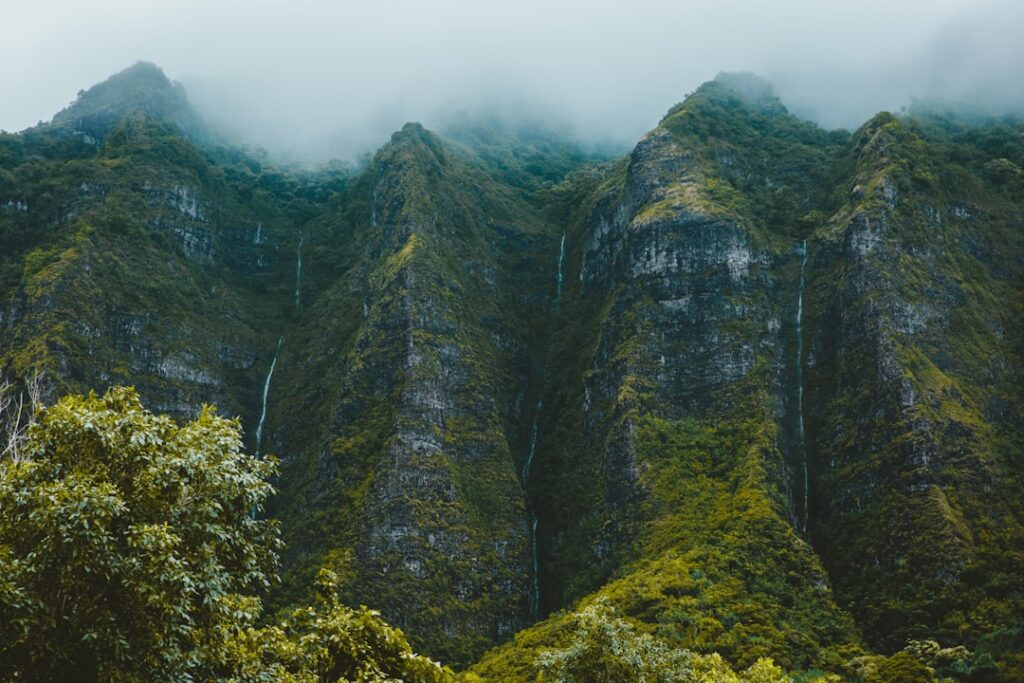
Hawaii, USA’s Best Aloha Spirit, Volcanic Majesty & Ocean Adventures (2026)
What if you could visit eight distinct worlds in one trip? Hawaii isn’t a single island, but a chain of eight main islands, each with its own personality, from the fiery lava flows of the Big Island to the sheer cliffs of Kauai. While over 9 million visitors arrive annually, most cluster around a few famous beaches. The reality? Hawaii offers 750 miles of coastline, 10 of the world’s 14 climate zones, and a living culture that predates European contact by over a thousand years. Here’s how to experience the depth beyond the postcard.
Why Hawaii, USA Stands Out

Palm trees facing the sea, Hawaii, USA
- Historic Architecture: ‘Iolani Palace in Honolulu, built in 1882, is the only royal palace on U.S. soil, a powerful symbol of the Hawaiian Kingdom’s sovereignty.
- Cultural Scene: The annual Merrie Monarch Festival in Hilo is the world’s premier hula competition, a profound week-long celebration of Hawaiian dance, chant, and artistry.
- Local Specialties: You must try a proper plate lunch—a hearty combo of white rice, macaroni salad, and a protein like kalua pig or loco moco, found at roadside stands.
Pro Tip: For the best balance of weather, prices, and crowds, target the shoulder months of April-May and September-October. Specifically, aim for the weeks just after Labor Day or before Thanksgiving. You’ll avoid the peak summer and winter holiday surges, and on the Big Island, the trade winds are most reliable for clear views of Mauna Kea.
Map of Hawaii, USA
Use these interactive maps to explore Hawaii, USA and plan your route:
📍 View Hawaii, USA on OpenStreetMap
🗺️ Open Hawaii, USA in Google Maps
Planning Your Trip: Practical Essentials
Getting There and Around
- By Air: Daniel K. Inouye International Airport (HNL) in Oahu is the main gateway. Inter-island flights are essential; Hawaiian Airlines, Southwest, and Mokulele Airlines connect the islands in 30-45 minute hops. Book flights at Skyscanner for best deals.
- By Train: There are no passenger rail systems connecting the islands. All inter-island travel is by air or, for a unique adventure, by cruise ship.
- By Car: Renting a car is highly recommended on every island except Oahu (where TheBus is excellent). Book early, especially for Maui and Kauai. Compare car rentals at RentalCars.com.
- Local Transport: Oahu’s “TheBus” is a comprehensive and affordable system ($3.00 per ride). Other islands have limited public transit, making rideshares or tours necessary if you don’t drive.
Best Time to Visit
Hawaii’s weather is warm year-round, but seasons affect rainfall, surf, and crowds. The leeward (western/southern) sides of islands are generally drier and sunnier.
| Season | Weather | Highlights |
|---|---|---|
| Summer (Jun–Aug) | 75-88°F, drier on south shores, occasional trade wind showers. | Calm south shore ocean conditions, great for snorkeling; peak crowds and prices. |
| Winter (Dec–Feb) | 68-80°F, increased north shore rain, big surf. | World-class surfing on north shores (like Pipeline), whale watching season (Dec-Apr), holiday festivities. |
| Shoulder (Apr–May/Sep–Oct) | 70-85°F, less predictable rain, lighter winds. | Best overall value, fewer crowds, pleasant water temperatures, ideal for hiking and exploring. |
Budgeting for Hawaii, USA

People on beach during daytime, Hawaii, USA
| Category | Budget | Mid-range | Luxury |
|---|---|---|---|
| Accommodation | $120-180/night (hostel, basic motel) | $250-450/night (resort hotel, nice condo) | $600+/night (5-star oceanfront resort) |
| Meals | $30-45/day (plate lunches, food trucks, self-catering) | $70-100/day (casual sit-down restaurants) | $150+/day (fine dining, chef’s tastings) |
| Transport | $15-25/day (TheBus, occasional rideshare) | $60-90/day (rental car, gas, parking) | $150+/day (luxury SUV, private drivers) |
| Activities | $0-30/day (beaches, hiking, free cultural sites) | $50-100/day (snorkel tours, museum entries) | $200+/day (private guided tours, helicopter flights) |
| Daily Total | $165-280/day | $430-680/day | $1100+/day |
Top Attractions and Must-See Sights
| Attraction | Description | Hours | Entry Fee |
|---|---|---|---|
| Hawaiʻi Volcanoes National Park (Big Island) | Home to Kīlauea, one of the world’s most active volcanoes, with craters, lava tubes, and dramatic landscapes. | Park open 24/7; Kīlauea Visitor Center 9 AM-5 PM | $30 per vehicle (valid 7 days) |
| Hanauma Bay Nature Preserve (Oahu) | A stunning, curved bay formed in a volcanic cone, offering some of Oahu’s best and most accessible snorkeling. | Closed Mon & Tue, 6:45 AM-4 PM (last entry 1:30 PM) | $25 per person (non-resident), plus parking |
| Road to Hana (Maui) | A legendary 64-mile scenic drive with over 600 curves, revealing waterfalls, black sand beaches, and lush rainforest. | Road accessible 24/7; attractions have varying hours | Free (individual stops may charge) |
| Nā Pali Coast State Wilderness Park (Kauai) | Sheer emerald cliffs rising from the sea, accessible only by boat, helicopter, or the challenging Kalalau Trail. | Accessible by tour or hike; state park hours vary | Free for park entry; tours from $150+ |
3-Day Itinerary: Oahu’s Highlights & Hidden Gems
Day 1: History & Urban Aloha
- Morning (7-9 AM): Beat the crowds to Diamond Head State Monument. Hike the 0.8-mile trail to the summit ($10 entry, $10 parking) for panoramic views of Waikiki. Bring water and cash.
- Afternoon (12-3 PM): Explore the history of the Hawaiian Kingdom at ‘Iolani Palace ($25 guided tour). For lunch, walk to Helena’s Hawaiian Food for an authentic, no-frills plate lunch (try the kalua pig and pipikaula).
- Evening (6-8 PM): Watch the sunset and free hula show at the Kuhio Beach Hula Mound in Waikiki. For dinner, savor modern Hawaiian cuisine at MW Restaurant in Kaka’ako.
Day 2: North Shore Culture & Waves
- Morning (7 AM): Rent a car and drive to the North Shore (about 1 hour). Start at the historic Haleʻiwa town. Grab a famous Hawaiian shave ice with azuki beans and ice cream from Matsumoto’s.
- Afternoon (12-3 PM): Watch surfers tackle legendary breaks like Banzai Pipeline and Sunset Beach (winter only for big waves). For lunch, join the line at Giovanni’s Shrimp Truck for garlic shrimp scampi plate.
- Evening (6-8 PM): Return to Honolulu and experience a traditional lūʻau. Savvy visitors recommend the Toa Luau at Waimea Valley for its strong cultural authenticity and included valley admission.
Day 3: Marine Life & Panoramic Views
- Morning (8 AM): Book an early snorkel tour to Hanauma Bay or, for a less crowded alternative, book a catamaran sail with snorkeling off Waikiki (tours from $45). You’ll likely see green sea turtles.
- Afternoon (1-3 PM): Drive up to the Nuʻuanu Pali Lookout (free) for breathtaking, windy views of the windward coast, a key historic battle site.
- Evening (6 PM): Enjoy a final sunset dinner at House Without a Key at the Halekulani hotel, where you can sip a Mai Tai to live Hawaiian music and hula under a century-old kiawe tree.
Cultural Insights & Etiquette
- Language: English is widely spoken. Learn a few Hawaiian words: “Aloha” (hello/goodbye/love), “Mahalo” (thank you), and “ʻOhana” (family). The ‘okina (‘) is a glottal stop, so pronounce Hawaiʻi as “ha-VAI-ee”.
- Customs: Respect is paramount. Remove your shoes before entering someone’s home. Don’t remove lava rocks or sand from sacred sites—it’s considered bad luck. Be reverent at heiau (temples).
- Tipping: Standard U.S. tipping applies: 15-20% at restaurants, $1-2 per bag for porters, $3-5 per night for hotel housekeeping.
- Dress Code: Resort wear is fine, but pack a light cover-up for when you’re off the beach. For upscale dining, “Aloha attire” (a nice aloha shirt or muʻumuʻu) is perfectly acceptable.
- Business Hours: Typical retail is 9 AM-9 PM. Many attractions and shops close earlier on Sundays. Major holidays like King Kamehameha Day (June 11) and Prince Kūhiō Day (March 26) see closures.
Where to Eat: Hawaii, USA’s Best Bites
Hawaii’s cuisine is a unique fusion of Native Hawaiian, American, Japanese, Chinese, Portuguese, and Filipino influences, known as “local food.” Don’t just eat at the resort; seek out food trucks, plate lunch spots, and family-owned diners.
Must-Try Local Specialties
- Poke: Cubed, marinated raw fish (usually ahi tuna). For the best, go to a dedicated poke counter like Foodland Farms or Tamashiro Market in Honolulu.
- Loco Moco: A hearty dish of white rice, a hamburger patty, a fried egg, and brown gravy. Café 100 in Hilo on the Big Island claims to have invented it.
- Malasadas: Portuguese doughnuts without a hole, rolled in sugar. Leonard’s Bakery in Honolulu is the iconic spot, but look for food trucks too.
Restaurant Recommendations by Budget
| Type | Restaurant | Specialty | Price Range |
|---|---|---|---|
| Budget | Ono Seafood (Honolulu, Oahu) | Fresh, no-frills poke bowls by the pound | $10-15 per person |
| Mid-range | Merriman’s (Multiple locations) | Farm-to-table Hawaiian regional cuisine with ocean views | $40-70 per person |
| Fine dining | La Mer at Halekulani (Honolulu, Oahu) | French cuisine with Hawaiian influences, impeccable service | $150+ per person (tasting menu) |
Where to Stay
Your choice of island and neighborhood defines your trip. Waikiki is bustling and convenient, while outer islands offer seclusion. Compare prices and book at Booking.com or Airbnb for apartments.
Best Neighborhoods for Accommodation
- Waikiki (Oahu): High-energy, world-famous beach, endless dining/shopping, and easy bus access. Best for first-timers, nightlife, and those without a car. Can feel crowded and touristy.
- Kāʻanapali (Maui): A classic resort area with a beautiful, long beach, golf courses, and the iconic daily cliff dive ceremony at Black Rock. Ideal for families and resort-style relaxation.
- Poʻipū (Kauai): The “sunny south shore” with resort condos, great swimming beaches, and excellent dining. Perfect for a mix of relaxation and access to Waimea Canyon and the Nā Pali Coast.

An aerial view of a golf course and the ocean, Hawaii, USA
FAQs: Your Hawaii, USA Questions Answered
1. Is Hawaii, USA safe at night?
Generally, yes, especially in resort areas. Use standard city precautions in urban Honolulu. Lock your car and never leave valuables inside, even at remote beach parking lots, as break-ins can occur. Hiking alone at dawn or dusk is not recommended.
2. What currency is used and are credit cards accepted?
The U.S. Dollar (USD) is the currency. Credit cards are accepted almost everywhere, but it’s wise to carry $20-40 in cash for food trucks, farmers’ markets, small fruit stands, and tipping.
3. How do I get from the airport to the city center (Waikiki)?
From Honolulu Airport (HNL), Waikiki is about 20-40 minutes away. The cheapest option is TheBus #20 ($3.00). Shared shuttle vans like Roberts Hawaii cost about $16 one-way. Taxis are $35-45, and rideshares (Uber/Lyft) are $30-40. Book airport transfers at GetYourGuide for convenience.
4. Do I need to speak the local language?
No. English is the primary language. However, learning and using basic Hawaiian greetings (Aloha, Mahalo) is a sign of respect and is warmly appreciated by locals.
5. What’s the appropriate dress code?
Very casual and comfortable. Swimwear is for the beach/pool—always wear a cover-up in shops and restaurants. For most upscale dining, “resort casual” or “Aloha attire” (collared aloha shirt, sundress) is perfect. Pack a light jacket for cooler evenings and mountain areas.
Final Thoughts: Hawaii, USA Awaits
Hawaii offers a rare blend of relaxation and adventure, where you can watch the earth being created from molten lava and fall asleep to the sound of waves on the same day. The true magic lies in embracing the Aloha Spirit—a genuine feeling of kindness, connection, and respect that permeates the islands. Go beyond the resort luau; take a hula lesson, volunteer for a beach clean-up, or simply talk story with a local. Your best souvenir won’t be a tr

