
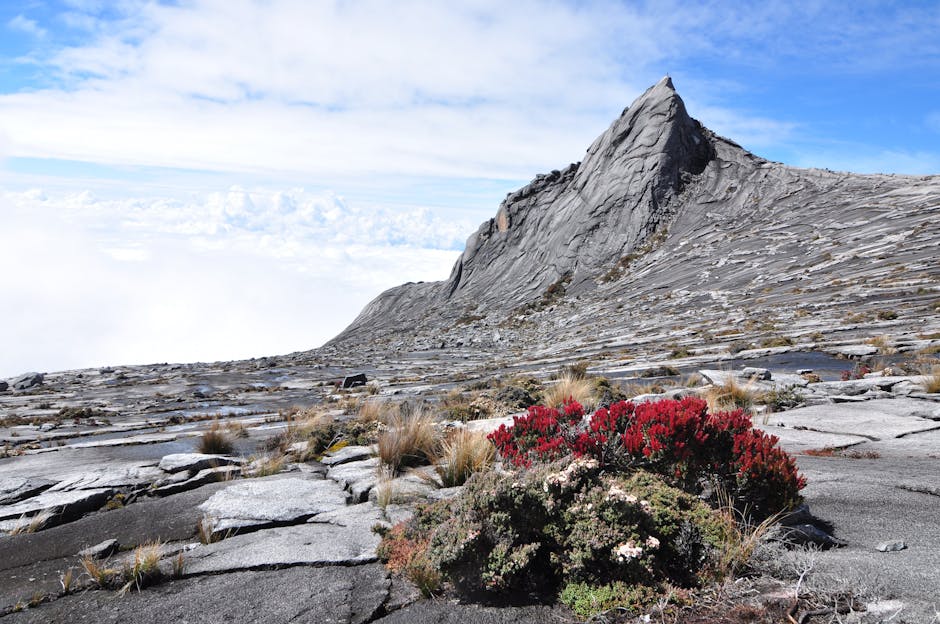
Gunung Mulu National Park, Malaysia: Essential Caves, Canopies & Ancient Rainforests (2025)
Just after dusk, a river of three million bats spirals from the mouth of Deer Cave in a living, churning vortex against the twilight sky. This nightly exodus from the world’s largest cave passage is a spectacle witnessed by fewer than 30,000 visitors a year, a fraction of those who crowd Borneo’s beaches. This UNESCO World Heritage site isn’t just a park; it’s a 52,865-hectare theatre of geological drama, home to one of the planet’s most extensive cave systems and a biodiversity hotspot where you can walk among 100-million-year-old rainforest.
Why Gunung Mulu National Park, Malaysia Stands Out
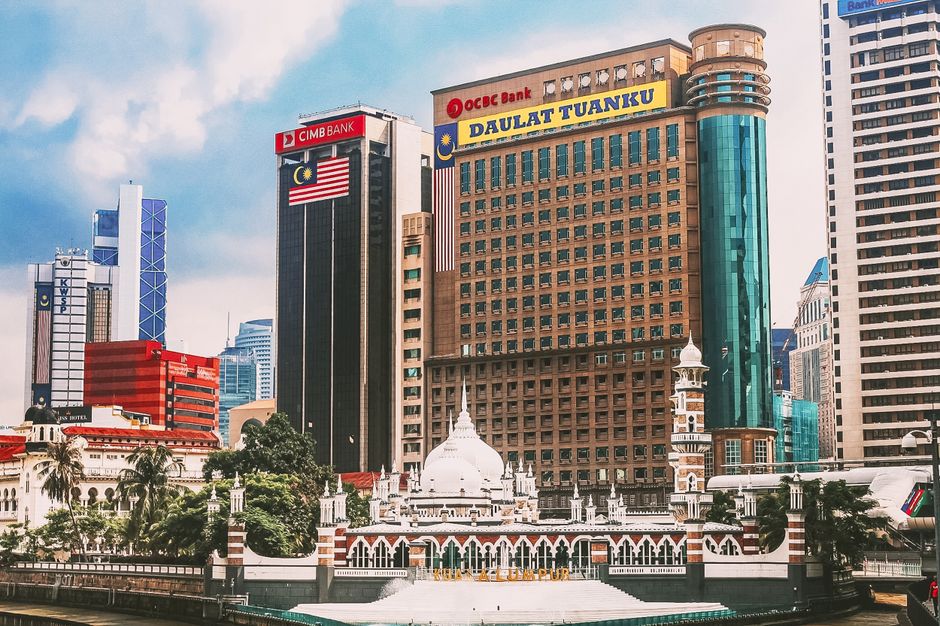
Scenic view of Kuala Lumpur’s skyline featuring modern skyscrapers and icon…, Gunung Mulu National Park, Malaysia
- Historic Architecture: The park’s headquarters, built in the 1970s from local timber, is your gateway to exploration and a classic example of functional jungle architecture.
- Cultural Scene: The opportunity to visit a local Penan or Berawan village offers a rare, respectful glimpse into indigenous Bornean cultures and longhouse living.
- Local Specialties: Don’t miss a chance to try *Midin* (stir-fried jungle fern) at the park canteen, a crunchy, wild-harvested delicacy unique to Sarawak.
Pro Tip: The absolute best time to visit is during the drier months from April to October. For the clearest skies and lowest chance of tour cancellations, aim for June through August. Book all guided tours and accommodation at least 3-4 months in advance, especially for the iconic Pinnacles trek and Mulu Summit climb, as permits are strictly limited.
Map of Gunung Mulu National Park, Malaysia
Use these interactive maps to explore Gunung Mulu National Park, Malaysia and plan your route:
📍 View Gunung Mulu National Park, Malaysia on OpenStreetMap
🗺️ Open Gunung Mulu National Park, Malaysia in Google Maps
Planning Your Trip: Practical Essentials
Getting There and Around
- By Air: Mulu Airport (MZV) is the only practical access. MASwings operates daily flights from Miri (30 min) and Kuching (1.5 hrs). A shuttle van meets every flight for the 5-minute transfer to park HQ. Book flights at Skyscanner for best deals.
- By Train: No train service exists. All access is by air or, for the intrepid, a multi-day river journey from Miri which requires special permits and guides.
- By Car: No roads lead to Mulu. It is an intentionally remote park, accessible only by air or river. Compare car rentals at RentalCars.com for getting to departure airports like Miri.
- Local Transport: Your feet and scheduled park boats are the primary transport. All tours include necessary transport. Walking between HQ and the show caves is easy on boardwalks.
Best Time to Visit
Gunung Mulu has an equatorial rainforest climate—it’s hot, humid, and rainy year-round, but precipitation patterns define the seasons. The drier period offers more reliable tour operation, especially for advanced treks.
| Season | Weather | Highlights |
|---|---|---|
| Dry Season (Jun–Sep) | 25-32°C, lower rainfall, higher river clarity | Ideal for Pinnacles & Summit climbs; most reliable for caving; crowded (by Mulu standards). |
| Wet Season (Oct–Feb) | 23-30°C, daily heavy showers, higher humidity | Lush, vibrant greenery; fewer visitors; some treks (Pinnacles) may be closed due to slippery conditions. |
| Shoulder (Mar–May) | Transitional, unpredictable short showers | Good balance of decent weather and moderate crowds; a smart time to book for value. |
Budgeting for Gunung Mulu National Park, Malaysia
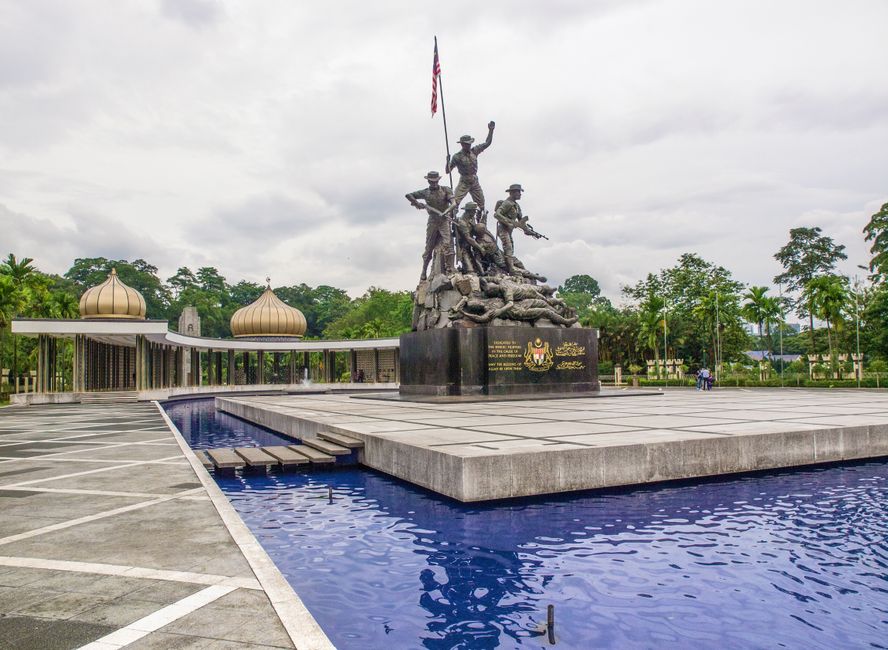
View of the National Monument in Kuala Lumpur, Gunung Mulu National Park, Malaysia
| Category | Budget | Mid-range | Luxury |
|---|---|---|---|
| Accommodation | MYR 50-150/night (Camping/Dorm at HQ) | MYR 250-450/night (Garden Bungalow at HQ) | MYR 600+/night (Royal Mulu Resort) |
| Meals | MYR 30-50/day (Park Canteen) | MYR 70-120/day (Mix of canteen & resort restaurant) | MYR 150+/day (Full resort dining) |
| Transport | MYR 0 (Walking to show caves) | MYR 50-100 (Extra boat trips) | MYR 200+ (Private charter boats) |
| Activities | MYR 50-150/tour (Show cave tours) | MYR 300-500 (Canopy Skywalk, Garden of Eden) | MYR 600+ (Private guiding, special adventure caving) |
| Daily Total | MYR 130-350/day | MYR 670-1170/day | MYR 1550+/day |
Top Attractions and Must-See Sights
| Attraction | Description | Hours | Entry Fee |
|---|---|---|---|
| Deer & Lang’s Cave | Walk through the world’s largest cave passage and see stunning limestone formations, culminating in the iconic Bat Exodus at dusk. | Tours at 2:00 PM & 4:30 PM (Bat Exodus) | MYR 50 |
| Clearwater Cave & Wind Cave | Explore the world’s 8th longest cave system by boat and foot, featuring the serene King’s Room and a stunning underground river. | Tours at 8:45 AM & 1:45 PM | MYR 60 |
| Mulu Canopy Skywalk | Traverse the world’s longest tree-based canopy walkway (480m), 25m above the forest floor for unparalleled wildlife spotting. | Tours at 7:00 AM, 9:30 AM, 2:00 PM | MYR 50 |
| The Pinnacles (Gunung Api) | A demanding 2-3 day trek to view the razor-sharp, 45m tall limestone spikes—Mulu’s most iconic and challenging landscape. | Strictly guided 3D2N trips | ~MYR 750/person |
3-Day Itinerary: Gunung Mulu National Park, Malaysia’s Highlights & Hidden Gems
Day 1: Caves & Canopies
- Morning (7:00 AM): Secure your tour bookings for the day at the Park HQ counter. Then, take the **Mulu Canopy Skywalk** tour (MYR 50). Your best chance to see hornbills, flying lizards, and breathtaking vistas is in the cool, active morning air.
- Afternoon (1:45 PM): Join the **Clearwater & Wind Cave** tour (MYR 60). After exploring, take a refreshing swim in the legendary Clearwater spring—a local favorite. Grab a simple lunch of noodles or a packed sandwich from the **Park Canteen**.
- Evening (4:30 PM): Experience the unforgettable **Deer & Lang’s Cave** tour (MYR 50), culminating in the Bat Exodus at dusk. For dinner, try the *Ikan Terubuk Masak Lemak* (local fish in turmeric coconut gravy) back at the canteen.
Day 2: Adventure & Culture
- Morning (8:30 AM): Embark on the **Garden of Eden & Hidden Valley** tour (~MYR 300). This full-day adventure involves jungle trekking, caving, and swimming in hidden pools. It’s a step up from the show caves and reveals Mulu’s wilder side.
- Afternoon: Your Garden of Eden tour includes a packed lunch eaten in a stunning jungle clearing. The trek continues, often revealing pitcher plants and rare orchids.
- Evening (6:00 PM): Enjoy a well-earned rest. Dine at the **Royal Mulu Resort’s restaurant** (MYR 80-120) for a more varied menu, or opt for a relaxing evening spotting frogs and insects along the lit boardwalks near HQ.
Day 3: Rivers & Local Life
- Morning (9:00 AM): Take a **longboat trip** (MYR 100-150, book at HQ) to visit a local **Berawan or Penan longhouse village**. This is a cultural, not commercial, experience—bring small gifts like school supplies or tobacco, and always ask before taking photos.
- Afternoon: Enjoy a simple lunch hosted by the community. Return by boat, keeping an eye out for proboscis monkeys along the riverbanks. Back at HQ, visit the excellent **Discovery Centre** to understand the park’s ecology.
- Evening (7:00 PM): For your final night, savor a dinner at the canteen and take a leisurely **Night Walk** (MYR 30) along the boardwalk with a park guide to spot sleeping birds, tarantulas, and bioluminescent fungi.
Cultural Insights & Etiquette
- Language: Bahasa Malaysia is official; English is widely spoken at HQ. Learn a few phrases: *Terima kasih* (Thank you), *Apa khabar?* (How are you?).
- Customs: When visiting longhouses, remove your shoes before entering. Always accept offered food or drink (even a sip) as it is a sign of respect. Use your right hand for giving and receiving.
- Tipping: Not expected but appreciated for exceptional guide service. A tip of MYR 10-20 per guide for a full-day tour is generous.
- Dress Code: Modest, quick-dry clothing is key. For village visits, cover shoulders and knees. For caving, wear clothes you don’t mind getting muddy and sturdy, closed-toe shoes with grip.
- Business Hours: Park HQ opens 8:00 AM-5:00 PM. Tour schedules are fixed. Major Malaysian public holidays can see increased local visitation.
Where to Eat: Gunung Mulu National Park, Malaysia’s Best Bites
Dining in Mulu is functional and focused on local Sarawakian flavors. There are no independent restaurants—your options are the Park HQ Canteen, the Royal Mulu Resort restaurant, or your accommodation’s kitchen. The focus is on hearty, energy-giving food for explorers.
Must-Try Local Specialties
- Midin Stir-fry: This crunchy jungle fern, often cooked with belacan (shrimp paste) or garlic, is a must-try Bornean vegetable. Find it at the **Park Canteen**.
- Sarawak Laksa: A uniquely peppery, coconut-based noodle soup distinct from its Peninsular cousin. The best you’ll get near the park is at the **Royal Mulu Resort** breakfast buffet.
- Manok Pansoh: Chicken cooked in bamboo with lemongrass and herbs. You might be served this if visiting a longhouse, or occasionally at the resort.
Restaurant Recommendations by Budget
| Type | Restaurant | Specialty | Price Range |
|---|---|---|---|
| Budget | Mulu Park HQ Canteen | Local Malay & Chinese noodle dishes, rice plates, *Midin*. | MYR 10-25 per dish |
| Mid-range | Royal Mulu Resort Restaurant | International buffet breakfast, a la carte Western and Asian dinners. | MYR 40-120 per meal |
| Fine dining | N/A | Fine dining does not exist in Mulu. The focus is entirely on the natural experience. | N/A |
Where to Stay
Accommodation is split between the Park Headquarters (budget/mid-range, closest to trails) and the Royal Mulu Resort (upscale, a 10-min walk or shuttle from HQ). All must be booked well in advance. Compare prices and book at Booking.com or Airbnb for apartments (note: no Airbnbs exist in Mulu itself, only in departure cities).
Best Neighborhoods for Accommodation
- Park Headquarters Area: The functional heart of the park. You’re steps from the tour departure points, boardwalks, and canteen. It’s basic but immersive. Ideal for serious trekkers and budget travelers. Choose from camping, dormitories, or garden bungalows.
- Royal Mulu Resort Area: Offers comfort like air conditioning, a pool, and a restaurant after a hard day’s trekking. It’s a short walk/shuttle from HQ. Best for those prioritizing comfort and willing to pay a premium for it.
- Longhouse Homestay (Advanced): For a truly deep cultural experience, some villages may offer homestays. These are arranged through special request via the park or tour operators, have very basic facilities, and require cultural sensitivity.

Detailed close-up of a military propeller aircraft in a park setting with l…, Gunung Mulu National Park, Malaysia
FAQs: Your Gunung Mulu National Park, Malaysia Questions Answered
1. Is Gunung Mulu National Park, Malaysia safe at night?
Yes, the park HQ area is very safe. The boardwalks are well-lit, and the community is small and close-knit. The main considerations are wildlife-related: always use a flashlight, watch for snakes on paths, and never approach wild animals. Guided night walks are the safest and most informative way to explore after dark.
2. What currency is used and are credit cards accepted?
The Malaysian Ringgit (MYR) is used. Credit cards are accepted at the Royal Mulu Resort and sometimes at the Park HQ office for tour payments, but **cash is king**. There are NO ATMs in Mulu. Withdraw enough cash in Miri or Kuching before you fly in to cover all tours, meals, and souvenirs for your entire stay.
3. How do I get from the airport to the park?
Mulu Airport is a 5-minute drive from Park HQ. A shared van service meets every flight and costs MYR 5-10 per person. The Royal Mulu Resort often provides a free shuttle for its guests. It’s straightforward and pre-organized. Book airport transfers at GetYourGuide for convenience if you prefer a guaranteed private pickup.
4. Do I need to speak the local language?
Not at all. All park guides and staff at HQ and the resort speak excellent English. For village visits, your guide will translate. Learning a few basic Bahasa Malaysia phrases is a respectful gesture that will be warmly appreciated by locals.

