
Guápiles, Costa Rica’s Incredible Pineapple, Rainforests & Authentic Tico Life (2026)
While crowds flock to the beaches of Guanacaste, Guápiles, Costa Rica delivers the authentic, agricultural heart of the country without the tourist markups. Just 64 kilometers northeast of San José, this bustling town is the undisputed capital of Costa Rica’s “Zona Norte,” where 80% of the nation’s world-famous pineapples begin their journey. Here, the scent of tropical fruit mingles with morning mountain mist, offering a genuine slice of *pura vida* far from the resort trail.
Why Guápiles, Costa Rica Stands Out

Beautiful view of Iglesia de San Rafael amidst lush gardens and blue sky., Guápiles, Costa Rica
- Historic Architecture: The iconic, bright yellow San José de Guápiles Church, constructed in 1913, stands as a landmark of the town’s founding and enduring community spirit.
- Cultural Scene: The annual Fiestas Civicas in July transforms the central park with bull riding (*topes*), live *cumbia* music, and carnival games, showcasing authentic local celebration.
- Local Specialties: You must try *chorreadas*, sweet corn pancakes served with natilla (sour cream), best enjoyed fresh from a roadside *soda* for breakfast.
Pro Tip: Visit between December and April (the dry season) for the most reliable weather for exploring the surrounding rainforests. For the ultimate local experience, time your visit for a weekend when the central park is liveliest, but avoid the peak holiday weeks of Christmas and Easter when domestic travel surges.
Map of Guápiles, Costa Rica
Use these interactive maps to explore Guápiles, Costa Rica and plan your route:
📍 View Guápiles, Costa Rica on OpenStreetMap
🗺️ Open Guápiles, Costa Rica in Google Maps
Planning Your Trip: Practical Essentials
Getting There and Around
- By Air: Fly into Juan Santamaría International Airport (SJO) in San José. From there, it’s a 1 to 1.5-hour drive. Domestic flights do not serve Guápiles directly. Book flights at Skyscanner for best deals.
- By Train: No direct passenger train service is available to Guápiles. The historic Atlantic Railway is primarily freight-focused for the banana and pineapple industries.
- By Car: The most flexible option. Take Route 32 (the Guápiles Highway) from San José, a scenic but winding mountain road. Driving is straightforward, with ample parking in town. Compare car rentals at RentalCars.com.
- Local Transport: Buses are efficient and cheap. Frequent buses run from San José’s Gran Terminal del Caribe (approx. ₡2,000/$3.50, 1.5 hours). Within town, taxis are plentiful and affordable for short trips; always ensure the meter (*maría*) is running.
Best Time to Visit
Guápiles has a tropical rainforest climate—it’s warm and humid year-round, but precipitation defines the seasons. The dry season offers sunnier exploration, while the green season brings lush landscapes and occasional spectacular afternoon thunderstorms.
| Season | Weather | Highlights |
|---|---|---|
| Dry Season (Dec–Apr) | Warm, 75-85°F (24-29°C), lower humidity, minimal rain | Ideal for rainforest hikes and day trips, peak domestic tourism in Dec/Jan. |
| Green Season (May–Nov) | Very warm, 78-88°F (26-31°C), high humidity, daily afternoon showers | Landscapes are incredibly lush, fewer crowds, lower accommodation rates. |
| Shoulder (May/Jun & Nov) | Transitional weather, warm with sporadic rain | A good balance of decent weather and manageable tourist numbers. |
Budgeting for Guápiles, Costa Rica

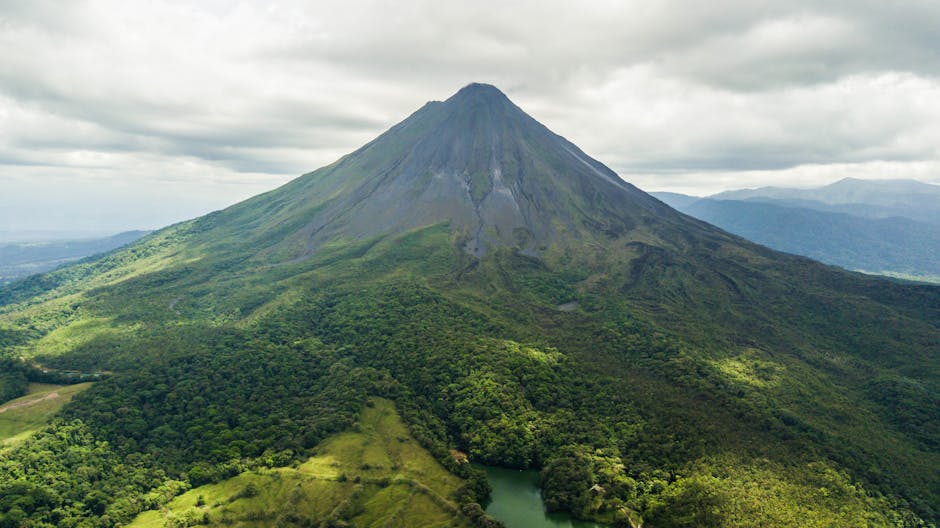
Stunning view of Arenal Volcano with glowing clouds at dusk in Costa Rica, Guápiles, Costa Rica
| Category | Budget | Mid-range | Luxury |
|---|---|---|---|
| Accommodation | ₡15,000-25,000 ($25-$40) for a hostel or basic guesthouse | ₡40,000-70,000 ($65-$115) for a comfortable hotel or B&B | ₡100,000+ ($165+) for a boutique eco-lodge nearby |
| Meals | ₡3,000-6,000 ($5-$10) for a *casado* at a *soda* | ₡8,000-15,000 ($13-$25) for a restaurant meal with a drink | ₡25,000+ ($40+) for a fine dining experience (rare in town) |
| Transport | ₡2,000 ($3.50) for intercity buses; local taxi ₡1,500-2,500 ($2.50-$4) | Car rental from ₡25,000 ($40)/day incl. insurance | Private driver or guided tour transport |
| Activities | Free park visits, low-cost museum entry | ₡15,000-30,000 ($25-$50) for guided rainforest walks or farm tours | ₡50,000+ ($80+) for private, full-day guided adventures |
| Daily Total | ₡25,000-40,000 ($40-$65) | ₡70,000-120,000 ($115-$200) | ₡200,000+ ($330+) |
Top Attractions and Must-See Sights
| Attraction | Description | Hours | Entry Fee |
|---|---|---|---|
| Central Park (Parque Central) | The vibrant social hub, perfect for people-watching and soaking in daily *tico* life under massive tropical trees. | Always open | Free |
| Veragua Rainforest Research & Adventure Park | A world-class eco-park 45 mins south, featuring aerial tram, waterfalls, reptile exhibit, and incredible biodiversity. | 8:00 AM – 4:00 PM Daily | From $65 (includes guided tour & lunch) |
| Pineapple Farm Tour (Finca) | Go behind the scenes of Costa Rica’s star export; learn about cultivation and taste fruit straight from the field. | Tours typically at 9:00 AM & 2:00 PM | ₡10,000-15,000 ($16-$25) |
| La Marina Wildlife Rescue Center | A heartfelt sanctuary caring for injured and confiscated native wildlife, offering close-up educational encounters. | 8:00 AM – 4:00 PM, Mon-Sat | ₡5,000 ($8) donation suggested |
3-Day Itinerary: Guápiles, Costa Rica’s Highlights & Hidden Gems
Day 1: Town Life & Agricultural Roots
- Morning (7-9 AM): Start at **Soda La Parada** for a classic *gallo pinto* breakfast. Then, stroll the bustling **Central Market** to see vibrant produce and chat with vendors.
- Afternoon (12-3 PM): Take a guided **Pineapple Farm Tour** (book ahead). For lunch, head to **Restaurante Mi Tierra** for a massive *casado* with fresh fruit juice.
- Evening (6-8 PM): Enjoy the evening breeze in **Central Park**. For dinner, try **Pizzería II Portico** for surprisingly excellent wood-fired pizza, a local favorite.
Day 2: Rainforest Immersion
- Morning (7:30 AM): Drive 45 minutes to **Veragua Rainforest Park** ($65 entry). Your best bet is to arrive for the 9:00 AM tour to see wildlife at its most active.
- Afternoon (12-4 PM): Enjoy the included lunch at Veragua, then explore the butterfly garden and research station. On the drive back, stop at a roadside stand for fresh coconut water (*pipa*).
- Evening (6 PM): Relax after your adventure. Grab a casual dinner at **Soda y Restaurante El Parque**, right on the square, for traditional *arroz con pollo*.
Day 3: Wildlife & Scenic Landscapes
- Morning (8 AM): Visit the **La Marina Wildlife Rescue Center** (₡5,000 donation). See toucans, monkeys, and sloths up close, learning about conservation efforts.
- Afternoon (1 PM): Drive to the nearby **Cataratas de la Paz** (Peace Waterfalls) area, about 30 minutes away. Have lunch at one of the rustic restaurants with a view of the cascades.
- Evening (5 PM): Return to Guápiles for a farewell meal. **Asados El Llano** is renowned for its *churrasco* (grilled steak). End your trip with a stroll, savoring the warm, fragrant night air.
Cultural Insights & Etiquette
- Language: Spanish is essential here. Learn basics: *Buenos días* (Good morning), *Por favor* (Please), *Gracias* (Thank you). Locals are patient and appreciate the effort.
- Customs: Greetings are important. A handshake is common, and close friends/family will give a light kiss on the cheek. *Pura vida* is the national motto—use it as a greeting, goodbye, or to express that all is well.
- Tipping: A 10% service charge is often added to bills. It’s customary to leave a little extra (5-10%) in cash for good service. For taxis, rounding up is sufficient.
- Dress Code: Casual and modest is key. Lightweight, breathable clothing is best. Pack a rain jacket regardless of season. Avoid flashy jewelry when walking around.
- Business Hours: Shops typically open 8:00 AM – 6:00 PM, often closing for a midday *siesta* (12:00 PM – 1:30 PM). Banks have shorter hours (9:00 AM – 4:00 PM). Most places are closed on Sundays.
Where to Eat: Guápiles, Costa Rica’s Best Bites
Dining in Guápiles is an exercise in authentic *tico* cuisine. You’ll find family-run *sodas* (small, informal restaurants) serving hearty, home-cooked meals at incredible value. The focus is on fresh, local ingredients—especially rice, beans, plantains, and the region’s phenomenal fruits.
Must-Try Local Specialties
- Casado: The quintessential Costa Rican plate: rice, black beans, plantains, salad, a tortilla, and a choice of protein like grilled chicken, fish, or beef. Try it at any *soda*.
- Chorreadas: Sweet, pancake-like treats made from fresh corn, often served with *natilla* (sour cream) or cheese. A perfect breakfast or snack.
- Olla de Carne: A hearty beef and vegetable stew, considered a traditional Sunday family meal. Look for it on weekend menus at places like **Restaurante Mi Tierra**.
Restaurant Recommendations by Budget
| Type | Restaurant | Specialty | Price Range |
|---|---|---|---|
| Budget | Soda La Parada (Central Ave) | Hearty breakfasts and classic *casados* | ₡3,000-6,000 ($5-$10) |
| Mid-range | Restaurante Mi Tierra (Near park) | Extensive traditional menu in a cozy setting | ₡8,000-15,000 ($13-$25) |
| Fine dining | Asados El Llano (On the outskirts) | High-quality grilled meats (*churrascos*) and seafood | ₡15,000-25,000 ($25-$40) |
Where to Stay
Accommodation in Guápiles is functional and value-focused, with a few charming B&Bs. Most hotels are located on or just off the main highway or near the town center. For a more immersive nature experience, consider the eco-lodges in the surrounding rainforest areas. Compare prices and book at Booking.com or Airbnb for apartments.
Best Neighborhoods for Accommodation
- Central Guápiles (Centro): Puts you within walking distance of the park, markets, and bus station. It can be noisy but is supremely convenient. Best for short stays and travelers without a car.
- Along Route 32 (Highway): Many hotels are located here for easy access. It’s less walkable to town center but offers secure parking and quick getaways for day trips.
- Surrounding Rural Areas: For tranquility and nature, look for small eco-lodges or B&Bs in the hills outside town. You’ll need a car, but you’ll be rewarded with bird songs and stunning views.

Close-up of a marked map of Central America, Guápiles, Costa Rica
FAQs: Your Guápiles, Costa Rica Questions Answered
1. Is Guápiles, Costa Rica safe at night?
Guápiles is generally safe, but standard precautions apply. Stick to well-lit, populated areas like the central park in the evening. Avoid displaying expensive electronics or jewelry. Petty theft can occur, so be mindful of your belongings. Taxis are a safe and cheap option for getting around after dark.
2. What currency is used and are credit cards accepted?
The Costa Rican Colón (₡) is the official currency. US dollars are sometimes accepted in tourist areas, but you’ll get better value using colones. Credit cards (Visa/Mastercard) are accepted in most hotels and larger restaurants, but smaller *sodas* and markets are often cash-only. Your best bet is to carry a mix of cash and card.
3. How do I get from the airport to the city center?
From Juan Santamaría Airport (SJO), you have three main options: a pre-booked private shuttle (approx. $80-$100, 1.5 hours), a taxi (meter should read ~₡45,000/$75), or the public bus (take a taxi to the Gran Terminal del Caribe in San José first, then catch the Guápiles bus). Book airport transfers at GetYourGuide for convenience.
4. Do I need to speak the local language?
While you can manage with basic English at major tourist attractions like Veragua, Spanish is vital for everyday interactions in Guápiles. Learning a few key phrases will greatly enhance your experience and is warmly appreciated by locals. Consider a translation app for menus and deeper conversations.
5. What’s the appropriate dress code?
Dress is casual, comfortable, and modest.

