
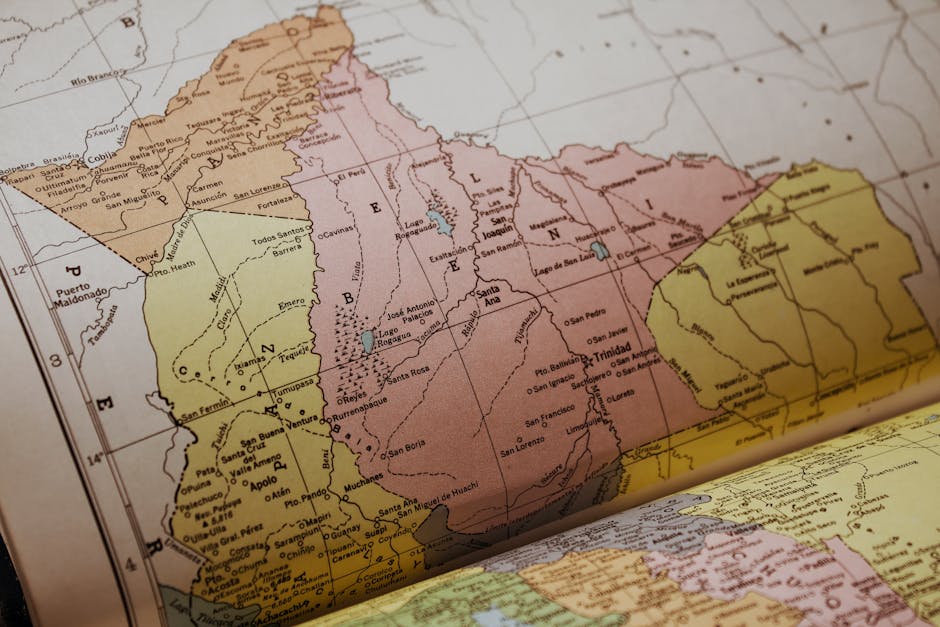
Guanare, Venezuela’s Incredible Faith, Folklore & Llanero Culture (2025)
Ask locals about Guanare, Venezuela, and they’ll tell you about the “Milagro de la Virgen,” a 17th-century apparition that transformed this plains city into the nation’s spiritual capital. Most guidebooks miss this completely, focusing instead on the nearby *llanos*. Yet, every November, over 2.5 million pilgrims descend on the Basílica de Nuestra Señora de Coromoto, a testament to a living faith that defines the city’s rhythm, architecture, and soul far beyond a single event.
Why Guanare, Venezuela Stands Out
Open vintage atlas showing Spain and Portugal with a Venezuelan passport on top, Guanare, Venezuela
- Historic Architecture: The Catedral de Nuestra Señora de Coromoto, consecrated in 1710, is a stunning baroque-colonial fusion and the spiritual heart of Venezuela.
- Cultural Scene: The Feria de la Virgen de Coromoto in November is a vibrant mix of solemn processions, lively *joropo* music, and traditional *coleo* (bull-tailing) competitions.
- Local Specialties: You must try *Carne en Vara*, succulent beef slow-roasted over an open fire, a signature dish of the surrounding cattle-ranching plains.
Pro Tip: For the full cultural immersion without the overwhelming crowds, visit during the shoulder weeks of late October or mid-November, just before or after the main pilgrimage peak on November 11-13. You’ll still feel the festive energy but can actually get a hotel room and a table at a local restaurant.
Map of Guanare, Venezuela
Use these interactive maps to explore Guanare, Venezuela and plan your route:
📍 View Guanare, Venezuela on OpenStreetMap
🗺️ Open Guanare, Venezuela in Google Maps
Planning Your Trip: Practical Essentials
Getting There and Around
- By Air: The closest major airport is Barinas Airport (BNS), about a 90-minute drive away. Flights from Caracas are limited; your best bet is often to fly into Caracas (CCS) and take a bus or drive. Book flights at Skyscanner for best deals.
- By Train: Venezuela’s passenger rail network does not currently serve Guanare. Long-distance buses are the primary overland public transport option.
- By Car: Driving from Caracas takes 5-6 hours via the Autopista Regional del Centro and Route 5. Roads in the *llanos* are generally flat but can be poorly maintained; a 4×4 is recommended for any side trips. Compare car rentals at RentalCars.com.
- Local Transport: *Por puestos* (shared taxis on fixed routes) and regular taxis are the main ways to get around town. A short taxi ride within the city center costs the equivalent of $2-4 USD. There is no formal public bus system within the city.
Best Time to Visit
Guanare has a tropical savanna climate with a distinct dry season (December-April) and wet season (May-November). The dry season offers easier travel and sunny days, while the wet season brings lush green landscapes and the city’s major cultural events.
| Season | Weather | Highlights |
|---|---|---|
| Dry Season (Dec–Apr) | Hot and sunny, 75-95°F (24-35°C), very low chance of rain. | Ideal for exploring the city and nearby *hatos* (ranches); fewer crowds outside of holidays. |
| Wet Season (May–Nov) | Warm and humid, 70-90°F (21-32°C), frequent afternoon showers. | Lush scenery, the major pilgrimage in November; expect higher prices and booked accommodations. |
| Shoulder (Oct & late Nov) | Transitional, 72-88°F (22-31°C), sporadic rain. | Best balance: festive atmosphere, manageable crowds, and vibrant green landscapes. |
Budgeting for Guanare, Venezuela

Signpost showing distances to various waterfalls around the world under a c…, Guanare, Venezuela
| Category | Budget | Mid-range | Luxury |
|---|---|---|---|
| Accommodation | $15-25/night (basic posada) | $40-70/night (comfortable hotel) | $100+/night (best hotel in city) |
| Meals | $5-10 (street food, *arepera*) | $12-20 (restaurant meal with drink) | $30+ (fine dining steakhouse) |
| Transport | $2-5/day (*por puestos*) | $15-30/day (private taxi hires) | $50+/day (private driver) |
| Activities | Free (basilica, plazas) | $10-30 (museum entry, local tour) | $100+ (private *hato* day trip) |
| Daily Total | $25-45 | $70-130 | $200+ |
Note: Due to hyperinflation, prices in Venezuelan Bolívars change rapidly. These are approximate USD equivalents based on parallel market rates. It is essential to bring enough USD cash in small denominations, as credit cards from foreign banks are rarely accepted and ATMs are unreliable.
Top Attractions and Must-See Sights
| Attraction | Description | Hours | Entry Fee |
|---|---|---|---|
| Basílica de Nuestra Señora de Coromoto | The stunning national shrine built on the site of the 1652 Virgin Mary apparition, with a beautiful mosaic dome. | 7:00 AM – 6:00 PM daily | Free (donation appreciated) |
| Museo de la Virgen de Coromoto | Houses the original parchment of the apparition, religious art, and historical artifacts detailing the city’s founding. | 9:00 AM – 4:00 PM, Tue-Sun | ~$1 USD |
| Paseo La Pedrera | A charming riverside walkway along the Guanare River, perfect for an evening stroll and seeing local life. | Open 24 hours | Free |
| Casa de la Cultura “Josefa Camejo” | A cultural center hosting art exhibitions, traditional music performances, and workshops on *llanero* crafts. | 8:00 AM – 5:00 PM, Mon-Fri | Free (fees for specific events) |
3-Day Itinerary: Guanare, Venezuela’s Highlights & Hidden Gems
Day 1: Spiritual Heart & Historic Core
- Morning (7-9 AM): Start at the **Plaza Bolívar**, the city’s main square. Admire the statue of Simón Bolívar and the white-washed **Catedral** (different from the Basilica). Grab a fresh *empanada* from a street vendor for breakfast.
- Afternoon (12-3 PM): Take a taxi to the **Basílica de Nuestra Señora de Coromoto**. Explore the grand interior and the peaceful grounds. For lunch, head to **Arepera El Llanero** on Avenida 23 de Enero for a massive *arepa rellena* stuffed with shredded beef and cheese.
- Evening (6-8 PM): Enjoy a leisurely walk along **Paseo La Pedrera** as the sun sets. For dinner, savor authentic *llanero* cuisine at **Restaurante El Rodeo**, where the *Carne en Vara* is a must-order.
Day 2: Culture, Crafts & Local Flavors
- Morning (9 AM): Visit the **Museo de la Virgen de Coromoto** (~$1 USD) to see the sacred relic and understand the city’s deep history. Then, browse the nearby shops for handmade *llanero* hats and *cuatro* (four-stringed guitars).
- Afternoon (1 PM): Have lunch at **La Fonda de la Abuela**, a local favorite known for its *Pabellón Criollo* (shredded beef, black beans, rice, and plantains). Afterwards, visit the **Casa de la Cultura** to check for any afternoon music or art exhibits.
- Evening (7 PM): If it’s a weekend, ask locals if there’s a *parranda llanera* (folk music gathering) happening. Otherwise, enjoy a relaxed dinner at **Pizzeria Don Vito**—a surprising local institution offering a tasty break from heavy meats.
Day 3: Llanero Countryside Experience
- Morning (8 AM): Arrange a taxi or tour for the 30-minute drive (~$20-30 USD round-trip) to a nearby *hato* (cattle ranch) like **Hato El Frío** (book in advance). Experience the vast plains, spot wildlife like capybaras and birds, and see *llanero* cowboys at work.
- Afternoon (12 PM): Enjoy a traditional ranch lunch at the *hato*, often included in the tour price. Return to Guanare by mid-afternoon.
- Evening (6 PM): For your final meal, indulge in a steak at **Churrasquería El Gaucho**. End your trip with a scoop of *helado de paila* (artisanal ice cream) from a vendor in Plaza Bolívar.
Cultural Insights & Etiquette
- Language: Spanish is essential. Very little English is spoken. Learn key phrases: “Buenos días” (Good morning), “¿Cuánto cuesta?” (How much?), “Gracias” (Thank you).
- Customs: Guanare is a conservative, religious city. Dress modestly when visiting churches. Greetings are important; a handshake or a single cheek kiss is common between men and women.
- Tipping: Not universally expected but appreciated for good service. In restaurants, 10% is generous if a service charge isn’t included. Round up taxi fares.
- Dress Code: Light, breathable cotton is best. Men should avoid shorts in formal settings/churches. Women should carry a shawl to cover shoulders in religious sites.
- Business Hours: Shops typically open 9 AM-12 PM, close for siesta until 2-3 PM, then reopen until 6-7 PM. Government offices keep shorter hours. Many businesses close on Sundays.
Where to Eat: Guanare, Venezuela’s Best Bites
Guanare’s cuisine is the hearty, meat-centric fare of the *llanos*, reflecting its cattle-ranching heritage. Meals are substantial, flavors are bold, and dining is a social affair. You’ll find exceptional local *fondas* (taverns) serving generous plates.
Must-Try Local Specialties
- Carne en Vara: The iconic dish: large cuts of beef seasoned with salt and slow-roasted over an open wood fire. Best tried at a ranch or at **Restaurante El Rodeo**.
- Hallaca: A Christmas staple available year-round in some places; a corn dough packet filled with a stew of meats, olives, and raisins, wrapped in plantain leaves and boiled. Ask at **La Fonda de la Abuela** if they have any.
- Queso de Mano Llanero: A soft, fresh, slightly salty cheese produced daily on local farms. Enjoy it with *arepas* or as a side with every meal.
Restaurant Recommendations by Budget
| Type | Restaurant | Specialty | Price Range |
|---|---|---|---|
| Budget | Arepera El Llanero (Av. 23 de Enero) | Overstuffed *arepas* with every filling imaginable | $3-7 per meal |
| Mid-range | La Fonda de la Abuela (Near Plaza Bolívar) | Authentic, homestyle *Pabellón Criollo* and daily specials | $8-15 per meal |
| Fine dining | Churrasquería El Gaucho (Centro Ciudad) | Premium cuts of steak and an extensive wine list | $20-40+ per meal |
Where to Stay
Most accommodations are centrally located near Plaza Bolívar or along the main avenues. Options range from basic *posadas* to a few comfortable business-class hotels. Luxury, in the international sense, is limited. Compare prices and book at Booking.com or Airbnb for apartments.
Best Neighborhoods for Accommodation
- Centro Ciudad (City Center): The most convenient area, walking distance to Plaza Bolívar, the Cathedral, and many restaurants. Can be noisy. Best for first-time visitors who want to be in the heart of the action.
- Near the Basílica: A quieter, more residential area slightly outside the core. Ideal for pilgrims or those seeking a more peaceful stay, but you’ll need taxis to reach the downtown restaurants.
- Along Avenida 23 de Enero: This main artery has several hotels and is well-connected by *por puestos*. It’s a practical, if not particularly charming, base for exploring.
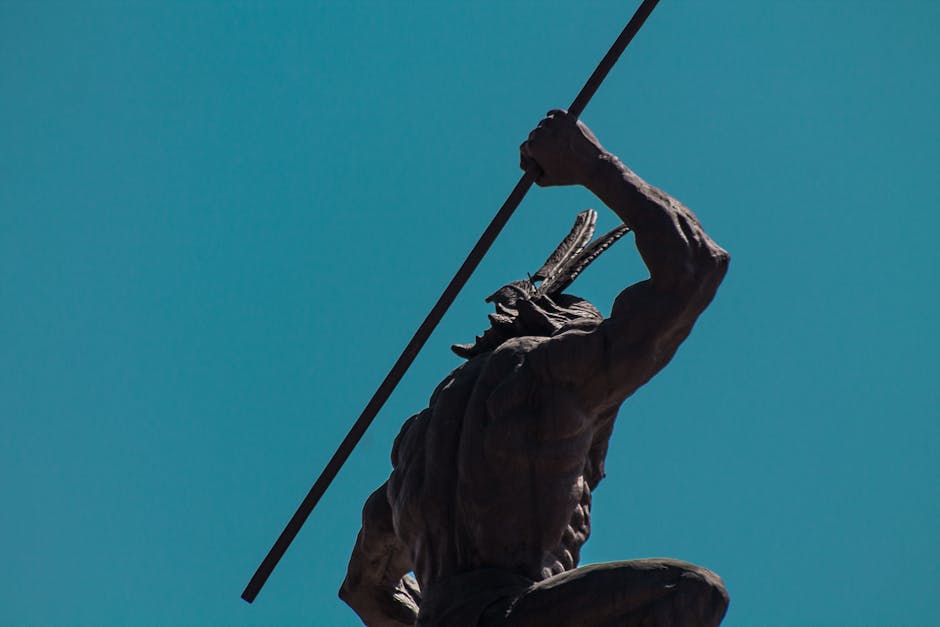
Low angle shot of an indigenous warrior statue with spear under a clear blu…, Guanare, Venezuela
FAQs: Your Guanare, Venezuela Questions Answered
1. Is Guanare, Venezuela safe at night?
Guanare is generally safer than larger Venezuelan cities, but caution is advised. Stick to well-lit main areas like Plaza Bolívar and Paseo La Pedrera in the early evening. Avoid walking alone late at night and always use registered taxis. Petty theft can occur, so don’t flash valuables.
2. What currency is used and are credit cards accepted?
The official currency is the Venezuelan Bolívar (VES), but hyperinflation makes it impractical. The US Dollar is the de facto currency for tourists. Bring plenty of **small denomination USD bills ($1, $5, $10)**. Credit cards from foreign banks are almost never accepted due to currency controls. Cash is king.
3. How do I get from the airport to the city center?
From Barinas Airport (BNS), you’ll need to pre-arrange a private transfer or taxi, as there is no reliable public shuttle. The 90-minute drive costs approximately $40-60 USD. Negotiate the price before getting in the car. Book airport transfers at GetYourGuide for convenience, though local options may be more flexible.
4. Do I need to speak the local language?
Yes, basic Spanish is necessary. Very few people in Guanare speak English, even in hotels and tourist sites. Learning a few key phrases will greatly enhance your experience and is considered a sign of respect. A translation app on your phone (down

