
Greenland’s Ice Sheet’s Incredible Solitude, Scale & Arctic Adventure (2026)
At 3 AM in July, the midnight sun casts a low, golden light across the Greenland Ice Sheet, turning its crevasses into deep blue gashes and making the snow crystals sparkle like a field of diamonds. The only sound is the crunch of your crampons and the distant groan of ancient ice. This is the world’s second-largest ice body, covering 1.7 million square kilometers—a landscape so vast it makes other natural wonders feel like postage stamps.
Why Greenland’s Ice Sheet Stands Out

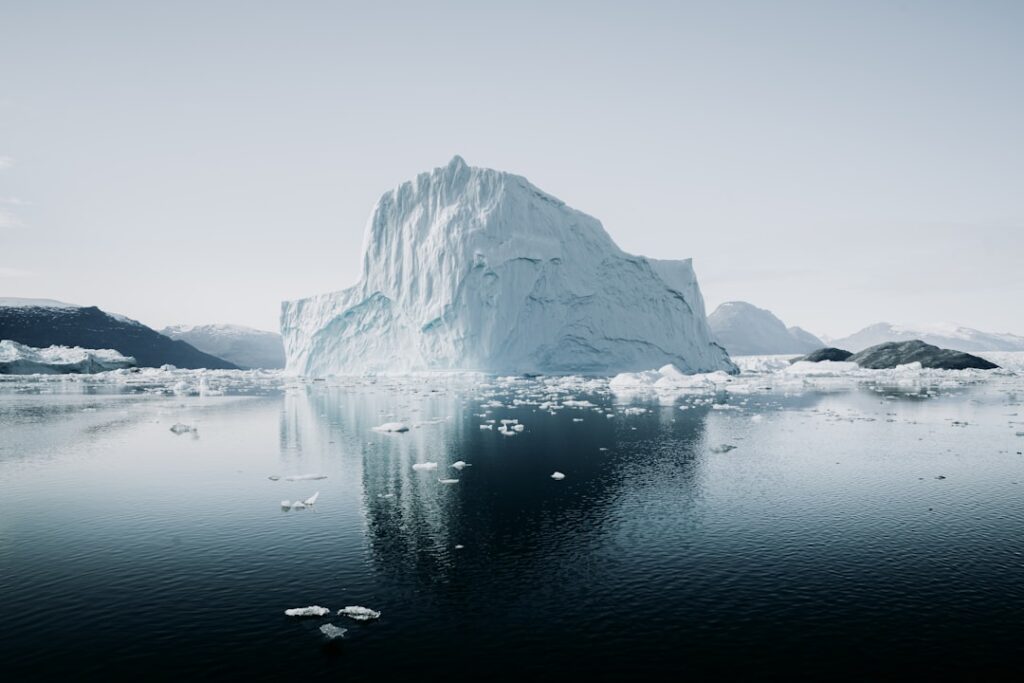
Ice burn under grace cloud surrounded by body of water, Greenland’s Ice Sheet
- Historic Architecture: The Ilulissat Icefjord, a UNESCO site since 2004, features Sermeq Kujalleq, one of the fastest and most active glaciers on Earth, calving icebergs that are millennia old.
- Cultural Scene: The Arctic Circle Race, a three-day, 160km cross-country skiing event held each March, is a testament to Greenlandic endurance and community spirit.
- Local Specialties: After a day on the ice, savor a warming bowl of *suaasat*, a traditional Greenlandic soup made with seal, whale, or reindeer meat, barley, and onions.
Pro Tip: For the best combination of accessibility, weather, and ice activity, target the window from late June to early August. This is peak season for boat tours to the icefjords and helicopter flights, but booking excursions at least 4-6 months in advance is non-negotiable.
Map of Greenland’s Ice Sheet
Use these interactive maps to explore Greenland’s Ice Sheet and plan your route:
📍 View Greenland’s Ice Sheet on OpenStreetMap
🗺️ Open Greenland’s Ice Sheet in Google Maps
Planning Your Trip: Practical Essentials
Getting There and Around
- By Air: There are no direct flights onto the ice sheet itself. You must fly into a gateway town like Kangerlussuaq (SFJ) or Ilulissat (JAV) from Copenhagen with Air Greenland or from Reykjavik with Air Iceland Connect. Book flights at Skyscanner for best deals.
- By Train: No train networks exist in Greenland. All long-distance travel is by air or seasonal coastal ferries operated by Arctic Umiaq Line.
- By Car: There are no roads connecting towns to the ice sheet. Access is strictly via organized tour using specialized vehicles from points like Kangerlussuaq. Compare car rentals for town exploration at RentalCars.com.
- Local Transport: In towns, walking or local taxis are your main options. For ice sheet access, you must book a guided 4×4, snowmobile, or dog sledding tour—there is no public transport.
Best Time to Visit
Your experience is dictated entirely by the season, from the 24-hour daylight of summer for hiking and boating to the profound darkness of winter for northern lights and dog sledding.
| Season | Weather | Highlights |
|---|---|---|
| Summer (Jun–Aug) | 32°F to 50°F (0°C to 10°C). Milder, but windy and changeable. Midnight sun. | Iceberg boat tours, hiking on the periphery, helicopter landings. Peak tourist season. |
| Winter (Dec–Feb) | -4°F to 14°F (-20°C to -10°C). Extreme cold, polar night in the north. | Dog sledding on the ice sheet fringe, northern lights, profound solitude. Very few tourists. |
| Shoulder (Apr–May/Sep–Oct) | 14°F to 32°F (-10°C to 0°C). Unpredictable, shorter days. | Spring offers dog sledding & longer days; fall has aurora potential. Limited tour operations. |
Budgeting for Greenland’s Ice Sheet

Photo of iceberg, Greenland’s Ice Sheet
| Category | Budget | Mid-range | Luxury |
|---|---|---|---|
| Accommodation | $100-150/night (hostel/basic guesthouse) | $200-350/night (comfortable hotel) | $500+/night (luxury lodge) |
| Meals | $40-60/day (cafeteria/groceries) | $80-120/day (restaurant meals) | $200+/day (fine dining) |
| Transport | $0 (walking in town) | $50-100/day (taxis/tour transfers) | $500+/day (private helicopter) |
| Activities | $0 (self-guided hikes) | $150-300/tour (boat/4×4 tour) | $1000+/person (helicopter ice landing) |
| Daily Total | $140-210 | $480-870 | $2200+ |
Top Attractions and Must-See Sights
| Attraction | Description | Hours | Entry Fee |
|---|---|---|---|
| Ilulissat Icefjord Boat Tour | Sail among colossal icebergs calved from Sermeq Kujalleq glacier in this breathtaking UNESCO World Heritage site. | Tours at 9AM, 2PM, 8PM (summer) | $120-$180 |
| Point 660 Ice Sheet Visit (Kangerlussuaq) | The most accessible drive-on point to the ice sheet itself, offering a walk on the millennia-old ice. | Tour departs 9AM, returns 5PM | $200-$250 |
| Helicopter Flight & Ice Landing | For the ultimate perspective, a flight over the endless white expanse with a landing on the ice sheet itself. | Flights weather-dependent, book ahead | $500-$1000+ |
| Russell Glacier | A massive, dramatic glacier front accessible via a rough road from Kangerlussuaq, perfect for hiking and photography. | Accessible 24/7 in summer via tour | ~$150 (tour required) |
3-Day Itinerary: Greenland’s Ice Sheet’s Highlights & Hidden Gems
Day 1: Gateway to the Ice in Kangerlussuaq
- Morning (7-9 AM): Early flight arrival into Kangerlussuaq. After settling at the Old Camp hostel or Hotel Kangerlussuaq, join the 9 AM Point 660 & Ice Sheet Tour ($220). Your best bet is to book this with World of Greenland or Albatros Arctic Circle.
- Afternoon (12-3 PM): Enjoy a packed lunch on the ice sheet itself. The tour continues to the Russell Glacier viewpoint for staggering photos. Return to town by 5 PM.
- Evening (6-8 PM): Dinner at your hotel’s restaurant—try the muskox burger. Afterwards, take a short walk to the edge of town for a stunning, silent Arctic sunset (or midnight sun glow).
Day 2: The Icefjord Spectacle of Ilulissat
- Morning (Early Flight): Take the morning Air Greenland flight from Kangerlussuaq to Ilulissat (approx. $300 one-way). Drop bags at Hotel Arctic or Ilulissat Guesthouse.
- Afternoon (12-3 PM): Hike the Blue Route to Holms Bakke for free, panoramic views of the icefjord. For lunch, grab a seafood soup at Café Ilulissat in the harbor.
- Evening (6-8 PM): Book the 8 PM Midnight Sun Boat Tour with Ilulissat Boat Tours ($150). The low light makes the icebergs glow. Warm up afterwards with coffee at the Icefjord Centre.
Day 3: Culture and Departure
- Morning (7-9 AM): Visit the Ilulissat Museum at the birthplace of explorer Knud Rasmussen (50 DKK entry). It provides crucial context on Greenlandic life in this harsh environment.
- Afternoon (12-3 PM): Final lunch at Restaurant Ulo for a modern take on *suaasat*. Then, take a taxi to the heliport for a breathtaking 25-minute helicopter tour over the icefjord ($450) if budget allows.
- Evening (6-8 PM): Transfer to the airport for your departing flight. Savvy visitors know to book a window seat for a final, aerial farewell to the immense white landscape.
Cultural Insights & Etiquette
- Language: Greenlandic (Kalaallisut) is the official language. Danish is widely spoken, and English is common in tourism. Learn “*Qujanaq*” (Thank you) and “*Aluu*” (Hello).
- Customs: Hunting is a vital part of subsistence culture. Be respectful when traditional foods like seal or whale are served. It’s polite to try a small amount if offered.
- Tipping: Not expected but appreciated for good service, especially on guided tours. Rounding up the bill or leaving 5-10% is a generous gesture.
- Dress Code: Practical, warm layers are essential, not a fashion statement. Waterproof boots, windproof jackets, and thermal base layers are mandatory for any ice sheet excursion.
- Business Hours: Shops generally open 10 AM-5 PM, closed Sundays. Tour operators keep longer hours in summer. Schedules are fluid and weather-dependent.
Where to Eat: Greenland’s Ice Sheet’s Best Bites
Dining here is defined by fresh, local ingredients from the sea and ice. Don’t expect a vast culinary scene, but do expect incredibly fresh seafood and unique Arctic meats.
Must-Try Local Specialties
- Suaasat: The national dish, a hearty meat soup. For an authentic version, try the daily special at local guesthouses or Hotel Kangerlussuaq.
- Mattak (Whale Skin & Blubber): A traditional Inuit delicacy, often served raw. It’s an acquired taste with a nutty flavor. Offered at community events or by special request.
- Arctic Char: A delicious cold-water fish, often smoked or pan-fried. You’ll find it on almost every menu; Restaurant Mamartut in Sisimiut is renowned for it.
Restaurant Recommendations by Budget
| Type | Restaurant | Specialty | Price Range |
|---|---|---|---|
| Budget | Roklubben (Kangerlussuaq) | Simple, hearty burgers and sandwiches in a quirky clubhouse setting. | $15-$25 |
| Mid-range | Restaurant Ulo (Ilulissat) | Elegant Arctic cuisine with stunning icefjord views. Their tasting menu is a journey. | $50-$80 |
| Fine dining | Hotel Arctic’s Restaurant (Ilulissat) | Exquisite multi-course meals featuring Greenlandic ingredients like muskox and scallops. | $100+ per person |
Where to Stay
Accommodation is functional and often connected to flight logistics. Book extremely early, especially for summer. Compare prices and book at Booking.com or Airbnb for apartments.
Best Neighborhoods for Accommodation
- Kangerlussuaq: The tiny settlement around the airport. It’s purely functional as the main air hub and access point for the inland ice. You stay here for logistics, not charm.
- Ilulissat Town Center: Walking distance to shops, restaurants, and the harbor for boat tours. Lively and convenient, but can be busy in summer. Ideal for first-time visitors.
- Ilulissat Icefjord Area: Properties like Hotel Arctic, located a 15-minute walk from town. Offers breathtaking, direct views of the icebergs and greater tranquility.

White glacier, Greenland’s Ice Sheet
FAQs: Your Greenland’s Ice Sheet Questions Answered
1. Is it safe to visit the Greenland Ice Sheet?
Yes, but only with a qualified guide. The ice sheet is a dynamic, hazardous environment with hidden crevasses, extreme weather, and no landmarks. Independent travel is strongly discouraged and often prohibited by tour providers. Safety is entirely dependent on using reputable, licensed operators.
2. What currency is used and are credit cards accepted?
The Danish Krone (DKK) is the official currency. Credit cards (Visa/Mastercard) are widely accepted in hotels, restaurants, and for tours in major towns like Ilulissat and Kangerlussuaq. However, it’s wise to carry some cash for smaller purchases, tips, or in case of technical issues.
3. How do I get from the airport to the town/hotel?
In both Kangerlussuaq and Ilulissat, the airport is very close to the main settlement. In Kangerlussuaq, it’s a 5-minute walk to most accommodations. In Ilulissat, hotels often provide a shuttle, or a taxi costs about $10-$15 for the short ride. Pre-booked tours usually include transfers. Book airport transfers at GetYourGuide for convenience.
4. Do I need to speak Danish or Greenlandic?
No. English is widely spoken within the tourism industry—by guides, hotel staff, and in restaurants. Learning a few basic Greenlandic greetings is a respectful gesture that locals always appreciate.
5. What should I pack for an ice sheet visit?
Regardless of season, pack for cold, wind, and wet conditions. Essentials include: waterproof hiking boots with ankle support, thermal base layers, a fleece mid-layer, a windproof and waterproof outer shell (Gore-Tex ideal), warm hat, gloves, sunglasses, and high-SPF sunscreen (the sun reflects intensely off the ice).
Final Thoughts: Greenland’s Ice Sheet Awaits
Greenland’s Ice Sheet is not a destination you simply check off a list; it’s a profound encounter with the raw power and scale of our planet. You’ll discover a silence so deep it echoes, a landscape that recalibrates your sense of place, and a culture intimately tied to this frozen expanse. While the logistics require planning and the costs are significant, the reward is an experience of pure, unadulterated wilderness that few places on Earth can still offer. Your best bet is to embrace the slow pace, respect the environment, and let the ice teach you its ancient, slow-moving lessons. Don’t leave without taking a moment, whether on the ice or watching a calving glacier, to simply listen—

