
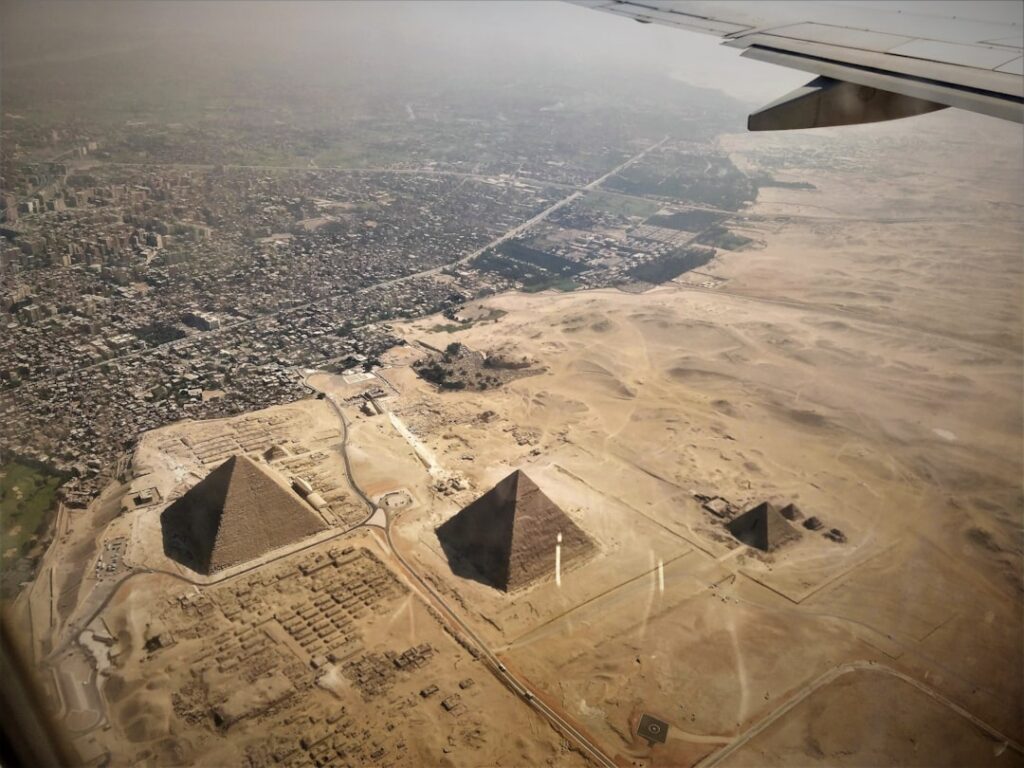
Great Pyramid of Giza, Egypt: Stunning Ancient Wonders, Desert Sunsets & Timeless Mysteries (2026)
Sunrise at the Giza Plateau reveals a truth no photograph can capture: the sheer, silent scale of the Great Pyramid. As the first golden light hits 2.3 million limestone blocks, each weighing an average of 2.5 tons, the desert air is cool and filled with the scent of dust and history. This isn’t just a monument; it’s a 4,500-year-old engineering marvel that held the title of the world’s tallest man-made structure for over 3,800 years. Your first glimpse will recalibrate your sense of human achievement.
Why Great Pyramid of Giza, Egypt Stands Out

Brown concrete statue under blue sky during daytime, Great Pyramid of Giza, Egypt
- Historic Architecture: The Great Pyramid of Khufu, built circa 2560 BCE, is the sole surviving wonder of the Ancient World, a testament to Fourth Dynasty precision that aligned almost perfectly with true north.
- Cultural Scene: The nightly Sound and Light Show transforms the pyramids into a cinematic canvas, narrating pharaonic legends with the Sphinx as a narrator under a blanket of stars.
- Local Specialties: After exploring, refresh with a glass of freshly squeezed sugarcane juice from a roadside cart—a sweet, energizing local staple you’ll find near the site entrance.
Pro Tip: The site opens at 8 AM. Savvy visitors know to arrive at 7:30 AM to be first in line. Head directly to the Great Pyramid to enter the interior chambers before the tour buses arrive at 9:30 AM, then work your way back to the Sphinx for better morning photo angles with fewer people.
Map of Great Pyramid of Giza, Egypt
Use these interactive maps to explore Great Pyramid of Giza, Egypt and plan your route:
📍 View Great Pyramid of Giza, Egypt on OpenStreetMap
🗺️ Open Great Pyramid of Giza, Egypt in Google Maps
Planning Your Trip: Practical Essentials
Getting There and Around
- By Air: Fly into Cairo International Airport (CAI), served by major airlines like EgyptAir, Emirates, and Lufthansa. A pre-booked private transfer to Giza takes 45-60 minutes and costs around $20-$30. Book flights at Skyscanner for best deals.
- By Train: Not applicable for direct pyramid access. The national rail network connects Cairo to other Egyptian cities. For domestic train travel, reserve tickets at Trainline or the national railway website.
- By Car: Driving from central Cairo via the 26th of July Corridor takes about 45 minutes. Parking is available at the main site entrance. Renting a car with a driver is highly recommended for ease. Compare car rentals at RentalCars.com.
- Local Transport: The most flexible option is hiring a taxi for 3-4 hours (approx. 300-400 EGP). Public minibuses run from Cairo to Giza but stop a distance from the entrance. Ride-hailing apps like Uber and Careem are reliable and cost-effective for direct trips.
Best Time to Visit
Timing is everything for comfort. The desert climate means scorching summers and pleasantly cool winters. The sweet spot is during the shoulder seasons when days are warm and crowds are manageable.
| Season | Weather | Highlights |
|---|---|---|
| Summer (Jun–Aug) | Extremely hot (95-104°F / 35-40°C), intense sun, dry. | Fewest crowds, very early morning visits are essential, heat can be overwhelming. |
| Winter (Dec–Feb) | Mild days (65-70°F / 18-21°C), cool nights, perfect for exploring. | Most pleasant weather, but also peak tourist season with largest crowds. |
| Shoulder (Mar–May/Oct–Nov) | Warm days (75-85°F / 24-29°C), comfortable evenings. | Ideal balance of good weather and moderate visitor numbers, best for photography. |
Budgeting for Great Pyramid of Giza, Egypt

A large stone sculpture with Great Sphinx of Giza in the background, Great Pyramid of Giza, Egypt
| Category | Budget | Mid-range | Luxury |
|---|---|---|---|
| Accommodation | Hostel in Cairo: $10-$20/night | 3-star Giza hotel: $40-$70/night | 5-star pyramid-view hotel: $200+/night |
| Meals | Koshari & street food: $3-$7/day | Local restaurants: $15-$25/day | Hotel fine dining: $50+/day |
| Transport | Public bus & metro: $2-$4/day | Uber/Taxi day trip: $20-$30 | Private driver & guide: $80+/day |
| Activities | Pyramid Plateau entry: 240 EGP (~$8) | Entry + Great Pyramid interior: 440 EGP (~$14) | Private guided tour with camel ride: $100+ |
| Daily Total | $25-$40 | $80-$130 | $300+ |
Top Attractions and Must-See Sights
| Attraction | Description | Hours | Entry Fee |
|---|---|---|---|
| Great Pyramid of Khufu | Enter the ancient Grand Gallery and King’s Chamber in the oldest and largest pyramid. | 8 AM – 4 PM (Interior closes earlier) | Plateau: 240 EGP; Interior: +200 EGP |
| The Sphinx | Marvel at the legendary limestone guardian with the body of a lion and the face of Pharaoh Khafre. | 8 AM – 5 PM | Included in Plateau ticket |
| Solar Boat Museum | See the miraculously preserved cedarwood boat, buried for Khufu’s journey in the afterlife. | 9 AM – 4 PM | 100 EGP |
| Camel Ride at Sunset | Take a short ride into the desert for the iconic panoramic view of all three pyramids aligned. | Late afternoon | Negotiable (~200-300 EGP for 30 min) |
3-Day Itinerary: Great Pyramid of Giza, Egypt’s Highlights & Hidden Gems
Day 1: The Giza Plateau Immersion
- Morning (7:30 AM): Arrive at the Giza Plateau entrance. Your first mission is the **Great Pyramid interior** (440 EGP total). The climb is steep and narrow, but standing in the granite King’s Chamber is unforgettable.
- Afternoon (12:30 PM): Visit the **Solar Boat Museum**, then walk to the **Sphinx** for photos. For lunch, head to **Andrea Restaurant** in nearby Giza for their famous grilled chicken and mezze on a leafy terrace.
- Evening (6:30 PM): Return to the plateau for a pre-booked **camel ride** at sunset. Afterwards, enjoy dinner at **Felfela Village**, a bustling spot known for authentic foul and taameya (Egyptian falafel).
Day 2: Saqqara & Memphis – The Older Cousins
- Morning (8 AM): Hire a driver for the 45-minute trip south to **Saqqara** (180 EGP entry). Explore the **Step Pyramid of Djoser**, the world’s oldest major stone building (c. 2650 BCE). Don’t miss the vivid reliefs in the **Mastaba of Ti**.
- Afternoon (1 PM): Continue to the open-air museum at **Memphis** (80 EGP), ancient Egypt’s first capital. The star is the colossal limestone statue of Ramses II. Lunch at a local koshari shop in the town.
- Evening (7 PM): Return to Cairo. Experience the **Khan El Khalili** bazaar at night. Have dinner at **Naguib Mahfouz Café**, named for the Nobel laureate, for a refined take on traditional dishes in a historic setting.
Day 3: Cairo’s Context & Farewell Views
- Morning (9 AM): Visit the **Grand Egyptian Museum (GEM)** in Giza (when fully open) or the **Egyptian Museum in Tahrir** (200 EGP) to see the golden treasures of Tutankhamun, which provide crucial context for the pyramids.
- Afternoon (1 PM): Lunch at **Abou El Sid** in Zamalek for classic Egyptian cuisine in a nostalgically decorated home. Then, take a **felucca ride** on the Nile for a peaceful perspective.
- Evening (5 PM): For your final pyramid view, have a drink on the terrace of the **Marriott Mena House** hotel. It’s a splurge but offers a stunning, unobstructed view of the Great Pyramid as it’s lit against the night sky—a perfect farewell.
Cultural Insights & Etiquette
- Language: Arabic is official. Key phrases: “Shukran” (Thank you), “Salaam Alaikum” (Hello, peace be upon you). English is widely understood at tourist sites.
- Customs: Haggling is expected in markets, but not in fixed-price shops. Always negotiate with a smile. It’s polite to remove your shoes before entering a carpeted shop or a local’s home.
- Tipping: “Baksheesh” (tipping) is ingrained. Tip 10-15% in restaurants. Have small bills (5-20 EGP) for restroom attendants, anyone who takes your photo, or offers minor assistance.
- Dress Code: Dress modestly out of respect. For the pyramids, wear loose, breathable clothing that covers shoulders and knees. A hat and sunglasses are non-negotiable.
- Business Hours: Many sites close for Friday prayers (12 PM – 1 PM). Government sites/museums typically operate 9 AM – 4 PM. Bazaars stay open late.
Where to Eat: Great Pyramid of Giza, Egypt’s Best Bites
Egyptian cuisine is a hearty fusion of Mediterranean and Middle Eastern flavors. You’ll eat well for little, with an emphasis on legumes, grilled meats, fresh herbs, and aromatic spices.
Must-Try Local Specialties
- Koshari: Egypt’s national comfort food—a carb-lover’s dream of lentils, rice, pasta, chickpeas, crispy onions, and tomato sauce. **Koshari Abou Tarek** in Cairo is the legendary temple to this dish.
- Molokhia: A savory green soup made from jute leaves, often served with rabbit or chicken over rice. Find it in traditional restaurants like **Felfela**.
- Umm Ali: A divine bread pudding with nuts and raisins, served warm. The version at the **Mena House Hotel** is famously decadent.
Restaurant Recommendations by Budget
| Type | Restaurant | Specialty | Price Range |
|---|---|---|---|
| Budget | Koshari El Tahrir (Downtown Cairo) | Fast, delicious koshari in a no-frills setting | $2-$4 per person |
| Mid-range | Andrea (Giza, near pyramids) | Fresh grilled meats, mezze, and garden seating | $10-$20 per person |
| Fine dining | Mena House Hotel’s 139 Pavilion (Giza) | International & Egyptian cuisine with a direct, majestic pyramid view | $50+ per person |
Where to Stay
Your choice is between the convenience of central Cairo with its vibrancy, or the awe-inspiring proximity of Giza, where you can wake up to a pyramid view. Compare prices and book at Booking.com or Airbnb for apartments.
Best Neighborhoods for Accommodation
- Giza (Pyramids Area): Offers the unparalleled experience of staying within walking distance or with a direct view of the monuments. Best for first-time visitors seeking iconic moments. Can feel touristy with fewer local dining options at night.
- Zamalek (Cairo): A leafy, upscale island neighborhood on the Nile. Packed with embassies, cafes, and art galleries. Offers a tranquil, cosmopolitan retreat after a day of sightseeing, with easy access to downtown.
- Downtown Cairo: The bustling, historic heart of the city with grand 19th-century architecture. Perfect for travelers who want to feel the city’s pulse and be close to the Egyptian Museum and Khan El Khalili. Noisier and more chaotic.

Pyramid, Great Pyramid of Giza, Egypt
FAQs: Your Great Pyramid of Giza, Egypt Questions Answered
1. Is Great Pyramid of Giza, Egypt safe at night?
The Giza Plateau itself is closed after dark. The surrounding neighborhoods are generally safe, but it’s wise to take standard precautions. Use registered taxis or ride-hailing apps at night, avoid poorly lit side streets, and be aware of your surroundings. Most travelers feel perfectly safe on organized evening activities like the Sound and Light Show.
2. What currency is used and are credit cards accepted?
The Egyptian Pound (EGP) is the local currency. While major hotels, upscale restaurants, and ticket offices at the pyramids accept credit cards (Visa/Mastercard), cash is king everywhere else. ATMs are widely available. Always carry a supply of small bills for tips, taxis, and small purchases.
3. How do I get from the airport to the Giza pyramids?
The most stress-free option is a pre-booked private transfer (approx. $25-$35), taking 45-60 minutes. You can also take an official airport taxi (agree on the meter or a fixed price first, ~250 EGP). Uber and Careem operate at the airport and are reliable. Book airport transfers at GetYourGuide for convenience.
4. Do I need to speak the local language?
Not at all. At all major tourist sites, vendors, and hotels, you will find English speakers. Learning a few basic Arabic phrases (hello, thank you, how much) is greatly appreciated and can enhance your interactions. Guides will, of course, speak excellent English.
5. What’s the appropriate dress code for visiting the pyramids?
Comfort and modesty are key. Wear loose, lightweight, breathable clothing that covers your shoulders and knees—long skirts or pants and t-shirts are perfect. Sturdy, closed-toe walking shoes are essential for climbing on uneven stone and sand. A wide-brimmed hat, sunglasses, and a scarf (to cover your head from the sun or dust) are highly

