
Great Bear Rainforest, Canada: Ultimate Spirit Bears, Ancient Forests & Coastal Wilderness (2025)
What if you could walk through a forest where one in ten black bears wears a coat of creamy white? Great Bear Rainforest, Canada proves this isn’t fantasy but scientific reality, home to the rare Kermode bear that First Nations call the Spirit Bear. Spanning 6.4 million hectares of British Columbia’s remote central coast—an area larger than Switzerland—this temperate rainforest contains trees older than the Roman Empire and fjords deeper than skyscrapers are tall. While 4 million tourists flock to Banff annually, fewer than 2,000 visitors experience Great Bear’s pristine wilderness each year, making it Canada’s ultimate wildlife sanctuary where coastal wolves still outnumber humans.
Why Great Bear Rainforest, Canada Stands Out

Blue lake beside green trees during daytime, Great Bear Rainforest, Canada
- Historic Architecture: The 1914 Butedale Cannery, a hauntingly beautiful ghost town clinging to a waterfall, showcases British Columbia’s early 20th-century fishing industry heritage.
- Cultural Scene: The annual Klemtu Spirit Bear Festival each August celebrates First Nations culture with traditional dances, cedar weaving demonstrations, and storytelling sessions.
- Local Specialties: Wild salmon prepared using ancient First Nations techniques—hot-smoked over alder wood and served with seaweed—offers a taste impossible to replicate elsewhere.
Pro Tip: Visit during the last two weeks of September when salmon runs peak and bear activity intensifies, but before the heavy October rains begin. Charter flights from Vancouver fill quickly during this window, so book six months ahead through operators like Pacific Coastal Airlines.
Map of Great Bear Rainforest, Canada
Use these interactive maps to explore Great Bear Rainforest, Canada and plan your route:
📍 View Great Bear Rainforest, Canada on OpenStreetMap
🗺️ Open Great Bear Rainforest, Canada in Google Maps
Planning Your Trip: Practical Essentials
Getting There and Around
- By Air: Pacific Coastal Airlines offers daily flights from Vancouver South Terminal to Bella Bella (ZEL), the main gateway. From there, you’ll need pre-arranged boat transfers to lodges. Book flights at Skyscanner for best deals.
- By Train: No direct rail service reaches the rainforest, but VIA Rail’s “The Canadian” stops in Jasper, from where you can connect via bus and ferry. Reserve tickets at Trainline or the national railway website.
- By Car: Drive Highway 16 to Prince Rupert, then take BC Ferries to Haida Gwaii for northern access points. Roads don’t penetrate the core rainforest. Compare car rentals at RentalCars.com.
- Local Transport: Water taxis and guided boats are your primary transportation; expect to pay $150-300 per day for charter services arranged through your lodge.
Best Time to Visit
The rainforest offers dramatically different experiences across seasons, with wildlife viewing peaks dictating optimal travel times. Summer provides the most reliable weather for kayaking, while autumn delivers unparalleled bear viewing opportunities.
| Season | Weather | Highlights |
|---|---|---|
| Summer (Jun–Aug) | 10-18°C, frequent rain, occasional sun | Humpback whale feeding, kayaking calm waters, long daylight hours with moderate crowds |
| Winter (Dec–Feb) | -2 to 6°C, heavy rainfall, snow at higher elevations | Storm watching, solitude, cultural immersion with First Nations communities (limited access) |
| Shoulder (Apr–May/Sep–Oct) | 5-12°C, variable conditions | Spring bear emergence, autumn salmon runs, significantly fewer visitors, lower rates |
Budgeting for Great Bear Rainforest, Canada

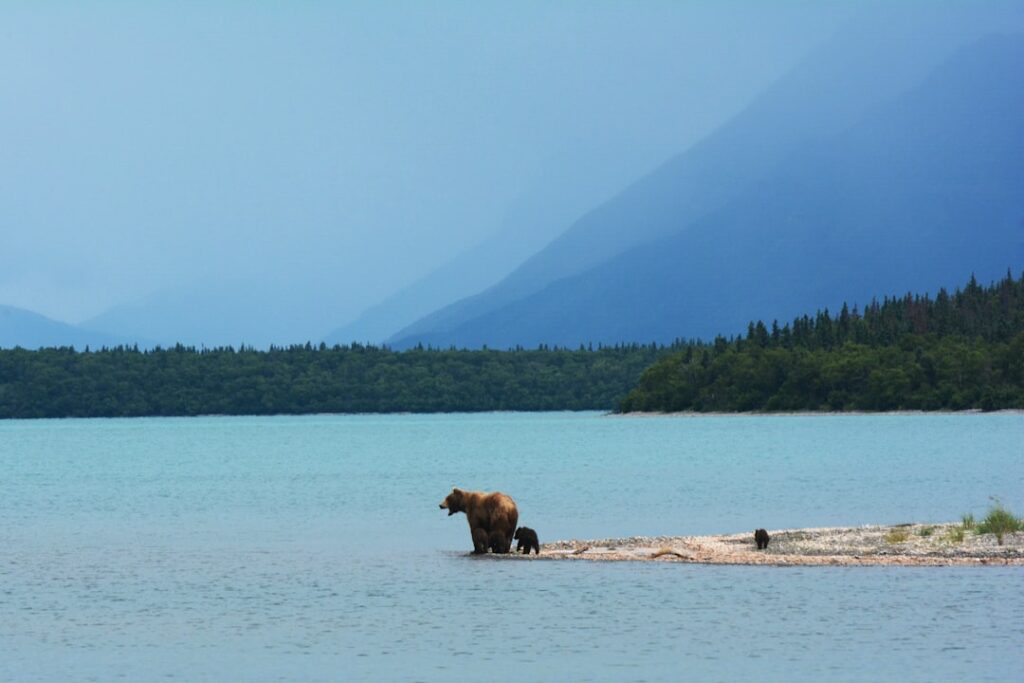
Brown bear on green grass during daytime, Great Bear Rainforest, Canada
| Category | Budget | Mid-range | Luxury |
|---|---|---|---|
| Accommodation | $150-250/night (basic lodge) | $350-600/night (full-service lodge) | $800-1,200/night (all-inclusive eco-resort) |
| Meals | $40-60/day (lodge dining) | $75-100/day (guided meals included) | $150+/day (gourmet wilderness cuisine) |
| Transport | $200 round-trip flights + $150/day boat | $300 flights + $250/day guided boat | $500+ float plane transfers included |
| Activities | $50-100/day (self-guided) | $150-300/day (guided tours) | $400+/day (private guides, photography) |
| Daily Total | $440-660/day | $875-1,200/day | $1,850+/day |
Top Attractions and Must-See Sights
| Attraction | Description | Hours | Entry Fee |
|---|---|---|---|
| Spirit Bear Lodge Viewing | Guided tours to see the legendary white Kermode bears fishing in pristine rivers | Dawn to dusk, seasonal | $450-650/day (includes guide/meals) |
| Fiordland Conservancy Kayaking | Paddle among 2,000-foot granite walls in fjords where waterfalls cascade directly into the ocean | Daylight hours, tide dependent | $225 half-day rental, $395 guided |
| Kitasoo/Xai’xais Cultural Tour | First Nations guides share ancient stories and traditional ecological knowledge | 9 AM-4 PM by appointment | $150 per person (3-hour tour) |
| Ocean Light II Wildlife Cruises | Multi-day sailing to remote inlets for whale, dolphin, and sea otter encounters | Seasonal departures | $2,800-4,200 (3-5 day trips) |
3-Day Itinerary: Great Bear Rainforest, Canada’s Highlights & Hidden Gems
Day 1: Coastal Giants & First Nations Heritage
- Morning: 7 AM water taxi from Bella Bella to Princess Royal Island ($185 round trip) for low-tide beachcombing among 800-year-old cedar trees. Your guide will point out culturally modified trees marked by First Nations ancestors.
- Afternoon: 12 PM Kitasoo Heritage Tour in Klemtu village ($95) followed by lunch at Spirit Bear Lodge dining room featuring local spot prawns and herring roe on kelp.
- Evening: 6 PM sunset kayak through Laredo Sound’s protected waters ($75 rental) followed by dinner at the lodge’s renowned seafood buffet featuring five salmon preparations.
Day 2: Spirit Bears & Salmon Rivers
- Morning: 5:30 AM guided bear viewing at Gribbell Island ($525 including lunch) – arrive at viewing platforms before dawn when Spirit Bears are most active fishing for chum salmon.
- Afternoon: 1 PM visit to Butedale Falls and abandoned cannery, where you can still see the original 1914 machinery being reclaimed by the forest.
- Evening: 7 PM cultural presentation by Kitasoo elders at the Big House featuring traditional songs and the story of T’xemsim, the Transformer who created the Spirit Bear.
Day 3: Marine Mammals & Ancient Forests
- Morning: 8 AM charter boat to Whale Channel ($385 per person) where over 200 humpbacks feed during summer months, often bubble-net feeding just yards from your boat.
- Afternoon: 1 PM guided hike through the Roderick Haig-Brown Conservancy’s old-growth stands containing western red cedars measuring 16 feet in diameter.
- Evening: 6 PM farewell dinner featuring traditional pit-cooked salmon, followed by stargazing from floating docks with virtually zero light pollution.
Cultural Insights & Etiquette
- Language: English is widely spoken, but learning a few phrases in Sm’algyax (Coastal Tsimshian) like “mahsı” (thank you) shows respect for First Nations hosts.
- Customs: Always ask permission before photographing First Nations cultural sites or artwork; many locations have spiritual significance not immediately apparent to visitors.
- Tipping: Tip guides 15-20% of tour cost, as they provide both wildlife expertise and crucial safety guidance in this remote environment.
- Dress Code: Practical rain gear takes precedence over fashion; experienced travelers swear by waterproof layers rather than umbrellas that snag on dense vegetation.
- Business Hours: Remote communities operate on “coastal time” – be flexible as weather and tides often dictate schedules more than clocks.
Where to Eat: Great Bear Rainforest, Canada’s Best Bites
Dining here means embracing hyper-local ingredients, with most meals featuring seafood harvested that morning and foraged foods gathered from the rainforest floor. Don’t expect urban restaurant scenes—meals are typically enjoyed at wilderness lodges or community gatherings.
Must-Try Local Specialties
- Oolichan Grease: This nutrient-rich fish oil has been a staple for coastal First Nations for millennia; try it drizzled over steamed vegetables or fish at Spirit Bear Lodge.
- Hemlock Tip Tea: Foraged from the bright green tips of western hemlock trees in spring, this citrusy herbal tea is served at most lodges and has high vitamin C content.
- Sea Asparagus: This salty succulent grows along shorelines and appears in salads and as garnishes; King Pacific Lodge’s chefs pickle it beautifully.
Restaurant Recommendations by Budget
| Type | Restaurant | Specialty | Price Range |
|---|---|---|---|
| Budget | Bella Bella Community Hall Friday Fish Fry | Fresh-caught halibut and chips with homemade tartar sauce | $18-25 per plate |
| Mid-range | Spirit Bear Lodge Dining Room, Klemtu | Five-course seafood tasting menus featuring traditional preparations | $65-95 per person |
| Fine dining | King Pacific Lodge, Princess Royal Island | Wilderness gourmet with foraged ingredients and wine pairings | $150+ per person |
Where to Stay
Accommodation ranges from basic fishing lodges to ultra-luxury eco-resorts, all emphasizing connection to the natural environment. Most operate on all-inclusive packages since independent dining options are nonexistent in the wilderness. Compare prices and book at Booking.com or Airbnb for apartments in gateway towns.
Best Neighborhoods for Accommodation
- Bella Bella: The main access point with basic motels and convenient ferry connections, ideal for budget travelers but requires daily boat trips into the rainforest.
- Klemtu: Home to Spirit Bear Lodge and direct access to prime Spirit Bear habitat, perfect for wildlife photographers and cultural immersion seekers.
- Princess Royal Island: Ultra-remote luxury lodges like King Pacific offer helicopter access and exclusive guiding, suited for travelers seeking complete wilderness immersion.

Green and brown island in the middle of the sea, Great Bear Rainforest, Canada
FAQs: Your Great Bear Rainforest, Canada Questions Answered
1. Is Great Bear Rainforest, Canada safe at night?
Wildlife safety requires vigilance—always travel with guides after dark as coastal wolves, bears, and cougars are active. Lodges provide secure accommodations, but wandering unguided at night is strongly discouraged. Your guides will provide comprehensive safety briefings upon arrival.
2. What currency is used and are credit cards accepted?
Canadian dollars are standard, though remote lodges operate mostly on credit cards (Visa/MasterCard) due to security concerns with cash. Bring some cash for tips and purchases in small communities where internet connectivity can be unreliable.
3. How do I get from the airport to the rainforest lodges?
Most lodges arrange coordinated transfers—typically float planes from Vancouver or boat shuttles from Bella Bella. Expect to pay $300-800 for these specialized transfers depending on distance. Book airport transfers at GetYourGuide for convenience.
4. Do I need to speak the local language?
English is universally spoken, though learning a few words of Sm’algyax or Heiltsuk shows cultural respect. Guides are typically bilingual, often speaking both English and their indigenous language fluently.
5. What’s the appropriate dress code?
Technical outdoor clothing in neutral colors (avoid bright blues and whites that might alert wildlife) is essential. Pack waterproof layers, sturdy rubber boots (often provided by lodges), and quick-dry fabrics. Evening wear is casual even at luxury lodges—this is wilderness, not a fashion show.
Final Thoughts: Great Bear Rainforest, Canada Awaits
Great Bear Rainforest offers one of North America’s last truly wild experiences, where ancient ecological relationships continue undisturbed and First Nations cultures maintain deep connections to their traditional territories. Travelers often discover that the rainforest’s true magic lies not just in seeing the legendary Spirit Bear, but in understanding the intricate web of life that sustains this extraordinary place. Your visit directly supports conservation and indigenous stewardship—every dollar spent here helps protect this global treasure. Don’t rush through—savvy travelers know that spending at least five days allows you to sync with the rhythms of tide and weather that govern life here. The memory of watching a white bear fishing in a misty river as eagles call from thousand-year-old cedars will stay with you long after your waterproof gear has dried.

