
Gracias, Honduras’s Best Colonial Charm, Lenca Culture & Mountain Majesty (2026)
While crowds flock to the Bay Islands for scuba diving, Gracias, Honduras delivers authentic highland culture and untouched colonial history without the tourist markups. Founded in 1536, this was once the capital of all Spanish Central America, a fact overshadowed by its modern-day tranquility. Here, you can explore a 16th-century fortress for less than $2, savor a full traditional meal for $5, and hike through cloud forests where howler monkeys provide the soundtrack. Savvy travelers choose differently for a reason.
Why Gracias, Honduras Stands Out

White and brown concrete building, Gracias, Honduras
- Historic Architecture: The San Cristóbal Fort, built in the 1850s to defend against William Walker’s filibusters, offers panoramic views from its ancient cannons over the red-tiled city.
- Cultural Scene: The annual Feria Patronal in late January transforms the city with horse parades, lively music, and vibrant processions honoring San Sebastián, the patron saint.
- Local Specialties: You must try *sopa de mondongo*, a rich and hearty tripe soup slow-cooked with vegetables and local herbs, considered the ultimate comfort food.
Pro Tip: Visit during the shoulder seasons of April-May or September-October. You’ll avoid the heavier rains of winter and the peak local holiday crowds of December-January, securing better hotel rates and a more relaxed pace. Aim to be at San Cristóbal Fort for 5:00 PM to watch the sunset over the Celaque mountain range.
Map of Gracias, Honduras
Use these interactive maps to explore Gracias, Honduras and plan your route:
📍 View Gracias, Honduras on OpenStreetMap
🗺️ Open Gracias, Honduras in Google Maps
Planning Your Trip: Practical Essentials
Getting There and Around
- By Air: The nearest major airport is Ramón Villeda Morales International (SAP) in San Pedro Sula, served by American, United, Avianca, and Copa. From there, it’s a scenic 3.5-hour drive. Book flights at Skyscanner for best deals.
- By Train: Honduras has no passenger rail service. Your best bet is a direct bus or shuttle.
- By Car: The drive from San Pedro Sula via CA-4 is well-paved but mountainous. Rental agencies are available at SAP airport. Parking in Gracias’ central square is easy and free. Compare car rentals at RentalCars.com.
- Local Transport: *Tuk-tuks* are the lifeblood of the city, costing about 20 Lempira ($0.80) for short trips. For attractions outside town like the hot springs, collective taxis or arranged tours are your best option.
Best Time to Visit
Gracias enjoys a spring-like climate year-round due to its elevation (800 meters), but timing your visit can enhance your experience. The dry season offers clear skies for hiking, while the green season brings lush landscapes and cultural festivals.
| Season | Weather | Highlights |
|---|---|---|
| Dry Season (Dec–Apr) | Warm days (75-85°F), cool nights, minimal rain. | Ideal for hiking Parque Nacional Celaque, clear views from the fort, bustling town square evenings. |
| Green Season (May–Nov) | Afternoon showers, warm temps, high humidity. | Lush, vibrant scenery, fewer visitors, lower accommodation prices, vibrant local life continues indoors. |
| Shoulder (Apr–May/Sep–Oct) | Mix of sun and short showers, comfortable temps. | The perfect balance: decent weather, minimal crowds, and the landscape is at its most colorful. |
Budgeting for Gracias, Honduras

Black car dashboard with black and orange car dashboard, Gracias, Honduras
| Category | Budget | Mid-range | Luxury |
|---|---|---|---|
| Accommodation | $15-25 (Hostel/Basic Hospedaje) | $40-70 (Charming Colonial Hotel) | $100+ (Boutique Lodge with Views) |
| Meals | $5-10 (Comedor Local, Street Food) | $12-20 (Restaurant with Terrace) | $25+ (Multi-course Fine Dining) |
| Transport | $2-5 (Tuk-tuks, Local Buses) | $30-50 (Day Car Rental/Tour) | $75+ (Private Driver for Day) |
| Activities | $0-10 (Fort, Churches, Hiking) | $15-30 (Hot Springs, Museum Tours) | $50+ (Private Guided Hike in Celaque) |
| Daily Total | $25-45 | $80-150 | $200+ |
Top Attractions and Must-See Sights
| Attraction | Description | Hours | Entry Fee |
|---|---|---|---|
| Fortaleza San Cristóbal | Climb this historic 19th-century fortress for breathtaking 360-degree views of the city and Celaque National Park. | 8:00 AM – 5:00 PM Daily | 20 Lempira ($0.80) |
| Parque Nacional Montaña de Celaque | Home to Honduras’ highest peak (Cerro Las Minas) and stunning cloud forests with waterfalls and diverse wildlife. | Park Office: 7:00 AM – 3:00 PM | $5 for foreigners |
| Iglesia de San Marcos | Dating to the city’s founding, this whitewashed colonial church is the spiritual heart of Gracias. | 6:00 AM – 7:00 PM Daily | Free (Donation Welcome) |
| Aguas Termales de Gracias | Natural hot springs nestled in the jungle, with multiple pools of varying temperatures—perfect after a day of hiking. | 8:00 AM – 9:00 PM Daily | 100 Lempira ($4) |
3-Day Itinerary: Gracias, Honduras’s Highlights & Hidden Gems
Day 1: Colonial Core & Culinary Introduction
- Morning (7-9 AM): Start at the central Parque Central. Grab a *pastelito* (meat-filled pastry) and coffee from a vendor, then visit the iconic Iglesia de San Marcos. Notice the simple, sturdy architecture built to withstand earthquakes.
- Afternoon (12-3 PM): Walk up to Fortaleza San Cristóbal (a 15-minute uphill walk). After taking in the views, head to **Comedor Mary** for lunch. Order the *plato típico* with grilled chicken, rice, beans, fried plantains, and fresh cheese (about $6).
- Evening (6-8 PM): As the sun sets, the square comes alive. Enjoy a stroll, then dine at **Restaurante Guancascos**. Try their *sopa de caracol* (conch soup) or a hearty *bistec a la parrilla*. End your night with a *licuado* (fruit smoothie) from a street cart.
Day 2: Mountain Majesty & Thermal Waters
- Morning (6 AM): Take a *tuk-tuk* (approx. $8 round-trip) to the **Visitor Center of Celaque National Park**. Opt for the 3-hour “Las Minas” loop trail—you’ll likely spot hummingbirds and hear howler monkeys without the strenuous full-day summit hike.
- Afternoon (1 PM): Return to town for a quick, delicious lunch of *pupusas* at **Pupuseria La Lenca**. Then, hire a *tuk-tuk* to the **Aguas Termales** (about 150 Lempira/$6 for the ride).
- Evening (6 PM): Soak in the therapeutic hot springs as the jungle darkens around you. Return to town for a relaxed dinner at your hotel or a simple meal at a *comedor*.
Day 3: Lenca Culture & Local Life
- Morning (8 AM): Hire a collective taxi (about $15 per person) for the 30-minute trip to the nearby **Lenca village of La Campa**. Famous for its exquisite black pottery, you can visit artisans’ workshops and buy directly from the makers.
- Afternoon (12 PM): Enjoy lunch in La Campa, perhaps at **Doña Ana’s Kitchen**, known for its homemade tortillas and *chorizo con yuca*. Return to Gracias by mid-afternoon.
- Evening (5 PM): For your final evening, climb back up to San Cristóbal Fort for a golden-hour farewell view. Then, savor a celebratory dinner at **Café San Cristóbal**, enjoying their terrace and excellent Honduran coffee.
Cultural Insights & Etiquette
- Language: Spanish is essential. While some in tourism speak basic English, learning a few phrases (“Buenos días,” “Gracias,” “¿Cuánto cuesta?”) is deeply appreciated. The local Lenca communities may speak their indigenous language amongst themselves.
- Customs: Greetings are important. A simple “buenos días/tardes” when entering a shop or starting a conversation is polite. Sundays are for family; many smaller shops may be closed, but the town square is lively.
- Tipping: A 10% tip is customary in sit-down restaurants. For *tuk-tuk* drivers, rounding up the fare is sufficient. Tour guides appreciate 10-15% for good service.
- Dress Code: Modest, casual clothing is suitable everywhere. Pack layers for cool evenings. For churches, avoid shorts and sleeveless tops. Sturdy shoes are a must for hiking.
- Business Hours: Typical hours are 8:00 AM – 12:00 PM and 2:00 PM – 6:00 PM, with a midday *siesta*. Many businesses close on Sundays. Major holidays like Semana Santa (Holy Week) and Christmas see widespread closures.
Where to Eat: Gracias, Honduras’s Best Bites
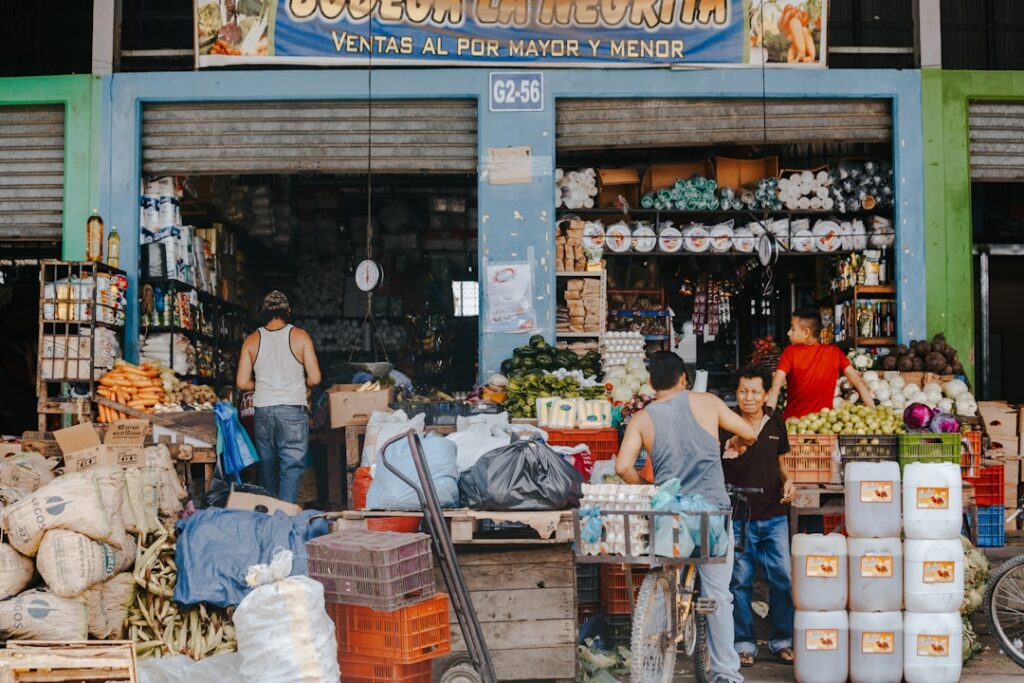
Dining in Gracias is a journey into Honduran home cooking. You’ll find exceptional local *comedores* (small family-run eateries) serving generous *platos típicos*, alongside a few charming restaurants elevating traditional ingredients. Don’t miss the fresh tropical fruits sold at the market.
Must-Try Local Specialties
- Sopa de Mondongo: A rich, savory tripe stew, slow-cooked for hours with vegetables like yuca and corn. Best tried at a local *comedor* like **Comedor El Sabor Catracho** for an authentic experience.
- Plato Típico: The national dish: grilled meat (chicken, beef, or pork), red beans, rice, fried plantains, *mantequilla* (a creamy, salty cream), and a corn tortilla. Ubiquitous and always satisfying.
- Horchata Hondureña: Not the rice-based Mexican version; here it’s a refreshing, cinnamon-spiced drink made from ground rice, morro seeds, and cocoa. Find it at the market or any lunch spot.
Restaurant Recommendations by Budget
| Type | Restaurant | Specialty | Price Range |
|---|---|---|---|
| Budget | Comedor Mary (Near Central Park) | Heaping *Platos Típicos* in a no-frills, friendly setting. | $4-7 per meal |
| Mid-range | Restaurante Guancascos (Calle La Independencia) | Upscale Honduran cuisine in a lovely colonial courtyard. Great for dinner. | $10-18 per meal |
| Fine dining | Café San Cristóbal (With terrace views) | Fusion dishes using local ingredients, excellent coffee, and a curated wine list. | $20-30+ per meal |
Where to Stay
Accommodation ranges from basic *hospedajes* to beautiful colonial-style hotels with interior courtyards. Most of the best options are within a few blocks of the central park, putting everything within easy walking distance. Compare prices and book at Booking.com or Airbnb for apartments.
Best Neighborhoods for Accommodation
- Centro Histórico (Around Parque Central): The heart of the action. You’ll be steps from restaurants, churches, and the fort path. Perfect for first-time visitors who want to immerse themselves in the city’s rhythm. Can be livelier in the evenings.
- Barrio San Sebastián (East of the Center): A slightly quieter, more residential area still within a 10-minute walk of the park. You’ll find several charming guesthouses and B&Bs here with beautiful gardens.
- On the Road to Celaque (Outskirts): A few eco-lodges and boutique hotels are situated closer to the national park. Ideal for serious hikers and those seeking absolute tranquility, but you’ll need a *tuk-tuk* to get into town.

Aerial view of city during daytime, Gracias, Honduras
FAQs: Your Gracias, Honduras Questions Answered
1. Is Gracias, Honduras safe at night?
Gracias is generally considered one of Honduras’s safer towns. The central park area is well-lit and populated until about 9 PM. As in any destination, practice common sense: avoid poorly lit, deserted streets late at night, don’t flash expensive electronics, and use registered *tuk-tuks* for transportation after dark. Locals are protective of their town’s reputation and visitors.
2. What currency is used and are credit cards accepted?
The Honduran Lempira (HNL) is the official currency. As of this writing, the exchange is roughly 25 HNL to $1 USD. While some hotels and higher-end restaurants accept credit cards (Visa/Mastercard), cash is king in Gracias. You’ll need it for markets, *comedores*, *tuk-tuks*, and most attractions. There are several ATMs around the central park.
3. How do I get from the airport to the city center?
From San Pedro Sula Airport (SAP), you have three main options. The most flexible is a pre-booked private shuttle (approx. $80-100 one-way for 1-4 people, 3.5 hours). For budget travelers, take a taxi to the main bus terminal (“Gran Central Metropolitana”) and catch a direct Hedman Alas or Transportes Carolina bus to Gracias (approx. $15, 4 hours). Book airport transfers at GetYourGuide for convenience.
4. Do I need to speak the local language?
Yes, basic Spanish is highly recommended. English is not widely spoken outside a few hotel reception desks. Learning key phrases will transform your experience, allowing you to connect with locals, read menus, and

