
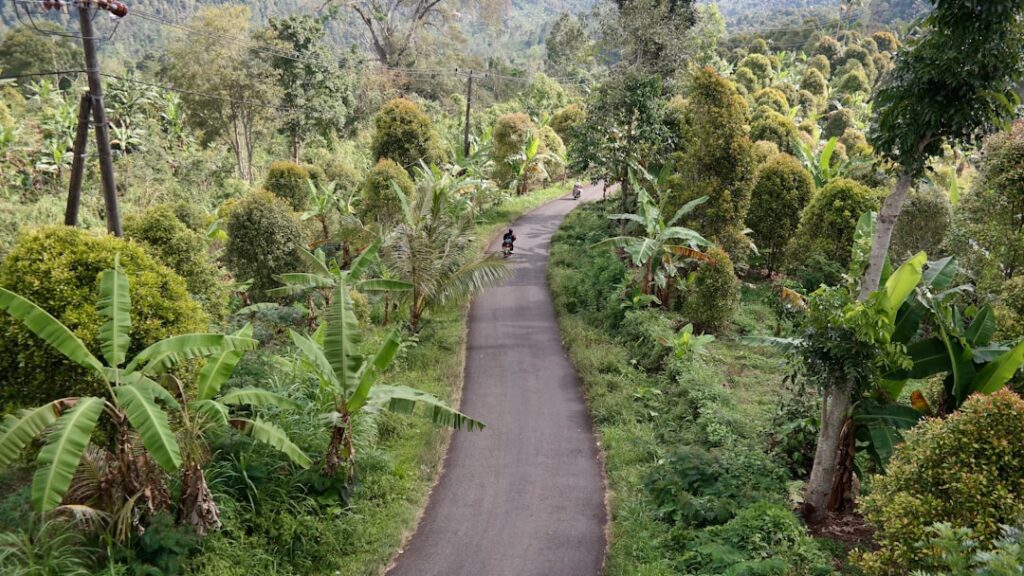
Goroka, Papua New Guinea: Ultimate Highland Culture, Tribal Traditions & Untamed Nature (2025)
While crowds flock to Bali’s beaches, Goroka delivers authentic highland culture without the tourist infrastructure. Here in Papua New Guinea’s Eastern Highlands, you’ll find over 100 distinct tribal groups living traditional lifestyles just hours from town. The morning mist lifts to reveal women in bilum bags walking to market while men with painted faces tend to their coffee gardens. This isn’t a cultural performance—it’s daily life continuing as it has for generations, offering what many travelers call the most genuine cultural immersion in the Pacific.
Why Goroka, Papua New Guinea Stands Out

A body of water with mountains in the background, Goroka, Papua New Guinea
- Historic Architecture: The Goroka Showground grandstand (built 1957) hosts the legendary Goroka Show where thousands of tribespeople gather annually.
- Cultural Scene: The Goroka Show each September features over 100 tribes performing sing-sings with elaborate headdresses and body paint.
- Local Specialties: Mumu—a traditional feast of pork, sweet potatoes, and greens cooked in an underground oven with hot stones.
Pro Tip: Visit during the dry season (May-October) but specifically plan around the Goroka Show in mid-September—book accommodations 6 months ahead as hotels fill rapidly for this world-famous event.
Map of Goroka, Papua New Guinea
Use these interactive maps to explore Goroka, Papua New Guinea and plan your route:
📍 View Goroka, Papua New Guinea on OpenStreetMap
🗺️ Open Goroka, Papua New Guinea in Google Maps
Planning Your Trip: Practical Essentials
Getting There and Around
- By Air: Goroka Airport (GKA) connects via Air Niugini and PNG Air from Port Moresby (1-hour flight, ~$150-250). Book flights at Skyscanner for best deals.
- By Train: No railway connections exist in Papua New Guinea’s highlands—air travel is your only practical option.
- By Car: The Highlands Highway connects Goroka to Lae (8-10 hour drive), but road conditions vary dramatically. Compare car rentals at RentalCars.com though 4WD with driver is recommended.
- Local Transport: PMVs (public motor vehicles) serve as minibus transport (~2 kina per trip), while taxis charge ~10-20 kina for town trips. Walking is practical within Goroka town center.
Best Time to Visit
The dry season (May-October) offers ideal trekking conditions and cultural events, while the wet season brings lush landscapes but challenging travel.
| Season | Weather | Highlights |
|---|---|---|
| Dry Season (May–Oct) | 20-28°C, low rainfall, sunny days | Goroka Show (Sept), best trekking conditions, cultural festivals |
| Wet Season (Nov–Apr) | 22-30°C, heavy afternoon rains | Lush green landscapes, fewer tourists, lower accommodation rates |
| Shoulder (Apr/Oct–Nov) | 21-29°C, occasional showers | Balanced weather, cultural activities continue, good value |
Budgeting for Goroka, Papua New Guinea

Pond surrounded with tall and green trees under white skies, Goroka, Papua New Guinea
| Category | Budget | Mid-range | Luxury |
|---|---|---|---|
| Accommodation | Guesthouse 100-200 PGK/night | Hotel 300-500 PGK/night | Bird of Paradise Hotel 600+ PGK/night |
| Meals | Market food 15-30 PGK | Restaurant meals 40-80 PGK | Hotel dining 100+ PGK |
| Transport | PMVs 2-5 PGK | Taxis 10-30 PGK | Private car + driver 200+ PGK/day |
| Activities | Village visits 20-50 PGK | Cultural tours 100-200 PGK | Private guided treks 300+ PGK |
| Daily Total | 150-300 PGK | 400-800 PGK | 1000+ PGK |
Top Attractions and Must-See Sights
| Attraction | Description | Hours | Entry Fee |
|---|---|---|---|
| J.K. McCarthy Museum | Exceptional collection of Highland artifacts and colonial history in a 1950s building | Mon-Fri 9am-4pm | 10 PGK |
| Goroka Market | Vibrant daily market where highland tribes trade produce, crafts, and bilum bags | Daily 6am-4pm | Free |
| Raun Raun Theatre | Traditional performing arts center showcasing authentic singsing performances | Shows Sat 2pm | 20 PGK |
| Mount Kiss | Moderate day hike offering panoramic views over Goroka Valley and surrounding villages | Daylight hours | Free (guide recommended 50 PGK) |
3-Day Itinerary: Goroka, Papua New Guinea’s Highlights & Hidden Gems
Day 1: Cultural Immersion & Town Exploration
- Morning: 7-9 AM exploration of Goroka Market when it’s most vibrant. Arrive early to watch highland women arrange produce and handicrafts—your best chance to see traditional bilum weaving demonstrations.
- Afternoon: 12-3 PM visit to J.K. McCarthy Museum followed by lunch at Bird of Paradise Hotel (try their Highland pork with kaukau). The museum’s colonial photography collection reveals fascinating early contact history.
- Evening: 6-8 PM traditional mumu feast arranged through your hotel (advance booking required). Expect pork, sweet potato, and tropical greens cooked underground for hours.
Day 2: Village Life & Traditional Arts
- Morning: 8 AM village visit to Asaro Mudmen community (50 PGK including guide)—meet the famous clay-masked tribespeople and learn their legendary origin story of emerging from the Asaro River.
- Afternoon: 1-4 PM Raun Raun Theatre performance followed by coffee tasting at Goroka’s Highlands Coffee factory. Don’t miss their premium Arabica—some of the world’s best coffee grows in these valleys.
- Evening: 6 PM dinner at Goroka Club (membership often waived for tourists)—the colonial-era building offers atmospheric dining and stories of early highland explorers.
Day 3: Nature & Handicrafts
- Morning: 7 AM guided hike up Mount Kiss (100 PGK including transport)—the 2-hour climb rewards with breathtaking valley views and birdwatching opportunities.
- Afternoon: 12-3 PM handicraft shopping at Goroka Market’s best stalls—locals recommend Esther’s bilum bags and Michael’s carved storyboards depicting tribal legends.
- Evening: 5 PM sunset drinks at Bird of Paradise Hotel’s terrace overlooking the valley—the perfect farewell to the highlands.
Cultural Insights & Etiquette
- Language: Tok Pisin phrases like “Gude” (hello), “Tenkyu” (thank you), and “Mi laik baim” (I want to buy) build immediate rapport.
- Customs: Always ask permission before photographing people—offer 5-10 PGK as gesture of respect for portraits.
- Tipping: Not expected but appreciated for exceptional service—10-20 PGK for guides, round up taxi fares.
- Dress Code: Modest clothing preferred—knee-length shorts/skirts, covered shoulders, especially when visiting villages.
- Business Hours: Most businesses open 8am-4pm weekdays, 8am-12pm Saturdays, with extended market hours.
Where to Eat: Goroka, Papua New Guinea’s Best Bites
Goroka’s dining scene revolves around hotel restaurants and local markets, with traditional highland cuisine featuring root vegetables, greens, and free-range pork.
Must-Try Local Specialties
- Mumu: Traditional underground oven feast of pork, sweet potato, and greens—arrange through hotels 24 hours in advance
- Kaukau (sweet potato): Staple carbohydrate often roasted in fires or cooked with coconut—find the best at Goroka Market
- Highlands Coffee: Some of the world’s finest Arabica—visit factory outlets for fresh roasting and tasting sessions
Restaurant Recommendations by Budget
| Type | Restaurant | Specialty | Price Range |
|---|---|---|---|
| Budget | Goroka Market food stalls | Fresh roast kaukau and local greens | 10-25 PGK |
| Mid-range | Goroka Club | Steak with highland vegetables | 40-80 PGK |
| Fine dining | Bird of Paradise Hotel Restaurant | Modern PNG cuisine with mumu nights | 80-150 PGK |
Where to Stay
Accommodation ranges from basic guesthouses to the town’s premier hotel, with most options clustered near the town center. Compare prices and book at Booking.com or Airbnb for apartments.
Best Neighborhoods for Accommodation
- Town Center: Walking distance to markets and museums, but can be noisy—ideal for first-time visitors wanting convenience
- Hospital Hill: Quiet residential area with valley views, 15-minute walk to center—perfect for travelers seeking tranquility
- Airport Road: Mix of hotels and guesthouses with easy transport access—best for those with early flights

An aerial view of a tropical forest with a body of water in the background, Goroka, Papua New Guinea
FAQs: Your Goroka, Papua New Guinea Questions Answered
1. Is Goroka, Papua New Guinea safe at night?
Goroka is generally safe but requires common sense precautions. Avoid walking alone after dark, use registered taxis, and don’t display valuables. Most incidents involve opportunistic theft rather than violence against tourists.
2. What currency is used and are credit cards accepted?
Papua New Guinea Kina (PGK) is the currency. Credit cards work at major hotels but cash is essential for markets, PMVs, and village visits. ATMs are available in town center but carry sufficient cash for rural excursions.
3. How do I get from the airport to the city center?
Goroka Airport is just 3km from town—registered taxis charge 15-20 PGK for the 10-minute ride. Hotels often provide airport transfers if arranged in advance. Book airport transfers at GetYourGuide for convenience.
4. Do I need to speak the local language?
English is widely spoken in town, while Tok Pisin dominates rural areas. Learning basic Tok Pisin phrases greatly enhances interactions—locals appreciate even attempts at “tenkyu” (thank you) and “gude” (hello).
5. What’s the appropriate dress code?
Modest, comfortable clothing works best—lightweight pants or knee-length shorts, T-shirts or blouses. Bring a rain jacket year-round and warmer layers for cool highland evenings. When visiting villages, avoid revealing clothing out of respect.
Final Thoughts: Goroka, Papua New Guinea Awaits
Goroka offers what few destinations can: authentic cultural encounters completely integrated into daily life rather than staged for tourists. Here, the morning market brings together dozens of tribal groups in traditional dress, coffee farmers tend some of the world’s finest beans, and ancient ceremonies continue as living traditions. Travelers often discover that the most memorable moments happen unexpectedly—sharing stories with a village elder, learning to weave a bilum bag, or simply watching the mist lift over the highland valleys. For your visit, remember that flexibility and respect open more doors than any itinerary—some of Goroka’s best experiences come from saying “yes” to unexpected invitations and embracing the rhythm of highland life.

