
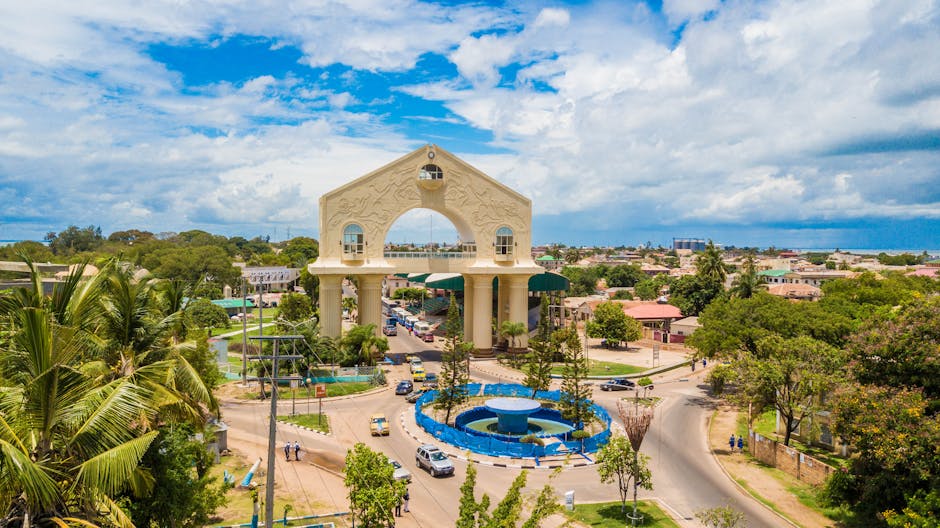
Gambia’s Kiang West National Park, Gambia: Epic River Safaris, Rare Primates & Untouched Mangroves (2026)
While crowds flock to the beach resorts of the Atlantic coast, Kiang West National Park delivers an authentic, crowd-free immersion into West Africa’s wild heart for a fraction of the cost. For under $50 a day, including a guided river safari and simple lodge stay, you can glide past basking crocodiles, track troops of rare Guinea baboons, and listen to the haunting call of the African fish eagle. This is the Gambia few tourists ever see.
Why Gambia’s Kiang West National Park, Gambia Stands Out

Golden sunset over a Gambia beach with silhouette palm trees and serene seascape, Gambia’s Kiang West National Park, Gambia
- Historic Architecture: The park is home to the ruins of the 19th-century Dento Slave Stockade, a solemn and powerful reminder of the region’s complex history within the transatlantic slave trade.
- Cultural Scene: Experience the annual “Kankurang” festival in nearby villages, where masked initiates perform traditional Mandinka rituals believed to cleanse communities and protect the young.
- Local Specialties: Don’t miss “Domoda,” a rich, savory peanut stew with meat, served over rice—a staple you’ll find prepared in local compounds bordering the park.
Pro Tip: The absolute best time for wildlife viewing is during the dry season from November to early May. For the most active animal sightings and manageable temperatures, aim for the window between late January and March. Start your game drives or boat trips at dawn (around 6:30 AM) when the park’s creatures are most active and the light is perfect for photography.
Map of Gambia’s Kiang West National Park, Gambia
Use these interactive maps to explore Gambia’s Kiang West National Park, Gambia and plan your route:
📍 View Gambia’s Kiang West National Park, Gambia on OpenStreetMap
🗺️ Open Gambia’s Kiang West National Park, Gambia in Google Maps
Planning Your Trip: Practical Essentials
Getting There and Around
- By Air: All visitors fly into Banjul International Airport (BJL). Major airlines include Brussels Airlines, TUI, and ASKY. From the airport, your best bet is to pre-book a 4×4 transfer (a 2-hour drive) through your lodge or a tour operator. Book flights at Skyscanner for best deals.
- By Train: There are no train services in The Gambia.
- By Car: A 4×4 vehicle is essential for the park’s tracks. You can rent one with a driver/guide in Banjul or Serekunda for approximately GMD 2500-3500 ($40-$55) per day. Self-driving is not recommended due to unmarked tracks. Compare car rentals at RentalCars.com for options in the capital.
- Local Transport: Within the park, transport is exclusively via guided 4×4 or boat. “Gelly-gellys” (shared minibuses) run to nearby towns like Soma, but you’ll need to arrange final transfer to your lodge.
Best Time to Visit
Your experience in Kiang West is dramatically shaped by the seasons. The dry season offers accessible wildlife viewing, while the wet season transforms the park into a lush, green paradise, albeit with more challenging logistics.
| Season | Weather | Highlights |
|---|---|---|
| Dry Season (Nov–May) | Hot & dry, 25°C–35°C (77°F–95°F). Virtually no rain. | Prime wildlife viewing as animals congregate at water sources. Best for river safaris and photography. Low insect presence. |
| Wet Season (Jun–Oct) | Hot, humid, and rainy. 23°C–33°C (73°F–91°F). Heavy afternoon storms. | The park is stunningly green and full of birdlife. Very few tourists. Some tracks may be impassable, and mosquitoes are prevalent. |
| Shoulder (Nov & May) | Transitional. Warm with a chance of early/late rains. | A good balance of pleasant weather and decent wildlife activity. Lodges are less crowded and may offer better rates. |
Budgeting for Gambia’s Kiang West National Park, Gambia

Low angle view of the Gambian flag waving against a blue cloudy sky symboli…, Gambia’s Kiang West National Park, Gambia
| Category | Budget | Mid-range | Luxury |
|---|---|---|---|
| Accommodation | GMD 600/night (basic camp) | GMD 1500-2500/night (lodge) | GMD 4000+/night (all-inclusive safari camp) |
| Meals | GMD 200-300/day (local compounds) | GMD 500-800/day (lodge restaurant) | Included in luxury rate |
| Transport | GMD 500/day (shared 4×4 tour) | GMD 1200/day (private 4×4 half-day) | Private vehicle & boat included |
| Activities | GMD 400 (guided walk) | GMD 800 (river safari) | All activities included |
| Daily Total | GMD 1700-1800 (~$27) | GMD 4000-4600 (~$65) | GMD 4000+ (~$65+) |
*Prices are per person, assuming shared accommodation/tours for Budget/Mid-range. Luxury is per person rate at exclusive camps. 1 USD ≈ GMD 65.
Top Attractions and Must-See Sights
| Attraction | Description | Hours | Entry Fee |
|---|---|---|---|
| River Gambia Safari | A boat trip is the best way to see hippos, crocodiles, and spectacular birdlife along the park’s northern boundary. | Dawn or dusk tours (3-4 hrs) | ~GMD 800 with guide |
| Dento Slave Stockade Ruins | These poignant historical ruins within the park offer a solemn look into the 19th-century slave trade era. | Daylight hours | Included in park fee |
| Guinea Baboon Tracking | Track habituated troops of these charismatic, blonde-maned primates through woodland savanna with a skilled guide. | Early morning (7-10 AM) | ~GMD 500 with guide |
| Bonto Forest Walk | Explore this dense forest section for a chance to spot rare birds like the white-backed night heron and African goshawk. | Daylight hours | ~GMD 400 with guide |
*Park Entry Fee: A mandatory conservation fee of approximately GMD 300 per person per day is typically arranged by your lodge or guide.
3-Day Itinerary: Gambia’s Kiang West National Park, Gambia’s Highlights & Hidden Gems
Day 1: Arrival & River Immersion
- Morning: Arrive at your lodge by 10 AM. Settle in and enjoy a welcome drink. Your best bet is to have lunch at the lodge—try their version of “Benachin” (Gambian jollof rice).
- Afternoon: Embark on a 3 PM river safari (GMD 800). Glide silently past Nile crocodiles sunning on the banks and watch for the snorting bubbles of hippo pods. Your guide will point out pied kingfishers and perhaps a shy otter.
- Evening: Enjoy a sundowner on the lodge’s deck listening to the bush come alive at night. Dinner is often a communal affair—a perfect chance to swap stories with other travelers.
Day 2: Inland Exploration & History
- Morning: A 6:30 AM guided game drive (GMD 1200 for a half-day private 4×4). Look for patas monkeys, warthogs, and the park’s rich birdlife. Seasoned travelers know the early light makes for magical photos.
- Afternoon: Visit the Dento Slave Stockade ruins with your guide. It’s a sobering but important historical site. Return to the lodge for a late lunch and a siesta during the midday heat.
- Evening: Take a guided night walk (if offered, ~GMD 500) to spot nocturnal creatures like genets and bushbabies, their eyes glowing in your guide’s spotlight.
Day 3: Culture & Departure
- Morning: Arrange a visit to a nearby Mandinka village like Dumbuto (always go with a guide, a small gift of sugar or tea is appreciated). See traditional compound life and perhaps local crafts.
- Afternoon: Enjoy a final lunch—don’t leave without trying “Superkanja,” a flavorful okra stew. Depart for Banjul or your next Gambian destination by 2 PM to avoid driving in the dark.
- Evening: If staying in the Greater Banjul area, head to “Lamin Lodge” for a final dinner overlooking the mangroves, a beautiful contrast to the wild park you’ve just left.
Cultural Insights & Etiquette
- Language: The official language is English, but Mandinka is widely spoken. Key phrases: “Salaam aleikum” (Hello, peace be upon you), “Abaraka” (Thank you), “Heri” (Goodbye).
- Customs: Always greet people properly before asking questions. Use your right hand for eating, shaking hands, and giving/receiving items. The left hand is considered unclean.
- Tipping: Tipping is appreciated. For guides, consider GMD 200-500 per day. For lodge staff, a small collective tip at the end of your stay is customary.
- Dress Code: Dress modestly, especially when visiting villages. Lightweight, loose-fitting clothing that covers shoulders and knees is respectful and practical for the climate.
- Business Hours: Government hours are typically Monday-Thursday 8 AM-4 PM, Friday 8 AM-12:30 PM. Shops may open earlier and close later. Friday is the Muslim holy day.
Where to Eat: Gambia’s Kiang West National Park, Gambia’s Best Bites
Dining in and around Kiang West is almost exclusively lodge-based. The experience is about hearty, local cuisine prepared with fresh ingredients. Meals are often a set menu, offering a true taste of Gambian home cooking.
Must-Try Local Specialties
- Domoda: The national dish. A creamy, savory peanut stew with beef, chicken, or fish, served over rice. Every lodge cook has their own recipe.
- Benachin: Meaning “one pot,” this is a flavorful tomato-based rice dish cooked with fish or meat and vegetables, similar to jollof rice.
- Fresh River Fish: Often barracuda or bonga, grilled simply over charcoal and served with a spicy “chew” (sauce) made from chili and lime.
Restaurant Recommendations by Budget
| Type | Restaurant | Specialty | Price Range |
|---|---|---|---|
| Budget/Lodge | Kiang West Camp Kitchen | Simple, hearty set meals like Domoda and fresh fish. | GMD 300-500 per meal |
| Mid-range/Lodge | Sita Joyeh Camp Restaurant | Well-prepared local and international dishes with a riverside view. | GMD 500-800 per meal |
| Fine Dining (Outside Park) | Kairaba Hotel Restaurant (Serekunda) | Upscale international and Gambian fusion cuisine, about 2 hours from the park. | GMD 1000+ per meal |
Where to Stay
Accommodation is focused on eco-lodges and camps within or adjacent to the park. These range from basic bush camps to more comfortable lodges with en-suite facilities. The experience is about being immersed in nature. Compare prices and book at Booking.com or Airbnb for apartments in urban areas before/after your park visit.
Best Areas for Accommodation
- Inside the Park (Northern Edge): Offers the most immersive experience. You’ll fall asleep to the sounds of the bush. Pros: Direct access, amazing atmosphere. Cons: Basic amenities, limited choice. Suits adventurous travelers.
- Near Soma Town: The gateway town to the park, about a 30-minute drive away. Pros: More lodging options, easier access to shops. Cons: Less immersive, requires daily travel into the park. Suits budget-conscious visitors.
- All-Inclusive Safari Camps: A few exclusive camps operate on the park’s periphery. Pros: Expert guides, all activities/meals included, high comfort. Cons: Significant cost. Suits those seeking a curated, luxury safari experience.

Two vultures battle over food on a sandy beach in Banjul, Gambia’s Kiang West National Park, Gambia
FAQs: Your Gambia’s Kiang West National Park, Gambia Questions Answered
1. Is Gambia’s Kiang West National Park, Gambia safe at night?
Yes, within your lodge or camp confines, it is very safe. The main considerations are wildlife. Always follow your lodge’s rules: do not walk around alone at night without a guide/guard, and keep your accommodation zipped up. Crime is extremely rare in this remote area.
2. What currency is used and are credit cards accepted?
The Gambian Dalasi (GMD) is the currency. You must bring enough cash (Dalasi, or Euros/GBP to exchange) for your entire stay in the park. Credit cards are almost never accepted at lodges or for guides due to the remote location and lack of connectivity. Exchange money in Banjul or at the airport before you travel to the park.
3. How do I get from the airport to the park?
It’s a 2-2.5 hour drive. The most reliable method is to pre-book a transfer through your lodge (cost: ~GMD 2000-3000 one-way). Taxis at the airport will charge a similar rate but negotiate firmly. Shared taxis are not practical for this journey with luggage. Book airport transfers at GetYourGuide for convenience, but confirm the operator knows the specific lodge location.
4. Do I need to speak the local language?
No. English is the official language and all guides and lodge staff speak it well. Learning a few Mandinka greetings, however, will be met with delighted smiles and is a great way to show respect, especially in villages.
5. What’s the appropriate dress code?
Light, breathable, and modest clothing in neutral colors (khaki, green, beige) is ideal for both cultural respect and blending in on wildlife viewing. Sturdy, closed-toe shoes are essential for walks. A wide-brimmed hat, sunglasses, and high-SPF sunscreen

