
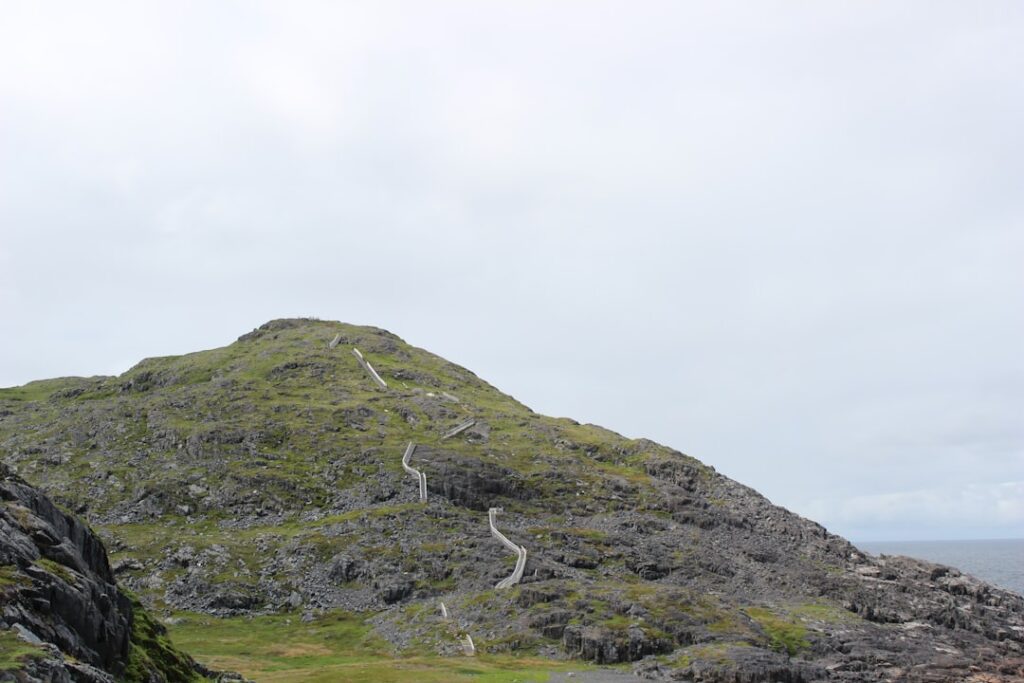
Fogo Island, Canada: Stunning Contemporary Art, Untamed Coastlines & Resilient Community (2025)
While crowds flock to the predictable charms of Banff or Niagara, Fogo Island delivers a profound, windswept authenticity you can’t find on a postcard. Here, on one of Newfoundland’s four “cornerstones,” you’ll find a community of fewer than 2,500 people who have weathered the North Atlantic for centuries, now home to a world-class arts scene that rises from the ancient rock like a mirage. This is where the edge of the world meets the cutting edge of culture.
Why Fogo Island, Canada Stands Out

A large iceberg floating in the middle of the ocean, Fogo Island, Canada
- Historic Architecture: The iconic, geometric Fogo Island Inn (2013) is a social enterprise where 100% of operating surpluses are reinvested into the community, standing on stilts as a beacon of sustainable tourism.
- Cultural Scene: The Fogo Island Arts residency program attracts global creators, whose resulting exhibitions and workshops are often open for visitors to engage with in the community’s historic studios.
- Local Specialties: You must try a hearty bowl of moose stew, a local staple often served with savory dressing and partridgeberry jam, best enjoyed after a long coastal hike.
Pro Tip: Visit in the shoulder seasons of late May-June or September. You’ll avoid peak summer ferry traffic, experience the dramatic iceberg season or stunning fall colors, and have a better chance of engaging with artists-in-residence before the busy July-August period.
Map of Fogo Island, Canada
Use these interactive maps to explore Fogo Island, Canada and plan your route:
📍 View Fogo Island, Canada on OpenStreetMap
🗺️ Open Fogo Island, Canada in Google Maps
Planning Your Trip: Practical Essentials
Getting There and Around
- By Air: Fly into Gander International Airport (YQX), a 1-hour drive from the ferry terminal. Air Canada and PAL Airlines offer connections from Halifax, St. John’s, and other major hubs. Book flights at Skyscanner for best deals.
- By Train: No direct train service exists to Newfoundland. Your journey involves air or ferry travel to the island province first. For train travel within Canada to connecting points, reserve tickets at Trainline or the national railway website.
- By Car: Drive to Farewell, Newfoundland (from Gander, it’s about 90km via Route 330). You must take your car on the 45-60 minute ferry to Fogo Island. Reservations are essential in summer. Compare car rentals at Gander airport via RentalCars.com.
- Local Transport: A rental car is non-negotiable. There is no public transit or reliable taxi service to explore the island’s scattered outports and trails. Plan to drive; distances are manageable but essential.
Best Time to Visit
Your experience is dramatically shaped by the season. Summer offers accessibility and festivals, while spring and fall provide raw, crowd-free beauty with unique natural phenomena.
| Season | Weather | Highlights |
|---|---|---|
| Summer (Jun–Aug) | 8°C to 20°C (46°F to 68°F), often foggy and windy, with bursts of brilliant sun. | All amenities open, best hiking weather, the Brimstone Head Folk Festival (July). Busy; ferry and accommodation require advanced booking. |
| Winter (Dec–Feb) | -8°C to 0°C (18°F to 32°F), harsh winds, significant snow and sea ice. | Extreme solitude, stunning frozen landscapes, potential for Northern Lights. Many businesses close; travel is for the adventurous only. |
| Shoulder (Apr–May/Sep–Oct) | 0°C to 12°C (32°F to 54°F), unpredictable, from sunshine to sleet. | Icebergs (May-June) or fall foliage (Oct), few tourists, authentic community pace. Some services may have reduced hours. |
Budgeting for Fogo Island, Canada
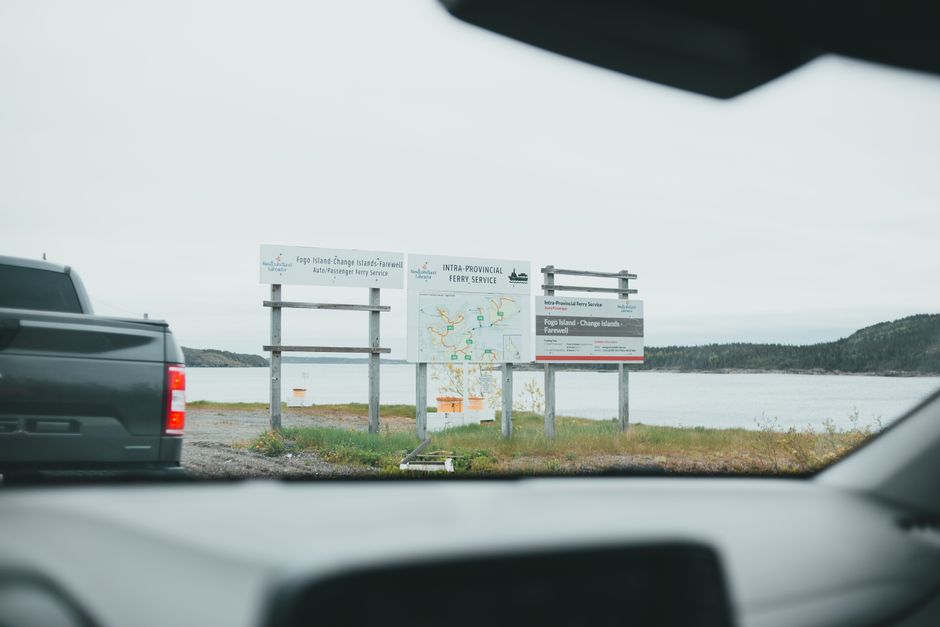
Intra-Provincial Ferry Service sign viewed from inside a car at a scenic wa…, Fogo Island, Canada
| Category | Budget | Mid-range | Luxury |
|---|---|---|---|
| Accommodation | $120-$180/night (B&B, cabin) | $200-$350/night (modern inns, full-service B&Bs) | $2,000+/night (Fogo Island Inn, all-inclusive) |
| Meals | $15-$25 (café lunch, self-catering) | $30-$60 (dinner at local restaurant) | $150+ (multi-course fine dining) |
| Transport | $80/day (car rental + gas) | $80/day (car rental + gas) | $80/day (car rental + gas) + private tours |
| Activities | $0-$30 (hiking, community events) | $50-$150 (guided boat tour, workshop) | $200+ (private guided hikes, artist studio visits) |
| Daily Total | $215-$315 | $360-$640 | $2,330+ |
Top Attractions and Must-See Sights
| Attraction | Description | Hours | Entry Fee |
|---|---|---|---|
| Fogo Island Inn | Architectural marvel and social business; visit for a tour, a meal, or to admire its stark beauty from afar. | Tours at 11am & 3pm daily (book ahead) | Tour: $25 per person |
| Brimstone Head | One of the “Four Corners of the Flat Earth,” offering panoramic, windswept views from a short but steep hike. | 24/7, trail accessible | Free |
| Fogo Island Arts Galleries | Exhibitions in venues like the Fogo Island Gallery and the old Marconi Station, showcasing resident artists’ work. | Variable, often 12pm-5pm Wed-Sun | By donation ($5-$10 suggested) |
| Little Fogo Islands | Abandoned fishing communities accessible by boat tour; a hauntingly beautiful glimpse into the island’s past. | Tours depart based on weather/guide | $120-$180 per person for a tour |
3-Day Itinerary: Fogo Island, Canada’s Highlights & Hidden Gems
Day 1: Art, Architecture & Island Introduction
- Morning (7-9 AM): Catch the early ferry from Farewell (reservation is key). Upon arrival, drive straight to Brimstone Head for a bracing hike. Your best bet is to do this before any fog rolls in.
- Afternoon (12-3 PM): Check into your accommodation, then head to Bangbelly Café in Fogo village for a late lunch of their famous fish cakes. Afterwards, take the 3pm Fogo Island Inn architecture tour ($25) to understand its profound community mission.
- Evening (6-8 PM): Enjoy a sublime, locally-sourced dinner at the Inn’s Dining Room (reservations mandatory, jackets recommended) or for a more casual vibe, try Screech Room Kitchen in Joe Batt’s Arm for cod tongues and brew.
Day 2: Coastal Communities & Rugged History
- Morning (9 AM): Book a guided boat tour with Beulah’s Traditional Tours (approx. $150) to the Little Fogo Islands. You’ll hear stories of the resettled families and see puffins, whales, and towering sea stacks.
- Afternoon (1 PM): Back on land, explore the Tilting Cultural Landscape, a National Historic Site with Irish-rooted fishing stages and homes. Grab a simple, delicious sandwich at Flat Earth Coffee & Eatery in Tilting.
- Evening (6 PM): Visit the Fogo Island Arts Gallery in the old Marconi Station. Then, for dinner, savor wood-fired pizza at Growlers Ice Cream & Pizzeria in Joe Batt’s Arm—a local favorite.
Day 3: Hiking, Handicrafts & Farewell
- Morning (8 AM): Drive to the community of Shoal Bay and hike the Lion’s Den Trail (moderate, 2-3 hours). It offers stunning coastal vistas and leads to a dramatic sea cave.
- Afternoon (12 PM): Visit the Fogo Island Workshop in Joe Batt’s Arm to see traditional quilt-making and rug-hooking. For lunch, stop at Nicole’s Café for a classic Jiggs’ Dinner or a hearty moose burger.
- Evening (4 PM): Make your way to the ferry terminal for your booked departure. If time allows, make one last stop at Sandy Cove Beach for a quiet moment listening to the waves before you leave the rock.
Cultural Insights & Etiquette
- Language: English is universal, but you’ll hear a distinctive Newfoundland dialect. A friendly “Whadda y’at?” (How are you?) goes a long way. Respond with “Best kind, me ol’ trout!”
- Customs: Community is everything. Be patient, engage in conversation, and show genuine interest in people’s stories. It’s polite to wave to every car you pass on the island’s roads.
- Tipping: Standard Canadian practice: 15-20% in sit-down restaurants, a few dollars per bag for porters, and $2-$5 per night for housekeeping in hotels/B&Bs.
- Dress Code: Practicality over fashion. Always have layers, a waterproof/windproof jacket, and sturdy hiking boots, regardless of the forecast. Dress is casual everywhere, though the Fogo Island Inn dining room requests “smart casual” in the evening.
- Business Hours: Can be fluid, especially outside summer. Many shops and cafes operate on “island time.” It’s wise to call ahead if making a special trip. Most places are closed on Sundays.
Where to Eat: Fogo Island, Canada’s Best Bites
Dining here is an extension of the landscape—simple, hearty, and deeply connected to the sea and soil. From foraged berries to line-caught cod, the focus is on hyper-local, seasonal ingredients. Savvy visitors know to ask about the daily catch or special.
Must-Try Local Specialties
- Cod Tongues: A delicate, savory delicacy, often lightly fried. Don’t be put off by the name; they’re tender and delicious. Find them at the Screech Room Kitchen.
- Partridgeberry Everything: This tart, wild berry appears in jams, pies, sauces, and even savory dishes. Try it on a fresh biscuit or as a glaze for local game.
- Fish ‘n’ Brewis: The ultimate traditional Newfoundland meal: salted cod and hard bread soaked overnight, served with scrunchions (fried pork fat). Bangbelly Café does a classic version.
Restaurant Recommendations by Budget
| Type | Restaurant | Specialty | Price Range |
|---|---|---|---|
| Budget | Flat Earth Coffee & Eatery, Tilting | Homemade soups, sandwiches, and baked goods in a cozy shed. | $8-$15 |
| Mid-range | Bangbelly Café, Fogo | Reliable, delicious local fare like Jiggs’ Dinner, fish cakes, and stellar breakfasts. | $15-$30 |
| Fine dining | The Dining Room, Fogo Island Inn | An exquisite, ever-changing tasting menu showcasing foraged and farmed island ingredients. | $150+ per person (multi-course) |
Where to Stay
Accommodation ranges from basic cabins and warm B&Bs to the internationally acclaimed Fogo Island Inn. Most are family-run, offering direct insight into island life. Book very early for summer stays. Compare prices and book at Booking.com or Airbnb for apartments and cabins.
Best Neighborhoods for Accommodation
- Joe Batt’s Arm: The most active “hub,” home to the Fogo Island Inn, several eateries, and the workshop. Ideal for first-time visitors who want walkable amenities. Can feel busier in peak season.
- Fogo: The historic main town with colorful houses, the Fogo Island Arts gallery, and great cafes. Offers a central location and a strong sense of community history.
- Tilting: A quieter, stunningly beautiful National Historic Site with a strong Irish heritage. Perfect for travelers seeking solitude, photography, and deep immersion in the island’s cultural landscape.
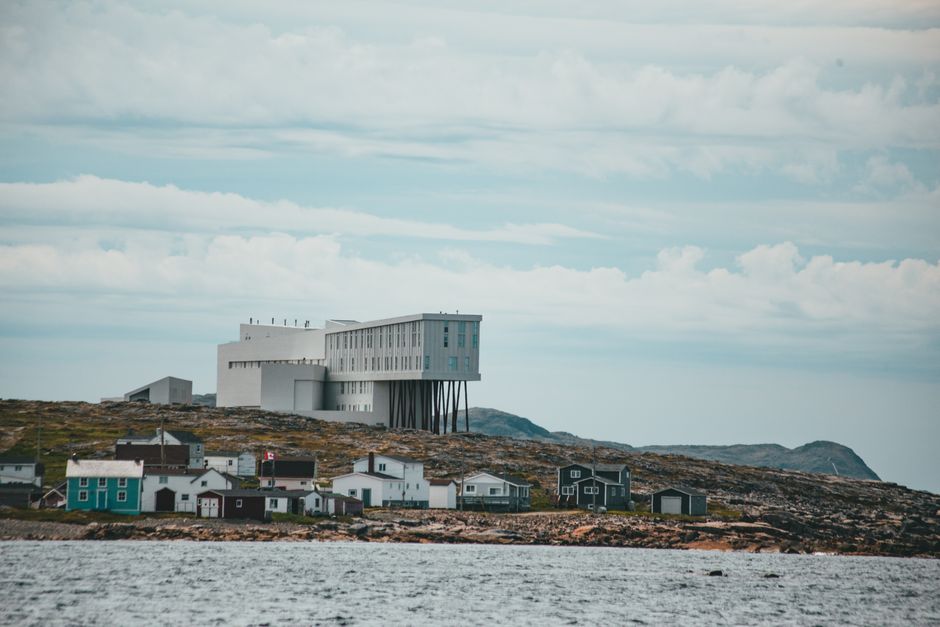
Fogo Island Inn and coastal village with scenic ocean backdrop., Fogo Island, Canada
FAQs: Your Fogo Island, Canada Questions Answered
1. Is Fogo Island, Canada safe at night?
Extremely safe. Crime is virtually nonexistent. The primary considerations are environmental: always be aware of weather changes, stick to marked trails, and drive cautiously for wildlife (moose, caribou) and on often narrow, winding roads, especially in fog.
2. What currency is used and are credit cards accepted?
Canadian Dollars (CAD). Major credit cards (Visa, MasterCard) are widely accepted, even in most small cafes. However, it’s a savvy move to carry some cash ($100-$200) for smaller vendors, farmers’ markets, or donations at community events, as internet service can be intermittent.
3. How do I get from the airport to the island?
From Gander Airport (YQX), you must rent a car and drive 1 hour to the ferry terminal in Farewell. There are no shuttles or taxis for this route. The ferry crossing takes 45-60 minutes to Fogo Island. The entire journey from airport to island can take 3+ hours, so plan flights accordingly. Book airport transfers for other destinations at GetYourGuide for convenience.
4. Do I need to speak the local language?
No, English is universal. However, embracing the local dialect and phrases will enrich your experience. Locals appreciate visitors who listen to their stories and speak at a relaxed pace—conversation is an art form here, not a transaction.
5. What’s the appropriate dress code?
Always dress for the elements, not the Instagram shot. Your essentials are: a waterproof and windproof outer layer, fleece or wool

