
Flinders Island’s Wilderness, Australia: Epic Seclusion, Granite Peaks & Wild Coastlines (2026)
While crowds flock to Tasmania’s Overland Track, Flinders Island’s Wilderness delivers profound solitude and raw, untamed beauty without the permit lotteries and trail congestion. Here, on the largest of the 52 Furneaux Islands in Bass Strait, you’ll share 1,367 square kilometres with just 900 residents and a handful of savvy travelers. This is a landscape sculpted by ancient glaciers and wild seas, where granite mountains known as ‘The Doughboys’ watch over empty, shell-strewn beaches and wallabies outnumber people. Your adventure here feels genuinely discovered, not just visited.
Why Flinders Island’s Wilderness, Australia Stands Out

Wooden walkway leads to rocky island and ocean, Flinders Island’s Wilderness, Australia
- Historic Architecture: The 1847 Wybalenna Chapel stands as a sombre but vital memorial to the Tasmanian Aboriginal settlement, a site of profound cultural significance and resilience.
- Cultural Scene: The annual Flinders Island Art & Craft Exhibition each April showcases the island’s creative spirit, featuring works from local artists inspired by the stark, beautiful landscape.
- Local Specialties: You must try Flinders Island wallaby, a lean, sustainable bush meat often served as a rich pie or slow-cooked stew, capturing the true taste of the island.
Pro Tip: For the best balance of weather and solitude, target the shoulder months of March-April or October-November. You’ll avoid the peak summer ferry crowds (and higher accommodation prices) while still enjoying mild days perfect for hiking. The famous muttonbird (short-tailed shearwater) migrations are a spectacular sight in April.
Map of Flinders Island’s Wilderness, Australia
Use these interactive maps to explore Flinders Island’s Wilderness, Australia and plan your route:
📍 View Flinders Island’s Wilderness, Australia on OpenStreetMap
🗺️ Open Flinders Island’s Wilderness, Australia in Google Maps
Planning Your Trip: Practical Essentials
Getting There and Around
- By Air: Sharp Airlines operates daily 30-minute flights from Launceston, Tasmania to Whitemark or Killiecrankie. Expect fares from $250 AUD return. Book flights at Skyscanner for best deals.
- By Sea: The passenger/vehicle ferry, ‘MS Matthew Flinders’, sails from Bridport, Tasmania to Lady Barron on Flinders Island (approx. 6-7 hours). This is your best bet for bringing a vehicle; book months in advance during peak season (Dec-Feb).
- By Car: A 4WD or high-clearance vehicle is highly recommended, not mandatory, to access the island’s best remote beaches and tracks. You can bring your own on the ferry or rent locally. Compare car rentals at RentalCars.com for mainland pick-up options.
- Local Transport: There is no public transport. Your options are rental car (book ahead), taxi services based in Whitemark, or guided tours which often include transport. Bicycles can be rented for exploring local areas.
Best Time to Visit
The island experiences a temperate maritime climate, but weather can change rapidly. The ideal time depends on whether you prioritize hiking comfort, wildlife, or beach days.
| Season | Weather | Highlights |
|---|---|---|
| Summer (Dec–Feb) | Mild to warm, 15°C – 25°C (59°F – 77°F). Windy, highest sunshine hours. | Best for beach activities, swimming, and fishing. Busiest period; book everything well in advance. |
| Winter (Jun–Aug) | Cool and crisp, 5°C – 14°C (41°F – 57°F). Stronger winds and occasional frost. | Dramatic, moody landscapes perfect for photography and cozy retreats. Very few tourists. |
| Shoulder (Mar–May & Sep–Nov) | Pleasant, 10°C – 20°C (50°F – 68°F). Most stable weather for hiking. | Wildflowers bloom in spring, muttonbird migration in autumn. Ideal for trekking with minimal crowds. |
Budgeting for Flinders Island’s Wilderness, Australia

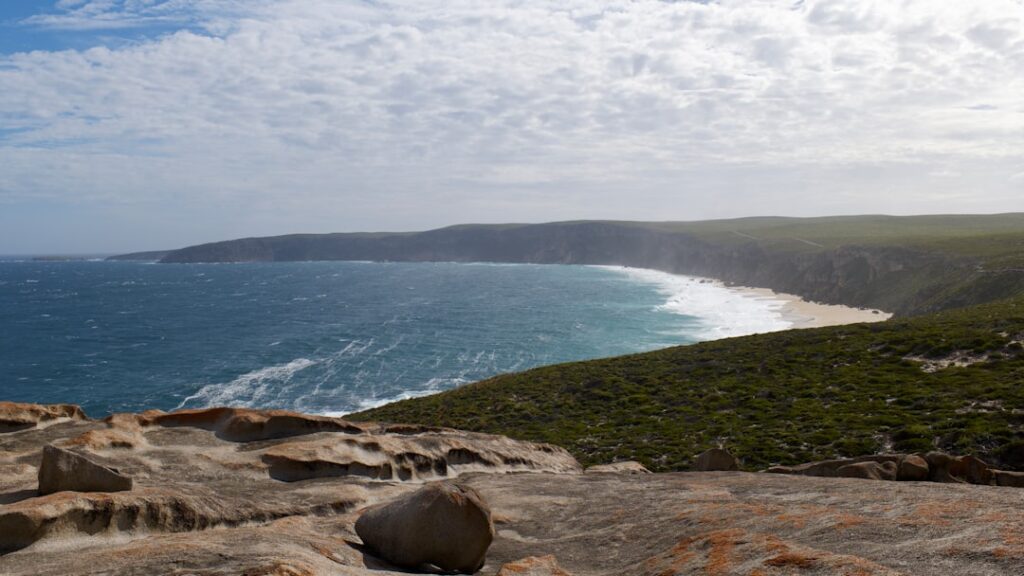
A large rock formation with a large body of water in the background, Flinders Island’s Wilderness, Australia
| Category | Budget | Mid-range | Luxury |
|---|---|---|---|
| Accommodation | Camping: $15-$30 AUD/night at sites like Trousers Point. | Self-contained cottage/B&B: $180-$250 AUD/night. | Luxury eco-lodge/all-inclusive stay: $400+ AUD/night. |
| Meals | Self-catering from local stores; pub meal ~$25 AUD. | Café lunch $20-$30 AUD; dinner at Furneaux Tavern ~$40 AUD. | Chef-prepared local seafood platters with wine pairing at top lodges. |
| Transport | Bicycle rental ~$40 AUD/day. | 2WD rental car ~$100 AUD/day; fuel is expensive. | Private 4WD tour with guide: $250+ AUD/person/day. |
| Activities | Free hiking, beachcombing, visiting Wybalenna. | Guided walk to Castle Rock ($80 AUD), museum entry ($5). | Private fishing charter ($500+), scenic helicopter flight. |
| Daily Total | $80-$120 AUD | $250-$400 AUD | $600+ AUD |
Top Attractions and Must-See Sights
| Attraction | Description | Hours | Entry Fee |
|---|---|---|---|
| Strzelecki National Park & Summit | A challenging 4-5 hour return hike to the island’s highest point (756m) for breathtaking 360-degree views. | Park accessible 24/7; hike in daylight hours. | National Park Pass required: $40.50 AUD per vehicle (24hrs). |
| Trousers Point Beach | Often called one of Australia’s most beautiful beaches, with white sand, turquoise water, and dramatic granite boulders. | Always open. | Free |
| Wybalenna Historic Site | The poignant settlement site for Tasmanian Aboriginal people in the 1830s-40s, featuring a restored chapel and memorial. | Grounds always accessible; interpretive signs on site. | Free (donations appreciated). |
| Killiecrankie Bay & “Diamond” Hunting | A serene bay where you can hunt for unique, topaz-like Killiecrankie “diamonds” (actually topaz) on the beach after a tide. | Always open. | Free |
3-Day Itinerary: Flinders Island’s Wilderness, Australia’s Highlights & Hidden Gems
Day 1: Coastal Wonders & Island History
- Morning (7-9 AM): Start with a sunrise walk along **Trousers Point Beach**. The morning light on the granite boulders, known as ‘The Doughboys’, is magical. Have a picnic breakfast on the sand.
- Afternoon (12-3 PM): Drive to **Lady Barron** for a lunch of fresh fish and chips from the **Furneaux Tavern** (around $25 AUD). Then, visit the **Flinders Island Museum** in Emita ($5 AUD entry) to understand the island’s shipwreck, sealing, and Aboriginal history.
- Evening (6-8 PM): Take the short walk to **Patriarchs Inlet** for sunset. Enjoy dinner back at the Furneaux Tavern—their Flinders Island wallaby pie is a must-try.
Day 2: Mountain Summits & Remote Beaches
- Morning (8 AM): Pack a substantial lunch and water. Drive to **Strzelecki National Park** and begin the **Mount Strzelecki summit hike** (4-5 hours return, strenuous). The panoramic view from the top is your reward. A National Park Pass is required ($40.50 AUD per vehicle).
- Afternoon (1 PM): Descend and drive to **Allports Beach** for a refreshing (and likely solitary) swim. Your packed lunch will taste incredible here.
- Evening (6 PM): For a relaxed evening, head to **The Whitemark Hotel** for a counter meal and a chat with locals in the public bar.
Day 3: Cultural Reflection & Stone Hunting
- Morning (9 AM): Drive north to the **Wybalenna Historic Site**. Spend a reflective hour walking the grounds, reading the interpretive signs at the chapel and memorial. It’s a powerful and essential part of understanding the island.
- Afternoon (12 PM): Continue to **Killiecrankie Bay**. Have lunch at the simple **Killiecrankie Farm** (book ahead) or bring supplies. Spend a couple of hours beachcombing for the famous Killiecrankie “diamonds”—look for clear, hexagonal crystals in the gravel.
- Evening (5 PM): Enjoy a final island sunset at **Castle Rock Lookout**, a short, easy walk from the road. For a special farewell dinner, if you’re self-catering, grill some local Flinders Island meat or seafood.
Cultural Insights & Etiquette
- Language: English. The local accent can be thick; don’t hesitate to ask someone to repeat themselves. A friendly “G’day” goes a long way.
- Customs: This is a close-knit community. Always ask permission before accessing private land (even if a track seems public). Respect is paramount at Aboriginal cultural sites like Wybalenna—observe quietly.
- Tipping: Not expected but appreciated for exceptional service in cafes or on tours. 5-10% is a generous gesture.
- Dress Code: Utterly practical. Sturdy hiking boots, windproof and waterproof layers, and sun protection are essential. Dress is casual everywhere.
- Business Hours: Shops in Whitemark may close early (by 5 PM) and on weekends. Many businesses operate on “island time”—patience and planning are key. Public holidays are strictly observed.
Where to Eat: Flinders Island’s Wilderness, Australia’s Best Bites
Dining on Flinders Island is an exercise in superb, hyper-local provenance. Menus are dictated by what’s been caught, shot, or harvested that day. You won’t find fast-food chains, but you will find honest, hearty food with incredible stories on the plate.
Must-Try Local Specialties
- Flinders Island Wallaby: A sustainable, lean red meat with a rich, gamey flavor. Try it in a pie at the **Furneaux Tavern** or as a slow-cooked casserole.
- Abalone & Crayfish: If they’re on the menu, jump at the chance. The cold, clean waters produce some of Australia’s best shellfish, often served simply grilled.
- Flinders Island Lamb & Beef: Renowned nationwide for its quality, thanks to the pristine pastures. A grass-fed steak here is a revelation.
Restaurant Recommendations by Budget
| Type | Restaurant | Specialty | Price Range |
|---|---|---|---|
| Budget | Flinders Island Bakery (Whitemark) | Fresh pies, pasties, and sandwiches for a quick, filling lunch. | $7-$15 AUD |
| Mid-range | Furneaux Tavern (Lady Barron) | The social hub for fantastic pub meals, local seafood, and wallaby dishes. | $25-$45 AUD main |
| Fine dining | Private Chef/Catering | Some luxury accommodations offer in-house chef services showcasing the absolute best local produce in multi-course meals. | $80+ AUD per person |
Where to Stay
Accommodation ranges from basic camping to comfortable cottages and a couple of exclusive lodges. Due to limited stock, booking months in advance is crucial, especially for peak season. Compare prices and book at Booking.com or Airbnb for apartments and cottages.
Best Neighborhoods for Accommodation
- Whitemark Area: The island’s “capital” and main service town. Best for first-time visitors wanting easy access to the supermarket, fuel, and information. Offers a mix of motels and B&Bs.
- Lady Barron Area: The southern ferry port and fishing hub. Ideal for those focused on boating, fishing, and access to southern beaches like Trousers Point. Home to the popular Furneaux Tavern.
- Remote Coastal/Inland: Scattered farms and standalone eco-cottages offer total seclusion and immersion in nature. You’ll need to be fully self-sufficient and comfortable with driving on unsealed roads.

A group of sea lions laying on top of a sandy beach, Flinders Island’s Wilderness, Australia
FAQs: Your Flinders Island’s Wilderness, Australia Questions Answered
1. Is Flinders Island’s Wilderness, Australia safe at night?
Extremely safe. Crime is virtually nonexistent. The primary safety considerations are environmental: always tell someone your hiking plans, carry a PLB (Personal Locator Beacon) for remote walks, be prepared for sudden weather changes, and watch for wildlife on the roads at dawn and dusk.
2. What currency is used and are credit cards accepted?
Australian Dollars (AUD) are used. Credit/debit cards (Visa/Mastercard) are accepted at most businesses, but EFTPOS minimums ($10-$20) are common. Cash is still king at smaller places, farm gates, and for some community markets. Withdraw cash from the ATM in Whitemark before exploring.
3. How do I get from the airport/ferry to my accommodation?
From **Whitemark Airport**: Most accommodations offer a pick-up service if arranged in advance. Taxis are available but not plentiful—pre-book. From **Lady Barron Ferry Terminal**: Similar options apply. If you’ve brought a vehicle, you’ll drive off the ferry. For peace of mind, book airport transfers at GetYourGuide for convenience, though local direct booking is often more reliable here.
4. Do I need to speak the local language?
English is fine. Locals are famously friendly but can be reserved with strangers. A smile, a polite greeting, and showing genuine interest in the island will open more doors than any phrasebook.
5. What’s the appropriate dress code?
Functional outdoor wear is the uniform. There are no venues requiring formal attire. Pack for all conditions: sturdy hiking boots, quick-dry clothing, a warm fleece, a waterproof and windproof jacket, a wide-brimmed hat, and sunglasses. Even

