
Finschhafen, Papua New Guinea: Ultimate WWII History, Untouched Reefs & Living Culture (2026)
While crowds flock to the Kokoda Track, Finschhafen delivers a profound, uncrowded WWII historical experience alongside vibrant living cultures for a fraction of the logistical hassle. Here, you can stand on the very airfield where General MacArthur landed in 1944, then snorkel pristine coral gardens just offshore that afternoon. This is a destination where history isn’t confined to museums; it’s woven into the landscape and the stories of the local villagers who are its custodians.
Why Finschhafen, Papua New Guinea Stands Out

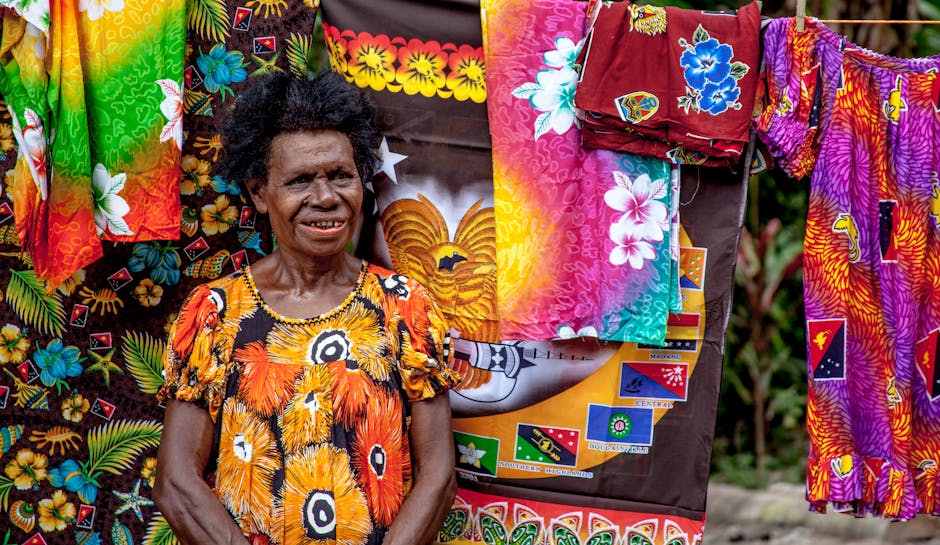
Colorful festival parade featuring participants in traditional attire and h…, Finschhafen, Papua New Guinea
- Historic Architecture: The weathered concrete pillboxes and gun emplacements at Dreger Harbour, constructed by Japanese forces in 1942, offer a silent, tangible connection to the fierce battles that raged here.
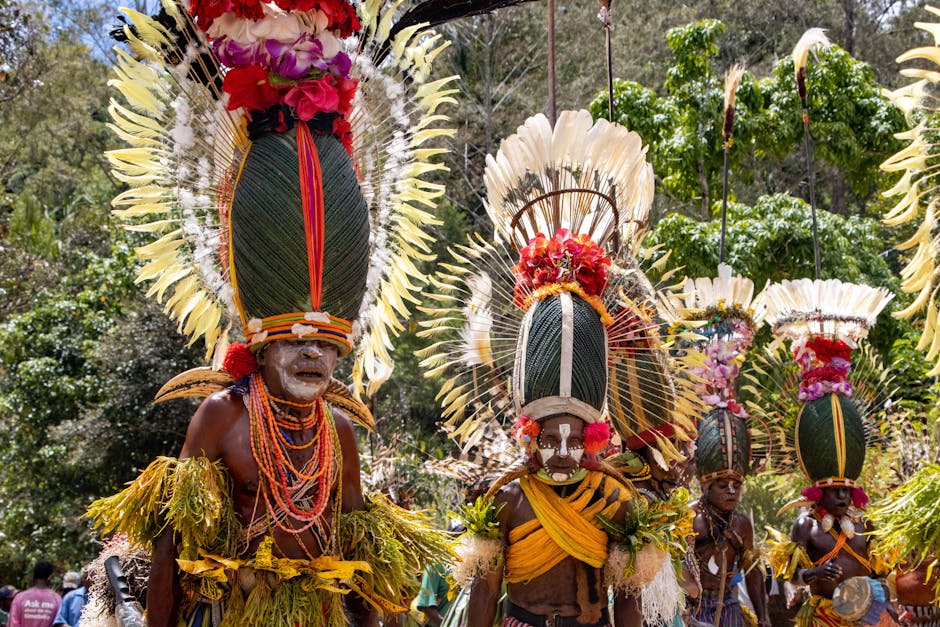
- Cultural Scene: Witness the spectacular Guria sing-sing, where performers from the surrounding Huon Gulf villages adorn themselves in elaborate bird-of-paradise plumes and shell ornaments for rhythmic, storytelling dances.
- Local Specialties: Don’t miss mumu, a celebratory feast where pork, sweet potatoes, and greens are slow-cooked with hot stones in an earth oven, imparting a uniquely smoky, tender flavor.
Pro Tip: Plan your visit for the drier months of May to October. Not only will hiking to remote sites be easier, but this period also aligns with many local village festivals. For the ultimate experience, time your trip with the annual Morobe Show in Lae (usually August or September), a short flight or boat ride away, where Finschhafen’s cultural groups often perform.
Map of Finschhafen, Papua New Guinea
Use these interactive maps to explore Finschhafen, Papua New Guinea and plan your route:
📍 View Finschhafen, Papua New Guinea on OpenStreetMap
🗺️ Open Finschhafen, Papua New Guinea in Google Maps
Planning Your Trip: Practical Essentials
Getting There and Around
- By Air: Finschhafen is served by a small airstrip (FIN). PNG Air and Air Niugini operate scheduled flights primarily from Lae (LAE), which is the main international gateway for the region. Flights are weather-dependent and schedules change frequently. Book flights at Skyscanner for best deals, but always confirm directly with the airline.
- By Sea: The more adventurous (and patient) can travel by local passenger boat or PMV (Public Motor Vehicle) ship from Lae. The journey takes several hours and conditions are basic, but it offers a genuine local experience. There is no formal train service in PNG.
- By Car: While there are rough roads in the area, renting a car is not practical for visitors. All significant exploration is done via 4WD vehicles with local drivers, arranged through your guesthouse or a tour operator.
- Local Transport: Your feet and pre-arranged transport are key. For getting to nearby villages or sites, you’ll rely on PMV trucks or boats chartered through local guides. Always agree on a price before departure.
Best Time to Visit
Finschhafen has a tropical climate. The key distinction is between the wet and dry seasons, which dramatically affect accessibility and comfort.
| Season | Weather | Highlights |
|---|---|---|
| Dry Season (May–Oct) | Warm, 25-30°C (77-86°F), lower humidity, minimal rainfall. | Ideal for hiking to historical sites, coastal activities, and clear skies for flights/boats. Peak festival season. Most reliable travel window. |
| Wet Season (Dec–Mar) | Hot, 28-32°C (82-90°F), very high humidity, daily heavy downpours. | Lush, vibrant greenery. Fewer visitors. However, trails become muddy and impassable, boat travel can be rough, and flights are frequently canceled. |
| Shoulder (Apr & Nov) | Transitional; warm with increasing or decreasing showers. | A good balance if you don’t mind some rain. You may find better availability at lodges and experience a more relaxed pace. |
Budgeting for Finschhafen, Papua New Guinea
Colorful tribal dancers in traditional attire at a cultural festival in Pap…, Finschhafen, Papua New Guinea
| Category | Budget | Mid-range | Luxury |
|---|---|---|---|
| Accommodation | PGK 150-250/night (basic guesthouse) | PGK 300-500/night (lodge with meals) | PGK 600+/night (full-service eco-lodge, rare) |
| Meals | PGK 20-40 (local market/mumu) | PGK 50-80 (lodge restaurant) | Included in lodge package |
| Transport | PGK 50-100/day (PMV/boat charter split) | PGK 150-300/day (private guide/boat) | PGK 400+/day (private vehicle & boat) |
| Activities | Free (beach, village walk) | PGK 100-200 (guided site tour) | PGK 300+ (multi-day cultural tour) |
| Daily Total | PGK 220-390 | PGK 600-1080 | PGK 1300+ |
Note: PGK = Papua New Guinea Kina. As of writing, 1 USD ≈ 3.8 PGK. Cash is king; credit cards are rarely accepted outside major hotels in Lae.
Top Attractions and Must-See Sights
| Attraction | Description | Hours | Entry Fee |
|---|---|---|---|
| Dreger Harbour WWII Relics | Explore the network of Japanese bunkers, tunnels, and gun emplacements overlooking the strategic harbour. | Daylight hours | Free, but a small guide donation (PGK 20-50) is expected and respectful. |
| Finschhafen War Cemetery | A solemn, beautifully maintained Commonwealth War Graves site with over 1,500 burials, telling a powerful human story of the campaign. | Dawn to Dusk | Free |
| Satelberg Mission & Lookout | Site of a historic Lutheran mission and a fierce battle; the climb rewards you with panoramic views of the Huon Peninsula. | Daylight hours | Free, village donation appreciated. |
| Scarlet Beach & Reef | The site of a major Allied landing; now a stunning beach fringed by excellent snorkeling reefs teeming with marine life. | Always accessible | Free |
3-Day Itinerary: Finschhafen, Papua New Guinea’s Highlights & Hidden Gems
Day 1: History & Horizons
- Morning (7-9 AM): Start at the Finschhafen War Cemetery. The morning light is peaceful, and reading the inscriptions provides a sobering context for the day. It’s meticulously kept by the Commonwealth War Graves Commission.
- Afternoon (12-3 PM): Hire a local boat (approx. PGK 150) from the wharf to Dreger Harbour. Explore the Japanese fortifications with a guide from the nearby village. For lunch, pack a simple picnic or enjoy fresh fruit from the market.
- Evening (6-8 PM): Enjoy dinner at your lodge. If you’re staying at a place like Finschhafen Guesthouse, they often prepare excellent local fish. As night falls, listen for the sounds of the jungle coming alive.
Day 2: Culture & Coastline
- Morning (8 AM): Arrange a 4WD (PGK 200) to Satelberg. The drive itself is an adventure. At the top, visit the simple church that marks the old mission site and take in the breathtaking view. Engage with the local caretakers to hear oral histories.
- Afternoon (1 PM): Head to Scarlet Beach. Spend the afternoon snorkeling the fringing reef—look for clownfish, parrotfish, and maybe even a turtle. There are no facilities, so bring water and snacks.
- Evening (6 PM): If arranged in advance, your lodge may be able to organize a traditional mumu feast. This requires planning, so ask upon arrival.
Day 3: Village Life & Departure
- Morning (9 AM): Visit a local village like Buki or Guria (always go with a guide and ask permission from the village chief first). This is not a tourist show; it’s an opportunity for respectful cultural exchange. You might see weaving or carving.
- Afternoon (12 PM): Share a simple lunch with your hosts (a contribution of PGK 50-100 per person for food is appropriate). This is a priceless experience of genuine hospitality.
- Evening (5 PM): Enjoy a final sunset at the waterfront before your evening departure or flight the next day. Reflect on the unique blend of profound history and resilient culture you’ve witnessed.
Cultural Insights & Etiquette
- Language: Tok Pisin is the lingua franca. Key phrases: “Tenkyu” (Thank you), “Gude” (Hello), “Mi laik go long…” (I want to go to…). English is understood in administrative areas and by guides.
- Customs: Always ask permission before taking photos of people. The concept of “bride price” and intricate clan systems are central to life; avoid prying questions. Respect is paramount.
- Tipping: Not a formal custom, but for guides, drivers, or special service, a direct cash gift (PGK 20-100) is warmly appreciated. Present it discreetly at the end of your time together.
- Dress Code: Modesty is key. Women should wear skirts or dresses below the knee, or loose-fitting trousers. Men should avoid walking around shirtless in villages. Swimwear is for the beach only.
- Business Hours: Government offices: 8 AM – 4 PM, Mon-Fri. Markets operate early morning. Everything slows on Saturday afternoons and Sundays.
Where to Eat: Finschhafen, Papua New Guinea’s Best Bites
Dining in Finschhafen is less about restaurants and more about lodge meals and local experiences. The focus is on fresh, simple ingredients: fish, root vegetables like kaukau (sweet potato) and taro, greens, and tropical fruit like papaya and pineapple.
Must-Try Local Specialties
- Mumu: The definitive PNG feast. Pork, chicken, or fish is layered with vegetables in a pit with hot stones, covered with banana leaves, and steamed for hours. Your best chance to try it is by arranging it through your accommodation for a group.
- Kokoda: A refreshing ceviche-like dish of raw fish “cooked” in lime juice and coconut milk, often with chili and onion. Lodges near the coast often serve an excellent version.
- Sago Pudding: A staple made from the pith of the sago palm, often served as a gelatinous side or sweetened as a pudding. It’s a taste of traditional sustenance.
Restaurant Recommendations by Budget
| Type | Restaurant | Specialty | Price Range |
|---|---|---|---|
| Budget/Local | Finschhafen Market Stalls | Fresh fruit, roasted kaukau, simple fried fish parcels. | PGK 5-15 |
| Mid-range | Finschhafen Guesthouse Dining Room | Reliable, hearty meals featuring the daily catch and local produce. Set menus are common. | PGK 40-70 per meal |
| Fine dining | Not applicable. The closest experience would be a specially prepared mumu feast arranged in advance. | A full traditional banquet cooked in the earth. | PGK 100-150 per person (requires group) |
Where to Stay
Accommodation is functional and focused on location. Most places are guesthouses or small lodges that include meals, as independent dining options are scarce. Book well in advance, especially in the dry season. Compare prices and book at Booking.com for some options, but direct contact via phone or email is often necessary for remote lodges.
Best Neighborhoods for Accommodation
- Finschhafen Station (Town Center): The administrative center. You’ll find the airstrip, main wharf, and guesthouses like Finschhafen Guesthouse here. It’s the most convenient base for organizing transport and visiting the war cemetery.
- Scarlet Beach Area: For travelers prioritizing relaxation and snorkeling. Accommodation here is very limited and basic, often consisting of village-style bungalows. The trade-off is direct beach access and serenity.
- Satelberg Road Villages: Staying in a village guesthouse (like those near Buki) offers a deep cultural immersion. Facilities are extremely basic (shared pit toilets, bucket showers), but the hospitality and authenticity are unparalleled.

Portrait of a Papua tribesman wearing traditional costume under clear blue sky., Finschhafen, Papua New Guinea
FAQs: Your Finschhafen, Papua New Guinea Questions Answered
1. Is Finschhafen, Papua New Guinea safe at night?
Within the confines of your lodge or guesthouse compound, you will generally feel safe. However, it is not advisable to walk around alone at night, especially in unlit areas. Petty crime can occur. Use common sense: stay in well-known areas, don’t flash valuables, and arrange transport through your accommodation after dark.
2. What currency is used and are credit cards accepted?
The currency is the Papua New Guinea Kina (PGK). You must bring enough cash in Kina to cover your entire stay. There are no ATMs in Finschhafen, and credit cards are virtually useless here. Exchange money or withdraw cash in Lae before flying in.
3. How do I get from the airport to the town center?
The Finschhafen airstrip is very close to the main administrative station. Most guesthouses will arrange a pickup if notified in advance (often for a small fee, PGK 20-50). If not, it’s a short walk or you can find a passing PMV truck. For seamless arrival, pre-book an airport transfer through a tour operator. Book airport transfers at GetYourGuide for convenience, but check if they service this specific remote location.
4. Do I need to speak the local language?
No, but it helps immensely. English is spoken by those in the tourism industry (guides, lodge staff). Learning a few phrases of Tok Pisin, however, will break the ice, show respect, and is greatly appreciated by locals. A simple “Tenkyu tru” (Thank you very much) goes a long way.
5. What’s the appropriate dress code?
Conservative and modest. As mentioned, cover your knees and shoulders,

