
El Oued, Algeria’s Incredible Domes, Dates & Desert Dreams (2026)
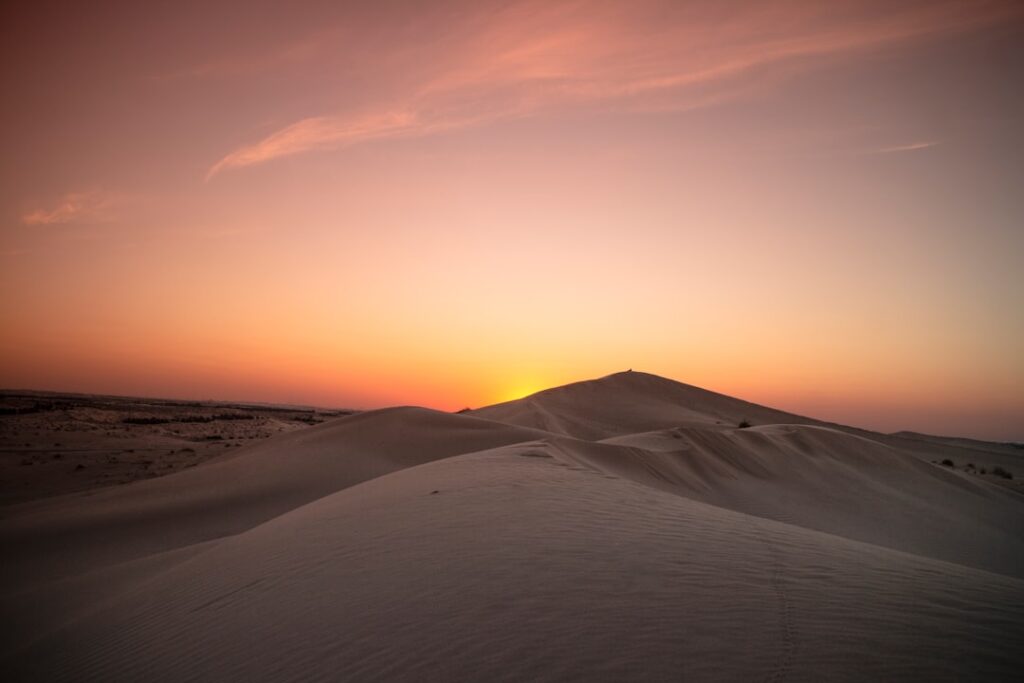
Sunset in El Oued reveals a city of 100,000 domes glowing like golden honeycombs against the vast Sahara. The air carries the scent of baking bread and the rustle of palm fronds, while the labyrinthine streets of the “City of a Thousand Domes” are designed to trap cool air in a 45°C (113°F) climate. This isn’t just architecture; it’s a 1,000-year-old survival strategy, creating a skyline found nowhere else on Earth.
Why El Oued, Algeria Stands Out

Man in black jacket standing on desert during daytime, El Oued, Algeria
- Historic Architecture: The iconic domed houses, built from the 10th century onward, are a unique Saharan adaptation using local gypsum and palm wood for natural insulation.
- Cultural Scene: The annual Date Festival in October transforms the city with camel races, traditional Tuareg music, and competitions for the region’s prized Deglet Nour dates.
- Local Specialties: You must try Mechoui, a whole lamb slow-roasted in a sand pit, a celebratory dish that embodies Saharan hospitality.
Pro Tip: Visit in late October or early November. The brutal summer heat has subsided, the date harvest is in full swing, and you can experience the festive atmosphere without the peak December holiday crowds. Aim for early mornings (7-10 AM) for exploration.
Map of El Oued, Algeria
Use these interactive maps to explore El Oued, Algeria and plan your route:
📍 View El Oued, Algeria on OpenStreetMap
🗺️ Open El Oued, Algeria in Google Maps
Planning Your Trip: Practical Essentials
Getting There and Around
- By Air: The nearest major airport is Guemar Airport (ELU), about 25km west. Air Algérie offers connecting flights from Algiers. A taxi to the city center costs around 1,500 DZD. Book flights at Skyscanner for best deals.
- By Train: El Oued is connected by rail to Touggourt and Biskra. The overnight train from Algiers to Touggourt takes about 10 hours, followed by a 1.5-hour taxi ride. Reserve tickets at Trainline or the national railway website.
- By Car: The N3 highway connects El Oued to Biskra (approx. 3.5 hours). Driving offers freedom to explore surrounding oases. Parking is generally easy outside the old town medina. Compare car rentals at RentalCars.com.
- Local Transport: Yellow taxis are the primary mode; always agree on a fare before starting (300-500 DZD for short trips). For a true local experience, try a *caleche* (horse-drawn carriage) for a leisurely tour of the palm groves.
Best Time to Visit
Timing is everything in the Sahara. Savvy travelers target the shoulder seasons to balance pleasant weather with cultural activity.
| Season | Weather | Highlights |
|---|---|---|
| Summer (Jun–Aug) | Extremely hot, 40-48°C (104-118°F), dry | Minimal tourism, stark desert beauty, but outdoor activity is limited to early mornings/late evenings. |
| Winter (Dec–Feb) | Cool days 15-20°C (59-68°F), cold nights near freezing | Pleasant for daytime exploration, but pack warm layers. Peak season for domestic tourism. |
| Shoulder (Apr–May/Sep–Nov) | Ideal, 25-35°C (77-95°F), low humidity | Best overall conditions. October hosts the Date Festival. Perfect for desert excursions and city walks. |
Budgeting for El Oued, Algeria

A man wearing glasses, El Oued, Algeria
| Category | Budget | Mid-range | Luxury |
|---|---|---|---|
| Accommodation | 3,000-5,000 DZD/night (basic hotel) | 8,000-12,000 DZD/night (comfortable hotel with AC) | 15,000+ DZD/night (boutique hotel or luxury desert camp) |
| Meals | 500-800 DZD (street food, simple cafes) | 1,500-2,500 DZD (restaurant meal with drink) | 4,000+ DZD (fine dining or private desert feast) |
| Transport | 500 DZD/day (shared taxis, walking) | 2,000 DZD/day (private taxi for short trips) | 8,000+ DZD/day (private 4×4 with driver/guide) |
| Activities | Free (walking the domed city, visiting markets) | 3,000-5,000 DZD (guided oasis tour, museum entry) | 10,000+ DZD (private overnight desert safari) |
| Daily Total | 4,000-6,300 DZD (~$30-47 USD) | 14,500-21,500 DZD (~$108-160 USD) | 37,000+ DZD (~$275+ USD) |
Top Attractions and Must-See Sights
| Attraction | Description | Hours | Entry Fee |
|---|---|---|---|
| The Old Town (Medina) | Wander the maze of streets beneath the iconic white domes, discovering hidden courtyards and traditional architecture. | Always open (best 8 AM-12 PM) | Free |
| Souq El Blat | The main market, a sensory overload of spices, woven carpets, silver Berber jewelry, and mounds of golden dates. | 8 AM-1 PM & 4 PM-7 PM (Closed Fri PM) | Free |
| Palm Groves of Oued Souf | Explore the vast, life-giving plantations by foot or caleche, seeing the intricate *foggara* irrigation system up close. | Daylight hours | Free (Caleche ride ~1,000 DZD) |
| El Oued Museum | Small but insightful museum detailing the region’s geology, traditional crafts, and the history of the domed houses. | 9 AM-4 PM (Closed Mon) | 100 DZD |
3-Day Itinerary: El Oued, Algeria’s Highlights & Hidden Gems
Day 1: Domes, Dates & Desert Lanes
- Morning (7-9 AM): Start at Café El Bahia near the main square with strong Algerian coffee and fresh msemen (flatbread). Then, get lost in the Old Town. Your best bet is to follow the shaded lanes, looking up to appreciate the dome construction.
- Afternoon (12-3 PM): Dive into Souq El Blat. For lunch, head to Restaurant Le Sultan for a hearty plate of chorba frik (lamb and freekeh soup) and grilled merguez (approx. 1,200 DZD).
- Evening (6-8 PM): Take a sunset caleche ride through the palm groves. For dinner, locals recommend Restaurant Les Dômes for their tagine (slow-cooked stew) and rooftop views of the illuminated domed city (approx. 2,000 DZD).
Day 2: Oasis Life & Saharan Skies
- Morning (8 AM): Hire a local guide (approx. 3,000 DZD for half-day) to visit a working date plantation. Learn about the Deglet Nour variety and the ancient *foggara* water channels. Taste fresh dates straight from the palm.
- Afternoon (1 PM): Visit the El Oued Museum to contextualize your morning. For lunch, try the simple but delicious shakshuka at Café-Restaurant El Manar.
- Evening (5 PM): Arrange a short 4×4 trip (approx. 5,000 DZD per vehicle) to the nearby dunes of Merhouma for a spectacular Sahara sunset. Pack a picnic or enjoy sweet mint tea with your driver.
Day 3: Craft & Departure
- Morning (9 AM): Visit a local pottery workshop in the Guemar district (taxi: 400 DZD). Watch artisans shape distinctive black and red Saharan pottery, a perfect souvenir. Purchase a traditional tagine pot for 2,000-5,000 DZD.
- Afternoon (12 PM): Enjoy a final feast of Mechoui if you can gather a small group, or savor a last couscous Friday lunch at Restaurant Le Palmeraie.
- Evening: Stroll the illuminated Place du 1er Novembre, savor a final glass of thé à la menthe, and reflect on the unique beauty of the City of a Thousand Domes.
Cultural Insights & Etiquette
- Language: Arabic is official; Algerian Darja (dialect) is spoken. French is widely understood in tourist areas. Learn: “Salam alaykum” (Hello), “Shukran” (Thank you), “Bessaha” (To your health).
- Customs: Hospitality is sacred. If invited for tea, it’s polite to accept. Use your right hand for eating and greeting. Public displays of affection are frowned upon.
- Tipping: Not mandatory but appreciated. Round up taxi fares. In restaurants, 5-10% is generous for good service. Tip guides 500-1,000 DZD per day.
- Dress Code: Modest dress is respectful. For both men and women, cover shoulders and knees, especially in the old town and markets. Loose, light clothing is also practical for the heat.
- Business Hours: Government: 8 AM-4 PM (Sat-Wed). Shops: 8 AM-12 PM, 4 PM-7 PM (often closed Fri afternoon). Many close for several hours in the afternoon heat.
Where to Eat: El Oued, Algeria’s Best Bites
Dining here is a celebration of Saharan resilience. Meals are hearty, spice-forward, and often centered around communal sharing. Don’t expect a bustling nightlife; the evening focus is on long, leisurely dinners.
Must-Try Local Specialties
- Mechoui: Whole lamb or mutton slow-roasted in an underground sand oven, yielding incredibly tender, smoky meat. Best ordered in advance for groups at places like Restaurant Le Nomade.
- Chorba Frik: A hearty, lemony soup made with lamb, tomatoes, and cracked green wheat (freekeh), considered a Ramadan staple but available year-round.
- Mhadjeb: A thin, square semolina crepe stuffed with a savory mix of onions, tomatoes, and spices, sold by street vendors for a quick, delicious snack.
Restaurant Recommendations by Budget
| Type | Restaurant | Specialty | Price Range |
|---|---|---|---|
| Budget | Café-Restaurant El Manar (City Center) | Hearty shakshuka, grilled meats, and friendly service | 500-1,000 DZD |
| Mid-range | Restaurant Les Dômes (Near Old Town) | Atmospheric rooftop dining with excellent tagines and views | 1,500-2,500 DZD |
| Fine dining | Restaurant Le Nomade (Palm Grove area) | Authentic Mechoui feasts and refined Algerian cuisine in a garden setting | 3,500+ DZD |
Where to Stay
Accommodation ranges from simple, clean hotels to a few more comfortable modern options. For a unique experience, consider a stay in a traditional domed house or a luxury desert camp outside the city. Compare prices and book at Booking.com or Airbnb for apartments.
Best Neighborhoods for Accommodation
- City Center (Near Place du 1er Novembre): Most convenient for taxis, banks, and main restaurants. You’ll find the majority of hotels here, but it’s less atmospheric. Ideal for first-time visitors.
- Old Town (Medina) Fringe: Offers more character and easy walking access to the domed architecture. Options may be simpler guesthouses. Perfect for photographers and culture seekers.
- Palm Grove Edges: A few quieter hotels and guesthouses offer serene views and cooler air. Requires short taxi rides to the center. Best for travelers seeking peace and a direct connection to the oasis.

A tall tower in the distance, El Oued, Algeria
FAQs: Your El Oued, Algeria Questions Answered
1. Is El Oued, Algeria safe at night?
El Oued is generally safe, with a low crime rate. As in any city, exercise normal precautions: stick to well-lit areas, avoid displaying valuables, and be cautious when walking alone late at night in deserted areas. The main squares and central streets are lively and safe in the early evening.
2. What currency is used and are credit cards accepted?
The Algerian Dinar (DZD) is the currency. Cash is king, especially in markets, smaller restaurants, and for taxis. Withdraw cash from ATMs (BMCI, BNA) in the city center. Some higher-end hotels and restaurants may accept credit cards (Visa more common than Mastercard), but never rely on it. Always carry sufficient cash.
3. How do I get from the airport to the city center?
From Guemar Airport (ELU), your only reliable option is a pre-arranged taxi or a taxi from the rank. The 25km journey takes about 30 minutes. Agree on the fare before departing (expect 1,500-2,000 DZD). There is no regular public bus service. Book airport transfers at GetYourGuide for convenience.
4. Do I need to speak the local language?
While not essential, knowing basic French or Arabic phrases greatly enhances your experience. In hotels and some restaurants, staff may speak limited English. A translation app and a phrasebook are invaluable tools for deeper interaction with locals, who will appreciate your effort.
5. What’s the appropriate dress code?
Dress modestly and for the climate. Lightweight, loose-fitting clothing that covers shoulders and knees is respectful and practical. A wide-brimmed hat, sunglasses, and high-SPF sunscreen are essential. Evenings can be cool in winter, so pack a light jacket or sweater.
Final Thoughts: El Oued, Algeria Awaits
El Oued offers a travel experience far removed from typical tourist trails. It’s a lesson in human ingenuity, where architecture is born from climate, and culture

