
El Coca, Ecuador’s Amazing Gateway, Wildlife & River Adventures (2026)
While crowds flock to Quito for colonial plazas, savvy travelers know the real adventure begins 250 kilometers east in El Coca, Ecuador. Officially named Puerto Francisco de Orellana, this bustling river port is the undisputed gateway to the vast Yasuní Biosphere Reserve, a UNESCO site containing more tree species in a single hectare than all of North America. Forget leisurely strolls; here, your journey starts at the chaotic docks, where motorized canoes depart for a world where pink river dolphins surface and the calls of howler monkeys replace city noise. This is where the Amazon truly begins.
Why El Coca, Ecuador Stands Out

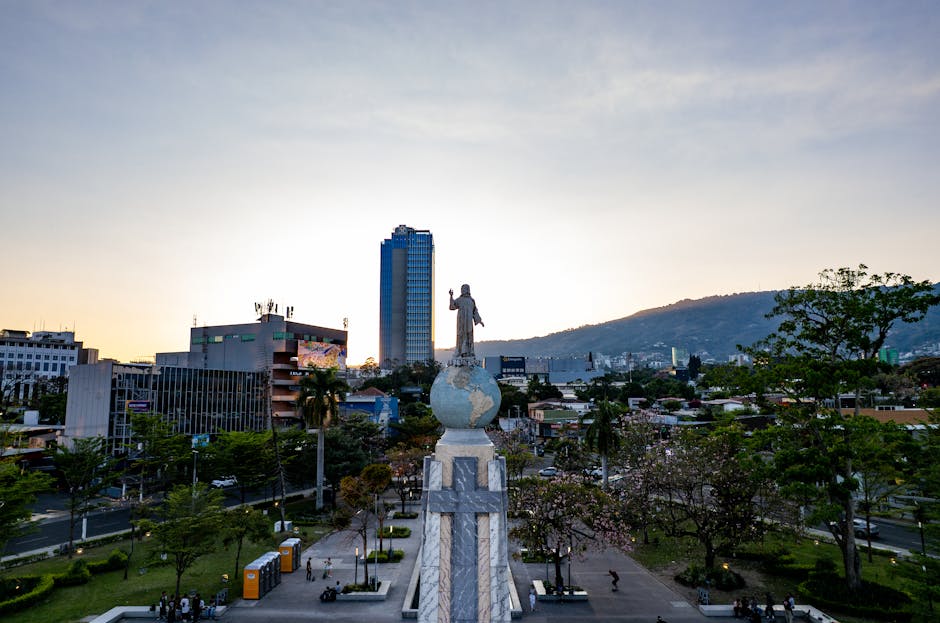
Stunning aerial shot of San Salvador’s cityscape centering on the iconic Mo…, El Coca, Ecuador
- Historic Architecture: The modern Catedral de Puerto Francisco de Orellana, built in the late 20th century, stands as a landmark of the city’s founding and growth as an oil town.
- Cultural Scene: The annual founding festivities in late February feature parades, local music, and community events that blend Amazonian and mestizo cultures.
- Local Specialties: You must try *Maito de Pescado*, fresh river fish wrapped in bijao leaves and grilled over an open fire, a cooking technique perfected by indigenous communities.
Pro Tip: The absolute best time to visit is during the drier months from July to November. River levels are lower, hiking trails in the jungle are more accessible, and mosquito activity is reduced. Avoid the peak rainy season from March to May if you’re not a fan of daily downpours that can limit travel.
Map of El Coca, Ecuador
Use these interactive maps to explore El Coca, Ecuador and plan your route:
📍 View El Coca, Ecuador on OpenStreetMap
🗺️ Open El Coca, Ecuador in Google Maps
Planning Your Trip: Practical Essentials
Getting There and Around
- By Air: Fly into Francisco de Orellana Airport (OCC) from Quito via LATAM or Avianca; flights take 35 minutes. A taxi from the airport to the city center costs about $3-4. Book flights at Skyscanner for best deals.
- By Train: There is no passenger train service to El Coca. The city is primarily accessed by air or a long-distance bus from Quito (approx. 7-8 hours).
- By Car: Driving from Quito via the E45A highway is possible but challenging; it’s a long journey through the Andes. Parking is available at most hotels. Compare car rentals at RentalCars.com if you plan to explore independently.
- Local Transport: Use taxis for in-town travel (fares are $1.50-$3.00). For river travel, you must hire a boat and guide through a licensed tour operator at the main docks.
Best Time to Visit
El Coca has a tropical rainforest climate: hot, humid, and rainy year-round. The key difference is between the drier “summer” and the wetter “winter,” which dictates jungle accessibility.
| Season | Weather | Highlights |
|---|---|---|
| Drier Season (Jun–Aug) | Warm, 75-90°F (24-32°C), frequent but shorter showers | Best for jungle trekking, wildlife spotting, and river navigation; peak tourist season. |
| Wet Season (Dec–Feb) | Hot, 75-95°F (24-35°C), heavy daily rainfall | Lush scenery, higher river levels for deeper canoe access, fewer visitors; prepare for mud. |
| Shoulder (Sep–Nov) | Transitional, 75-90°F (24-32°C), unpredictable rain | A good balance of decent weather and thinning crowds; ideal for birdwatchers. |
Budgeting for El Coca, Ecuador

A close-up view of the majestic El Castillo pyramid in Chichen Itza with a …, El Coca, Ecuador
| Category | Budget | Mid-range | Luxury |
|---|---|---|---|
| Accommodation | $15-25/night (basic hostel) | $50-80/night (comfortable hotel) | $150+/night (all-inclusive jungle lodge) |
| Meals | $8-12/day (local *almuerzos*, street food) | $20-35/day (restaurant meals) | $60+/day (lodge dining) |
| Transport | $5/day (local taxis) | $30-50/day (private boat tours) | $100+/day (private guide & transport) |
| Activities | Free (city walk, malecón) | $50-100/day (guided day trips) | $200+/day (multi-day lodge packages) |
| Daily Total | $30-45 | $150-265 | $500+ |
Top Attractions and Must-See Sights
| Attraction | Description | Hours | Entry Fee |
|---|---|---|---|
| Yasuní Biosphere Reserve | A UNESCO site with unparalleled biodiversity, accessed via guided boat tour from El Coca’s docks. | Access via tour operators, typically depart 7-9 AM | Tour dependent ($80-$150+ for day trips) |
| Malecón de El Coca | The lively riverfront boardwalk where you can watch cargo and passenger boats load for journeys deep into the Amazon. | 24/7 | Free |
| Parque Central | The city’s main square, centered around the cathedral, perfect for people-watching and feeling the local pace. | 24/7 | Free |
| Indigenous Community Visits | Cultural tours to Kichwa or other communities to learn about traditions, crafts, and forest knowledge. | By arranged tour only | Included in tour price ($50-$100) |
3-Day Itinerary: El Coca, Ecuador’s Highlights & Hidden Gems
Day 1: Arrival & Riverfront Immersion
- Morning (7-9 AM): Arrive at Francisco de Orellana Airport. Take a $4 taxi to your hotel. Drop your bags and head straight to the Malecón to see the morning river traffic in full swing.
- Afternoon (12-3 PM): Have lunch at Restaurant El Muelle on the malecón for their excellent *Seco de Pollo* (chicken stew) for about $7. Then, visit the tour operators’ offices along Avenida Quito to book your next day’s jungle adventure.
- Evening (6-8 PM): Enjoy a relaxed dinner at La Fogata for grilled meats. As dusk falls, take another stroll on the malecón—the heat subsides and the city lights reflecting on the Napo River are mesmerizing.
Day 2: Deep into the Yasuní
- Morning (5:30 AM): Early departure for a full-day Yasuní tour ($90-$130). Your motorized canoe will travel 2+ hours downriver to primary forest. Keep your eyes peeled for monkeys, toucans, and the rare pink river dolphin.
- Afternoon (12-3 PM): Your guide will prepare a picnic lunch. Then, embark on a 2-3 hour jungle walk to learn about medicinal plants and look for insects and amphibians. Visit a parrot clay lick if your tour includes it.
- Evening (6-8 PM): Return to El Coca, exhilarated and tired. For a well-earned meal, head to Pizzería El Hornero for a surprisingly good pizza and a cold beer.
Day 3: Culture & Departure
- Morning (8 AM): Take a taxi ($10 roundtrip) to the Museo Arqueológico Centro Cultural de Orellana to see pre-Columbian pottery and learn about the region’s history. It’s a small but insightful stop.
- Afternoon (12-2 PM): Enjoy your final Amazonian lunch at a local favorite, Heladería y Cafetería D’Mauro. Try their *Bolón de Verde* (fried green plantain ball with cheese) for $3. Do some last-minute souvenir shopping for handicrafts near the park.
- Evening (3 PM+): Depending on your flight, transfer back to the airport. If you have an evening flight, consider one last fresh juice from a street vendor—you’ll miss the vibrant, humid energy of this essential gateway.
Cultural Insights & Etiquette
- Language: Spanish is essential. Learn basics: “*Buenos días*” (Good morning), “*¿Cuánto cuesta?*” (How much?), “*Gracias*” (Thank you). English is rarely spoken outside tour agencies.
- Customs: Always greet people with a handshake. When visiting indigenous communities, always ask permission before taking photographs—it’s a sign of respect, not just a rule.
- Tipping: A 10% tip is appreciated in restaurants. For jungle guides, tip $10-$15 per day for good service; for boat drivers, $5-$10.
- Dress Code: Light, quick-dry clothing is key. In town, casual wear is fine. For the jungle, wear long pants and long-sleeved shirts for protection. Always have a rain poncho.
- Business Hours: Shops generally open 8 AM-7 PM, often closing for a midday siesta (1-3 PM). Tour operators are open from 8 AM to 6 PM. Sunday is a quiet day.
Where to Eat: El Coca, Ecuador’s Best Bites
Dining in El Coca is a hearty, no-frills affair focused on fueling up. You’ll find a mix of simple *comedores* (local eateries) serving set lunches, pizzerias, and grills. The star is always the fresh river fish and Amazonian ingredients.
Must-Try Local Specialties
- Maito de Pescado/Pollo: Fish or chicken steamed in a bijao leaf packet, infusing it with an earthy flavor. Best tried at jungle lodges or restaurants like Restaurant La Canoa.
- Chontacuro: A protein-rich palm weevil grub, often grilled and said to taste like bacon. Adventurous eaters can try them at market stalls or on guided cultural tours.
- Guayusa Tea: A mildly caffeinated, antioxidant-rich herbal tea from an Amazonian leaf, traditionally drunk early in the morning. Available in most restaurants.
Restaurant Recommendations by Budget
| Type | Restaurant | Specialty | Price Range |
|---|---|---|---|
| Budget | Heladería y Cafetería D’Mauro (Av. Quito) | Heartbreakfasts, *almuerzos* (set lunches), and ice cream | $3-$7 |
| Mid-range | Restaurant El Muelle (Malecón) | Fresh river fish dishes and great river views | $8-$15 |
| Fine dining | La Fogata (Av. Amazonas) | Quality grilled steaks and meats in a comfortable setting | $15-$25 |
Where to Stay
Accommodation ranges from functional city hotels to incredible remote jungle lodges. Most visitors use a city hotel for a night before/after a lodge stay. Compare prices and book at Booking.com or Airbnb for apartments.
Best Neighborhoods for Accommodation
- City Center (near Parque Central): The most convenient area with hotels, restaurants, and tour operators within walking distance. Perfect for short stays and logistics. Can be noisy.
- Along Avenida Quito: A main artery with several reliable mid-range hotels, easy taxi access, and proximity to services. Less charm, more practicality.
- The Jungle Lodges (outside city): The ultimate experience. You’ll stay in cabins deep within the Yasuní, with all meals and guided activities included. Requires a 2+ hour boat transfer from El Coca.

An iconic bullring structure in Orán, Algeria, captured in a daylight setting., El Coca, Ecuador
FAQs: Your El Coca, Ecuador Questions Answered
1. Is El Coca, Ecuador safe at night?
El Coca is generally safe for travelers who take standard precautions. Stick to well-lit main areas like the malecón and Avenida Quito at night. Avoid walking alone in isolated areas. Petty theft can occur, so don’t flash valuables. Your hotel can advise on current conditions.
2. What currency is used and are credit cards accepted?
Ecuador uses the US Dollar ($). Credit cards (Visa/Mastercard) are accepted at most hotels, nicer restaurants, and tour agencies. However, cash is king for taxis, markets, and small *comedores*. Withdraw cash from ATMs in the city center before heading to the jungle.
3. How do I get from the airport to the city center?
Francisco de Orellana Airport (OCC) is very close to town. Official airport taxis are available outside arrivals. The fixed fare to any hotel in the center is $3-$4 and the ride takes 5-10 minutes. There is no public bus. Book airport transfers at GetYourGuide for convenience if you prefer pre-arranged service.
4. Do I need to speak the local language?
Yes, basic Spanish is highly recommended. Very little English is spoken in everyday situations. Your jungle guide will likely speak English, but taxi drivers, waiters, and hotel staff often do not. Learning a few key phrases will greatly enhance your experience and is considered polite.
5. What’s the appropriate dress code?
Dress is casual and practical. In the city, shorts and t-shirts are fine. For jungle excursions, wear lightweight, long-sleeved shirts, long pants tucked into socks, sturdy shoes, and a hat. Neutral colors (greens, browns) are better for wildlife viewing. Always have a waterproof layer.
Final Thoughts: El Coca, Ecuador Awaits
El Coca, Ecuador, is not a destination of manicured plazas and souvenir shops. It is a raw, vibrant, and essential portal to one of the planet’s last great wildernesses. Travelers who venture here are rewarded with the profound experience of standing on the banks of the Napo River, watching boats depart for the unknown, knowing they are at the very edge of the modern world. Your best bet is to embrace its utilitarian charm, use it as the launchpad it’s meant to be, and let the magic of the surrounding Amazon take over. Don’t just visit Ecuador—let El Coca show you its wild, beating heart.

