
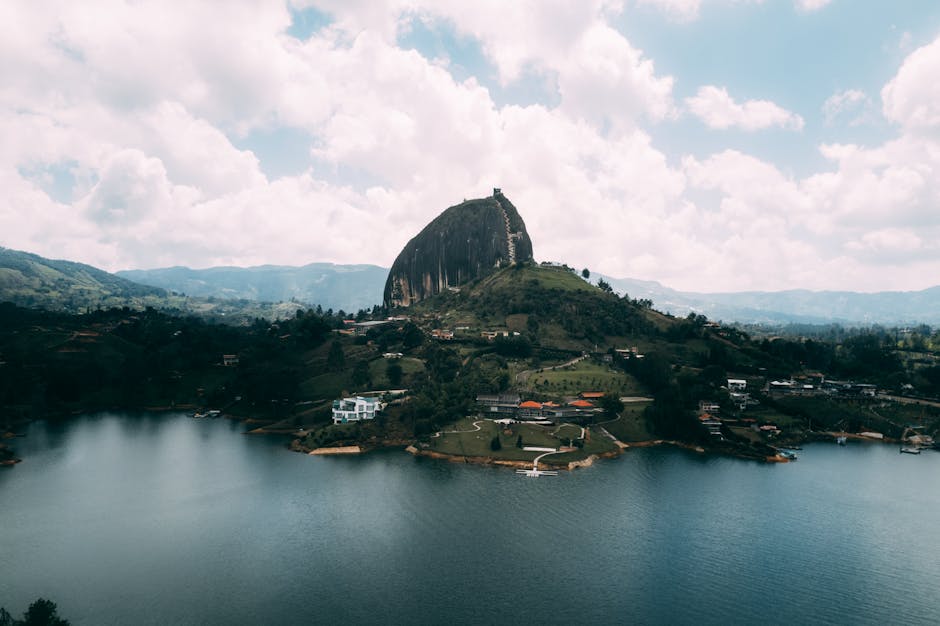
El Chocó, Colombia’s Ultimate Rainforests, Rivers & Afro-Colombian Rhythms (2025)
At dawn in El Chocó, Colombia, the world’s wettest lowland region, the air doesn’t just feel humid—it feels alive. The first light filters through a canopy that receives over 400 inches of rain annually, illuminating rivers that run not brown or blue, but a startling, opaque gold from mineral deposits. This is one of the planet’s most biodiverse corners, where the sound of howler monkeys competes with the pulse of traditional currulao music, and the Pacific crashes onto beaches where sea turtles outnumber people. Forget the typical Colombian itinerary; this is raw, unfiltered nature intertwined with a vibrant, resilient culture most travelers never see.
Why El Chocó, Colombia Stands Out
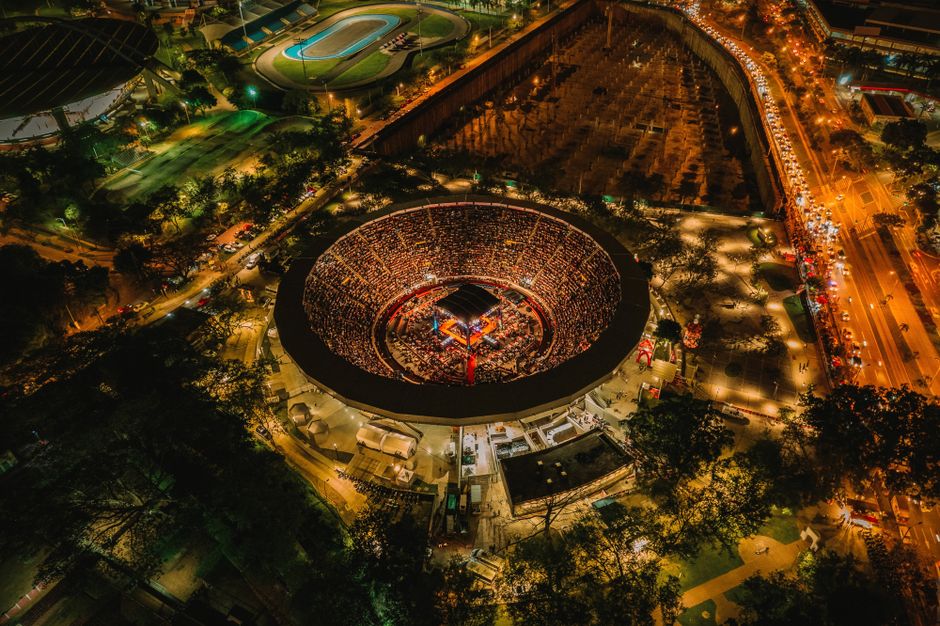
Stunning aerial shot of an illuminated stadium in Cali, El Chocó, Colombia
- Historic Architecture: The San Francisco de Asís Church in Quibdó, with its distinctive yellow facade and wooden bell tower, stands as a 20th-century testament to the region’s enduring faith and community spirit amidst the rainforest.
- Cultural Scene: The annual Festival de Música del Pacífico “Petronio Álvarez” in Cali celebrates Chocó’s rich Afro-Colombian heritage, where the hypnotic marimba de chonta and bombos drums create rhythms that are the soul of the region.
- Local Specialties: You must try *pescado encocado*—fresh fish, often snapper or corvina, simmered in a rich, fragrant sauce of coconut milk, cilantro, and regional spices, served with patacones (fried plantains).
Pro Tip: The absolute best time to visit is during the drier windows from December to March or July to August. Even then, pack for rain. For the truly immersive experience, plan your trip around the full moon between September and February to witness the magical *arribadas*, the mass nesting of Olive Ridley sea turtles on beaches like El Almejal.
Map of El Chocó, Colombia
Use these interactive maps to explore El Chocó, Colombia and plan your route:
📍 View El Chocó, Colombia on OpenStreetMap
🗺️ Open El Chocó, Colombia in Google Maps
Planning Your Trip: Practical Essentials
Getting There and Around
- By Air: The main gateway is El Caraño Airport (UIB) in Quibdó, served by Satena and EasyFly from Medellín and Bogotá. For the Pacific coast, you can fly into Bahía Solano’s José Celestino Mutis Airport. Book flights at Skyscanner for best deals.
- By Train: There are no passenger train services in El Chocó. Overland access is primarily by road and river.
- By Car: Driving is for the adventurous. The Medellín-Quibdó road (Route 62) is paved but winding. 4×4 is essential for coastal routes like the journey to Nuquí. Compare car rentals at RentalCars.com from cities like Medellín.
- Local Transport: *Chivas* (colorful open-sided buses) and shared jeeps are common in Quibdó. For reaching remote coastal villages, motorized canoe (*panga*) is the standard, often arranged through your eco-lodge. Internal flights on small planes are the fastest but most expensive option.
Best Time to Visit
El Chocó has a tropical rainforest climate—it’s always warm and humid, with temperature variations mattering less than rainfall. The concept of “dry” is relative here, but planning around precipitation patterns is key for accessibility and enjoyment.
| Season | Weather | Highlights |
|---|---|---|
| Drier Period 1 (Dec–Mar) | Warm, 75-85°F (24-29°C). Less intense rain, more sunny hours. | Best for hiking, whale watching (humpbacks are leaving), and beach time. Roads and rivers are more navigable. |
| Wetter Period (Apr–Jun) | Heavy, daily rainfall. High humidity. 75-82°F (24-28°C). | Lush, vibrant greenery. Fewer tourists. Ideal for photography and experiencing the rainforest in its full, powerful state. Some trails may be muddy. |
| Drier Period 2 (Jul–Aug) | Similar to Dec-Mar. A respite from the heaviest rains. | Peak whale watching season (July-October). Great for coastal exploration and river activities. A popular time for Colombian tourists. |
| Very Wet Period (Sep–Nov) | The rainiest months. Persistent, torrential downpours. | Challenging for travel but spectacular for waterfall chasing and witnessing the incredible power of nature. Turtle nesting begins on the coast. |
Budgeting for El Chocó, Colombia

Vibrant, traditional Bogotán street scene in Candelaria district, Colombia., El Chocó, Colombia
| Category | Budget | Mid-range | Luxury |
|---|---|---|---|
| Accommodation | $15-30/night (basic hostel, shared bath) | $50-120/night (comfortable eco-lodge with meals) | $200+/night (all-inclusive luxury lodge, private tours) |
| Meals | $5-10 (local eateries, set lunches) | $15-25 (lodge restaurant, nicer town restaurant) | $40+ (multi-course meals at top lodges) |
| Transport | $5-15 (local buses, shared *pangas*) | $20-50 (private boat transfers, internal flights) | $100+ (chartered boat/plane) |
| Activities | Free (beach, hiking) to $20 (guided walk) | $30-60 (whale watching tour, thermal baths visit) | $80-150 (private guided multi-day treks) |
| Daily Total | $40-70 | $120-250 | $400+ |
Top Attractions and Must-See Sights
| Attraction | Description | Hours / Season | Entry Fee / Tour Cost |
|---|---|---|---|
| Utría National Natural Park | A stunning confluence of mangrove, rainforest, and coral reef where humpback whales come to give birth in tranquil bays. | Accessible year-round; whale season Jul-Oct. | Park entry ~$5; Tours from $50+ |
| Playa El Almejal & Turtle Conservation | A dark sand beach backed by jungle, famous for the *arribada* of thousands of Olive Ridley sea turtles. | Turtle nesting Sep-Feb (peak around full moons). | Beach access free; Guided night tour ~$25 |
| Thermal Waters of Termales | Natural hot springs nestled in the jungle near Nuquí, where you can soak in mineral-rich waters surrounded by symphony of wildlife. | Daytime access, typically 8 AM – 5 PM. | Approx. $5-10 |
| Río Quito and the “Caño Cristales Chocoano” | In certain seasons, a tributary reveals stunning red aquatic plants (*Macarenia clavigera*), creating a river of color reminiscent of Caño Cristales. | Best viewed during low-water periods (Jan-Mar). | Boat tour required, from ~$40 per person |
3-Day Itinerary: El Chocó, Colombia’s Highlights & Hidden Gems
Day 1: Immersion in Nuquí’s Pacific Power
- Morning (7-9 AM): After a hearty breakfast at your eco-lodge (like *Luna de Miel* or *El Cantil*), take a guided jungle walk to the Cascada del Amor, a serene waterfall perfect for a refreshing dip. Your guide will point out medicinal plants and birdlife.
- Afternoon (12-3 PM): Enjoy a *pescado encocado* lunch at a local spot like *Restaurante Jhonny Cocina*. Then, take a *panga* to Guachalito Beach, a vast, wild stretch of sand ideal for a long, contemplative walk and beachcombing.
- Evening (6-8 PM): As the sun sets, join a guided night tour (if in season) at Playa El Almejal to witness sea turtles nesting—a profoundly moving experience. Dine at your lodge on freshly caught seafood.
Day 2: Whales, Waves & Thermal Soaks
- Morning (8 AM): Embark on a humpback whale watching tour (July-October, ~$60). From August onwards, you’re likely to see mothers with calves. The boats maintain a respectful distance, but the whales often approach curiously.
- Afternoon (1 PM): Have a simple lunch of fried fish and coconut rice at a beach shack in Coquí. Then, take a short boat ride to the Termales thermal baths. Soak in the different temperature pools as toucans call from the trees above.
- Evening (7 PM): Back in Nuquí, if it’s a weekend, ask locals if there’s any *currulao* music happening—an impromptu gathering is more authentic than any staged show. Dinner at *Restaurante Mar y Río* for their legendary *ceviche de camarón*.
Day 3: River Journey & Cultural Touch in Quibdó
- Morning (7 AM): Take an early morning charter flight from Nuquí to Quibdó (~$150 one-way). Check into a simple hotel like Hotel Arawak. Then, stroll along the Malecón, the city’s waterfront on the mighty Atrato River, observing daily life.
- Afternoon (12 PM): For lunch, head to *Asadero Doña Chepa* for a taste of local grilled meats. Visit the San Francisco de Asís Church and the small cultural museum nearby to understand the Afro-Colombian and indigenous history of the region.
- Evening (6 PM): Your final evening calls for a relaxed dinner at *Patio Parqués*, a local favorite. Savor a *bandeja chocoana* (a platter with fried fish, plantain, rice, and avocado) and reflect on the raw, beautiful contrast between the wild Pacific coast and the pulsing river capital.
Cultural Insights & Etiquette
- Language: Spanish is key. Learn basics: “Buenas” (hello), “¿Cuánto vale?” (How much?), “Gracias” (Thank you). In coastal villages, you’ll hear a distinct Spanish influenced by African languages. English is very limited.
- Customs: Life moves at “Chocó time”—relaxed and fluid. Patience is not just a virtue but a necessity. Always greet people before asking for directions or help. The community is tight-knit; showing respect goes a long way.
- Tipping: Not universally expected but appreciated for good service. In restaurants, 10% is generous. For guides, boat captains, and lodge staff, a tip of 10-15% of the tour cost is a meaningful gesture.
- Dress Code: Practical and modest. Quick-dry clothing, swimwear under cover-ups, and sturdy sandals or water shoes are ideal. In Quibdó, dress more conservatively than on the coast. The sun is strong—hats and long sleeves are smart.
- Business Hours: Quibdó has more standard hours (9 AM-6 PM). On the coast, everything is dictated by tides, light, and weather. Shops open when they open; tours leave when the boat is ready. Embrace the flexibility.
Where to Eat: El Chocó, Colombia’s Best Bites
Dining in El Chocó is an exercise in freshness and simplicity. The Pacific provides an incredible bounty, and coconut, plantain, and local herbs form the foundation of the cuisine. Don’t expect fancy menus; expect flavorful, hearty meals that fuel adventure.
Must-Try Local Specialties
- Pescado Encocado: The regional signature. Fresh fish in a creamy, herbaceous coconut sauce. For the best, head to any family-run eatery along the coast—it’s often the *plato del día*.
- Ceviche de Piangua: A unique ceviche made with *piangua*, a small black clam harvested from mangrove roots, marinated in lime and coconut milk. Try it at beachfront spots in Nuquí or Bahía Solano.
- Bollo de Choclo: A steamed corn dough, often served as a side with meals or as a snack. Look for street vendors in Quibdó selling them fresh from large pots.
Restaurant Recommendations by Budget
| Type | Restaurant | Specialty | Price Range |
|---|---|---|---|
| Budget | Comedor Costeño (Nuquí) | Huge, delicious set lunches (*almuerzo corriente*) with fish, rice, beans, and salad. | $4-7 |
| Mid-range | El Cantil Eco-Lodge Restaurant (Near Nuquí) | Creative, gourmet takes on local ingredients with an ocean view. Excellent seafood platters. | $15-30 |
| Fine dining | Morromico Lodge Restaurant (Near Bahía Solano) | An exquisite, multi-course dining experience focusing on hyper-local and foraged ingredients, paired with stunning Pacific sunsets. | $40+ per person |
Where to Stay
Accommodation defines your El Chocó experience. In Quibdó, you’ll find basic city hotels. The true magic lies in the eco-lodges scattered along the Pacific coast, which are often only accessible by boat and provide an all-inclusive, immersive experience. Compare prices and book at Booking.com for Quibdó hotels, but book coastal lodges directly via their websites for the best packages.
Best Neighborhoods for Accommodation
- The Pacific Coast (Nuquí/Bahía Solano areas): This is why you come. You’ll stay in remote eco-lodges nestled between jungle and sea. Pros: Unbeatable nature access, all-inclusive meals/tours, unique wildlife. Cons: Remote, expensive, limited connectivity. Perfect for nature lovers and adventurers.
- Quibdó City Center: Functional base for exploring the Atrato River region or as a transit point. Pros: More amenities, cheaper, cultural sites. Cons: Hot, noisy, lacks the natural beauty of the coast. Suits budget travelers or those on brief business.
- El Valle (Bahía Solano): A small village with a mix of simple hostels and nicer lodges. Pros: More community feel than remote lodges, some restaurants/bars, easier access. Cons: Less “wild” than isolated lodges. Ideal for travelers wanting a balance of comfort and adventure.
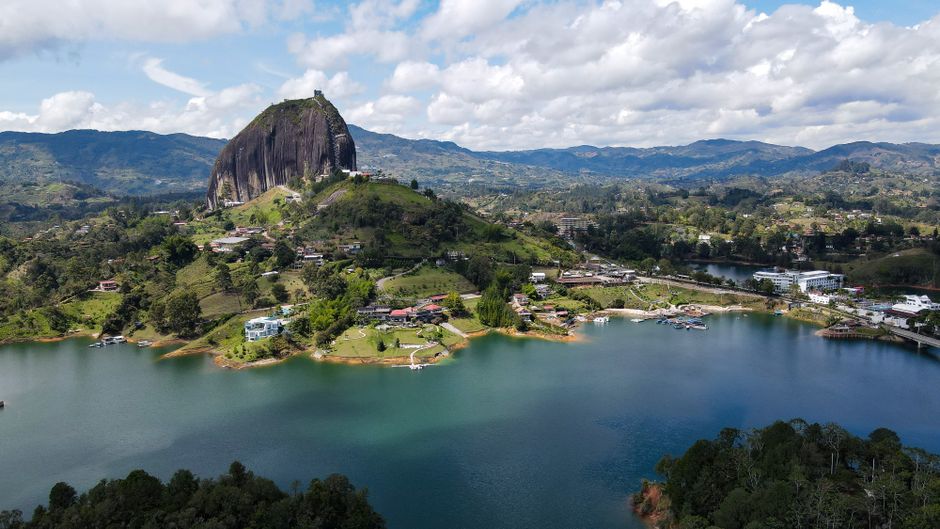
Stunning aerial view of the iconic El Peñol Rock surrounded by lush landsca…, El Chocó, Colombia

