
Dosso, Niger’s Epic History, Hospitality & The Heart of Zarma Culture (2025)
While travelers flock to the dunes of Agadez or the markets of Niamey, the soul of southwestern Niger beats in Dosso. As the capital of the Dosso Region and the traditional seat of the Zarma people, this city of approximately 58,000 offers a profound cultural immersion that feels worlds away from the standard tourist trail. Here, you won’t find souvenir shops, but you will find the living legacy of the Dosso Kingdom, where the rhythm of daily life is set by ancient traditions, warm greetings, and the scent of millet and spices wafting from family compounds. This is where you experience Niger not as a spectacle, but as a participant.
Why Dosso, Niger Stands Out
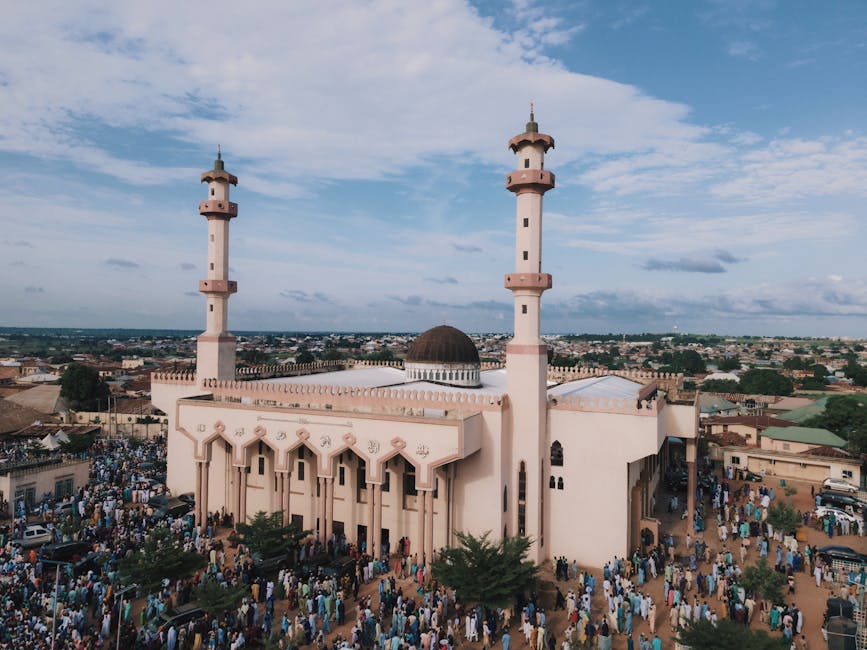
Stunning aerial photograph of a bustling mosque in Nigeria, Dosso, Niger
- Historic Architecture: The Sultan’s Palace (built in the early 20th century) is a stunning example of Sudano-Sahelian mud-brick architecture and remains the active residence of the Zarma traditional ruler.
- Cultural Scene: The annual Gani Festival, a vibrant celebration of Zarma culture featuring horse parades, traditional wrestling (Lutte Traditionnelle), and music, transforms the city every year.
- Local Specialties: You must try “Tô” with “Hakko” – a hearty, flavorful stew of baobab leaves and meat served with a millet or sorghum paste, considered the region’s signature comfort food.
Pro Tip: Plan your visit for the cooler, dry season between November and February. For a truly unique experience, aim to coincide with the Gani Festival (dates vary by the Islamic calendar). Arrive at any major site early in the morning (before 9 AM) to avoid the intense midday heat and have more meaningful interactions with locals.
Map of Dosso, Niger
Use these interactive maps to explore Dosso, Niger and plan your route:
📍 View Dosso, Niger on OpenStreetMap
🗺️ Open Dosso, Niger in Google Maps
Planning Your Trip: Practical Essentials
Getting There and Around
- By Air: The nearest major airport is Diori Hamani International Airport (NIM) in Niamey, about 140km away. From there, you’ll need ground transport. Book flights at Skyscanner for best deals.
- By Train: Niger’s rail network is limited. Your best bet is the road. For regional train travel in West Africa, research connections via Benin. Reserve tickets at Trainline or the national railway website.
- By Car: The drive from Niamey on the RN1 road takes roughly 2-3 hours. Renting a 4×4 with a driver is highly recommended for comfort and navigation. Compare car rentals at RentalCars.com.
- Local Transport: Within Dosso, motorcycle taxis (“kabu-kabu”) are the most common and affordable way to get around, with short trips costing 200-500 CFA. For longer hires, negotiate a price for the day with a car taxi.
Best Time to Visit
Dosso’s climate is typical of the Sahel, with a long, intensely hot dry season and a shorter rainy season. The optimal window for travel is the cool, dry period when temperatures are manageable and dust levels are lower.
| Season | Weather | Highlights |
|---|---|---|
| Cool Dry Season (Nov–Feb) | Pleasant and dry, 18°C – 35°C (64°F – 95°F). Nights can be cool. | Perfect for all outdoor exploration and cultural visits. Peak season for comfort. |
| Hot Dry Season (Mar–May) | Extremely hot and dry, 25°C – 42°C (77°F – 108°F). Harmattan winds possible. | Very challenging heat. Fewer visitors, but outdoor activity is limited to early mornings/late evenings. |
| Rainy Season (Jun–Sep) | Hot and humid with sporadic, heavy rainfall. 23°C – 36°C (73°F – 97°F). | Landscape turns green, but travel can be difficult due to muddy roads and high humidity. Many rural festivals occur. |
Budgeting for Dosso, Niger
Moss-covered stone lanterns line a tranquil forest path in a historic setting., Dosso, Niger
| Category | Budget | Mid-range | Luxury |
|---|---|---|---|
| Accommodation | 8,000 – 15,000 CFA/night (basic auberge) | 20,000 – 35,000 CFA/night (local hotel with AC) | 40,000+ CFA/night (best available hotel in city) |
| Meals | 1,500 – 3,000 CFA (street food, local maquis) | 4,000 – 7,000 CFA (restaurant meal) | 8,000+ CFA (hotel restaurant dining) |
| Transport | 500-1,000 CFA/day (kabu-kabu) | 15,000 – 25,000 CFA/day (hired car taxi) | 40,000+ CFA/day (private 4×4 with driver) |
| Activities | Free (market visits, walking) | 5,000 – 10,000 CFA (guided tour, museum fees) | 15,000+ CFA (private cultural experiences) |
| Daily Total | 10,000 – 20,000 CFA | 45,000 – 70,000 CFA | 100,000+ CFA |
Top Attractions and Must-See Sights
| Attraction | Description | Hours | Entry Fee |
|---|---|---|---|
| Sultan’s Palace (Palais du Zarmakoye) | The magnificent, active residence of the traditional ruler, showcasing iconic Sudano-Sahelian architecture with its distinctive pillars and towers. | Visits by prior arrangement only; best in morning. | Small donation expected (2,000-5,000 CFA) |
| Grand Marché de Dosso | The bustling heart of the city, where you can find everything from vibrant textiles and pottery to spices and local crafts in a lively, authentic setting. | 7:30 AM – 6:00 PM (closed for midday prayer) | Free |
| Musée Régional de Dosso | A small but insightful museum detailing the history of the Dosso Kingdom and the rich cultural heritage of the Zarma and other local ethnic groups. | 8:00 AM – 12:30 PM, 3:30 PM – 5:30 PM (Closed Mon) | ~1,000 CFA |
| Artisanal Center | A cooperative where local artisans create and sell traditional leatherwork, silver jewelry, woven mats, and wooden sculptures, offering direct support to craftspeople. | 8:00 AM – 5:00 PM | Free (purchase items) |
3-Day Itinerary: Dosso, Niger’s Highlights & Hidden Gems
Day 1: Royal Heritage & Market Pulse
- Morning (7:30 AM): Start with a visit to the Sultan’s Palace. Arrange this through your hotel or a local guide the day before. The morning light makes the mud-brick architecture glow. Listen for stories of the Zarmakoye dynasty.
- Afternoon (12:30 PM): Dive into the sensory overload of the Grand Marché. For lunch, look for a small local maquis (eatery) around the market serving Riz Sauce (rice with peanut or tomato sauce) for about 1,500 CFA.
- Evening (6:00 PM): Take a leisurely walk around the city center as the heat dissipates. Enjoy dinner at a local restaurant like Restaurant Le Sahel, trying the grilled fish with fried plantains.
Day 2: Culture, Crafts & Countryside
- Morning (8:30 AM): Visit the Musée Régional de Dosso (1,000 CFA) to contextualize what you’ve seen. Then, head to the Artisanal Center to watch craftsmen at work and perhaps purchase a leather bag or silver bracelet.
- Afternoon (1:00 PM): Hire a kabu-kabu (approx. 3,000 CFA for a few hours) for a short trip to a nearby village like Gollé to see traditional compound life and agriculture. Have a simple lunch of Tô offered by a local family (always offer a polite contribution of 2,000-3,000 CFA).
- Evening (7:00 PM): Experience local evening social life. Your best bet is to ask your guide or hotel to recommend a spot where you can enjoy a sweet Attiéké (fermented cassava) or simply share tea—a ritual that can last hours.
Day 3: Nature & Departure
- Morning (7:00 AM): Take a car taxi (approx. 10,000 CFA round trip) to the Dallol Bosso valley area on the city’s outskirts. This ancient river valley offers a stark, beautiful landscape and a glimpse of pastoral Fulani communities with their cattle.
- Afternoon (12:00 PM): Return to Dosso for a final lunch. Seek out Hakko stew, the local specialty, at a spot like Maquis Chez Fatou near the market.
- Evening (5:00 PM): If your schedule allows, enjoy a final stroll and perhaps a cold drink at a terrace before your onward journey. Savvy travelers know the late afternoon is perfect for photography as the light softens.
Cultural Insights & Etiquette
- Language: French is the official language; Zarma is widely spoken. Key phrases: “Fofo” (Hello in Zarma), “Mate ni go?” (How are you?), “Ai ga ba” (Thank you).
- Customs: Greetings are essential. Always shake hands (using the right hand only) and exchange pleasantries before any business. Asking about family is polite. Public displays of affection are frowned upon.
- Tipping: Not widely expected but appreciated for good service. Round up taxi fares, leave 500-1,000 CFA at restaurants, and consider a 2,000-5,000 CFA tip for a good guide at the end of the day.
- Dress Code: Modesty is key. For both men and women, clothing that covers shoulders and knees is respectful. Loose, lightweight cotton fabrics are most comfortable.
- Business Hours: Government offices: 7:30 AM – 3:30 PM. Shops & markets: 8 AM – 6 PM, with a long break in the heat of the afternoon. Friday is the Muslim holy day, so many things close for midday prayers.
Where to Eat: Dosso, Niger’s Best Bites
Dining in Dosso is about hearty, flavorful staples. You’ll eat communally, often from a shared bowl, using your right hand. The cuisine is based on millet, sorghum, rice, and maize, accompanied by rich, oily sauces with meat, fish, or leafy greens.
Must-Try Local Specialties
- Tô with Hakko: The national dish. Tô is a thick paste of millet or sorghum, served with a savory, slightly tangy stew made from baobab leaves, okra, or peanuts. Best tried in a local family setting or at a simple maquis.
- Brochettes: Skewers of grilled goat, beef, or liver, seasoned with salt and pepper, often sold by street vendors in the evening. A delicious and cheap snack.
- Riz Gras: Literally “fat rice,” this is rice cooked in a rich, tomato-based sauce with meat and vegetables. A filling and ubiquitous plate found in most small restaurants.
Restaurant Recommendations by Budget
| Type | Restaurant | Specialty | Price Range |
|---|---|---|---|
| Budget | Maquis du Marché (at Grand Marché) | Riz Sauce, Brochettes, simple local plates | 1,500 – 3,000 CFA |
| Mid-range | Restaurant Le Sahel (City Center) | Grilled Fish, Chicken, French-inspired dishes | 4,000 – 7,000 CFA |
| Fine dining | Hotel Wadaada Restaurant | The most varied menu in town, including international options in a comfortable setting. | 7,000 – 12,000 CFA |
Where to Stay
Accommodation in Dosso is functional rather than luxurious, focusing on basic comfort and cleanliness. Most hotels are located in the city center, providing easy access to major sites. Compare prices and book at Booking.com or Airbnb for apartments (though options are very limited).
Best Neighborhoods for Accommodation
- City Centre: The most convenient area, close to the market, palace, and main restaurants. You’ll find the majority of hotels here, from basic to the city’s best. It’s lively and perfect for first-time visitors.
- Quartier Administratif: A quieter, more residential area near government buildings. Offers a more local feel but may require short motorcycle taxi rides to reach the central market and sights.

Ancient architecture, Dosso, Niger
FAQs: Your Dosso, Niger Questions Answered
1. Is Dosso, Niger safe at night?
Dosso is generally a peaceful city. Petty crime is low, but standard precautions apply. Avoid walking alone in poorly lit, isolated areas at night. Using a trusted motorcycle taxi (kabu-kabu) for evening transport is your best bet. Always follow local advice regarding current conditions.
2. What currency is used and are credit cards accepted?
The West African CFA Franc (XOF) is the currency. Cash is king in Dosso. Very few establishments accept credit cards. Bring enough CFA francs in smaller denominations from Niamey. There are a limited number of ATMs, so don’t rely on them.
3. How do I get from the airport to Dosso?
You will fly into Niamey (NIM). From there, you need to arrange road transport. The most reliable options are: hiring a private car with a driver (approx. 40,000-60,000 CFA one-way, 2-3 hours), taking a shared bush taxi from Niamey’s main garage (approx. 5,000 CFA per seat), or booking a private transfer in advance. Book airport transfers at GetYourGuide for convenience,

