
Dolomites, Italy’s Essential Peaks, Pastures & Alpine Magic (2025)
Sunrise at 8,000 feet on the Seceda ridgeline reveals a spectacle that feels almost geological: the pale spires of the Dolomites ignite in a fiery, rose-gold glow known as *Enrosadira*. This daily alchemy, caused by the carbonate rock’s unique composition, transforms a 250-million-year-old coral reef into a living canvas. Below, cowbells chime in emerald valleys, and the scent of pine and woodsmoke fills the crisp air. This is not just a mountain range; it’s a UNESCO World Heritage site where Italian *dolce vita* meets raw, alpine grandeur.
Why Dolomites, Italy Stands Out

A church with a steeple and a mountain in the background, Dolomites, Italy
- Historic Architecture: The 13th-century Castelrotto bell tower, with its iconic onion dome and 14th-century clock, stands as a proud symbol of South Tyrol’s unique Austro-Italian heritage.
- Cultural Scene: The centuries-old transhumance tradition, where farmers parade elaborately decorated cattle down from high alpine pastures to valley farms each autumn, is a living folk festival.
- Local Specialties: You must try *Schlutzkrapfen*, delicate half-moon pasta pockets filled with spinach and ricotta, often served with melted butter and Parmesan.
Pro Tip: For the perfect balance of good weather and manageable crowds, target the shoulder seasons: late May to mid-June, or September to early October. You’ll avoid the peak summer hikers and winter skiers, have the famous *via ferratas* mostly to yourself, and witness stunning seasonal changes in the valleys.
Map of Dolomites, Italy
Use these interactive maps to explore Dolomites, Italy and plan your route:
📍 View Dolomites, Italy on OpenStreetMap
🗺️ Open Dolomites, Italy in Google Maps
Planning Your Trip: Practical Essentials
Getting There and Around
- By Air: Innsbruck (INN) in Austria and Venice Marco Polo (VCE) in Italy are the closest major airports. Bolzano (BZO) is a small regional option. From Venice, your best bet is a 2.5-hour drive or a train to Bolzano. Book flights at Skyscanner for best deals.
- By Train: Trenitalia services connect major Italian cities to Bolzano and Brunico. The scenic route from Verona takes about 2 hours. Reserve tickets at Trainline or the national railway website.
- By Car: A car offers unparalleled freedom. The Great Dolomites Road (SS48) is a legendary driving route. Rent a small, powerful car for mountain passes. Winter driving requires snow chains. Compare car rentals at RentalCars.com.
- Local Transport: An excellent network of regional buses (SAD) connects valleys and trailheads. The Mobilcard offers unlimited travel on most buses in a specific area for 3-7 days (approx. €30-€50).
Best Time to Visit
The Dolomites are a year-round destination, but the experience shifts dramatically with the seasons. Summer is for hiking, winter for skiing, and the shoulder months offer serene beauty with fewer visitors.
| Season | Weather | Highlights |
|---|---|---|
| Summer (Jun–Aug) | Sunny, 15-25°C (59-77°F) in valleys; cooler at altitude. Afternoon thunderstorms are common. | Prime hiking, *via ferrata* climbing, alpine meadows in bloom, lively mountain huts. Expect crowds at major sights. |
| Winter (Dec–Feb) | Cold, -5 to 5°C (23-41°F). Reliable snow cover above 1,500m. | World-class skiing in 12 interconnected areas (Dolomiti Superski), Christmas markets, snowshoeing, and cozy *stube* (taverns). |
| Shoulder (Apr–May/Sep–Oct) | Unpredictable; 5-18°C (41-64°F). Can be sunny or snowy at high passes. | Peaceful trails, vibrant autumn larch forests (*golden October*), lower prices, and authentic local atmosphere. |
Budgeting for Dolomites, Italy

A grassy valley with mountains in the background, Dolomites, Italy
| Category | Budget | Mid-range | Luxury |
|---|---|---|---|
| Accommodation | €60-€100/night (hostel, B&B) | €120-€220/night (3-4* hotel, agriturismo) | €300+/night (5* hotel, luxury chalet) |
| Meals | €25/day (hut lunch, picnic, pizza) | €45-€65/day (restaurant lunches & dinners) | €100+/day (gourmet dining) |
| Transport | €10/day (regional bus pass) | €40-€60/day (rental car + fuel) | €100+/day (private driver) |
| Activities | €0-€20 (hiking, village visits) | €30-€80 (cable cars, museum entry, guided walk) | €150+ (private guide, heli-skiing, spa) |
| Daily Total | €95-€150 | €235-€425 | €650+ |
Top Attractions and Must-See Sights
| Attraction | Description | Hours | Entry Fee |
|---|---|---|---|
| Tre Cime di Lavaredo Loop | The iconic 10km hike around the three towering pinnacles, offering some of the most photographed vistas in the Alps. | Trail accessible 24/7; Rifugio Auronzo access road: 7am-7pm (summer) | €30 toll for private car to trailhead; buses cheaper |
| Alpe di Siusi (Seiser Alm) | Europe’s largest high-altitude alpine meadow, a breathtaking plateau perfect for sunrise walks or cycling with panoramic views. | Public access via cable car from 9am; early morning access only for hotel guests | Cable car from Siusi: €20 round-trip |
| Lago di Braies (Pragser Wildsee) | The stunning emerald-green lake framed by the Seekofel massif, famous for its historic boathouse and tranquil walking path. | Lake accessible 24/7; boat rentals 9:30am-5pm | Free; Rowboat rental ~€25/30 mins |
| Val Gardena & Selva | A picturesque valley and town that is a hub for skiing, hiking, and Ladin culture, with incredible access to the Sella Group mountains. | Village accessible 24/7; cable cars typically 8:30am-5pm | Varies by cable car; day pass ~€45-€55 |
3-Day Itinerary: Dolomites, Italy’s Highlights & Hidden Gems
Day 1: Iconic Peaks & Emerald Lakes
- Morning (7:30 AM): Arrive early at Lago di Braies to beat the tour buses. Walk the 4km loop around the lake, and for the classic photo, rent a wooden rowboat from the historic boathouse (opens at 9:30 AM, €25 for 30 min).
- Afternoon (12:30 PM): Drive the Great Dolomites Road towards Cortina. Stop for a hearty lunch of barley soup and *canederli* (bread dumplings) at Baita Piè Tofana. Then, take the Falzarego Pass cable car up to Lagazuoi (€28 round-trip) for a coffee with a 360-degree view of jagged peaks.
- Evening (7:00 PM): Check into a family-run *agriturismo* in Alta Badia. For dinner, savor Ladin specialties like *cajincì* (ravioli) at Restaurant La Siriola or a cozy *stube* in San Cassiano.
Day 2: High Meadows & Ladin Culture
- Morning (6:30 AM – if staying nearby, or 9:00 AM via cable car): Experience Alpe di Siusi at its most magical—sunrise. Walk from Compatsch towards the Saltria area, with the Sciliar massif as your backdrop. If not a hotel guest, take the first cable car from Siusi (€20 round-trip).
- Afternoon (1:00 PM): Drive to Ortisei in Val Gardena. Visit the Museum de Gherdëina to learn about the unique Ladin language and woodcarving tradition. For lunch, try a *Schlutzkrapfen* platter at Café Cherché.
- Evening (5:30 PM): Take the Seceda cable car from Ortisei (€35 round-trip) for late afternoon light on the incredible, knife-edge ridgeline. Descend for a relaxed dinner at a *buschenschank* (farm tavern) like Ansitz Plantitscherhof for local wine and cold cuts.
Day 3: Historic Cliffs & Mountain Huts
- Morning (8:00 AM): Drive to the Tre Cime di Lavaredo loop trailhead at Rifugio Auronzo (€30 toll). Start the 3-4 hour hike counter-clockwise. Your key stop is Rifugio Locatelli for a strudel with a front-row seat of the three peaks.
- Afternoon (1:00 PM): Continue the loop hike. For a detour with history, take the short path to see the WWI tunnels and positions at Monte Paterno. Finish the hike and drive to the charming village of Dobbiaco.
- Evening (7:00 PM): Enjoy a final farewell dinner at a traditional *gasthof* like Gasthof Eggerwirt, ordering *speckknödelsuppe* (smoked ham dumpling soup) and a local Lagrein red wine. Reflect on the epic landscapes you’ve traversed.
Cultural Insights & Etiquette
- Language: German and Italian are both official. Ladin is spoken in Gardena and Badia valleys. Basic phrases like “*Grüß Gott*” (hello), “*Bitte*” (please), and “*Grazie*” (thank you) are appreciated.
- Customs: The South Tyrol region has a strong Austrian influence. Punctuality is valued. When entering a small shop or mountain hut, a polite greeting is customary.
- Tipping: Rounding up the bill or leaving 5-10% in restaurants is standard for good service. Not mandatory, but appreciated.
- Dress Code: Mountain-ready and practical. Even in summer, pack layers. For dining in nicer restaurants, smart-casual attire is fine—no need for formal wear.
- Business Hours: Shops typically open 8:30am-12:30pm and 3:00pm-7:00pm, closed Sunday. Mountain huts (*rifugi*) serve food from about 9am until late afternoon.
Where to Eat: Dolomites, Italy’s Best Bites
Dining here is a hearty fusion of Tyrolean robustness and Italian refinement. You’ll find everything from Michelin-starred temples to rustic farm tables. The true soul of the cuisine lies in the *rifugi* (mountain huts) and *buschenschank* (seasonal farm taverns).
Must-Try Local Specialties
- Speck: The region’s famous juniper-smoked, air-dried ham. Try it on a platter at a wine bar like Pur Südtirol in Bolzano.
- Knödel/Canederli: Savory bread dumplings, served in broth (*in brodo*) or as a main with sauce. Find superb versions at Malga Panna in Alpe di Siusi.
- Strudel: The South Tyrolean apple strudel, often served with vanilla sauce. A perfect reward after a hike at any mountain hut, like Rifugio Scoiattoli.
Restaurant Recommendations by Budget
| Type | Restaurant | Specialty | Price Range |
|---|---|---|---|
| Budget | Pizzeria El Bronsin (Ortisei) | Wood-fired pizzas and pasta in a lively setting | €10-€20 |
| Mid-range | Restaurant Tirler (Alpe di Siusi) | Refined Tyrolean cuisine with stunning meadow views | €30-€50 |
| Fine dining | St. Hubertus (San Cassiano) | Three-Michelin-starred tasting menu by Chef Norbert Niederkofler | €250+ |
Where to Stay
Your base defines your Dolomites experience. Val Gardena and Alta Badia are ideal for hikers and skiers with central cable car access. Val di Funes offers postcard-perfect tranquility. Cortina d’Ampezzo provides glamour and history. Compare prices and book at Booking.com or Airbnb for apartments.
Best Neighborhoods for Accommodation
- Val Gardena (Ortisei, Selva): Bustling, well-equipped towns with superb lift access to the Sella Ronda ski circuit and Seceda hikes. Perfect for active travelers wanting convenience.
- Alta Badia (Corvara, San Cassiano): The heart of Ladin culture, with a mix of luxury hotels and charming B&Bs. Offers fantastic food and direct access to the Lagazuoi and Sella massifs.
- Val di Funes: A serene, pastoral valley famous for the Santa Maddalena church view. Ideal for photographers and those seeking quiet, with driving required to reach major trailheads.

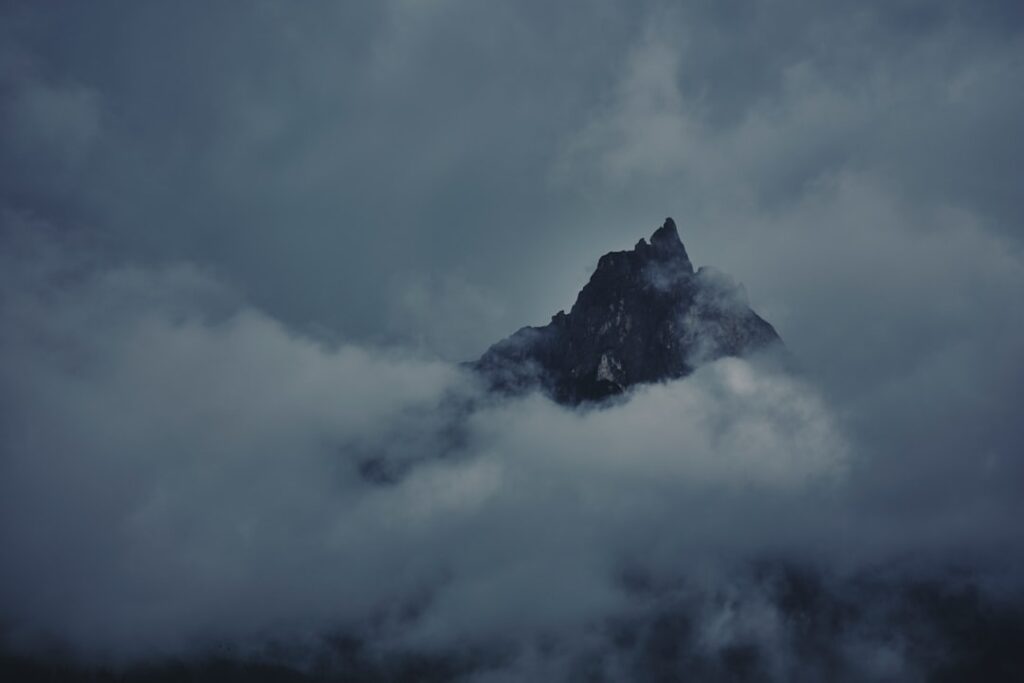
A black and white photo of mountains and clouds, Dolomites, Italy
FAQs: Your Dolomites, Italy Questions Answered
1. Is Dolomites, Italy safe at night?
Extremely safe. Crime rates are very low in the mountain villages and valleys. The primary safety considerations are related to the environment: always check weather forecasts before hiking, stay on marked trails, and be prepared for rapidly changing mountain conditions.
2. What currency is used and are credit cards accepted?
The Euro (€) is used. Credit and debit cards (Visa, MasterCard) are widely accepted in hotels, restaurants, and larger shops. However, it’s wise to carry some cash for small purchases at mountain huts, parking meters, or at farmers’ markets.
3. How do I get from the airport to the Dolomites?
From Venice Marco Polo (VCE), the most flexible option is a rental

