
Dogon Country, Mali: Hidden Ancient Architecture, Star Lore & Cliffside Villages (2025)
Sunrise over the Bandiagara Escarpment reveals 400 million years of geological history carved into 150 kilometers of sandstone cliffs. The morning call to prayer echoes between ancient dwellings where Dogon families have maintained their unique cosmology for 800 years. While most travelers head to Timbuktu, fewer than 5,000 international visitors annually experience this UNESCO World Heritage site where traditional mud architecture meets living astronomical traditions that predate modern telescopes.
Why Dogon Country, Mali Stands Out

Three horses on brown field during daytime, Dogon Country, Mali
- Historic Architecture: The 15th-century Tellem cave dwellings built into sheer cliff faces demonstrate ingenious adaptation to harsh environments.
- Cultural Scene: The Sigui ceremony, held only every 60 years, features elaborate Dama masks and represents the renewal of the world.
- Local Specialties: Don’t miss tô, a sorghum-based staple served with baobab leaf sauce that fuels local farmers.
Pro Tip: Visit between November and February when temperatures hover around 25°C – the perfect conditions for hiking between villages. Arrive in villages before 8 AM to catch the morning markets at their most vibrant and avoid the midday heat during your explorations.
Map of Dogon Country, Mali
Use these interactive maps to explore Dogon Country, Mali and plan your route:
📍 View Dogon Country, Mali on OpenStreetMap
🗺️ Open Dogon Country, Mali in Google Maps
Planning Your Trip: Practical Essentials
Getting There and Around
- By Air: Fly into Mopti Airport (MZI) via Bamako, then take a 2-hour 4×4 transfer to the escarpment. Book flights at Skyscanner for best deals.
- By Train: No direct rail service exists, but the Bamako-Dakar line connects to road transport options. Reserve tickets at Trainline or the national railway website.
- By Car: 4×4 vehicles are essential for the rugged terrain; hire with experienced local drivers who know the unpaved routes. Compare car rentals at RentalCars.com.
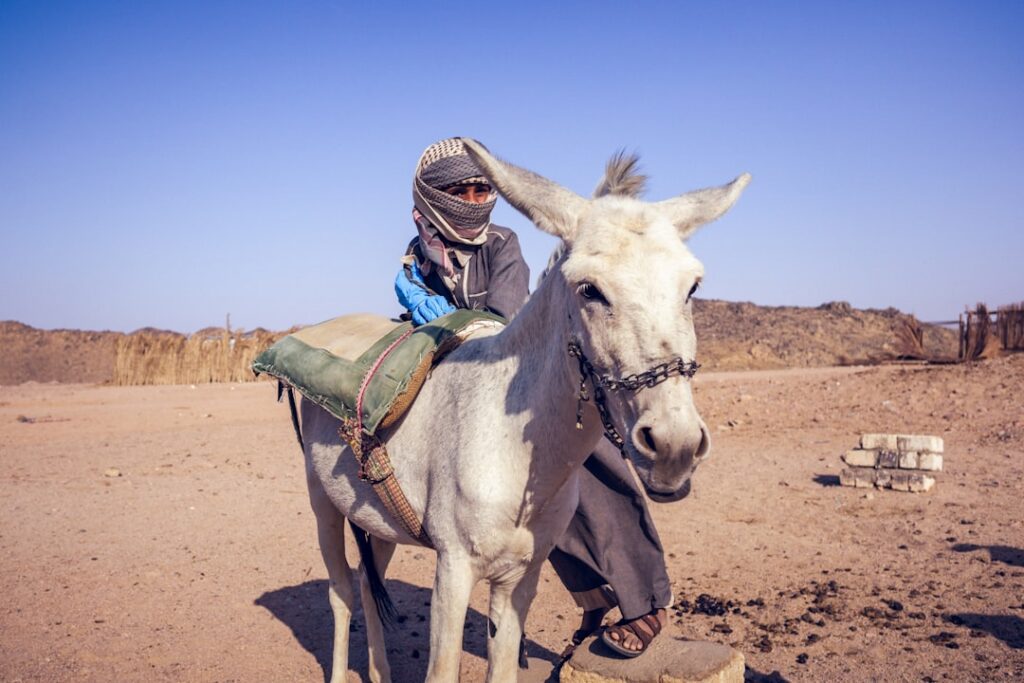
- Local Transport: Donkey carts transport goods between villages, while guided hiking remains the primary way to explore the cliffside settlements.
Best Time to Visit
The dry season offers ideal hiking conditions, while the rainy season transforms the landscape but makes travel challenging.
| Season | Weather | Highlights |
|---|---|---|
| Summer (Jun–Aug) | 30-40°C with monsoon rains | Lush green landscapes but difficult trekking conditions |
| Winter (Dec–Feb) | 20-30°C, dry and sunny | Perfect hiking weather, clear skies for stargazing |
| Shoulder (Apr–May/Sep–Oct) | 25-35°C, transitioning seasons | Fewer visitors, harvest festivals, manageable temperatures |
Budgeting for Dogon Country, Mali

A yellow field with a train in the distance, Dogon Country, Mali
| Category | Budget | Mid-range | Luxury |
|---|---|---|---|
| Accommodation | $15-25/night (basic auberge) | $40-60/night (comfortable lodge) | $100+/night (full-service camp) |
| Meals | $5-8/day (local eateries) | $15-25/day (lodge restaurants) | $40+/day (private chef) |
| Transport | $10/day (shared vehicle) | $30/day (private 4×4) | $80+/day (premium vehicle with driver) |
| Activities | $15/day (self-guided hikes) | $40/day (guided tours) | $100+/day (private cultural experiences) |
| Daily Total | $45-60 | $125-170 | $320+ |
Top Attractions and Must-See Sights
| Attraction | Description | Hours | Entry Fee |
|---|---|---|---|
| Bandiagara Escarpment | 150km sandstone cliff with ancient dwellings and stunning views | Sunrise to sunset | $10 (guide mandatory) |
| Dogon Village of Sanga | Traditional mud architecture and active cultural center | 8 AM-6 PM | $5 village fee |
| Tellem Caves | Pre-Dogon cliff dwellings dating to 11th century | 9 AM-5 PM | $8 with guide |
| Dogon Mask Museum | Collection of ceremonial masks used in Dama rituals | 10 AM-4 PM | $3 |
3-Day Itinerary: Dogon Country, Mali’s Highlights & Hidden Gems
Day 1: Cliffside Villages & Ancient Dwellings
- Morning: 7 AM start for the hike from Kani Kombole to Teli, reaching the 11th-century Tellem caves by 9 AM when the light perfectly illuminates the ancient granaries.
- Afternoon: 12 PM descent to Ende village for lunch at Auberge La Falaise (their chicken yassa is legendary) followed by exploring the active mosque and traditional blacksmith quarter.
- Evening: 6 PM astronomy discussion with local guides at Campement Bongo, learning how Dogon star knowledge predates Western discovery of Sirius B.
Day 2: Cultural Immersion & Market Life
- Morning: 6:30 AM market visit in Sangha ($2 entrance) watching women trade hand-woven textiles and medicinal herbs – the best selection disappears by 8 AM.
- Afternoon: 1 PM demonstration of indigo dyeing techniques at the women’s cooperative followed by lunch at Restaurant Le Dogon (try their millet beer).
- Evening: 7 PM traditional music performance at Campement Kansombole featuring the distinctive sounds of the djembe and tama talking drum.
Day 3: Sacred Sites & Panoramic Views
- Morning: 7 AM 4×4 transfer to the base of the Hombori Tondo ($15 round trip) for a moderate 2-hour hike to Mali’s highest point with breathtaking escarpment views.
- Afternoon: 12 PM visit to the sacred crocodile pond in Begnemato followed by lunch at Auberge Tanga (their peanut sauce with rice is exceptional).
- Evening: 5:30 PM sunset viewing from the Songo rock art site featuring ancient circumcision ritual carvings dating to the 15th century.
Cultural Insights & Etiquette
- Language: Learn “i ni ce” (hello), “i ni ba” (good morning), and “a ja” (thank you) in Dogon; French is useful for dealing with officials
- Customs: Always ask permission before photographing people; remove shoes before entering homes; use right hand for eating and greetings
- Tipping: Guides expect $5-10 per day; restaurant tipping isn’t customary but appreciated for exceptional service
- Dress Code: Modest clothing covering shoulders and knees; lightweight natural fabrics for the heat; sturdy hiking shoes essential
- Business Hours: Shops open 8 AM-1 PM and 4-6 PM; everything closes Friday noon-2 PM for prayers; limited Sunday operations
Where to Eat: Dogon Country, Mali’s Best Bites
Dogon cuisine centers around millet, sorghum, and locally grown vegetables, with communal eating being an important social tradition. Most meals are served in large shared bowls.
Must-Try Local Specialties
- Tô with Baobab Leaf Sauce: The staple food of millet paste dipped in vitamin-rich green sauce; best at family-run auberges in Kani Kombole
- Chicken Yassa: Marinated chicken with onions and lemon; Restaurant La Case in Sangha makes an exceptional version
- Bissap Juice: Refreshing hibiscus drink sweetened with local honey; available at every market and roadside stand
Restaurant Recommendations by Budget
| Type | Restaurant | Specialty | Price Range |
|---|---|---|---|
| Budget | Auberge Le Campement (Sangha) | Traditional tô with communal dining | $3-5 per meal |
| Mid-range | Restaurant La Falaise (Ende) | Grilled fish with attiéké | $8-12 per meal |
| Fine dining | Hotel Campement Bongo (Douentza) | French-Malian fusion with local ingredients | $15-25 per meal |
Where to Stay
Accommodation ranges from basic auberges in traditional mud buildings to more comfortable lodges with modern amenities. Most places include meals in their rates. Compare prices and book at Booking.com or Airbnb for apartments.
Best Neighborhoods for Accommodation
- Sangha: The cultural heart with multiple villages, ideal for first-time visitors wanting maximum accessibility to sites
- Bandiagara: Gateway town with better infrastructure, perfect for those wanting comfort while taking day trips
- Remote Villages (Teli, Ende): Authentic experience in traditional dwellings, best for adventurous travelers seeking immersion

A bicycle parked in a field, Dogon Country, Mali
FAQs: Your Dogon Country, Mali Questions Answered
1. Is Dogon Country, Mali safe at night?
Villages are generally safe after dark, but you’ll want a flashlight for uneven paths and should avoid wandering alone in unfamiliar areas. Most evening activities happen within accommodation compounds or with guides.
2. What currency is used and are credit cards accepted?
The West African CFA franc (XOF) is the local currency. Cash is essential everywhere – bring sufficient amounts as ATMs are nonexistent outside major towns. Credit cards are only accepted at a few high-end hotels in Bandiagara.
3. How do I get from the airport to the escarpment?
From Mopti Airport, pre-arranged 4×4 transfers cost $50-80 for the 2-hour journey. Shared taxis are cheaper ($15 per person) but less reliable. Book airport transfers at GetYourGuide for convenience.
4. Do I need to speak the local language?
While French is helpful for dealing with officials, most guides speak basic English. Learning a few Dogon greetings will earn you warm welcomes in villages where tourism hasn’t diluted traditional hospitality.
5. What’s the appropriate dress code?
Lightweight, loose-fitting clothing that covers shoulders and knees shows respect in this conservative Muslim region. Sturdy hiking boots are essential for the rocky terrain, and a wide-brimmed hat protects against the intense sun.
Final Thoughts: Dogon Country, Mali Awaits
Dogon Country offers one of West Africa’s most profound travel experiences, where ancient traditions continue to shape daily life against a backdrop of breathtaking geology. Unlike many cultural destinations that feel preserved for tourists, this remains a living landscape where architecture, astronomy, and agriculture intertwine seamlessly. Travelers often discover that the most memorable moments happen unexpectedly – sharing tea with a village elder, watching children play in centuries-old granaries, or simply sitting silently as the stars emerge over the escarpment. For your final evening, ask your guide about the lesser-known viewpoint above Nombori village, where the sunset paints the entire cliff face in shades of gold and crimson – a fitting farewell to this extraordinary corner of Mali.

