
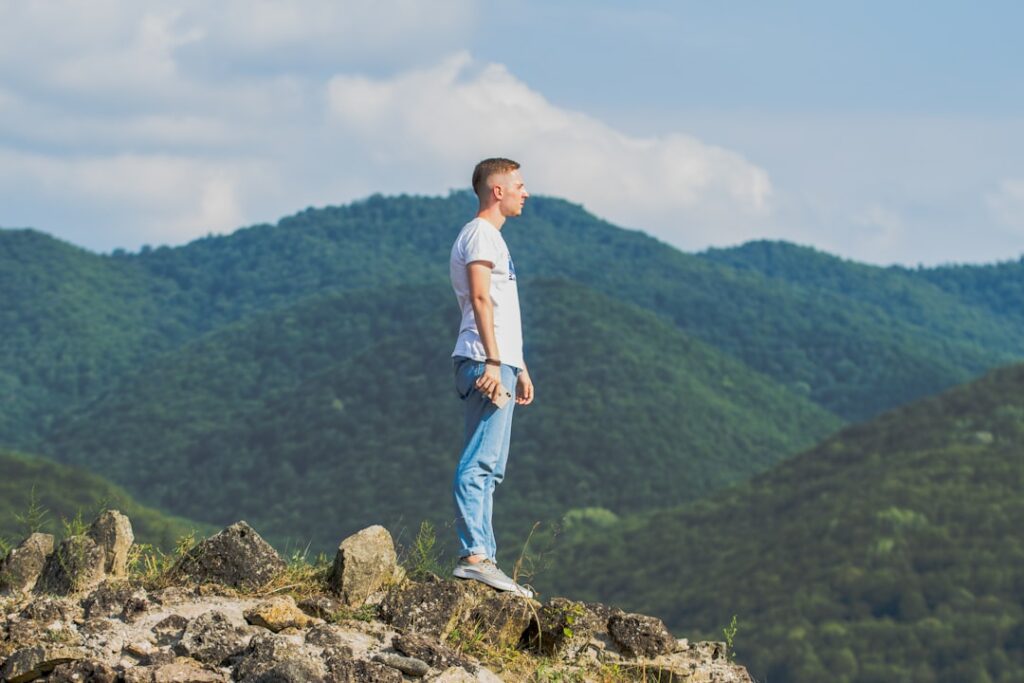
Dmanisi, Georgia’s Ultimate Fossils, Fortresses & Rustic Charm (2026)
While crowds flock to Tbilisi’s Narikala Fortress, Dmanisi, Georgia delivers a journey 1.8 million years into the past without the queues. Here, on a windswept plateau, you don’t just see history—you stand at the very spot where the earliest human remains outside Africa were discovered, rewriting the story of our species’ migration. This small town offers a profound, quiet encounter with the dawn of humanity, framed by the ruins of a medieval citadel and the rolling Kvemo Kartli hills.
Why Dmanisi, Georgia Stands Out

A grassy field with hay bales in the distance, Dmanisi, Georgia
- Historic Architecture: The 9th-century Dmanisi Sioni Cathedral, a cruciform-dome church, stands resiliently within the fortress complex, showcasing early Georgian ecclesiastical architecture.
- Cultural Scene: The annual local harvest festival in late September, a vibrant display of traditional music, polyphonic singing, and toasts with homemade wine that few outsiders witness.
- Local Specialties: You must try *Mtsvadi* (Georgian barbecue) made with locally raised lamb, grilled over grapevine cuttings for a uniquely smoky, sweet flavor.
Pro Tip: Visit on a weekday morning before 11 AM. You’ll have the monumental archaeological site almost to yourself, and the light is perfect for photography across the ruins. Avoid Mondays, as the museum is typically closed.
Map of Dmanisi, Georgia
Use these interactive maps to explore Dmanisi, Georgia and plan your route:
📍 View Dmanisi, Georgia on OpenStreetMap
🗺️ Open Dmanisi, Georgia in Google Maps
Planning Your Trip: Practical Essentials
Getting There and Around
- By Air: Fly into Tbilisi International Airport (TBS), 85km away. Georgian Airways and many European carriers serve it. Your best bet is to pre-book a private transfer (approx. 80 GEL) or rent a car. Book flights at Skyscanner for best deals.
- By Train: No direct train to Dmanisi town. The nearest major rail hub is in Tbilisi. From there, marshrutkas (minibuses) or a taxi are necessary. Reserve tickets at Trainline or the national railway website.
- By Car: The drive from Tbilisi takes about 1.5 hours via the E117. Roads are decent. Parking at the archaeological site is free and easy. Compare car rentals at RentalCars.com.
- Local Transport: Within the town, everything is walkable. To reach the archaeological site (4km from town center), a local taxi costs 5-7 GEL. There’s no formal public bus schedule to the site.
Best Time to Visit
The ideal window is late spring through early autumn, when the weather is mild and the landscape is green or golden. Winters can be harsh and snowy, limiting access and comfort.
| Season | Weather | Highlights |
|---|---|---|
| Summer (Jun–Aug) | Warm, 22-30°C (72-86°F), dry and sunny | Perfect for exploring ruins all day; vibrant local life in town; occasional cultural events. |
| Winter (Dec–Feb) | Cold, -2 to 5°C (28-41°F), potential for snow | Dramatic, moody atmosphere at the fortress; very few tourists; indoor museum focus. |
| Shoulder (Apr–May/Sep–Oct) | Mild, 12-22°C (54-72°F), pleasant | Best overall conditions; wildflowers in spring, harvest colors in fall; ideal for hiking and photography. |
Budgeting for Dmanisi, Georgia

A serene landscape featuring a historic church against the backdrop of the …, Dmanisi, Georgia
| Category | Budget | Mid-range | Luxury |
|---|---|---|---|
| Accommodation | Guesthouse: 80-120 GEL/night | Local Hotel/B&B: 150-220 GEL/night | Private Villa/Rural Estate: 300+ GEL/night |
| Meals | Local bakery/street food: 15-25 GEL | Taverna lunch/dinner: 30-50 GEL | Multi-course feast with wine: 80+ GEL |
| Transport | Marshrutka from Tbilisi: 10 GEL, local taxi: 5-7 GEL | Rental car: ~80 GEL/day, private taxi from Tbilisi: ~80 GEL | Private driver/guide for day: 200+ GEL |
| Activities | Site & Museum entry: 15 GEL | Guided site tour: +30 GEL | Full-day private archaeology tour with expert: 400+ GEL |
| Daily Total | 110-160 GEL | 270-370 GEL | 600+ GEL |
Top Attractions and Must-See Sights
| Attraction | Description | Hours | Entry Fee |
|---|---|---|---|
| Dmanisi Archaeological Site | The groundbreaking hominin excavation site where skulls of *Homo georgicus*, dated to 1.8 million years, were found. | 10:00 – 18:00 (Tue-Sun) | 15 GEL (includes museum) |
| Dmanisi Historical Museum | Houses the original skull replicas, ancient tools, and artifacts from both the paleolithic and medieval periods, telling a dual-layered story. | 10:00 – 18:00 (Tue-Sun) | Included with site ticket |
| Dmanisi Fortress & Medieval Town | Sprawling ruins of a 6th-14th century city, with defensive walls, secret tunnels, baths, and the Sioni Cathedral. | Open access (daylight hours) | Free |
| Patara Dmanisi (Little Dmanisi) Viewpoint | A short hike from the main site offering a breathtaking panoramic view of the entire Mashavera River valley and fortress complex. | Open access | Free |
3-Day Itinerary: Dmanisi, Georgia’s Highlights & Hidden Gems
Day 1: Dawn of Humanity & Medieval Walls
- Morning (9:00 AM): Arrive at the Dmanisi Archaeological Site. First, explore the open-air excavation area with its marked dig pits—stand where the famous Skull 5 was discovered. The quiet here is profound.
- Afternoon (1:00 PM): Head to the on-site **Dmanisi Historical Museum** for context. Then, walk into the adjacent **Medieval Fortress**. Get lost among the ancient streets, cellars, and the serene Sioni Cathedral. For lunch, drive to **Restaurant Dmanisi** in town for *Khinkali* and a bean stew (*Lobio*).
- Evening (6:30 PM): Take the 20-minute walk up to the **Patara Dmanisi Viewpoint** for sunset over the valley. Dinner at a local guesthouse like **Guesthouse Lela**, where the host typically prepares a family-style *Mtsvadi* feast.
Day 2: Rural Life & Cultural Depths
- Morning (8:30 AM): Visit the **local market** in Dmanisi town to see seasonal produce and homemade cheeses. Then, take a short taxi ride (10 GEL) to a nearby village like **Gantiadi** to see traditional Georgian rural life.
- Afternoon (12:30 PM): Enjoy a home-cooked lunch arranged through your guesthouse, perhaps learning to make *Churchkhela* (walnut strings in grape must). Afterwards, visit the small but poignant **Local History Museum** in town for insights into 19th-20th century regional life.
- Evening (7:00 PM): Join a **supra** (traditional feast) if one can be arranged. If not, dine at **Cafe-Restaurant Oasis** for hearty Georgian standards and a chance to chat with friendly locals over a glass of *Chacha* (grape brandy).
Day 3: Scenic Exploration & Departure
- Morning (9:00 AM): Hire a local driver (approx. 100 GEL) for a half-day trip to the stunning **Dashbashi Canyon**, 40 minutes away. Walk along the cliffs and admire the waterfalls and striking mineral formations.
- Afternoon (1:00 PM): Have a picnic lunch at the canyon or return to Dmanisi for a final meal at **Cafe Tiflis**. Pick up some local honey and spices from the market as souvenirs.
- Evening (4:00 PM): Make your way back to Tbilisi or towards your next destination, with a final, memorable view of the fortress ruins standing sentinel on the hill.
Cultural Insights & Etiquette
- Language: Georgian is the official language. Learn “Gamarjoba” (Hello), “Madloba” (Thank you), and “Gaumarjos!” (Cheers!). Basic English is understood at the museum and main hotels, but not widely elsewhere.
- Customs: The *supra* (feast) is sacred. The *Tamada* (toastmaster) leads structured toasts; listen respectfully and drink when toasted (sipping is acceptable). Always accept offered food or drink—it’s a sign of hospitality.
- Tipping: Not mandatory but appreciated. Round up the bill in taxis. In restaurants, 5-10% is generous for good service.
- Dress Code: Modest dress is advised, especially when visiting churches (covered shoulders, knees for all). At the archaeological site, wear sturdy, comfortable shoes for uneven terrain.
- Business Hours: Shops typically open 10 AM-6 PM. Many smaller businesses may close for a long lunch (2-4 PM). Sunday is quiet. Major holidays like Easter and Christmas (Orthodox dates) see closures.
Where to Eat: Dmanisi, Georgia’s Best Bites
Dining in Dmanisi is about hearty, home-style Georgian cuisine. You won’t find fine dining, but you will find exceptional hospitality and flavors cooked from family recipes. Most places are casual tavernas or guesthouse kitchens.
Must-Try Local Specialties
- Dmanisi Mtsvadi: Lamb skewers, distinct for being grilled over grapevine embers. Best tried at a guesthouse dinner or during a local festival.
- Shotis Puri: The iconic canoe-shaped bread baked in a deep clay oven (*tone*). Grab it fresh from any local bakery in the morning.
- Tushuri Kveli: A salty, aged cheese from the Tusheti region, often served as a starter with bread and fresh herbs. Available in markets and most restaurants.
Restaurant Recommendations by Budget
| Type | Restaurant | Specialty | Price Range |
|---|---|---|---|
| Budget | Cafe Tiflis (Town Center) | Quick, delicious *Khachapuri* (cheese bread) and soups | 10-20 GEL |
| Mid-range | Restaurant Dmanisi (Near central square) | Full Georgian menu; reliable *Khinkali* and grilled meats | 25-45 GEL |
| Fine dining | Guesthouse Lela (Pre-arranged feast) | Multi-course *supra* with homemade wine and storytelling | 60-80 GEL per person |
Where to Stay
Accommodation is mostly in family-run guesthouses or small local hotels, offering authentic hospitality. Staying in town is convenient, while rural guesthouses offer more tranquility. Compare prices and book at Booking.com or Airbnb for apartments.
Best Neighborhoods for Accommodation
- Dmanisi Town Center: Walking distance to shops and cafes; easy to find taxis to the site. Perfect for travelers relying on public transport or short stays.
- Near the Archaeological Site: A few guesthouses are within a 1-2km radius. Offers stunning views and immediate access to the ruins for early morning or late evening walks.
- Surrounding Villages (e.g., Gantiadi): For a deep rural immersion. You’ll need your own transport, but the peace, home-cooked meals, and connection with nature are unparalleled.

A woman sits at the Chronicle of Georgia monument in Tbilisi with a blue sk…, Dmanisi, Georgia
FAQs: Your Dmanisi, Georgia Questions Answered
1. Is Dmanisi, Georgia safe at night?
Yes, Dmanisi is generally very safe. The town is small and community-oriented. As always, exercise normal precautions: stick to well-lit areas and be aware of your surroundings, but violent crime is extremely rare. The biggest hazard at the archaeological site at night is the uneven ground.
2. What currency is used and are credit cards accepted?
The Georgian Lari (GEL) is the currency. As of late 2023, 1 USD ≈ 2.65 GEL. Credit/debit cards are accepted at the museum ticket office and some larger restaurants in town, but cash is king for taxis, markets, and most guesthouses. Your best bet is to withdraw cash from an ATM in Tbilisi before arriving.
3. How do I get from the airport to Dmanisi?
From Tbilisi Airport (TBS), you have three main options: a pre-booked private transfer (most convenient, ~80-100 GEL), a rental car (~80 GEL/day), or a taxi to the Didube bus station in Tbilisi followed by a marshrutka to Dmanisi (total ~25 GEL, but time-consuming). Book airport transfers at GetYourGuide for convenience.
4. Do I need to speak the local language?
No, but it helps immensely. English is limited to key tourist points. Learning a few Georgian phrases will delight locals. Have Google Translate downloaded offline, and consider hiring a guide for the archaeological site to fully appreciate its significance.
5. What’s the appropriate dress code?
Comfortable, casual, and modest. For the archaeological site and fortress, wear sturdy walking shoes, a hat, and sunscreen. For visiting the Sioni Cathedral, ensure shoulders and knees are covered. Evenings can be cool, so a light jacket is advisable most of the year.
Final Thoughts: Dmanisi, Georgia Awaits
Dmanisi is not a destination of luxury resorts or buzzing nightlife. It is a place of quiet, profound resonance. Here, you trace

