
Djanet, Algeria’s Essential Rock Art, Starry Nights & Saharan Silence (2025)
Sunset in Djanet reveals a landscape that feels more Martian than terrestrial. As the last light bleeds across the Tassili n’Ajjer plateau, the temperature plummets 20 degrees, and the silence becomes so profound you can hear your own heartbeat. This remote oasis, a 2-hour flight south of Algiers, guards the world’s greatest open-air art gallery—over 15,000 prehistoric rock carvings and paintings scattered across a sandstone labyrinth the size of Switzerland.
Why Djanet, Algeria Stands Out

A rocky outcropping in the middle of a desert, Djanet, Algeria
- Historic Architecture: The ancient Ksar of Djanet, a fortified mud-brick village dating to the 13th century, showcases ingenious Saharan Berber design built for extreme desert living.
- Cultural Scene: The annual Sebeiba festival, a UNESCO-recognized Tuareg celebration of peace with traditional sword dances and polyphonic chants, transforms the oasis for nine days each autumn.
- Local Specialties: You must try taguella, a traditional bread baked directly in the desert sand and served with a rich, slow-cooked goat or lamb stew called méchoui.
Pro Tip: The absolute best time for trekking is October to early November. The brutal summer heat has passed, the winter chill hasn’t set in, and you’ll have the surreal landscapes virtually to yourself before the small peak season begins. Aim for a new moon to witness the staggering, unpolluted Milky Way.
Map of Djanet, Algeria
Use these interactive maps to explore Djanet, Algeria and plan your route:
📍 View Djanet, Algeria on OpenStreetMap
🗺️ Open Djanet, Algeria in Google Maps
Planning Your Trip: Practical Essentials
Getting There and Around
- By Air: Djanet Inedbirene Airport (DJG) is your gateway, served by Air Algérie from Algiers (2-hour flight, ~3 weekly). A pre-arranged 4×4 transfer to town (20 mins) is essential. Book flights at Skyscanner for best deals.
- By Train: No rail service reaches this deep into the Sahara. All journeys to Djanet originate by air or by a multi-day 4×4 expedition from cities like Tamanrasset.
- By Car: Self-driving is not recommended for foreigners due to complex permits, security checkpoints, and extreme off-road conditions. Your best bet is hiring a vehicle with a licensed driver/guide through a tour agency. Compare car rentals at RentalCars.com for other parts of Algeria.
- Local Transport: Within the oasis, walking is fine. For all excursions into the Tassili, travel is exclusively by pre-arranged 4×4 convoy with a mandatory guide. There is no public transport into the national park.
Best Time to Visit
Timing is everything in the deep Sahara. You’re balancing scorching heat, freezing nights, and rare rainfall to find the perfect window for exploration.
| Season | Weather | Highlights |
|---|---|---|
| Summer (Jun–Aug) | Extremely hot (40-48°C / 104-118°F), intense sun, minimal tourism. | Only for the most heat-tolerant; some lodges close. Stark, empty landscapes. |
| Winter (Dec–Feb) | Cold days (15-20°C / 59-68°F), freezing nights (can drop below 0°C/32°F). | Crisp, clear skies ideal for photography. Requires serious cold-weather camping gear. |
| Shoulder (Apr–May/Sep–Oct) | Ideal (25-35°C / 77-95°F days, cool nights). Best for trekking. | Perfect temperatures, optimal conditions for multi-day camel or 4×4 safaris into the Tassili. |
Budgeting for Djanet, Algeria

A road sign in the middle of a desert, Djanet, Algeria
| Category | Budget | Mid-range | Luxury |
|---|---|---|---|
| Accommodation | Simple auberge: 4,000-6,000 DZD/night (~$30-$45) | Comfortable desert lodge: 8,000-12,000 DZD/night (~$60-$90) | All-inclusive guided safari camp: 25,000+ DZD/night (~$185+) |
| Meals | Local eateries, taguella: 1,000-1,500 DZD (~$7-$11) | Lodge restaurant meals: 2,000-3,500 DZD (~$15-$26) | Private cook on safari: Included in tour price |
| Transport | Shared 4×4 for park trips: ~5,000 DZD/day (~$37) | Private 4×4 & guide: 12,000-18,000 DZD/day (~$90-$135) | Full custom safari convoy: 30,000+ DZD/day (~$220+) |
| Activities | Guided day hike: 3,000 DZD (~$22) | 3-day/2-night Tassili tour: 40,000-60,000 DZD (~$300-$450) | 7-day bespoke art & culture expedition: 150,000+ DZD (~$1,100+) |
| Daily Total | ~13,000 DZD (~$95) | ~30,000 DZD (~$220) | 70,000+ DZD (~$515+) |
Top Attractions and Must-See Sights
| Attraction | Description | Hours | Entry Fee |
|---|---|---|---|
| Tassili n’Ajjer National Park (UNESCO) | A vast sandstone plateau of eroded rock forests holding Neolithic “Round Head” paintings and wildlife carvings over 10,000 years old. | Access with guide only; day trips start 7 AM | Park fee: ~1,500 DZD (~$11) + mandatory guide fee |
| The “Crying Cows” of Tin Tazarift | One of the park’s most famous panels, depicting detailed pastoral scenes with what appear to be tears streaming from the animals. | Reachable on multi-day trek | Included in guided tour cost |
| Djanet Oasis & Old Ksar | Wander the palm groves and the crumbling, ancient mud-brick fortifications of the original settlement, a lesson in Saharan survival. | Always accessible | Free |
| Moul n’Aga Plateau | A closer site for stunning rock art, including the famous “Swimming People” figures, suggesting a once-green Sahara. | Day trip from Djanet (1 hr drive) | ~1,000 DZD (~$7) + guide |
3-Day Itinerary: Djanet, Algeria’s Highlights & Hidden Gems
Day 1: Oasis Immersion & Ancient Art
- Morning (7-9 AM): Start early with a guided walk through the Djanet Oasis palm groves. Your guide will explain the traditional *foggara* irrigation system. Visit the old Ksar and its mosque.
- Afternoon (12-3 PM): 4×4 transfer to the Moul n’Aga plateau (1 hour). Explore the accessible rock art sites, including the “Swimming People.” Enjoy a picnic lunch prepared by your guide featuring local dates and almonds.
- Evening (6-8 PM): Return to Djanet. For dinner, head to a local eatery near the market for an authentic taguella and méchoui experience. Savor sweet Saharan tea as the stars emerge.
Day 2: Deep Dive into the Tassili
- Morning (5 AM departure): Early start for a full-day 4×4 excursion deeper into Tassili n’Ajjer (~15,000 DZD for private vehicle/guide). The goal is the Tamrit area, famous for its towering stone arches and dense concentration of carvings.
- Afternoon (12-3 PM): Hike through the surreal “forest of stone.” Your guide will point out carvings of giraffes, elephants, and ancient cattle. A hot lunch is served in the shade of a monumental rock overhang.
- Evening (6-8 PM): Return to Djanet, dusty and exhilarated. Dine at your lodge and spend time on the rooftop, witnessing the profound desert night sky—a highlight for any stargazer.
Day 3: Culture & Departure
- Morning (7-9 AM): Visit the Djanet Museum (if open) for context on Tuareg culture and geology. Then, explore the small local market for handicrafts like silver Tuareg crosses (*tanaghilt*) or handmade leather items.
- Afternoon (12-3 PM): Enjoy a final lunch, perhaps trying *eish* (a local flatbread) with honey. If time allows, take a short drive to a nearby dune area for photos and a moment of silent reflection on the vast landscape.
- Evening (6-8 PM): Transfer to Djanet Inedbirene Airport for your evening flight back to Algiers, carrying memories of a truly timeless place.
Cultural Insights & Etiquette
- Language: Arabic is official, but Tamahaq (the Tuareg language) is widely spoken. French is useful. Learn: “Salam alikum” (Hello), “Tanmirt” (Thank you in Tamahaq).
- Customs: The Tuareg are famously hospitable. Always accept at least one glass of tea if offered—it’s a ritual. Ask permission before photographing people, especially women.
- Tipping: Not mandatory but appreciated for good service. For a guide/driver on a multi-day trip, a tip of 1,000-2,000 DZD per day is a generous gesture.
- Dress Code: Modesty is key due to the conservative Muslim culture. Loose, lightweight clothing covering shoulders and knees is essential for sun protection and respect. A headscarf is useful for everyone against sun and sand.
- Business Hours: Government hours are typically Sat-Wed 8 AM-4 PM, with a long break around noon. Shops may open later and close for afternoon heat. Friday is the holy day.
Where to Eat: Djanet, Algeria’s Best Bites
Dining in Djanet is less about fancy restaurants and more about hearty, traditional Saharan sustenance. Meals are built around what survives in the harsh climate: grains, dates, goats, and camels. The communal act of sharing food is central to the experience.
Must-Try Local Specialties
- Taguella: The definitive Saharan bread. Dough is buried in hot sand under embers, then brushed off and torn into pieces to scoop up stew. Best tried in a desert camp.
- Méchoui: Whole lamb or goat slow-roasted in a pit oven. Tender, flavorful, and often the centerpiece of a celebratory meal.
- Chakchouka: A hearty dish of peppers, tomatoes, onions, and eggs, spiced with cumin. A common and filling breakfast or lunch.
Restaurant Recommendations by Budget
| Type | Restaurant | Specialty | Price Range |
|---|---|---|---|
| Budget | Small local eateries near the main market | Simple taguella stews, chakchouka, and tea | 1,000-1,500 DZD (~$7-$11) |
| Mid-range | Restaurant at Hotel Tigart or similar lodges | Reliable grilled meats, salads, and local dishes in a comfortable setting | 2,000-3,500 DZD (~$15-$26) |
| Fine dining | Private dining on a luxury safari camp | Multi-course meals prepared by a private cook, often featuring méchoui | Included in premium tour package |
Where to Stay
Accommodation ranges from basic auberges in town to comfortable desert lodges on the oasis fringe, and finally, mobile tented camps deep in the Tassili. Booking in advance is crucial, especially for guided tours which include lodging. Compare prices and book at Booking.com or Airbnb for apartments (limited in Djanet).
Best Neighborhoods for Accommodation
- Central Djanet: Close to the market and basic amenities. Offers simple auberges. Best for budget travelers and short stays, but you’ll need transport to reach the park.
- Oasis Fringe (e.g., Tigart area): The sweet spot. You’ll find the better lodges here, with more space, gardens, and often pool access. Closer to the departure points for desert excursions.
- The Tassili Itself (Tented Camps): Not a neighborhood, but the ultimate experience. Mobile camps set up by tour operators near major art sites. Offers unparalleled silence, darkness, and connection to the landscape.

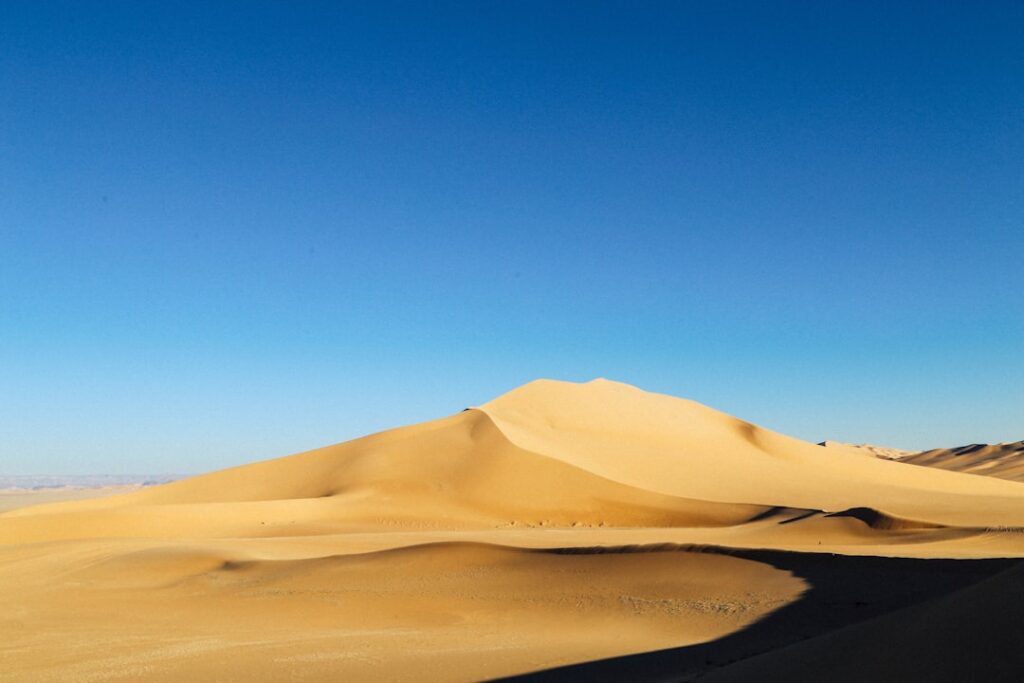
A large sand dune in the middle of a desert, Djanet, Algeria
FAQs: Your Djanet, Algeria Questions Answered
1. Is Djanet, Algeria safe at night?
Djanet itself is generally very safe, with a low crime rate. The primary safety considerations are environmental: never wander into the desert alone, and always travel with a knowledgeable guide in the park due to the risk of getting lost. Political stability can vary; always check your government’s travel advisories and register with your embassy before traveling to southern Algeria.
2. What currency is used and are credit cards accepted?
The Algerian Dinar (DZD) is the currency. Cash is king in Djanet. Bring enough euros or USD to exchange upon arrival in Algiers, as ATMs in Djanet are unreliable and credit cards are almost never accepted for local payments. Major tour operators may accept bank transfers for pre-booked packages.
3. How do I get from the airport to the city center?
Djanet’s airport is small. There are no taxis or buses waiting. This is critical: you must pre-arrange a transfer through your hotel or tour operator. The 20-minute drive costs around 2,000-3,000 DZD (~$15-$22). Book airport transfers at GetYourGuide for convenience, but confirm local operator availability.
4. Do I need to speak the local language?
You do not need to speak Arabic or Tamahaq, but it helps immensely. French is the most useful second language for travelers, as many guides and some lodge staff speak it. English is not widely spoken. Learning a few basic phrases in Arabic

