
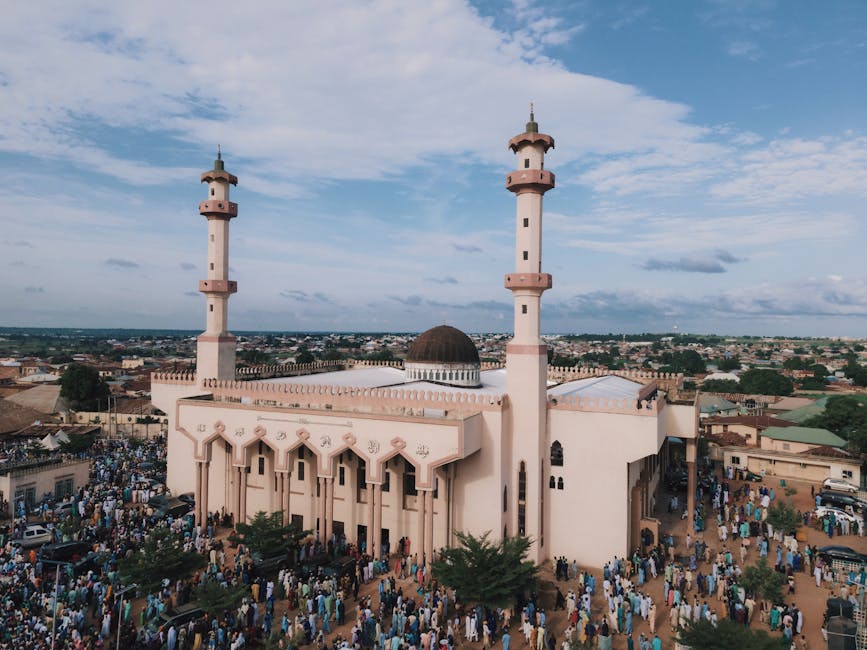
Djado, Niger’s Epic Ruins, Rock Art & Saharan Solitude (2026)
What if you could explore a lost medieval city abandoned for centuries, where your only companions are the desert wind and ancient spirits? Djado, Niger proves this is possible. Perched on a remote plateau in the Ténéré Desert, this UNESCO-listed ghost city of crumbling ksar fortresses and prehistoric rock engravings receives fewer than 100 documented foreign visitors a year. This isn’t just off the beaten path; it’s a journey to the silent heart of Saharan history, accessible only with expert guides and a spirit of true adventure.
Why Djado, Niger Stands Out

A modern, colorful arena in Niger with a vast sand floor, ideal for events., Djado, Niger
- Historic Architecture: The fortified Ksar of Djado, built by the Kanuri people between the 10th and 14th centuries, is a labyrinthine complex of salt-brick houses and granaries, standing as a silent testament to trans-Saharan trade routes.
- Cultural Scene: The annual Cure Salée festival, held by the nomadic Tuareg and Wodaabe peoples near Agadez (the gateway to Djado), is a breathtaking spectacle of camel races, traditional singing, and elaborate courtship rituals.
- Local Specialties: After a day of exploration, savor a hearty bowl of *taguella*, a traditional bread baked in the desert sand and served with a spicy sauce, often prepared by your guide’s camp crew.
Pro Tip: The *only* feasible time to visit is between November and early February. Daytime temperatures are a manageable 25-30°C (77-86°F), but nights plunge to near freezing. All travel requires a mandatory military escort from the town of Dirkou, arranged months in advance through a licensed tour operator.
Map of Djado, Niger
Use these interactive maps to explore Djado, Niger and plan your route:
📍 View Djado, Niger on OpenStreetMap
🗺️ Open Djado, Niger in Google Maps
Planning Your Trip: Practical Essentials
Getting There and Around
- By Air: Your journey starts at Mano Dayak International Airport in Agadez (AJY). There are no direct international flights; you’ll connect via Niamey. From Agadez, a grueling 2-3 day 4×4 expedition across the Ténéré Desert is required. Book flights at Skyscanner for best deals.
- By Train: Niger has no passenger rail network. All travel to the region is by road or air.
- By Car: Self-driving is impossible and illegal for foreigners due to security restrictions and the extreme, trackless desert. Travel is strictly via contracted 4×4 with an experienced driver-guide. Compare tour operator packages which include vehicles at GetYourGuide.
- Local Transport: There is no public transport. Your mode of transport is the 4×4 convoy, which includes your guide, driver, and mandatory armed escort.
Best Time to Visit
Timing is everything in the Sahara. The window for visiting Djado is exceptionally narrow, dictated by brutal heat for most of the year and security protocols. Savvy travelers plan their expedition for the heart of the cool season.
| Season | Weather | Highlights |
|---|---|---|
| Cool Season (Nov–Feb) | Days: 25-30°C (77-86°F), Nights: 5-10°C (41-50°F). Clear, sunny days, very cold nights. | The *only* viable time. Manageable daytime heat for exploration, stunning night skies. All logistics and escorts are arranged for this period. |
| Hot Season (Mar–Oct) | Extreme heat exceeding 45°C (113°F). Sandstorms common, especially May-June. | Effectively closed. Travel is prohibitively dangerous due to heat, lack of water, and increased security risks. No tours operate. |
| Shoulder (N/A) | N/A | There is no shoulder season. The transition from cool to hot is rapid, and operations cease by March. |
Budgeting for Djado, Niger
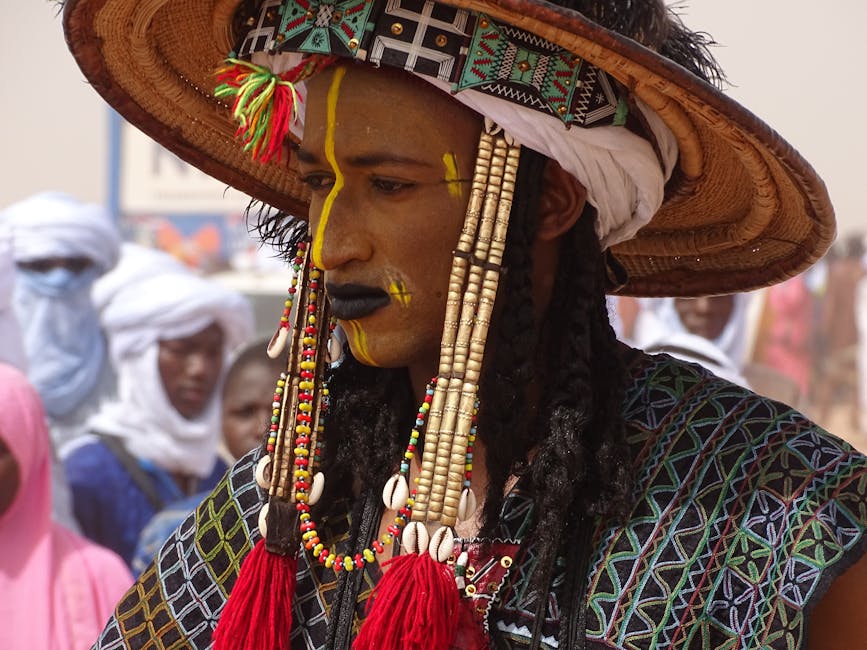
A man adorned in traditional Wodaabe attire during the Cure Salée festival …, Djado, Niger
A trip to Djado is a significant expedition, not a budget backpacking trip. Costs are high due to mandatory guides, 4×4 rentals, fuel, camping gear, and permits. All prices are per person for a typical 7-10 day expedition from Agadez.
| Category | Budget | Mid-range | Luxury |
|---|---|---|---|
| Accommodation | Camping only (included in tour) – $0 | Camping with better gear – $0 | Luxury desert camp (pre/post Djado) – $300-$500/night |
| Meals | Camp meals provided – $0 | Camp meals + occasional town restaurant – $20/day | Chef-prepared camp meals – Included in tour |
| Transport | Shared 4×4, basic tour – $250-$350/day | Private 4×4, experienced guide – $400-$600/day | Private convoy, top guide, support vehicle – $800+/day |
| Activities | Guided ruins visits – Included | + Rock art site guides – $50-$100 | + Archaeological expert guide – $200+/day |
| Daily Total | $250-$350/day | $450-$700/day | $1000+/day |
Top Attractions and Must-See Sights
| Attraction | Description | Hours | Entry Fee |
|---|---|---|---|
| The Ksar of Djado | The haunting main fortress city, a maze of multi-story mud-brick structures slowly being reclaimed by the desert. | Daylight hours only | Included in tour/permits (~$50 permit fee) |
| Prehistoric Rock Engravings | Thousands of years-old carvings of giraffes, elephants, and cattle at sites like Djado Plateau, proving the Sahara was once green. | Daylight hours only | Included in tour/permits |
| The Ténéré Desert & Tree of Ténéré Memorial | The vast “Desert within a Desert”; the journey itself is the attraction. See the memorial to the famous lone acacia, once the world’s most isolated tree. | N/A | N/A |
| Seguedine Oasis | A vital palm-fringed stopover near Djado with a small Tuareg settlement and ancient fort, offering a glimpse of desert life. | N/A | N/A |
3-Day Itinerary: Djado, Niger’s Highlights & Hidden Gems
Note: This itinerary assumes you are already part of a multi-day expedition based out of Agadez. Days 1 & 3 represent travel; Day 2 is exploration.
Day 1: The Ténéré Crossing
- Morning (5:30 AM): Pre-dawn departure from Dirkou after meeting military escort. Watch the sunrise over the *Erg de Bilma*, seas of orange dunes. Your best bet is to have your guide prepare quick coffee and bread.
- Afternoon (12-3 PM): Stop at a remote spot for a picnic lunch of canned tuna, dates, and *taguella*. Visit the “Tree of Ténéré” memorial site, a sobering reminder of the desert’s power.
- Evening (6 PM): Make camp near the Djado plateau. As the temperature plummets, enjoy a hearty stew cooked over the fire and witness a night sky utterly free of light pollution.
Day 2: Exploring the Ghost City
- Morning (7 AM): After breakfast, drive the final stretch to the Ksar. Explore the labyrinthine ruins for 3-4 hours. Locals recommend climbing to the highest intact structures for a panoramic view of the fortress and the endless desert beyond.
- Afternoon (1 PM): Simple camp lunch. Drive to a nearby site of prehistoric rock engravings (your guide will know the locations). Spend 2 hours deciphering the ancient art of giraffes and herds.
- Evening (5 PM): Return to camp. Enjoy tea with your Tuareg guides and listen to stories of the salt caravans that once passed here. Dinner under the stars.
Day 3: Oasis Return
- Morning (6 AM): Break camp and begin the return journey. Stop at the Seguedine Oasis (~4 hours drive). Explore the small, still-inhabited fort and see the lush date palm groves contrasting with the desert.
- Afternoon (12 PM): Share a final desert lunch with your team in Seguedine. You may have the chance to purchase simple handicrafts like silver Tuareg crosses from local residents.
- Evening (6 PM): Arrive back in Dirkou, concluding the military escort. A celebratory dinner of grilled goat (*chevan*) at a simple local eatery in town feels like a feast.
Cultural Insights & Etiquette
- Language: French is the official language; your guide will translate. Learn a few Tuareg (Tamasheq) phrases: “*Salam alikum*” (hello), “*Akoul*” (thank you).
- Customs: The Tuareg are matrilineal and known as the “Blue People” for their indigo garments. Always use your right hand for eating and greeting. Ask permission before photographing people.
- Tipping: Essential for your guide, driver, and cook. As a group, plan to tip 10-15% of the total tour cost, distributed at the journey’s end.
- Dress Code: Modesty is key. Wear loose, lightweight long sleeves and pants for sun and sand protection. A headscarf (*cheche*) is invaluable for both men and women.
- Business Hours: Irrelevant in the desert. In towns like Agadez, shops open early, close for midday heat, and reopen late afternoon. Friday is the Muslim holy day.
Where to Eat: Djado, Niger’s Best Bites
Dining in Djado means camp cuisine prepared by your guide’s team. It’s simple, hearty, and designed for sustenance. The real culinary experiences are in Agadez before and after your expedition.
Must-Try Local Specialties
- Taguella: The definitive Saharan bread. Dough is baked beneath hot sand and coals, then broken apart and served with a sauce of meat and vegetables. You’ll eat this daily on expedition.
- Méchoui: A whole lamb or goat slow-roasted over an open pit, often for celebrations. Try this at a restaurant in Agadez like *Restaurant La Ténéré*.
- Bissap: A refreshing, vivid red drink made from hibiscus flowers, served cold and sweet. The perfect way to rehydrate after your journey.
Restaurant Recommendations by Budget
| Type | Restaurant | Specialty | Price Range |
|---|---|---|---|
| Budget | Street stalls near Agadez Grand Mosque | Brochettes (grilled meat skewers), fried plantains | $2-$5 |
| Mid-range | Restaurant La Ténéré, Agadez | Méchoui, French-influenced local dishes | $10-$20 |
| Fine dining | Hotel de la Paix restaurant, Agadez | The best international and local cuisine in town | $25-$40 |
Where to Stay
In Djado, you camp. Your pre- and post-expedition base will be Agadez. Accommodation here is basic but full of character. Compare prices and book at Booking.com or Airbnb for apartments.
Best Neighborhoods for Accommodation
- City Center near the Grand Mosque: The heart of Agadez. You’ll be steps from the iconic mud-brick minaret, markets, and tour operators. Can be noisy but supremely convenient. Suits all travelers.
- Airport Road Area: More spread out, with newer hotels like Hotel de la Paix offering more amenities (pool, reliable WiFi). A short taxi ride from the center. Best for those wanting more comfort.
- Traditional Quartiers: For a deeper immersion, some families offer simple rooms in their traditional homes. Arranged through tour operators. Ideal for culturally curious travelers comfortable with basic facilities.

Majestic Zuma Rock towering over a peaceful village in Nigeria, Djado, Niger
FAQs: Your Djado, Niger Questions Answered
1. Is Djado, Niger safe at night?
In the desert camp, safety from crime is not a concern—your only neighbors are your team. The primary risks are environmental: extreme temperature drops and wildlife like scorpions. Always keep your tent sealed and shoes shaken out. Security concerns in the region mean you must travel with the mandated military escort, who handle external threats. Always follow your guide’s instructions explicitly.
2. What currency is used and are credit cards accepted?
The currency is the West African CFA franc (XOF). You must bring all the cash you will need for your entire trip, including tips, in crisp, new US dollars or Euros to exchange in Agadez. Credit cards are useless in Agadez and absolutely worthless in the desert. Travelers often discover that even in Agadez, ATMs are unreliable or empty.
3. How do I get from the airport to the city center?
From Agadez’s Mano Dayak Airport, your best bet is to have your tour operator arrange a pickup. If not, taxis are available outside the small terminal. The fixed price to the city center (about 5km) is 2,000-3,000 CFA ($3.50-$5.50). Negotiate the price before getting in. Book reliable airport transfers in advance at GetYourGuide for convenience.
4. Do I need to speak the local language?
No, but it helps immensely. Your guide will speak French and often some English. Learning basic French phrases (“merci,” “s’il vous plaît,” “l’eau”) is very useful. English is not widely spoken. A phrasebook and a patient, respectful attitude are your best tools for connection.
5. What’s the appropriate dress code?
Conservative, loose-fitting, and sun-smart. For both men and women: long, lightweight trousers and long-sleeved shirts. A wide-brimmed hat and a Tuareg *cheche* (headscarf) to protect against sun and sand. For evenings in camp, have a warm fleece or down jacket—desert nights are cold. In Agadez, dressing modestly shows respect for the Muslim culture.
Final Thoughts: Djado, Niger Awaits
Djado is not a

