
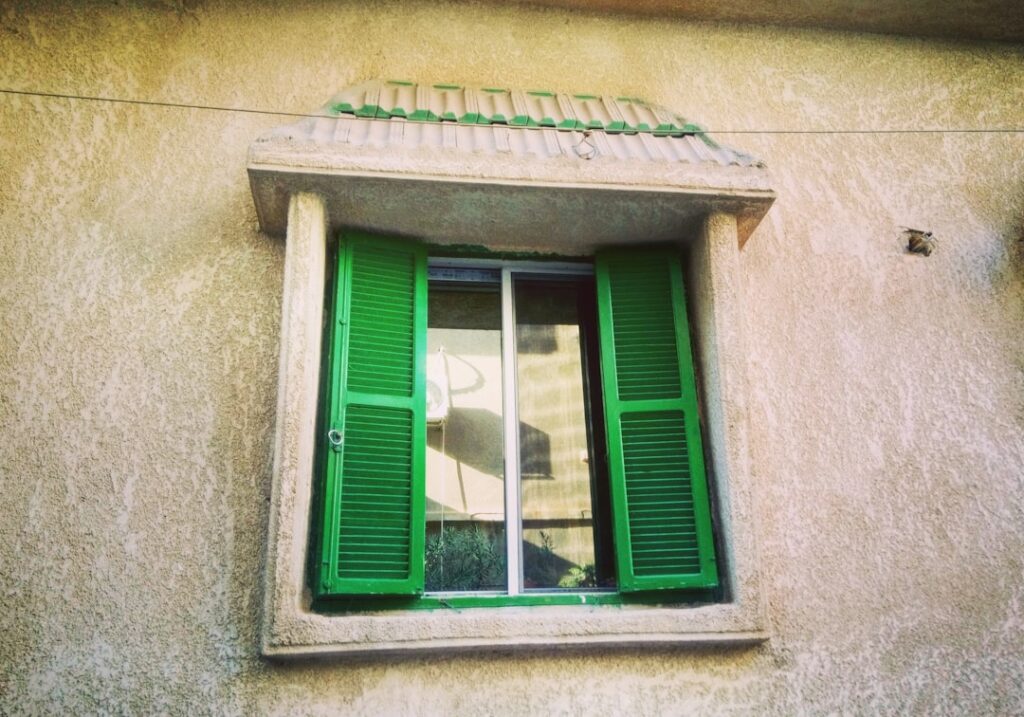
Damascus, Syria’s Ultimate Ancient Alleys, Aromatic Souks & Living History (2025)
Sunlight filters through the stone lattice of a 14th-century *mashrabiya* window in the Al-Hamidiyah Souq, illuminating dust motes dancing above barrels of Aleppo soap and sacks of sumac. The scent of cardamom coffee and apple-scented tobacco from a nearby *narghile* café mixes with the distant call to prayer. This is the sensory tapestry of Damascus, a city continuously inhabited for over 11,000 years, where every cobblestone whispers a story from the Roman, Umayyad, or Ottoman eras. To walk its streets is to traverse a living, breathing museum.
Why Damascus, Syria Stands Out

Low angle photography of flock of birds flying over the building during daytime, Damascus, Syria
- Historic Architecture: The Umayyad Mosque, completed in 715 AD, is one of the oldest and largest mosques in the world, housing a shrine said to contain the head of John the Baptist.
- Cultural Scene: The annual Damascus Rose Festival in May celebrates the harvest of the famed Damascene rose, used for centuries in perfumes, with processions and traditional distilling demonstrations.
- Local Specialties: You must try *Fatteh*, a comforting dish of yogurt, chickpeas, pine nuts, and crispy bread, often served for breakfast or lunch.
Pro Tip: The absolute best time to explore the Old City is on a weekday morning between 8:30 AM and 11:00 AM, just after the shops open. You’ll beat the afternoon heat and the local crowds that gather later. For the most pleasant weather, target the shoulder months of April-May or late September-October.
Map of Damascus, Syria
Use these interactive maps to explore Damascus, Syria and plan your route:
📍 View Damascus, Syria on OpenStreetMap
🗺️ Open Damascus, Syria in Google Maps
Planning Your Trip: Practical Essentials
Getting There and Around
- By Air: Damascus International Airport (DAM) is the primary gateway, served by carriers like Cham Wings, SyrianAir, and Middle East Airlines. A pre-booked private taxi to the city center is the most reliable transfer, taking about 30-40 minutes. Book flights at Skyscanner for best deals.
- By Train: International rail connections are currently limited. Domestic services exist but are infrequent; road transport is generally preferred for inter-city travel. For regional train planning, check schedules at Trainline or the national railway website.
- By Car: Driving from neighboring countries involves complex border regulations. Within Syria, hiring a car with a local driver is highly recommended for navigating checkpoints and city traffic. Compare car rentals at RentalCars.com.
- Local Transport: Shared taxis (called *servees*) and private taxis are the main modes of transport. Always agree on a fare before starting your journey. There is a public bus system, but routes can be confusing for visitors.
Best Time to Visit
Damascus experiences a semi-arid climate with hot, dry summers and cool, damp winters. The shoulder seasons offer the ideal balance of comfortable weather and active local life.
| Season | Weather | Highlights |
|---|---|---|
| Summer (Jun–Aug) | Hot and dry, 30°C to 38°C (86°F-100°F). Intense midday sun. | Vibrant evening street life in cooler hours; indoor museum visits are best. Can be crowded with regional tourists. |
| Winter (Dec–Feb) | Cool and rainy, 5°C to 15°C (41°F-59°F). Occasional snow. | Atmospheric, misty mornings in the Old City; fewer visitors. Some sites may have reduced hours. |
| Shoulder (Apr–May/Sep–Oct) | Mild and pleasant, 18°C to 28°C (64°F-82°F). Low rainfall. | Perfect for all-day walking tours, souk exploration, and café sitting. The absolute prime time for travel. |
Budgeting for Damascus, Syria

Assorted magazine collection, Damascus, Syria
| Category | Budget | Mid-range | Luxury |
|---|---|---|---|
| Accommodation | $20-$40/night (basic local hotel) | $60-$100/night (restored Old City house/hotel) | $150+/night (high-end hotel suite) |
| Meals | $5-$10 (street food, local bakeries) | $15-$25 (restaurant meals with multiple courses) | $40+ (fine dining with wine pairings) |
| Transport | $5-$10 (shared taxis, local buses) | $15-$30 (private taxi for day) | $50+ (private car & driver for day) |
| Activities | $0-$15 (mosque visits, souk wandering) | $20-$40 (museum entries, guided tours) | $60+ (private, in-depth historical tours) |
| Daily Total | $30-$65 | $100-$195 | $300+ |
Top Attractions and Must-See Sights
| Attraction | Description | Hours | Entry Fee |
|---|---|---|---|
| Umayyad Mosque | A breathtaking architectural masterpiece featuring a vast marble courtyard and stunning Byzantine-era mosaics. | Sat-Thu 9am-6pm, Fri for prayer only | Free (donation appreciated) |
| Al-Hamidiyah Souq | The city’s bustling, covered main market, stretching over 600 meters, where you can find everything from spices to gold. | Shops open 9am-9pm (variable) | Free to enter |
| Azem Palace | An exquisite 18th-century Ottoman palace showcasing traditional Damascene architecture, now housing the Museum of Arts & Traditions. | 9am-4pm (Closed Tue) | ~$2 |
| Street Called Straight (Via Recta) | A Roman-era street mentioned in the Bible, now lined with shops, leading to the historic Christian quarter of Bab Touma. | Always open | Free |
3-Day Itinerary: Damascus, Syria’s Highlights & Hidden Gems
Day 1: The Heart of the Old City
- Morning (7-9 AM): Start at the **Umayyad Mosque** to experience its serene atmosphere before crowds arrive. Dress modestly (scarves and robes are available for loan). Notice the shrine of John the Baptist inside the prayer hall.
- Afternoon (12-3 PM): Enter the **Al-Hamidiyah Souq**, walking its full length. Stop for a fresh pomegranate juice. Have lunch at **Abu al-Ezz**, a legendary hole-in-the-wall for *Shawarma* and *Fatteh* (expect to pay ~$5).
- Evening (6-8 PM): Explore the **Azem Palace** as the heat fades. For dinner, head to **Beit Jabri**, a restaurant in a restored Damascene house in the Old City, famous for its *Makdous* (stuffed eggplants) and mixed grills.
Day 2: History, Art & Christian Quarters
- Morning (9 AM): Visit the **National Museum of Damascus** (~$3 entry) to see the stunning 2nd-century synagogue reconstructions from Dura-Europos and Palmyrene artifacts.
- Afternoon (1 PM): Walk the **Street Called Straight** into **Bab Touma**. Visit the **St. Ananias Chapel**, an underground chapel marking the site where Saul was baptized. Lunch at **Haretna**, a charming restaurant with a courtyard, known for its *Kibbeh*.
- Evening (7 PM): Experience a traditional *narghile* (water pipe) and tea at **Nova Café** in Bab Touma, a popular spot with locals for a relaxed evening.
Day 3: Palaces, Panoramas & Farewell Feasts
- Morning (10 AM): Take a taxi (~$5) to **Qasyoun Mountain** for a panoramic view over the entire city. It’s especially clear in the morning.
- Afternoon (12 PM): Return to the city and visit **Maktab Anbar**, a beautifully restored 19th-century Jewish mansion showcasing ornate woodwork. For a final lunch, try **Bawabet Dimashq** for an exceptional *Mezze* spread.
- Evening (6 PM): For a memorable last night, book a table at **Al Khawali**, set within ancient stone vaults near the Umayyad Mosque, offering a magical atmosphere and classic Syrian dishes like *Fesenjan*.
Cultural Insights & Etiquette
- Language: Arabic is the official language. Key phrases: *Marhaba* (Hello), *Shukran* (Thank you), *Kayf halak?* (How are you?). English is understood in major hotels and tourist shops, but less so in local markets.
- Customs: Always use your right hand for eating, greeting, and giving/receiving items. Refusing an offer of coffee or tea can be seen as rude. When invited to a home, it’s polite to bring a small gift like pastries.
- Tipping: A service charge is rarely included. In restaurants, rounding up the bill or leaving 5-10% is appreciated. Tip taxi drivers by rounding up the fare.
- Dress Code: Modesty is key. For both men and women, clothing should cover shoulders and knees. Women should carry a scarf to cover their hair when entering mosques.
- Business Hours: Government hours are typically 8 AM – 2 PM. Shops open around 9 AM, close for a mid-afternoon break, and reopen from 5 PM to 9 PM. Friday is the main day of rest.
Where to Eat: Damascus, Syria’s Best Bites
Syrian cuisine is a feast for the senses, centered on fresh herbs, grilled meats, olive oil, and yogurt. Dining is a social, leisurely affair. You’ll find exceptional local tavernas in the vaulted stone cellars of the Old City.
Must-Try Local Specialties
- Kibbeh: The national dish, made of bulgur wheat stuffed with minced meat, onions, and pine nuts, then fried or baked. For the best, seek out specialist *Kibbeh* shops in the Souq al-Hamidiyah area.
- Muhammara: A vibrant red dip of walnuts, roasted red peppers, pomegranate molasses, and breadcrumbs. It’s a staple of any *Mezze* spread. **Beit Sitti** restaurant serves an outstanding version.
- Qatayef: A sweet dumpling eaten during Ramadan but available year-round, filled with cheese or nuts, then fried and drenched in syrup. Find them at sweet shops like **Bakdash** in the souq.
Restaurant Recommendations by Budget
| Type | Restaurant | Specialty | Price Range |
|---|---|---|---|
| Budget | Abu al-Ezz (Al-Hamidiyah Souq) | Fast, delicious shawarma and fatteh | $3-$7 per person |
| Mid-range | Haretna (Bab Touma) | Authentic Syrian mezze & grilled meats in a cozy setting | $15-$25 per person |
| Fine dining | Al Khawali (Near Umayyad Mosque) | Atmospheric fine dining in ancient stone vaults with classic dishes | $30-$50 per person |
Where to Stay
For first-time visitors, staying within or just outside the walls of the Old City is the most immersive experience, putting you within walking distance of major sights. The modern city center offers more contemporary hotel chains. Compare prices and book at Booking.com or Airbnb for apartments.
Best Neighborhoods for Accommodation
- Old City (Inside the Walls): The most atmospheric choice. You’ll stay in beautifully restored traditional houses with courtyards. Perfect for history buffs, but note streets can be narrow and quiet at night.
- Bab Touma: The historic Christian quarter, known for its lively atmosphere, excellent restaurants, and churches. A great blend of local life and tourist amenities.
- Abu Rumaneh (Modern Center): A modern, upscale district with wider streets, international hotels, and embassies. Ideal for those preferring contemporary comforts, though you’ll need taxis to reach the Old City.

A market with lots of food, Damascus, Syria
FAQs: Your Damascus, Syria Questions Answered
1. Is Damascus, Syria safe at night?
Within the main tourist areas of the Old City and Bab Touma, you will generally find it safe to walk around at night, with many families and locals out socializing. As in any major city, it’s wise to stay aware of your surroundings, stick to well-lit main streets, and avoid isolated areas. Always follow the latest travel advisories from your government.
2. What currency is used and are credit cards accepted?
The official currency is the Syrian Pound (SYP or £S). Due to complex international sanctions, credit cards and foreign debit cards are virtually unusable. You must bring enough cash (US Dollars or Euros are best) for your entire trip and exchange it locally. ATMs for international cards are not available.
3. How do I get from the airport to the city center?
The most reliable option is a pre-arranged private taxi, which should cost approximately $20-$30 for the 30-40 minute journey to the Old City. Avoid unlicensed taxis. It’s best to arrange this through your hotel. Book airport transfers at GetYourGuide for convenience.
4. Do I need to speak the local language?
While Arabic is the language of daily life, you can manage with English in hotels, major restaurants, and tourist shops. Learning a few basic Arabic phrases (hello, thank you, how much) will be greatly appreciated by locals and enhance your experience significantly.
5. What’s the appropriate dress code?
Modest, loose-fitting clothing is essential. For women, this means tops covering the shoulders and chest, and skirts or trousers below the knee. Carry a light scarf to cover your head in mosques. For men, long trousers and shirts are appropriate. This dress code shows respect for local culture and will make you feel more comfortable.
Final Thoughts: Damascus, Syria Awaits
Damascus is not merely a destination; it’s an encounter with the layered narrative of human civilization

