
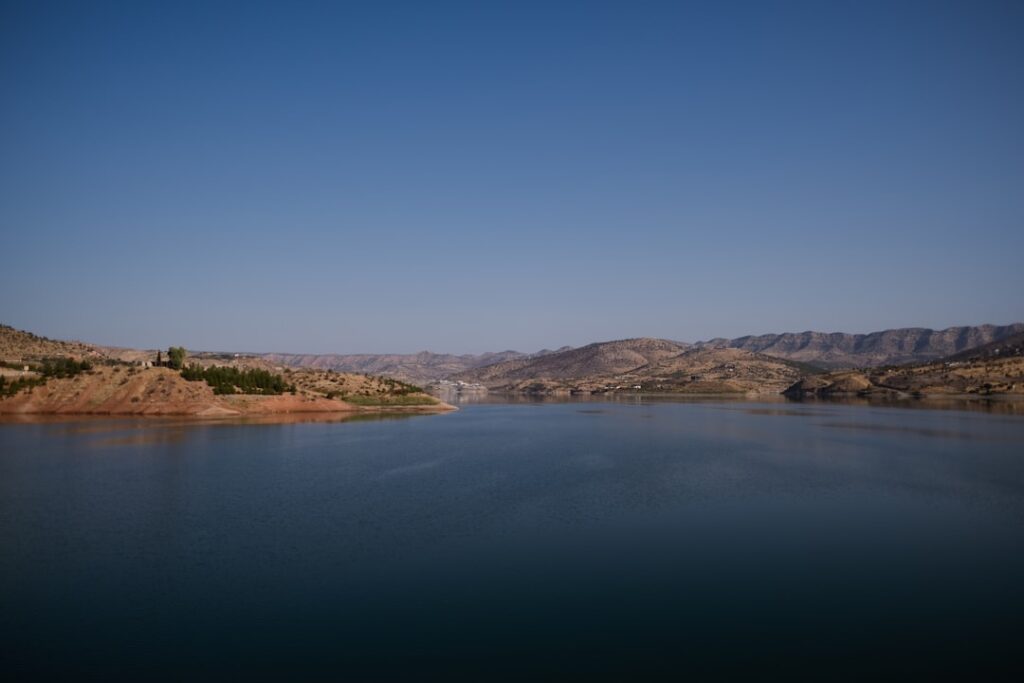
Dahuk, Iraq’s Essential Mountains, Ancient Monasteries & Kurdish Hospitality (2026)
Sunrise from the summit of Mount Korek reveals a landscape that defies expectation: a vast, emerald-green valley dotted with villages, all cradled by the dramatic, snow-dusted peaks of the Zagros Mountains. This is the Dahuk Governorate, the heart of Iraqi Kurdistan, where the air is cool, the history is layered, and the famed Kurdish welcome feels as genuine as the mountain springs. While many imagine Iraq as solely desert, here you’ll find a world of alpine beauty, ancient Assyrian ruins, and a cultural resilience that travelers describe as profoundly moving.
Why Dahuk, Iraq Stands Out

A road with a mountain in the background, Dahuk, Iraq
- Historic Architecture: The 13th-century Rabban Hormizd Monastery, carved directly into a sheer cliff face, is a testament to the region’s ancient Christian heritage and offers breathtaking valley views.
- Cultural Scene: The annual Newroz (Kurdish New Year) celebration on March 21st transforms the city into a sea of traditional clothes, fire-jumping rituals, and communal dancing in Azadi Park.
- Local Specialties: You must try ‘Dolma’—vine leaves, peppers, and vegetables stuffed with spiced rice and meat, slow-cooked to perfection and served with tangy yogurt.
Pro Tip: For the perfect blend of pleasant weather and vibrant culture, plan your visit for late April to early June. You’ll avoid the intense summer heat and the winter chill, and you might catch the tail end of the wildflower blooms in the mountains, a sight most tourists miss by coming only in peak summer.
Map of Dahuk, Iraq
Use these interactive maps to explore Dahuk, Iraq and plan your route:
📍 View Dahuk, Iraq on OpenStreetMap
🗺️ Open Dahuk, Iraq in Google Maps
Planning Your Trip: Practical Essentials
Getting There and Around
- By Air: Fly into Erbil International Airport (EBL), the main gateway to Kurdistan, served by airlines like FlyDubai, Turkish Airlines, and Iraqi Airways. From Erbil, it’s a scenic 2-hour drive by taxi or pre-booked car to Dahuk. Book flights at Skyscanner for best deals.
- By Train: Passenger rail services to Dahuk are not currently operational. Travel within Kurdistan is primarily by road.
- By Car: Renting a car in Erbil offers the ultimate freedom. The route (Highway 2) is well-maintained and spectacularly scenic. An International Driving Permit is recommended. Compare car rentals at RentalCars.com.
- Local Transport: Within Dahuk city, shared taxis (called “taksi mehsharee”) are the norm and very affordable (approx. 1,000-2,000 IQD per short trip). For sights outside the city, hiring a private taxi for the day is your best bet (approx. 50,000-80,000 IQD).
Best Time to Visit
The climate in mountainous Dahuk is a world away from southern Iraq. Summers are dry and warm, while winters can be cold with occasional snow. The shoulder seasons offer the most comfortable conditions for exploration.
| Season | Weather | Highlights |
|---|---|---|
| Summer (Jun–Aug) | Warm & dry, 25°C to 35°C (77°F-95°F). Cooler in the mountains. | Ideal for visiting the high-altitude Gali Ali Beg waterfall and hiking before noon. City life is lively in the evenings. |
| Winter (Dec–Feb) | Cold, 0°C to 10°C (32°F-50°F). Snow is common on Mount Korek. | Dramatic, moody landscapes. Few tourists. You might see the mountains dusted in snow—a magical sight. |
| Shoulder (Apr–May/Sep–Oct) | Mild & pleasant, 15°C to 25°C (59°F-77°F). Perfect hiking weather. | The absolute best time to visit. Wildflowers bloom in spring, and autumn brings golden hues. Crowds are minimal. |
Budgeting for Dahuk, Iraq

Panoramic view of Saddam’s Babylonian Palace atop a hill in Hillah, Dahuk, Iraq
| Category | Budget | Mid-range | Luxury |
|---|---|---|---|
| Accommodation | 30,000 – 50,000 IQD ($20-$35) for a basic local hotel | 70,000 – 120,000 IQD ($50-$85) for a comfortable 3-4 star hotel | 150,000+ IQD ($100+) for the best suites with mountain views |
| Meals | 5,000 – 10,000 IQD ($3.50-$7) for street food & local eateries | 15,000 – 30,000 IQD ($10-$20) per meal at a good restaurant | 40,000+ IQD ($27+) for multi-course meals at top venues |
| Transport | Shared taxis (1,000-2,000 IQD per ride) | Private taxi for half-day (40,000 IQD) | Private car with driver for the day (100,000+ IQD) |
| Activities | Hiking, visiting city parks, exploring the bazaar (free/low cost) | Entrance to sites like the Citadel, guided tours (5,000-20,000 IQD) | Private guided hiking or historical tours (50,000+ IQD) |
| Daily Total | 50,000 – 70,000 IQD ($35-$50) | 120,000 – 200,000 IQD ($80-$135) | 300,000+ IQD ($200+) |
Top Attractions and Must-See Sights
| Attraction | Description | Hours | Entry Fee |
|---|---|---|---|
| Dahuk Citadel & Old City | The historic heart of the city, featuring ancient stone houses and narrow alleyways that tell centuries of stories. | Open 24/7 to explore exteriors | Free |
| Mount Korek & Cable Car | Take Iraq’s only cable car to 2,127m for staggering panoramic views of the entire valley and into Turkey. | Cable Car: 9 AM – 6 PM (weather dependent) | 15,000 IQD (~$10) round trip |
| Gali Ali Beg Canyon & Waterfall | A stunning natural gorge where a powerful waterfall plunges into a deep, narrow canyon—a perfect picnic spot. | Daylight hours | 2,000 IQD parking fee |
| Rabban Hormizd Monastery | A breathtaking 7th-century Chaldean monastery carved into a mountainside near Alqosh, a site of pilgrimage and peace. | 9 AM – 5 PM daily | Free (donations appreciated) |
3-Day Itinerary: Dahuk, Iraq’s Highlights & Hidden Gems
Day 1: City Heart & Mountain Heights
- Morning (7-9 AM): Start with a traditional breakfast of ‘Nane Tiri’ (fresh flatbread) and sweet tea at a local bakery in the old bazaar. Then, wander the labyrinthine streets of the Dahuk Citadel area, imagining its 5,000-year history.
- Afternoon (12-3 PM): Drive to the base of Mount Korek (20 mins from city center). Take the 20-minute cable car ride to the summit. Have lunch at the simple mountaintop cafe, enjoying the view with a plate of grilled chicken and rice.
- Evening (6-8 PM): Return to the city for a stroll through Azadi Park as locals socialize. For dinner, head to Beyz Restaurant near the park for exceptional lamb kebabs and fresh salads.
Day 2: Nature’s Majesty & Ancient Faith
- Morning (8 AM): Hire a taxi for the day (approx. 70,000 IQD). Drive 1.5 hours to the magnificent Gali Ali Beg Canyon. Walk the paths along the roaring waterfall and deep gorge—the mist is refreshingly cool.
- Afternoon (1 PM): Continue another 30 minutes to the ancient town of Alqosh. Have lunch at a local family-run eatery, trying ‘Tashreeb’ (a savory bread and lamb stew). Then, visit the awe-inspiring Rabban Hormizd Monastery, exploring its cliff-carved chambers.
- Evening (6 PM): Return to Dahuk. For a relaxed evening, visit Chavi Land, a popular local cafe and park, for sweet Kurdish tea and sheesha amidst families and friends.
Day 3: Local Life & Cultural Immersion
- Morning (9 AM): Dive into the Dahuk Bazaar. This isn’t a tourist market; it’s where locals shop. Browse spices, fabrics, and household goods. Don’t miss the nut and dried fruit stalls—buy some roasted pistachios for a snack.
- Afternoon (12 PM): Enjoy a final feast of Dolma and grilled fish at Al-Sultan Restaurant, a beloved mid-range spot. Afterwards, visit the Dahuk Museum (if open) or the University of Dahuk’s Botanical Garden for a peaceful walk.
- Evening (5 PM): For your last sunset, drive or taxi up to the Dahuk Dam viewpoint. Watch the sun set over the reservoir, a serene farewell to this mountainous region. Have a farewell dinner of ‘Kubba’ (spiced meat-filled bulgur dumplings) at a local home-style restaurant.
Cultural Insights & Etiquette
- Language: Kurdish (Sorani and Kurmanji dialects) is primary. Arabic is also widely understood. Key phrases: “Slaw” (Hello), “Sipas” (Thank you), “Choni?” (How are you?). Many younger people and those in tourism speak some English.
- Customs: Hospitality is sacred. You will likely be invited for tea. Accept graciously. Always use your right hand for eating and greeting. When entering a home, it’s polite to remove your shoes.
- Tipping: Not mandatory but appreciated. In restaurants, rounding up the bill or leaving 5-10% is a kind gesture. For taxi drivers, rounding up is standard.
- Dress Code: Modesty is respected. For both men and women, clothing covering shoulders and knees is advised, especially when visiting religious sites. In the city, modern dress is common, but conservative choices are always safe.
- Business Hours: Shops generally open 9 AM – 1 PM, close for a siesta, and reopen 4 PM – 8 PM. Government offices work 8 AM – 2 PM. Friday is the main day of rest, with many businesses closed.
Where to Eat: Dahuk, Iraq’s Best Bites
Dahuk’s cuisine is a highlight of the Kurdish experience—hearty, flavorful, and deeply satisfying. Meals are social events, often centered around shared platters. You’ll find a mix of dedicated kebab houses, family-run restaurants specializing in one iconic dish, and bustling tea shops.
Must-Try Local Specialties
- Dolma: The regional superstar. Vegetables like tomatoes, peppers, onions, and vine leaves are stuffed with a mix of rice, minced meat, and herbs, then simmered in a tangy tomato broth. Best tried at a local’s home or at traditional restaurants like Beyz.
- Kubba Mosul: A football-shaped dumpling made of bulgur wheat, filled with spiced minced meat and onions, then deep-fried to a crispy golden brown. Find it at most local eateries.
- Kebab & Tikkas: Succulent skewers of marinated lamb or chicken, grilled over charcoal. Served with flatbread, grilled tomatoes/onions, and rice. Al-Sultan Restaurant is renowned for its quality.
Restaurant Recommendations by Budget
| Type | Restaurant | Specialty | Price Range |
|---|---|---|---|
| Budget | Local Bazaar Eateries | Fresh Nane Tiri (bread), Falafel, Shawarma | 3,000 – 7,000 IQD per item |
| Mid-range | Beyz Restaurant (City Center) | Mixed Grill Platters, Dolma, Fresh Salads | 15,000 – 25,000 IQD per person |
| Fine dining | Lezzet Restaurant (Near Azadi Park) | Upscale Kurdish and Turkish cuisine, elegant setting | 30,000 – 50,000 IQD per person |
Where to Stay
Accommodation in Dahuk ranges from functional local hotels to a few modern, comfortable options. Most hotels are concentrated in the city center, offering easy access to restaurants and the bazaar. For a more local feel, some guesthouses are emerging. Compare prices and book at Booking.com or Airbnb for apartments.
Best Neighborhoods for Accommodation
- City Center: The most convenient area, close to the bazaar, Azadi Park, and main restaurants. You’ll find the majority of hotels here, from budget to upscale. It can be bustling during the day but is the hub of activity.
- Near the University: A quieter, more residential area with a few newer hotels. It offers a local neighborhood feel and is still only a short taxi ride from the center. Good for travelers seeking peace.
- Mount Korek Base: For those prioritizing nature, a couple of basic hotels near the cable car station allow for very early summit access. Be prepared for fewer dining options and the need for transport into the city.

Explore the historic ruins of ancient Babylon under the expansive Iraqi sky., Dahuk, Iraq
FAQs: Your Dahuk, Iraq Questions Answered
1. Is Dahuk, Iraq safe at night?
Dahuk is considered one of the safest cities in Iraq. The Kurdistan Region has its own security forces. Normal precautions apply—stick to well-lit areas, be aware of your surroundings—but locals are out socializing in parks and cafes until late, and the atmosphere is generally very secure. Travelers often remark on how safe they feel.
2. What currency is used and are credit cards accepted?
The Iraqi Dinar (IQD) is the currency. As of writing, $1 USD ≈ 1,460 IQD. Cash is king in Dahuk. While some higher-end hotels may accept credit cards, you should assume you’ll need cash for almost everything—hotels, restaurants, taxis, and entry fees. Bring USD or EUR to exchange at currency offices in Erbil or Dahuk; ATMs that work with foreign cards can be

