
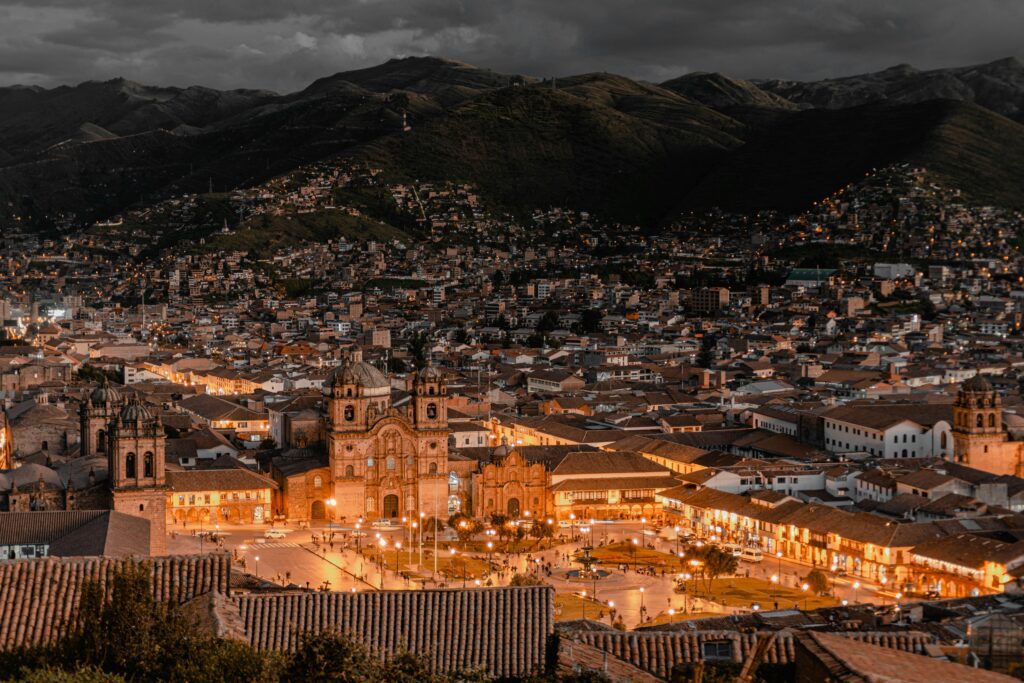
“Discover essential Cusco travel tips for an unforgettable journey! Learn practical advice, must-see attractions & local secrets.”
Introduction: Welcome to Cusco, Where History Comes Alive
Stepping off the plane into Cusco’s crisp Andean air, I instantly felt the weight of history around me. The scent of eucalyptus and burning wood from nearby chimneys mingled with the faint aroma of coca leaves, a reminder of the city’s deep-rooted traditions. This isn’t just a city—it’s a living museum of the Inca Empire. Nestled at 11,152 feet (3,400m) in the Peruvian Andes, Cusco is more than a gateway to Machu Picchu; it’s a destination brimming with its own magic.
Cobblestone streets, polished smooth by centuries of footsteps, wind past colonial-era balconies draped in bougainvillea. Beneath them, Inca stonework—so precise a knife blade can’t slip between the joints—forms the foundation of modern buildings. At Plaza de Armas, where Spanish conquistadors built cathedrals atop sacred Inca temples, indigenous women in traditional pollera skirts sell woven textiles beside street performers playing panpipes.
Did you know Cusco boasts over 2,000 archaeological sites? From the iconic Sacsayhuamán fortress, where massive stones fit together like a jigsaw puzzle, to hidden hillside gems like Q’enqo’s ceremonial tunnels, each tells a story of the Inca civilization. The Qorikancha (Temple of the Sun) still dazzles with remnants of gold plating that once covered its walls—a testament to the empire’s wealth.
Pro Tip: Acclimate slowly—altitude sickness is real! Spend your first day sipping coca tea at a café like Museo del Café while admiring the 12-angled stone on Hatunrumiyoc Street. Prioritize nearby ruins like Tambomachay (the “Inca Baths”) before tackling Machu Picchu.
Cusco’s charm lies in its layers: Quechua-speaking elders leading llamas past trendy cocktail bars, artisan markets beside chic cafés roasting local coffee. Whether you’re here for history, adventure, or vibrant culture, this city delivers.
Planning Your Trip to Cusco
Best Time to Visit Cusco
- Dry Season (May–October): Sunny days (45–68°F / 7–20°C) with cobalt-blue skies, ideal for trekking. Mornings are chilly—layer up! Peak crowds in June–August for Inti Raymi.
- Shoulder Months (April, November): Fewer tourists, mild weather. April’s Señor de los Temblores procession sees thousands carrying a revered crucifix.
- Wet Season (December–March): Daily rain showers (45–64°F / 7–18°C) turn the Sacred Valley emerald green. Trails are muddy, but you’ll have Machu Picchu nearly to yourself.
Best Festivals:
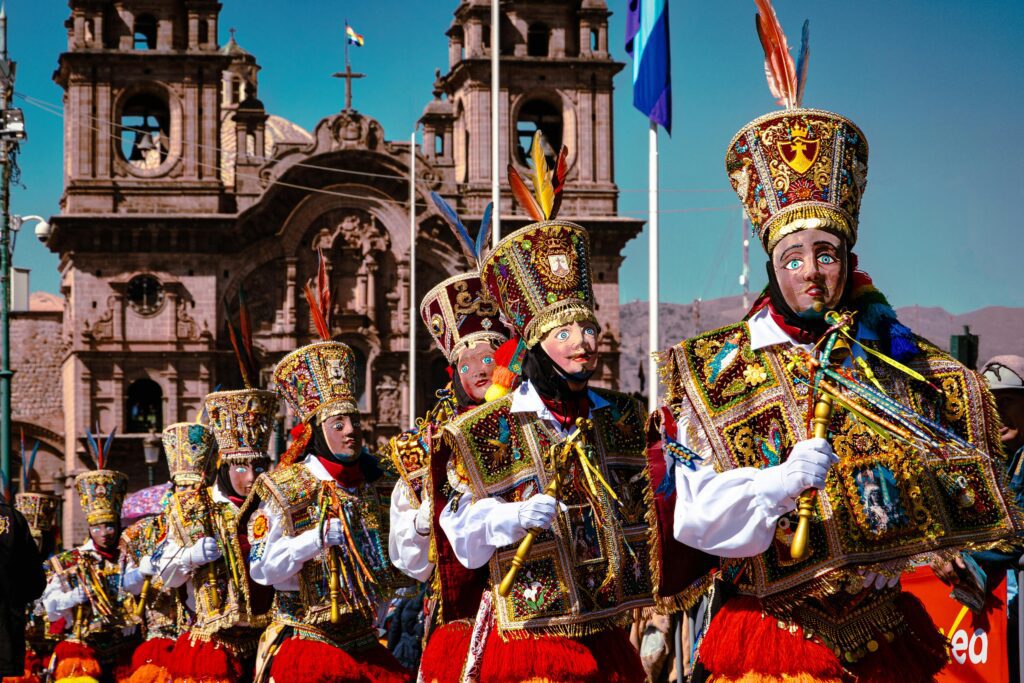
– Inti Raymi (June 24): The Inca Sun God celebration features costumed actors reeniting rituals at Sacsayhuamán. Arrive early for seats!
– Corpus Christi (May/June): A fusion of Catholic and Inca traditions. Try chiriuchu, a festival dish of guinea pig, chicken, and seaweed.
Essential Packing List
- Clothing: Pack like an onion—thermal base layers, fleece, and a waterproof shell. Nights dip below freezing in June.
- Gear: Broken-in hiking boots (Cusco’s streets are steep and uneven), a UV-blocking hat, and a portable oxygen canister (sold at pharmacies for $10).
- Health: Diamox for altitude, Immodium, and hand sanitizer (many restrooms lack soap).

3-Day Cusco Itinerary: Unmissable Highlights
Day 1: Historic Heart of Cusco
- Morning (8 AM–12 PM): Start at Plaza de Armas. Tour the Cusco Cathedral ($10) to see the Last Supper painting with a roasted guinea pig on the table. Climb the bell tower for city views.
- Afternoon (1–5 PM): Visit Qorikancha ($4), where Inca gold once reflected sunlight into the temple. Then, lose yourself in San Pedro Market—sample humitas (sweet corn cakes) and tumbo (banana-passionfruit juice).
- Evening (7 PM–late): Dinner at Morena Peruvian Kitchen (reserve ahead!). Their alpaca steak with Andean mint sauce is life-changing. End at Museo del Pisco for a chilcano cocktail.
Day 2: Inca Ruins & Sacred Valley
- Morning (6 AM–12 PM): Taxi to Sacsayhuamán ($3). Walk the zigzagging walls—locals say it represents a puma’s teeth. Spot grazing llamas at Q’enqo’s sacrificial altar.
- Afternoon (1–6 PM): Shared van to Pisac ($5). Bargain for silver jewelry at the market, then hike to the hilltop ruins for sunset.
- Evening (7 PM–late): Stargazing in San Blas. Calle Siete Culebras has artisan workshops open late.
Day 3: Machu Picchu Day Trip
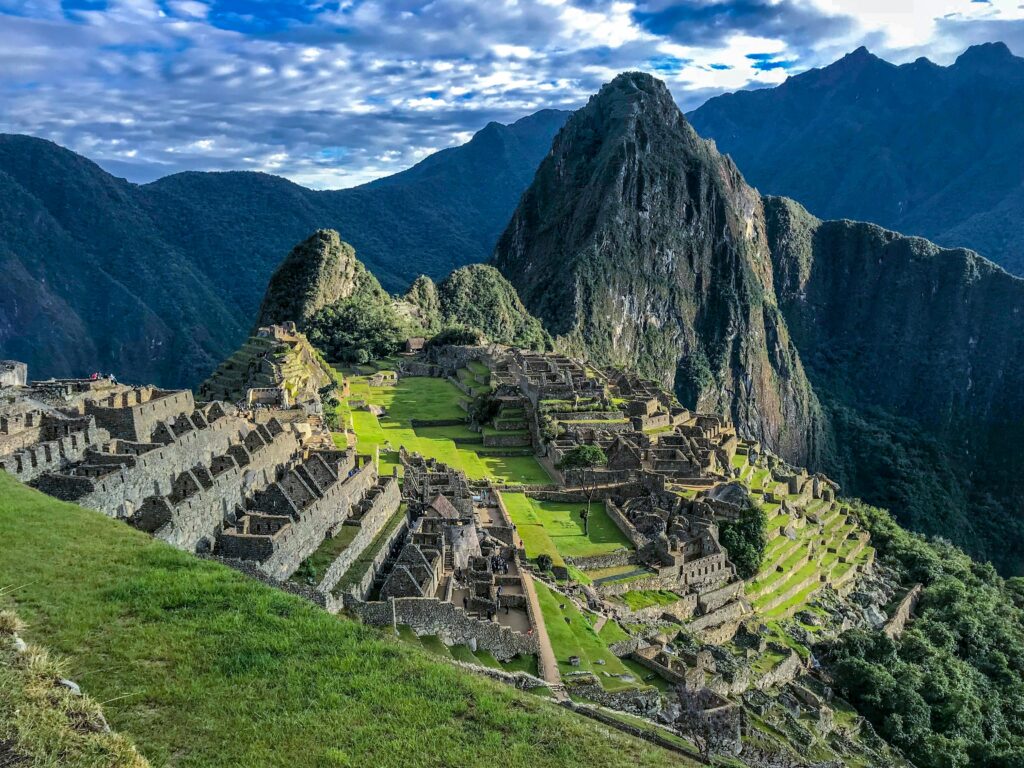
- Morning (4 AM–12 PM): Take the PeruRail Expedition train ($80 one-way) from Ollantaytambo. At Aguas Calientes, bus ($24 round-trip) to Machu Picchu. Hire a guide ($30) at the gate—they’ll show hidden spots like the Temple of the Condor.
- Afternoon (1–5 PM): Lunch at Café Inkaterra (their quinoa-stuffed trout is legendary). Wander the orchid garden before the return train.
- Evening (7 PM–late): Soak sore muscles at Limbus Resto-Bar’s rooftop hot tubs, cocktail in hand.
Note: Book your Machu Picchu tickets early—they sell out fast!
Local Transportation: Getting Around Cusco
- Taxis: Always ask “¿Cuánto cuesta?” before entering. A ride from the airport to Plaza de Armas should cost $5–$7.
- Public Buses (“Combis”): Look for route signs like “Huayruro” for San Blas. Fare is $0.30, but pickpockets target crowded buses.
- Walking: The historic center is compact but steep. Cuesta San Blas is a calf-burning climb—reward yourself with churros at San Blas Café.
Pro Tip: Uber operates here and is safer at night.
Safety Tips for Cusco
- Avoid: Plaza de Armas at night—stick to well-lit streets like Procuradores.
- Emergency Numbers: Tourist Police (+51 84 249654) speak English.
- Altitude Advice: Soroche pills (sold at pharmacies) work faster than coca tea. Avoid alcohol your first 48 hours.
Budget Considerations
- Hostels: Pariwana ($12) has free salsa classes. Kokopelli ($18) offers volcano-shaped pancakes.
- Mid-Range Hotels: Tierra Viva ($75) has oxygen-enriched rooms. Casa Andina Premium ($90) has a courtyard with alpacas.
- Meals: Menu del día (set lunch) at Pachapapa is $6. Fine dining at Cicciolina runs $25/person.
Money-Saving Tip: The Boleto Turístico ($45) covers 16 sites, including Sacsayhuamán and Pisac.
Cultural Etiquette & Personal Anecdotes
- Greetings: A handshake and “Buenos días” suffice. Quechua speakers appreciate a “Napaykullayki.”
- Dining: At Pachapapa, I nervously tried cuy—crispy skin, gamey flavor like duck. Now I crave it!
- Markets: Vendors at Centro Artesanal Cusco expect haggling. Start at 50% of the asking price.
Storytime: I joined a local family’s Pachamanca feast—meat cooked underground with hot stones. The grandmother blessed the meal with coca leaves, whispering to Pachamama (Mother Earth).
FAQ Section
1. How many days do I need in Cusco?
Minimum 4 days: 1 to acclimate, 1 for city sights, 1 for Sacred Valley, and 1 for Machu Picchu. Add 2 more if hiking the Inca Trail.
2. Is Cusco safe for solo travelers?
Yes, but: Solo female travelers should avoid empty streets after 10 PM. Hostels like Wild Rover organize group outings.
3. What’s the best way to reach Machu Picchu?
For luxury: Hiram Bingham train ($500+) includes champagne. Budget option: Hike the Salkantay Trek ($250, 5 days).
4. Can I use USD in Cusco?
Small bills only. Many places reject $50/$100 bills due to counterfeiting. Exchange soles at Interbank for the best rates.
5. What’s a must-try food?
Rocoto relleno (stuffed spicy pepper) at La Chomba. Chicha morada is kid-friendly; chicha de jora (fermented corn beer) is an acquired taste!
Conclusion: Start Your Cusco Adventure Today!
Cusco is a tapestry of ancient wonders, vibrant culture, and breathtaking landscapes. Whether you’re marveling at Machu Picchu at dawn or sipping mate de coca in a sunlit courtyard, every moment here is unforgettable.
Note: Ready to explore? Book your Cusco trip now before peak season hits!
Keywords:
“Cusco travel” “best time to visit Cusco” “what to do in Cusco” “Cusco attractions” “Cusco Peru travel guide”

